- Category
- War in Ukraine
How Putin’s War Rhetoric Has Changed As Russia Weakens: Then vs Now
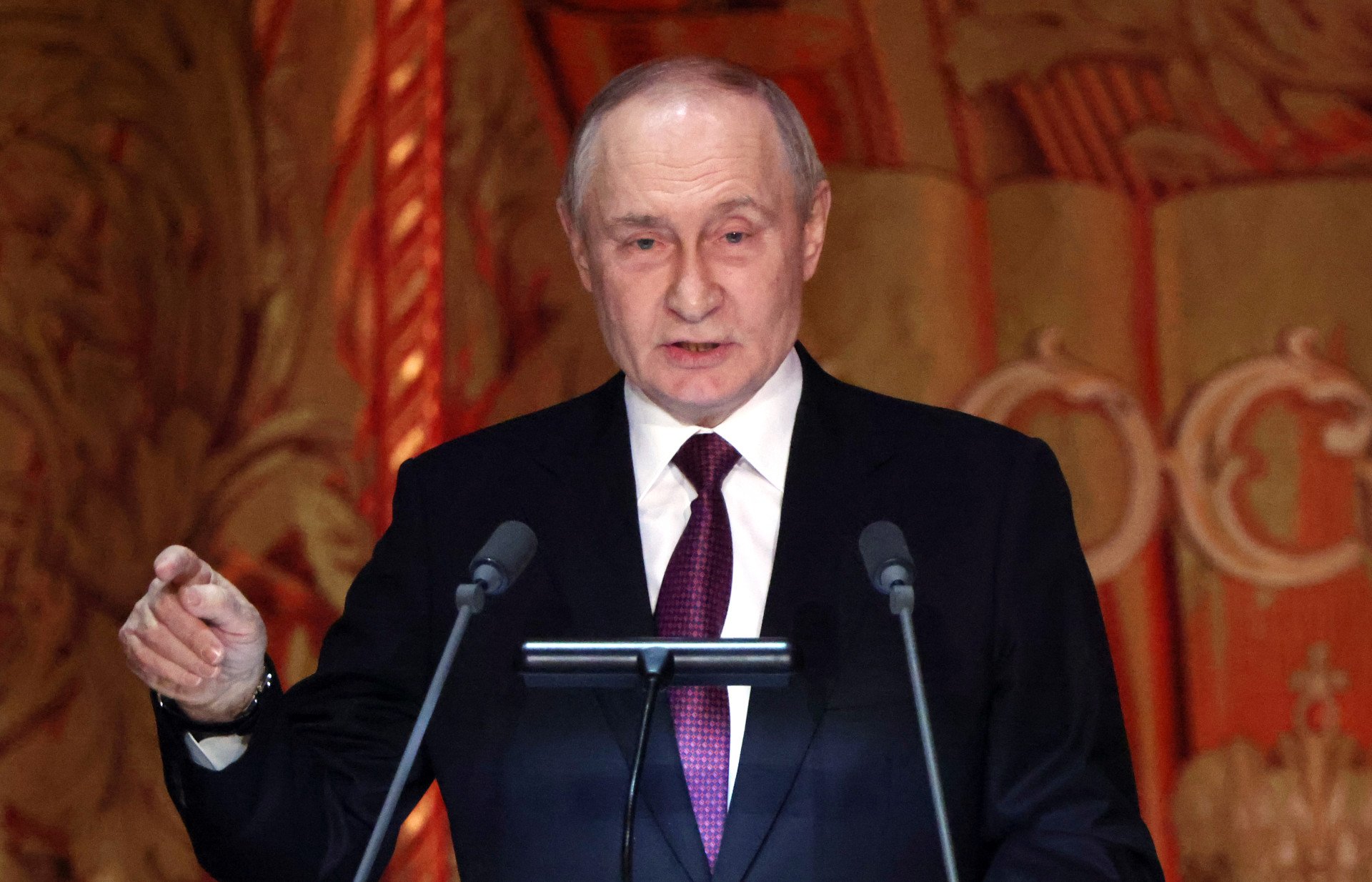
It’s been over 1,300 days since Russian leader Vladimir Putin announced a “special military operation” in Ukraine with the goal to “take Kyiv in three days”—justifying it with claims of defending Russian speakers, protecting Russia from NATO, and historical grievances. What do Putin and other Russian officials say today?
 Prefer U24 Media on Google
- Authors

-605be766de04ba3d21b67fb76a76786a.jpg "Joseph Place")
During the summer and early Autumn of 2025, Russian politicians, including Putin himself, issued a range of statements presenting Russia as a victim of war, a peacemaker, and willing to find a “solution” to the “conflict.”
This marks a sharp contrast to 2022, when Putin spoke triumphantly of rushing into Ukraine to “help the people of Donetsk” and envisioned a quick victory in Kyiv, justifying the war of aggression as essential to Russia’s security. Now, three years and heavy losses later, Moscow has changed its tune—with many contradictions and troubling consistencies that reveal how Russia perceives itself in the world and what it continues to demand from Ukraine, even now.
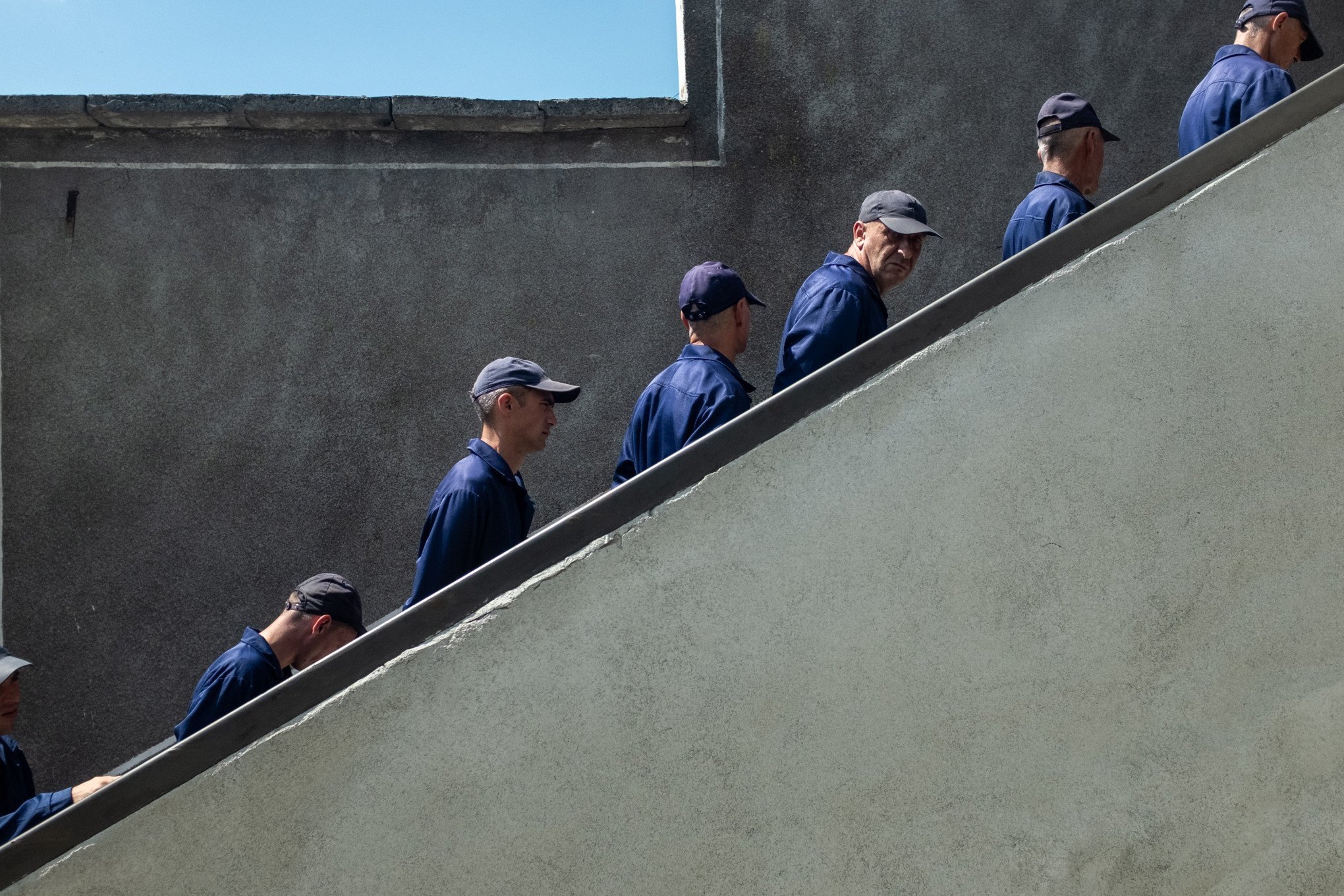
Recent statements from Putin and other Russian politicians
Russia, “the peacemaker”
One notable recent statement from Putin regarding finding “peace” was told to reporters in Moscow earlier in September: “It will be possible to agree on an acceptable solution to end this conflict. [...] Especially since we can see the mood of the current US administration under President Trump, and we see not just their statements, but their sincere desire to find this solution.”
Putin also said at the economic forum in Vladivostok on September 6, “Yes, we want peace, but only on our terms. You reject our terms? No peace then."
In both of these cases, we see Russia positioning itself as a peacemaker, even when recent data shows that recorded civilian casualties in Ukraine reached a record high at 1,674 in July 2025 alone, after a record high in June as well. This attempt at looking like a peacemaking nation was not as common in 2014 when Russia attempted the annexation of Crimea with triumphant pride.
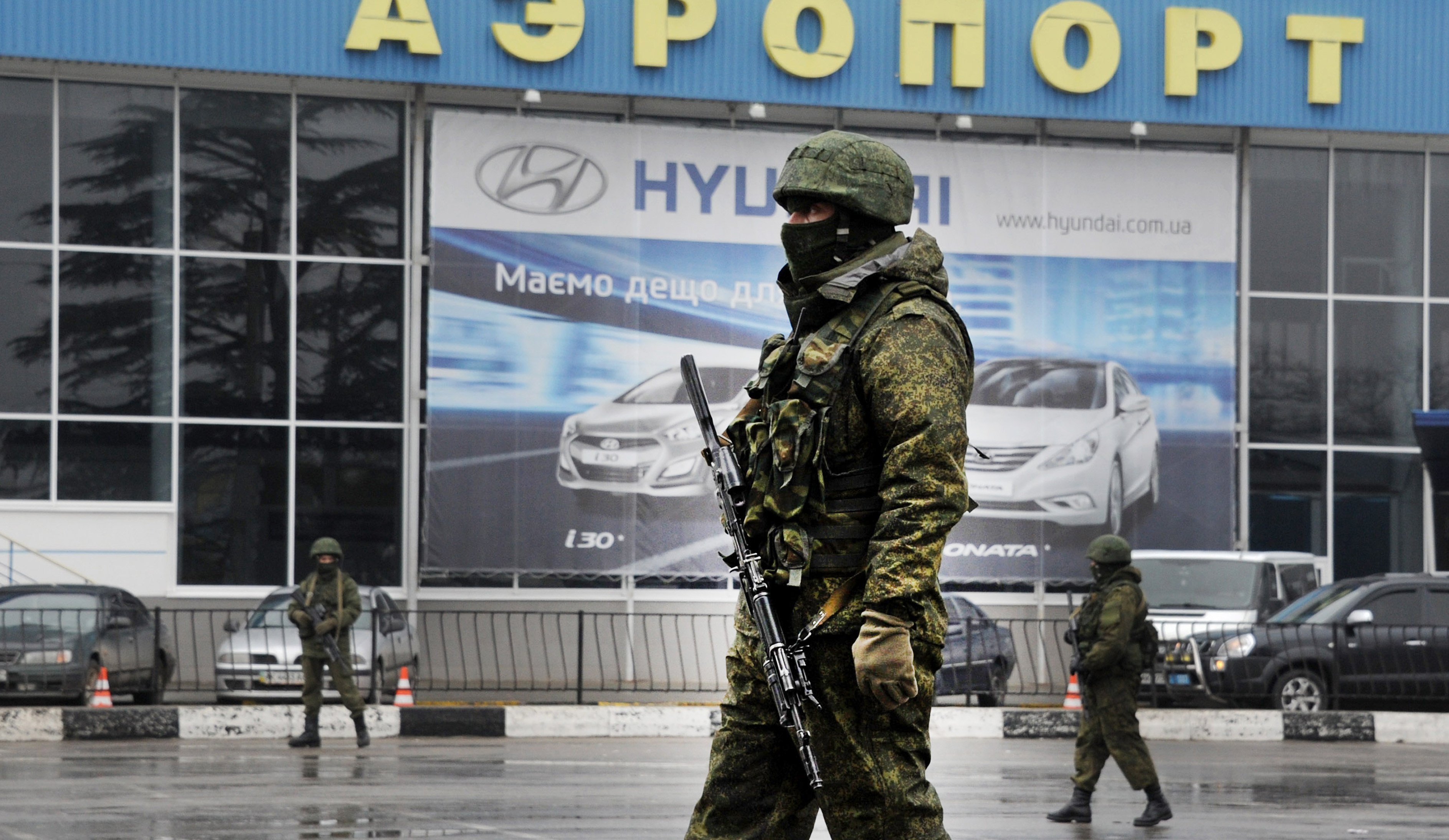
For example, when Putin said in his New Year’s address, “Love for one's motherland is one of the most powerful and uplifting feelings," and "It manifested itself in full in the brotherly support to the people of Crimea and Sevastopol, when they resolutely decided to return home,"—“peace” was never uttered as a notion in any meaningful sense.
Regarding Russia’s invasion of Donetsk and Luhansk in 2014, the narrative focused on either that the invasion was a “civil war” it had nothing to do with, but more frequently that Russia and the “seperatists” in Donetsk and Luhansk were protecting Russian speakers, as Putin said in September 2014 that “We must always be ready to repel any aggression against Russia and (potential enemies) should be aware … it is better not to come against Russia as regards a possible armed conflict.” None of these statements indicated Russia was seeking peace; rather, it was ready to act and fight.
Now, Russia has sought to reframe its wartime demands as “security guarantees,” incorporating them into its more current negotiating posture over Ukraine’s future—insisting that Western security proposals for Ukraine must “take into account Russia’s own security concerns” and that Russia should have a role in shaping them. Yet while the language softened, the demands remain mainly the same: no NATO, a reduced Ukrainian army, and a generally weaker, more isolated Ukraine. For example, in June, Russia demanded withdrawal, a ban on redeployment of Ukrainian forces, no foreign aid, and no foreign troops in Ukraine.
At war or not at war?
Kremlin spokesperson Dmitry Peskov said in July: “It would be preferable for us to achieve our goals and ensure our security by political and diplomatic methods, but at the time when this is impossible due to the lack of reciprocity, we continue the SMO .”
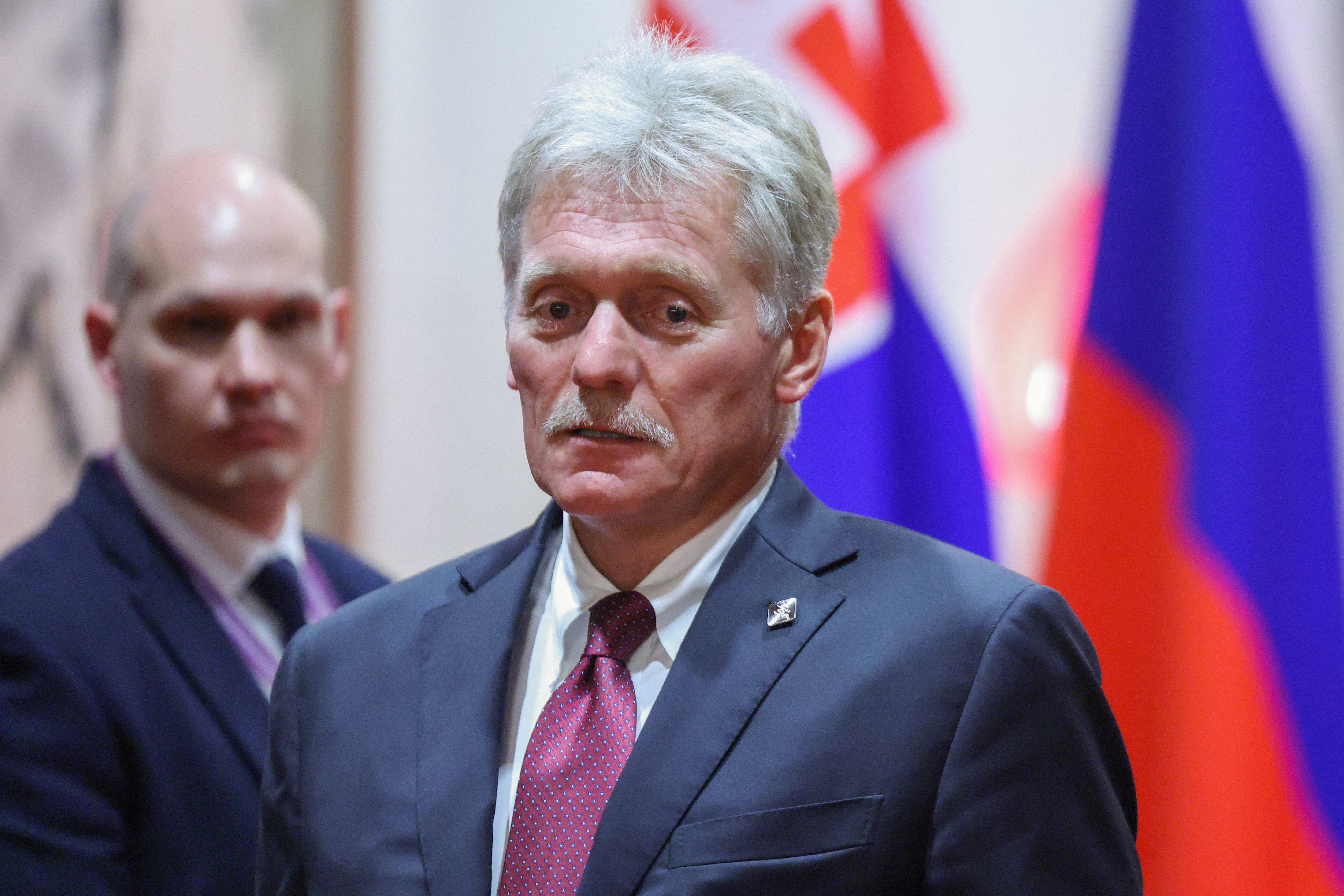
Peskov does not call Russia’s war in Ukraine a war, but continues calling it “Special Operation”— words first used by Putin in 2022. Despite the claim of achieving “goals” and ensuring “security” by “political and diplomatic methods,” Russia has failed to find consensus with Ukraine or the USA in negotiations and continued to attack civilians on a large scale.
Unable to even refer to the war in Ukraine as “war,” Peskov yet has no problem saying that “NATO is at war with Russia” and that “NATO is de facto involved in the war in Ukraine by providing support to Ukraine.”
This seems to immediately contradict a statement from former president and current security council chairperson, Dmitry Medvedev, who claimed on September 15 that a “no-fly zone” over Ukraine that would allow NATO aircraft to shoot down Russian drones would “mean only one thing—a war between NATO and Russia.”
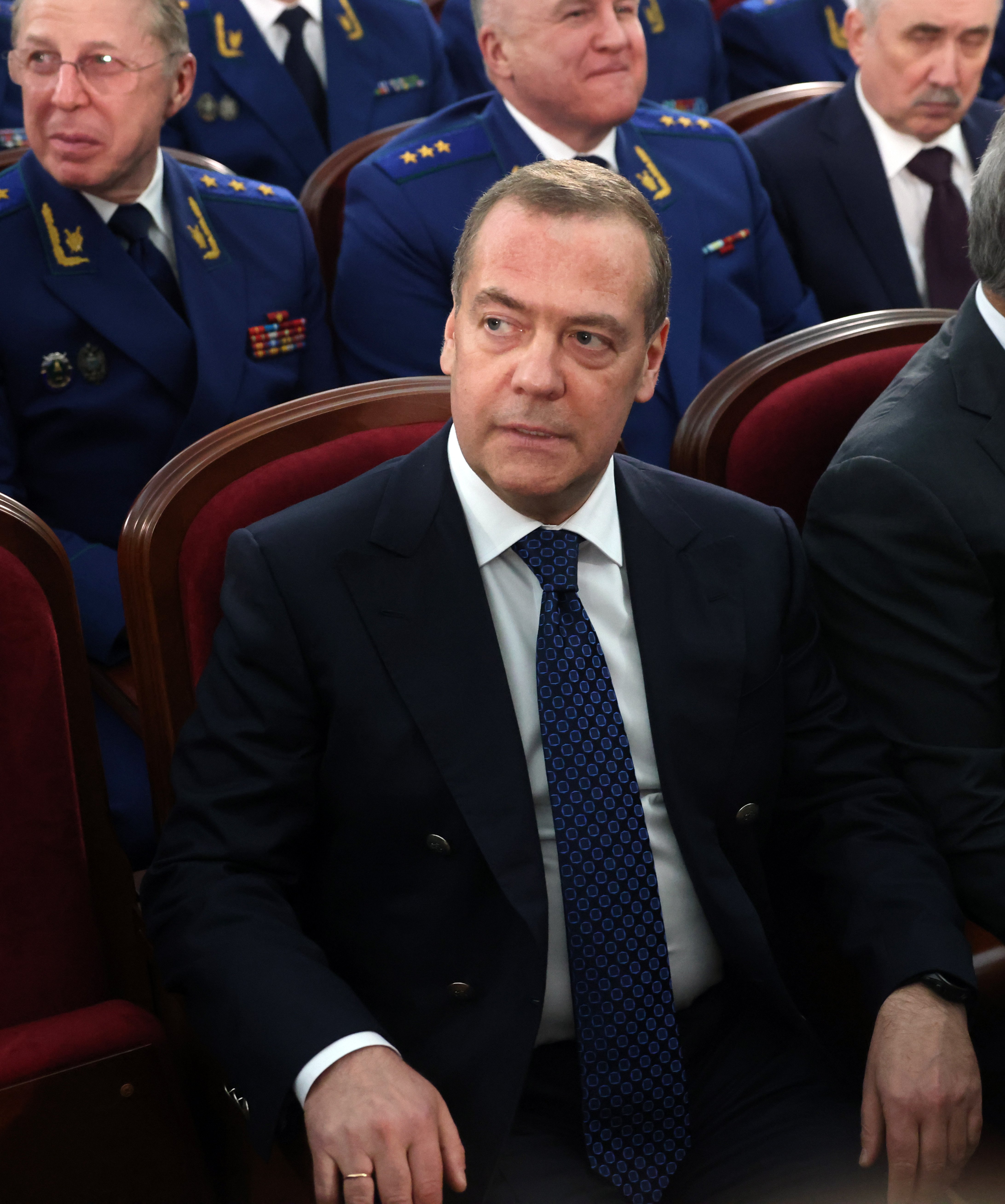
Russian officials have difficulty deciding whether Russia is indeed “at war” either with Ukraine or with NATO, as the statements keep changing, and Russia’s “red lines” keep getting redrawn. However, these last few statements indicate that the invasion of Ukraine is, from Russia’s perspective, about NATO. Ukraine is mentioned as a passive entity. The above statements can help us understand the reality that Russia is trying to create.
What these newer statements mean
Russia has created a few new myths in its recent claims:
“Russia is making peace.”
Russia claims it seeks peace with the United States and a “solution” to the “conflict,” avoiding words like invasion or war. In doing so, it attempts to erase any notion of its own responsibility as the aggressor—amplifying the narrative of Russia as a victim of NATO’s aggression and twisting its invasion from an offensive act into a supposed act of defense.
At the same time, the UN in Ukraine estimated in June that since 2022, Russia’s war has killed at least 13,580 people, including 716 children, and injured many more. This estimate is likely much lower due to the Russian occupation of some Ukrainian territories. Due to the Russian aggression, some parts of Ukraine, such as in the Kherson region, have been deemed unlivable by the UN. Evidence of mass killings of civilians in places such as Bucha, Irpin, and Lyman (of those we know) shows clear atrocities.
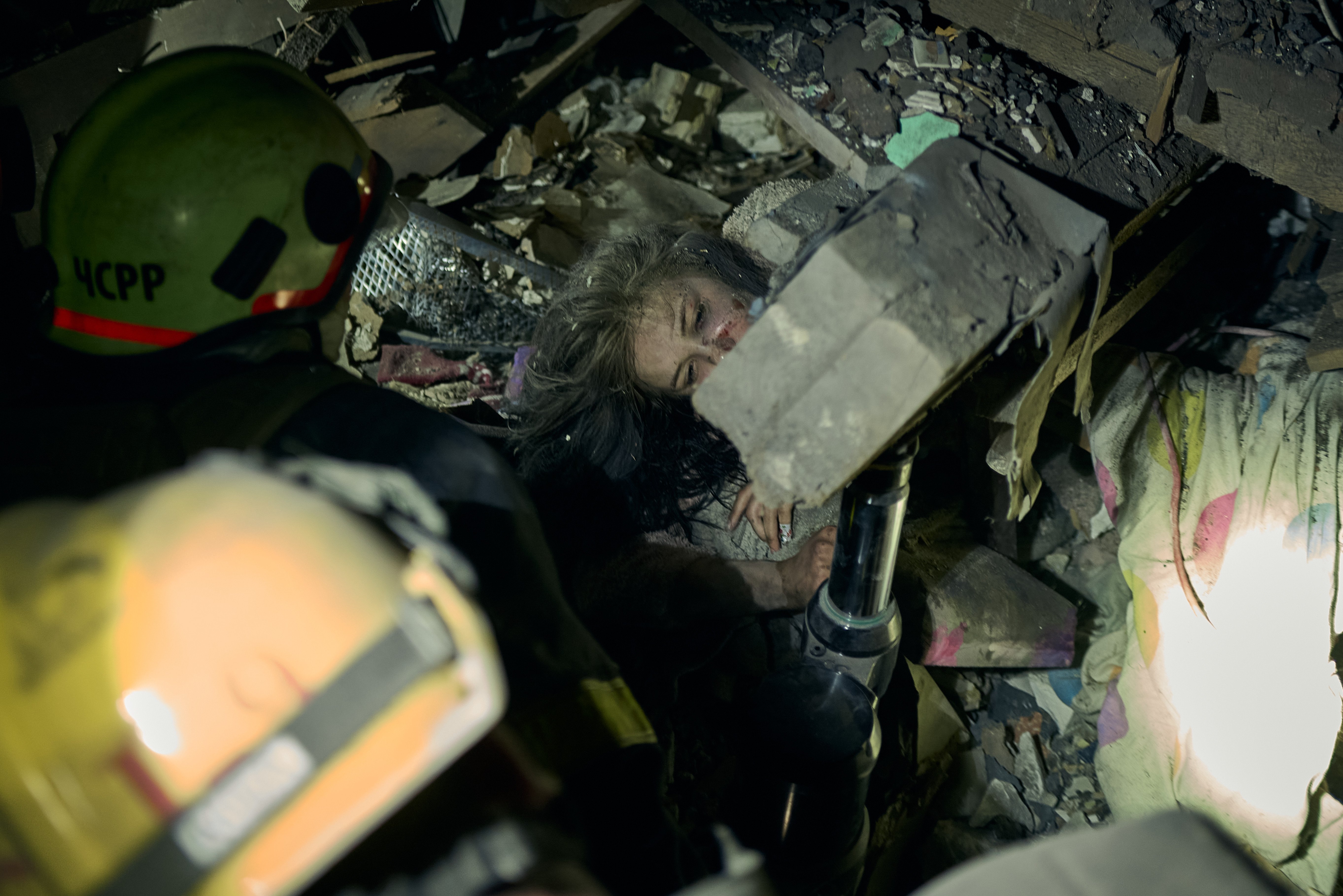
Meanwhile, as Ukraine has been willing to find an “acceptable compromise” that reflects public consensus, support for negotiations in Ukraine is high. In contrast, Russia has rejected peace plans, refused the negotiations, and continues to wreak terror on civilians, with Peskov claiming that Ukraine is “showing absolutely no desire to do anything.”
“Russia is trying to achieve legitimate goals and security.”
Putin, Peskov, Medvedev, and others in the Russian government and propaganda machine want to create a reality where Russia does not intend to invade, harm, or destabilize—evident in phrases like “it is preferable for us to achieve our goals and ensure our security by political and diplomatic methods,” or when Putin and Peskov say “special military operation” contrasted with the numbers of drones and missiles causing civilian deaths all around Ukraine. This serves to normalize the brutality of the invasion and make it appear rational.
This is all despite the fact that Ukraine was never a threat. Prior to 2014, the majority of Ukrainians had positive views of Russians, and while NATO membership was discussed, Ukraine only dropped its neutrality in 2014 after Russia’s attempted annexation of Crimea and the invasion of Donetsk and Luhansk. Both indicate how Ukraine’s move towards NATO alignment is a response to Russia’s invasion, not an act of aggression.
While the term SMO is not new, the emphasis on Russia's goals and security rather than, for example, Russian speakers in Ukraine, is relatively recent.
“Russia is in a position to enforce its demands.”
Russia pushes the narrative that the West and Ukraine must give in because Russia is capable of winning and securing its goals militarily (or at least continuing to attack civilians). Russia’s army and economy are, therefore, strong and cannot be defeated. This is despite the fact that the initial goals of trying to take Kyiv and plant a new leader failed. While in 2022 Russia demanded complete surrender, the demands now have shifted, with Russians attempting to “freeze the frontline” and occupied territories to be recognized, rather than total control of the country.
The assertiveness contrasts sharply with Russia’s ongoing struggle to advance into places like Pokrovsk. The notion of Russia’s strength has eroded so visibly that it even surfaces in international political discourse—US President Donald Trump called Russia a “paper tiger,” saying that “Putin and Russia are in BIG Economic trouble,” and that this is the moment for Ukraine to reclaim its land.
Trump has issued multiple statements since; following Russia’s recent tests of nuclear-capable missiles he said the US has nuclear submarines near Russia’s coast, urging Putin to focus on ending Russia’s war in Ukraine rather than making new nuclear threats.
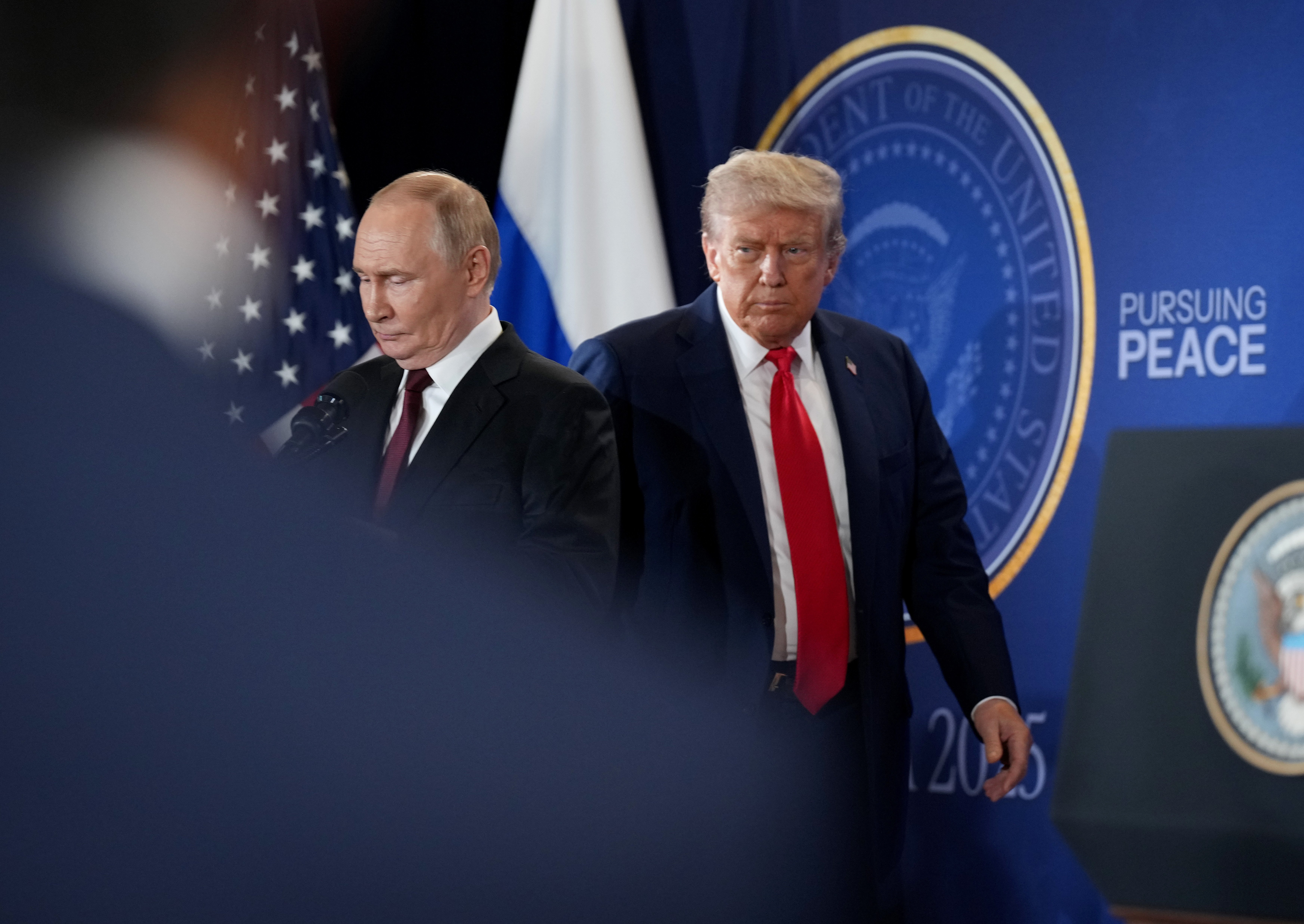
These statements are relevant to the facts that: Ukraine has managed to damage around 20% of Russia’s oil production, Russia is about to increase VAT as it heads towards recession, a third of companies operate at a loss, people inside Russia cannot get gasoline easily, the costs of living have risen exponentially and inflation is expected to be at 9% at the end of the year, and things do not seem to be improving. Regarding its military, Russia has approximately over one million dead and injured soldiers, it is running out of tanks, and much of the Soviet stockpile of military vehicles and equipment is also dwindling.
💥 Overnight, drones struck the Kirishi oil refinery in Russia’s Leningrad region.
— UNITED24 Media (@United24media) September 14, 2025
The attack was carried out by fighters of the 14th UAV Regiment and Special Operations Forces. The refinery is one of Russia’s largest. pic.twitter.com/yo2YvF1X87
From triumphant speeches to the victim card
"Those who embarked on the path of violence, bloodshed, lawlessness did not recognize and do not recognize any other solution to the Donbas issue, except for the military one,” Putin said on February 21st, right before Russia’s full-scale invasion.
And when Russia first invaded Ukraine in 2014, Putin said, “Those who opposed the coup were immediately threatened with repression. Naturally, the first in line here was Crimea.”
At this stage, Putin sees his “Special Military Operation” as justifiable and therefore started by Russia to both “protect” Luhansk and Donetsk, prevent “NATO threats,” and protect its “security” interests.
In 2014 and 2022, there was no talk of peaceful solutions. Russia still saw itself as starting the invasion in both periods; however, we see now a more passive language that plays to a sense of victimhood. Key Russian figures who invaded Ukraine in 2014 contradict the official line from Putin.
For example, FSB Officer Igor Strelkov or “Girkin” said "I was the one who pulled the trigger of this war," and former Wagner leader Yevgeny Prigozhin said “The ministry of defence is trying to deceive the public and the president and spin the story that there was insane levels of aggression from the Ukrainian side and that they were going to attack us together with the whole NATO block.”
Russia and Putin were proud of their actions in 2014, not pretending that they didn’t start the invasion. While they have often claimed that they were somehow “forced” into acting, i.e., to “defend Russian-speaking regions of Ukraine,” to “protect” itself from NATO, etc., they spoke with triumph. Now, the Kremlin uses softer language, claiming that Russia is merely seeking peace, while the West and Ukraine are the ones who want Russia’s war to go on.
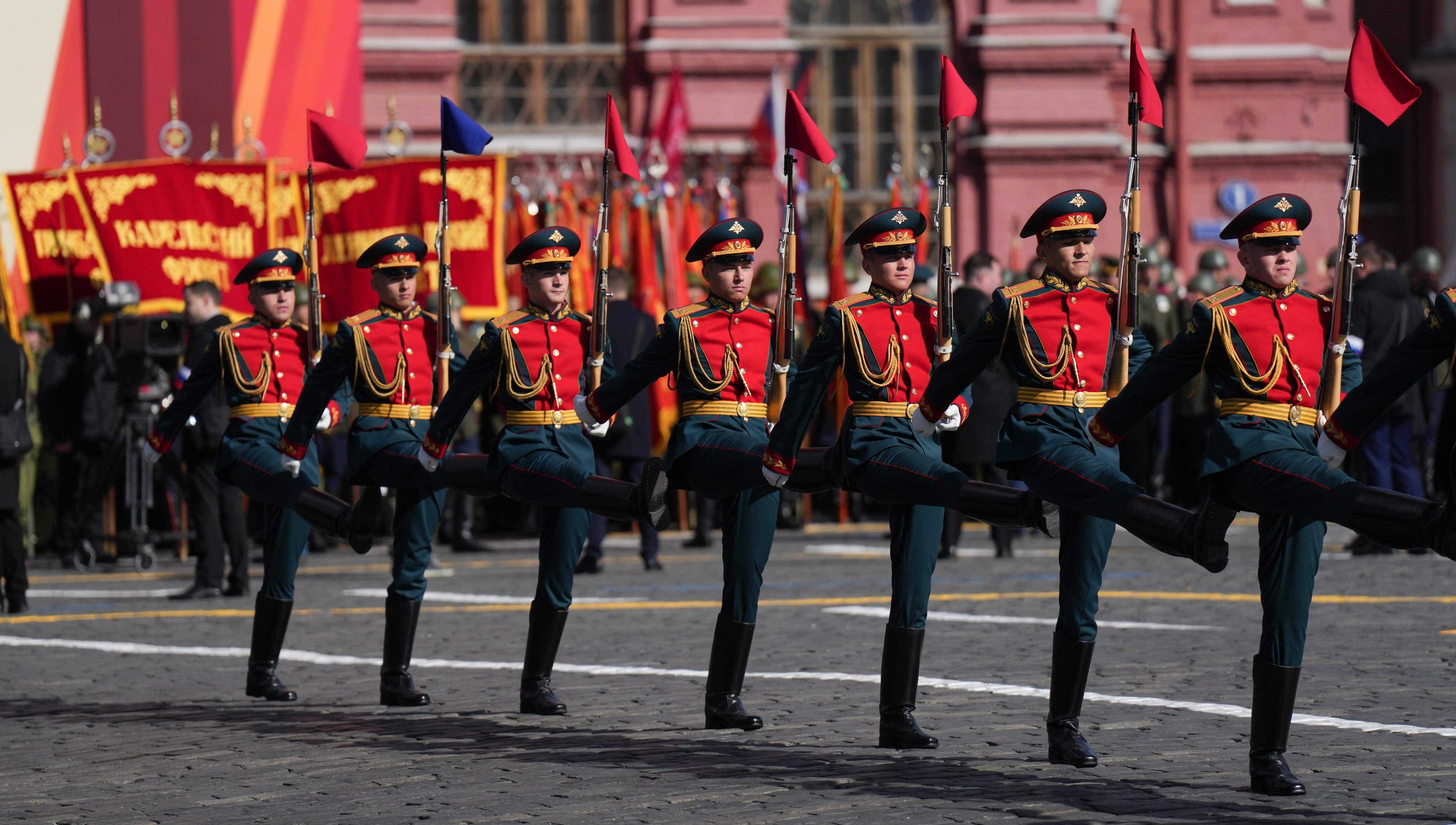
Russia’s language has shifted constantly due to realities on the ground that its narrative was not prepared for. According to a researcher in Russian politics from the University of Northumbria, Intigam Mamedov, “Among the main factors that forced the narrative’s transformation were the necessity of reducing the front line, preparations for negotiations, partial mobilization, and attacks on Russia’s territory.” We can see how Russia has weakened its triumphal tone and pivoted towards peace as it has faced more setbacks, but it ends up contradicting itself as it does so, such as with simultaneously contradictory statements about NATO being at war with Russia, desires to take the whole of Ukraine, but then claiming it wants peace.
Observations going forward
What can we take from these differences? This is how Russia shifts its tone as its military successes and economic stability are at risk.
Russia failed to achieve its initial goals of taking Kyiv within three days, potentially replacing Zelenskyy with pro-Kremlin Ukrainian politician and godfather to Putin’s daughter, Viktor Medvedchuk. Now, rather than marching on Kyiv, Russia has over a million casualties, which is increasing each day, including recently in “cauldrons” in the Donetsk region, is running out of a lot of equipment, and its economy has grim prospects. The failures in initial military goals of the total subjugation, its loss of equipment and men, and sanctions and the impact on the economy, have evidently forced Russia to weaken some rhetoric, trying to paint itself as a peacemaker.
While in reality, Russia has continued to attack Ukraine militarily, trying to take more land every day, and attack civilians. Still, it has not achieved what it originally set out to do, and has adjusted how it speaks about the war. Primarily, according to the Center for Strategic and International Studies, the tactical goal now is to take the rest of the Donetsk and Luhansk regions. While Russia does want the subjugation of Ukraine and its restoration under the “Russian world,” in the Alaska summit with Trump, the demands were for the Donetsk and Luhansk regions from Ukraine, in return for a freezing of the conflict.
As Keir Giles, a senior consulting fellow at the London-based think tank Chatham House, says, “It is axiomatic, and has been demonstrated repeatedly over history, that Russia respects strength and despises compromise and accommodation. This strength must necessarily include military power, present and ready for use, to provide a visible counter to Russia’s own new capabilities.”
Discuss this article:

-c439b7bd9030ecf9d5a4287dc361ba31.jpg "Photo of Katherina Popilnichenko")
-72b63a4e0c8c475ad81fe3eed3f63729.jpeg "Photo of Cyril Barabaltchouk")