- Category
- Latest news
“Kremlin in Paranoia”: Experts Cite Coup Fears Amid Sanctions Pressure and Cracks in Putin’s System
 Prefer U24 Media on Google
- Authors


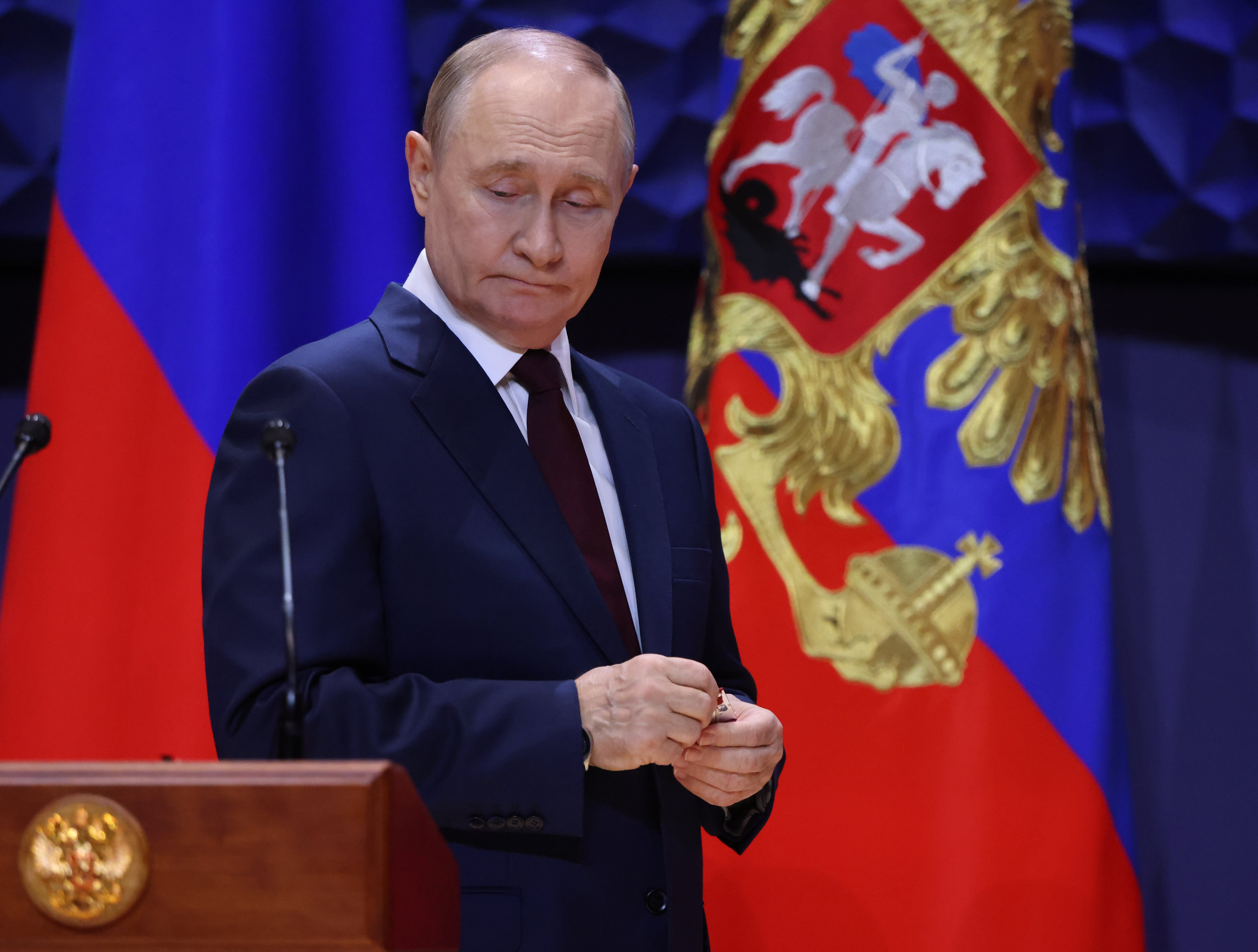
Russian leader Vladimir Putin fears another coup as Russia’s position weakens under mounting economic and political pressure, The Telegraph reported in October 26.
According to the report by journalist Melissa Lawford, growing instability inside the Kremlin coincides with new US sanctions and a tightening global stance against Moscow’s oil revenues.
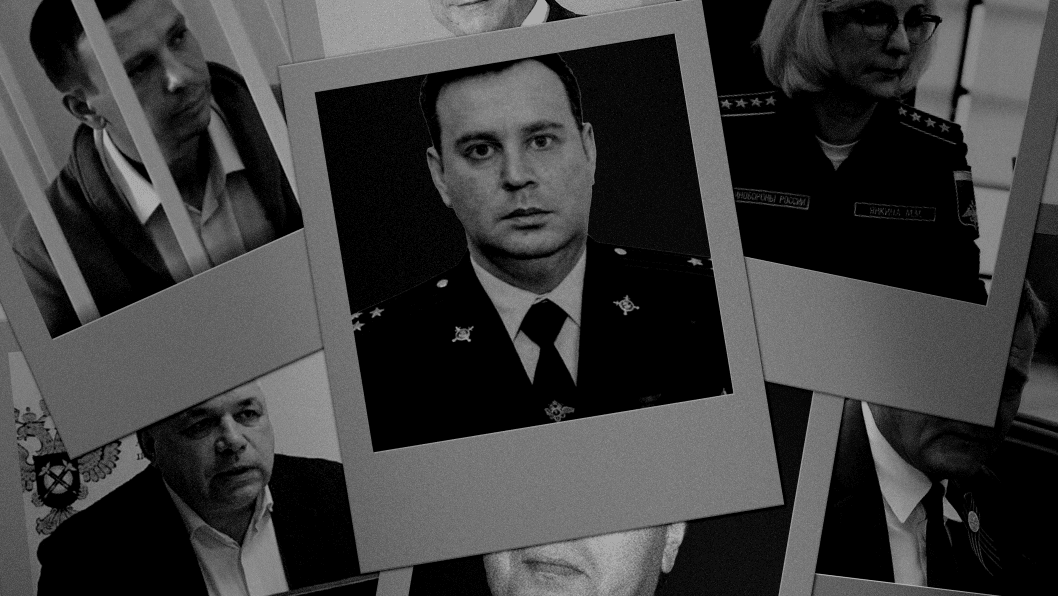
The Federal Security Service (FSB) of Russia opened a criminal case against exiled businessman Mikhail Khodorkovsky and members of the Anti-War Committee of Russia, accusing them of plotting a violent seizure of power and forming a “terrorist community.”
The Telegraph wrote that “Putin once again sees Khodorkovsky as a threat,” as the Kremlin faces internal and external strain. Khodorkovsky has denied the allegations.
John Herbst, Senior Director of the Eurasia Center at the Atlantic Council and former US ambassador to Ukraine, told The Telegraph that “the Kremlin is falling into paranoia.” He said Putin is looking for new enemies to secure his regime.
Timothy Ash, a senior fellow at Chatham House, added that “Russia has finally been hurt for the first time in three and a half years,” suggesting that “there is some panic.”
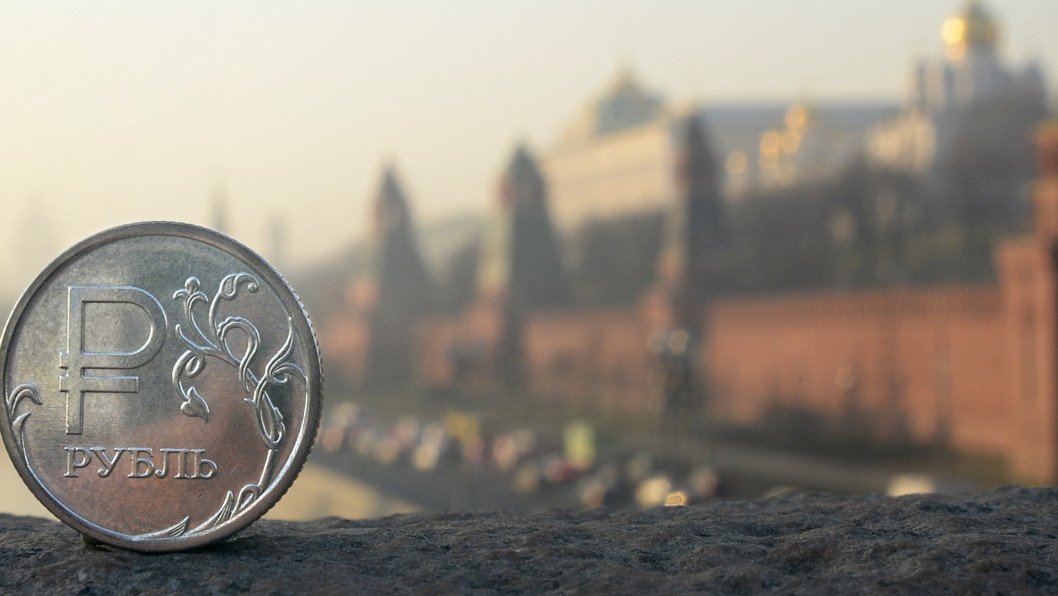
The Telegraph reported that Russia’s economy is showing clear signs of strain. The Ministry of Economic Development recently warned the country is “on the verge of recession.” High interest rates have paralyzed business activity, and Russian banks face growing risks from loans extended to defense companies without proper solvency checks.
According to research cited by the paper, about 23% of all outstanding corporate loans—around $190 billion—have been issued to military-industrial enterprises, equivalent to roughly 37% of Russia’s annual budget.
Analyst Craig Kennedy told The Telegraph that Russia “has been financing the war with borrowed money—it just hasn’t shown up in the state budget.”
Despite the Central Bank’s minor rate cut to 16.5% in October, the Telegraph noted that financial liquidity in the country is rapidly drying up, while fuel shortages and rising gasoline prices have followed a wave of Ukrainian drone attacks on oil refineries.
The report links the Kremlin’s current anxiety to the 2023 failed Wagner Group mutiny, led by Yevgeny Prigozhin. Although the uprising collapsed, the event exposed internal divisions and the absence of a clear successor to Putin.
Experts quoted by The Telegraph, including Georgetown University professor Angela Stent, said Moscow’s latest actions reflect an effort to reinforce the narrative that “the West is trying to destroy Russia.”
Khodorkovsky, who now lives in London, told The Telegraph that the FSB’s charges show the Kremlin’s fear of any transition of power, emphasizing that “if Putin dies tomorrow, there is no obvious successor.”
The article adds that US President Donald Trump has recently imposed sanctions on Russia’s two largest oil companies, Rosneft and Lukoil, while warning international banks against facilitating Russian oil transactions.
The Telegraph described this as “a particularly painful moment” for the Kremlin, as these measures threaten one of its last major sources of wartime revenue.
Since 2022, Russia’s economy has remained resilient despite waves of Western sanctions, largely by forcing banks to lend to defense industries and through continued oil exports to Asia. However, The Telegraph wrote that both India and China have now reduced their Russian oil purchases following the latest US restrictions.
-50c64d019d3899de5677f8b898913418.jpg)
As the Kremlin intensifies domestic repression and propaganda, economists and Western analysts cited by The Telegraph warn that Russia faces rising default risks, a potential banking crisis, and growing public discontent—signs that the stability of Putin’s system may be eroding from within.
Earlier, it was reported that the Wagner Group’s leaked internal documents exposed its deep links with the Kremlin, underlining how internal power structures involved para‑state actors and hinting at lingering internal tensions within Russia’s security‑military apparatus.
Discuss this article:
-4a56a6b482ec132402c16ef6fcabf9a2.png)