- Category
- Latest news
Can India Fix Russia’s Super Tank? Russia Offers Co-Production of Troubled T-14 Armata
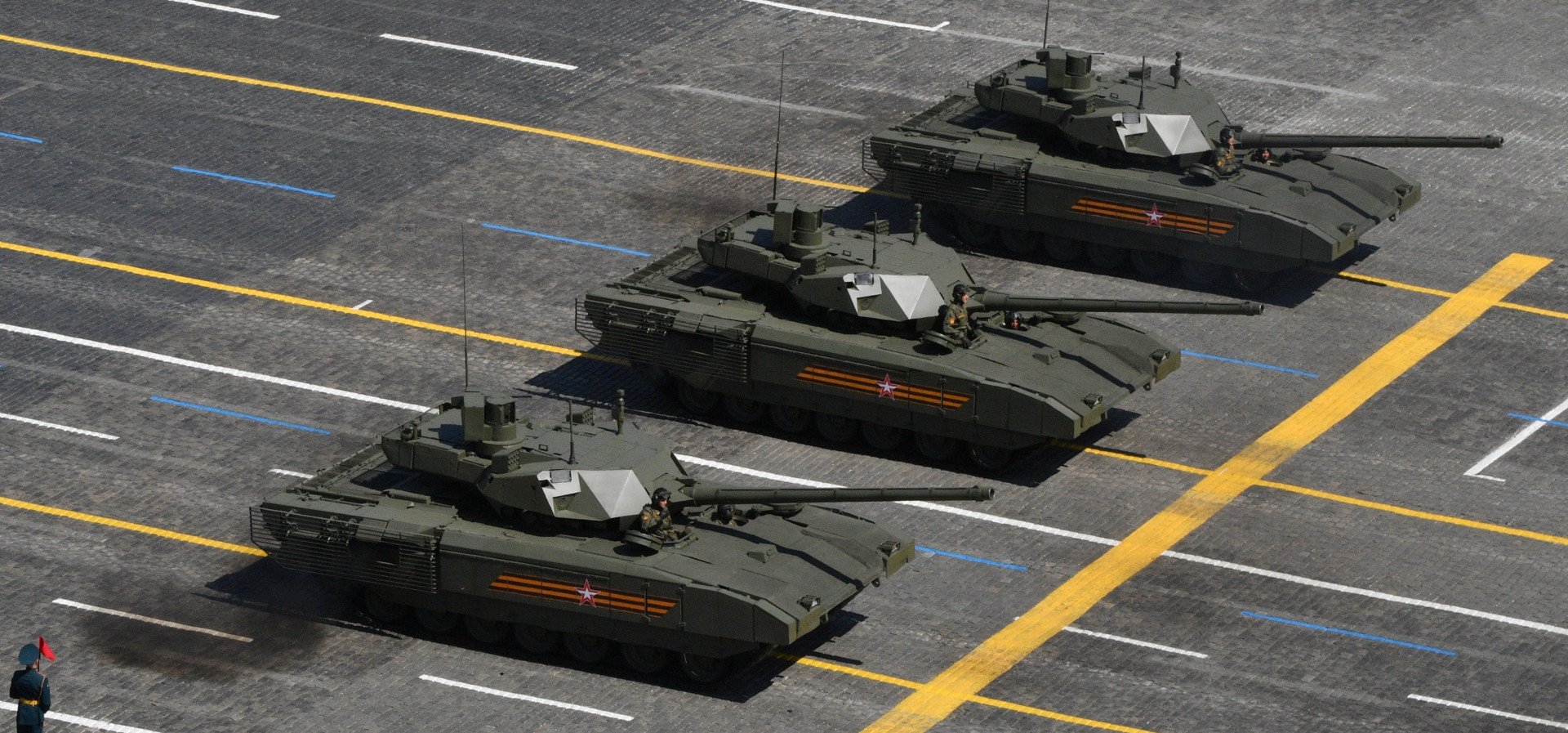
Russia has pitched a co-production deal to India that could breathe new life into its struggling T-14 Armata main battle tank, once touted as the future of Russian armored warfare.
 Prefer U24 Media on Google
- Authors


Moscow has proposed a localized version of the T-14 Armata as the foundation for India’s Next Generation Main Battle Tank (NGMBT) program, defense platform Army Recognition reported on August 4.
Army Recognition, citing Indian outlet India.com, stated that the deal would involve licensed manufacturing in India under the “Make-I” procurement category, allowing for up to 70% Indian government funding for prototype development.
New Russian T-14 Armata main battle tank in action pic.twitter.com/BMxpj9aIV6
— Defence Blog (@Defence_blog) September 11, 2016
Originally, the Russian Army aimed to acquire 2,300 Armatas between 2015 and 2020. But after years of budget constraints and technical hurdles, production was delayed, then effectively suspended.
Now, Russia is looking to revive the tank’s prospects through foreign partnerships—starting with India.
According to Army Recognition, Russia’s state-run defense firm Uralvagonzavod has reportedly offered to adapt the T-14 to India’s unique requirements, including terrain modifications, operational upgrades, and a major powertrain swap.
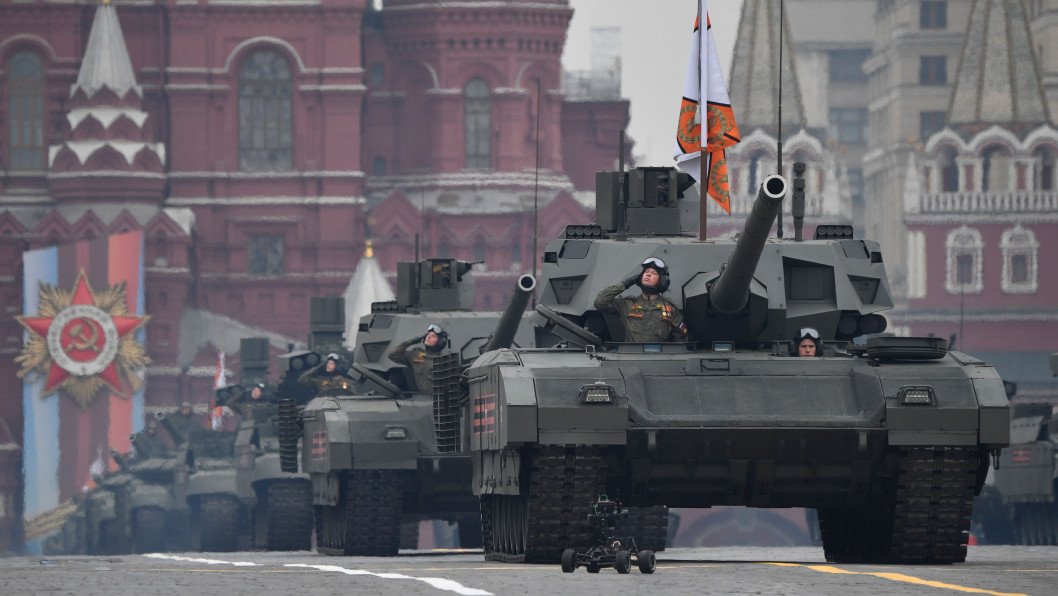
Specifically, Russia is open to replacing its own troubled 12N360 engine with India’s indigenous DATRAN-1500HP engine, which is currently undergoing testing to meet NATO compatibility standards.
Each T-14 unit is projected to cost roughly $3.4–4.8 million, but local manufacturing in India could slash that by at least $1.14 million.
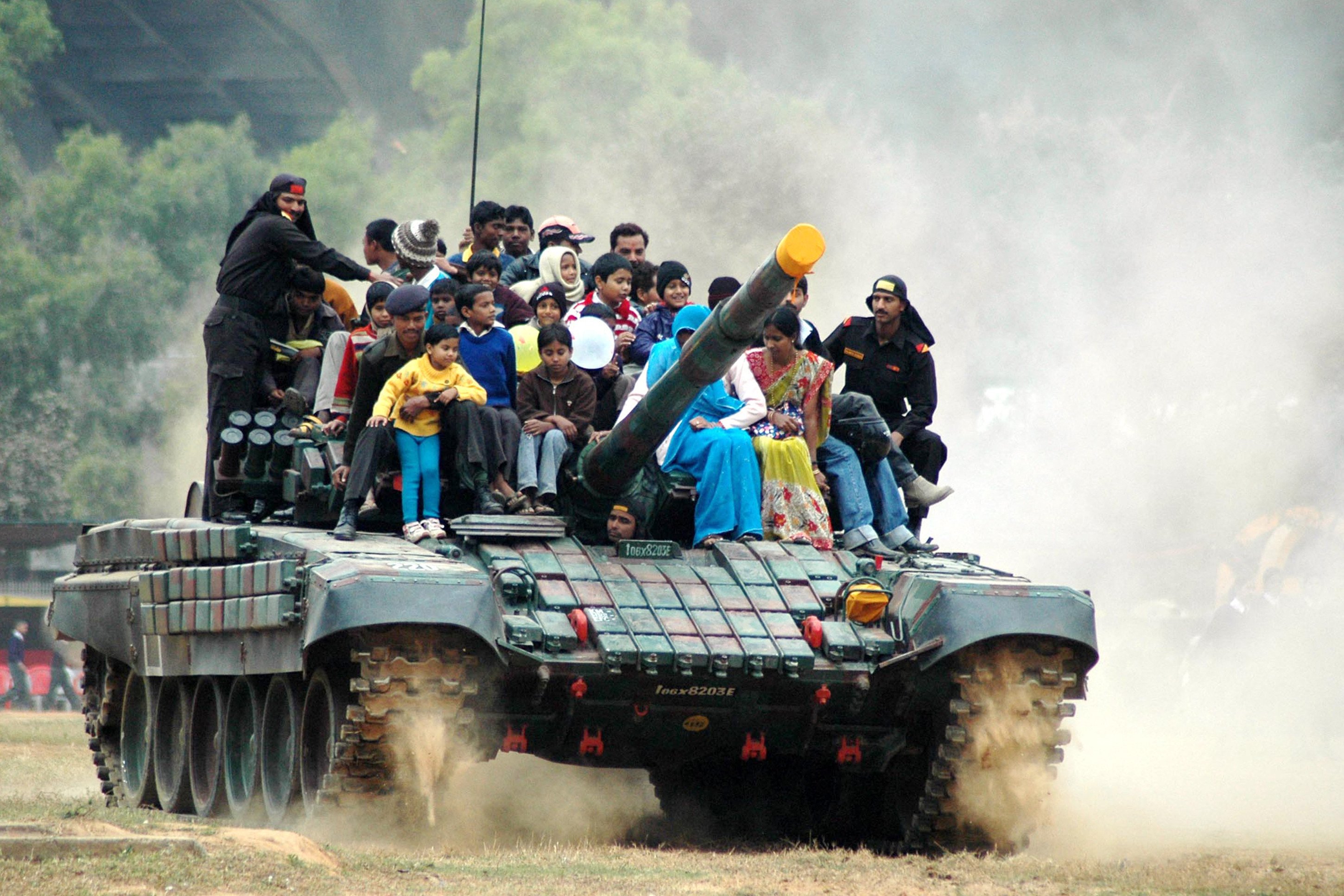
Uralvagonzavod has signaled its willingness to partner with India’s Combat Vehicles Research and Development Establishment (CVRDE) or other public-sector defense entities, potentially leading to a co-developed variant that would replace India’s aging fleet of T-72 Ajeya tanks, Army Recognition notes.
Why the T-14 offer matters
The T-14 Armata is Russia’s most advanced tank design and features a long list of next-gen capabilities. Built on the Armata Universal Combat Platform, it boasts:
a fully automated turret with no crew inside;
a crew compartment protected in an armored capsule;
a 125mm 2A82-1M smoothbore gun with guided missile capabilities (and a potential upgrade to 152mm);
an active protection system called “Afghanit”;
AESA radar for 360° situational awareness;
integrated Malachit reactive armor.
With a weight of 55 tonnes, a top speed of around 75–80 km/h, and a 500 km operational range, the T-14 was designed to outperform older Soviet-era models like the T-72, T-80, and T-90.
Reportedly first combat footage of the T-14 Armata. One of it’s main advantages is its fully autonomous turret which automates a lot of tasks that would otherwise be done by the gunner/commander pic.twitter.com/DKKbYGeByE
— LogKa (@LogKa11) February 9, 2023
It includes battlefield management systems and sensors designed for modern, multi-domain operations—even in extreme environments like the Himalayas, Army Recognition wrote.
Yet despite its technological promise, the tank has never entered mass production. Russia’s high hopes for the T-14 were dashed by persistent mechanical issues, particularly with its engine, electronics, and transmission.
-04cd63179a6e2a0e43f529cdd0b666b2.jpg)
Only a limited number—reportedly fewer than 20 units—have been delivered as of early 2024, mostly for testing and parade appearances. While the vehicle was spotted in Syria and in Russian exercises, its actual combat use remains unverified.
Even Russia’s own military has distanced itself: Rostec CEO Sergey Chemezov admitted in 2024 that the tank had entered limited service but would not replace the more economical T-90, which remains in wide production and use.
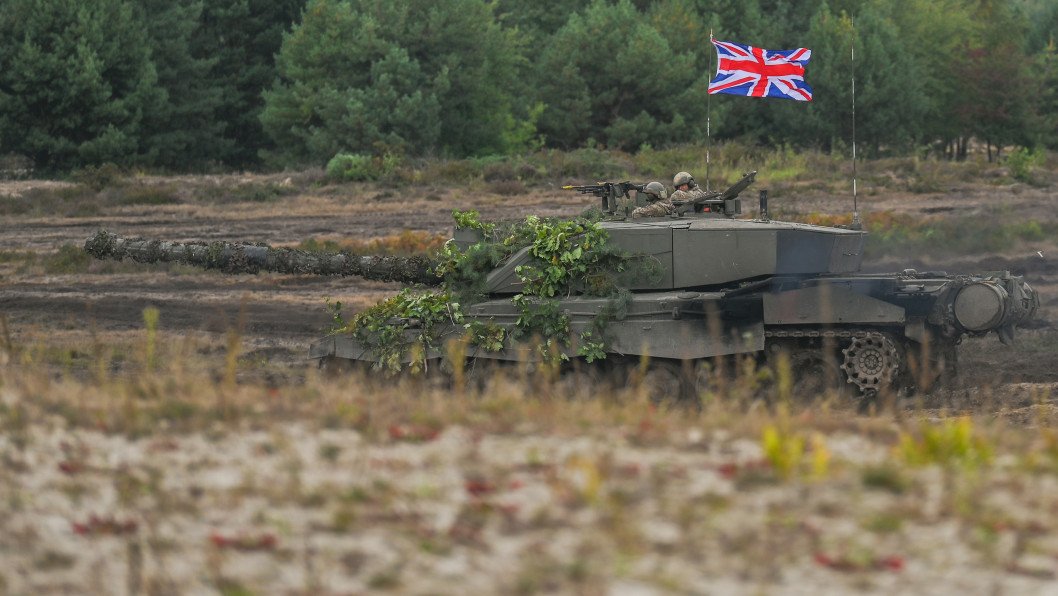
High risk, any reward?
India has evaluated the T-14 periodically since 2015, first under the Future Ready Combat Vehicle (FRCV) initiative and more recently in the context of rising tensions with China and Pakistan.
Army Recognition notes that the need to replace over 1,500 aging T-72 tanks has reignited interest in a modular, next-gen design like the Armata, especially if it can be adapted for high-altitude warfare in places like Ladakh and Arunachal Pradesh.
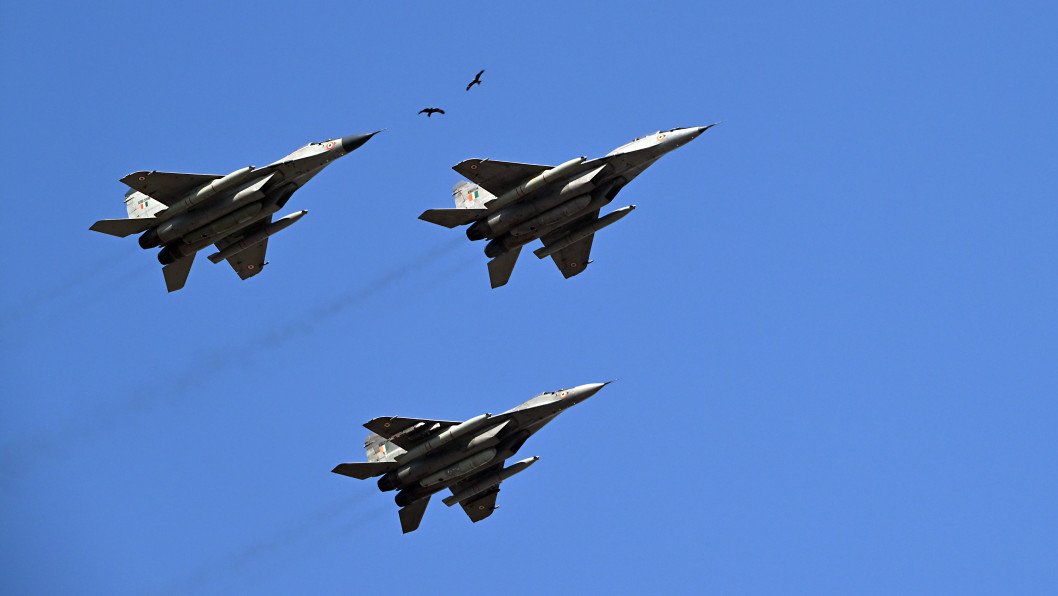
India’s DATRAN-1500HP engine, along with other domestically developed fire control systems and armor, may help overcome some of the T-14’s notorious flaws.
However, past joint projects—such as efforts to indigenize 125mm ammunition or integrate Arjun components—show how technically and politically complex such collaborations can be.
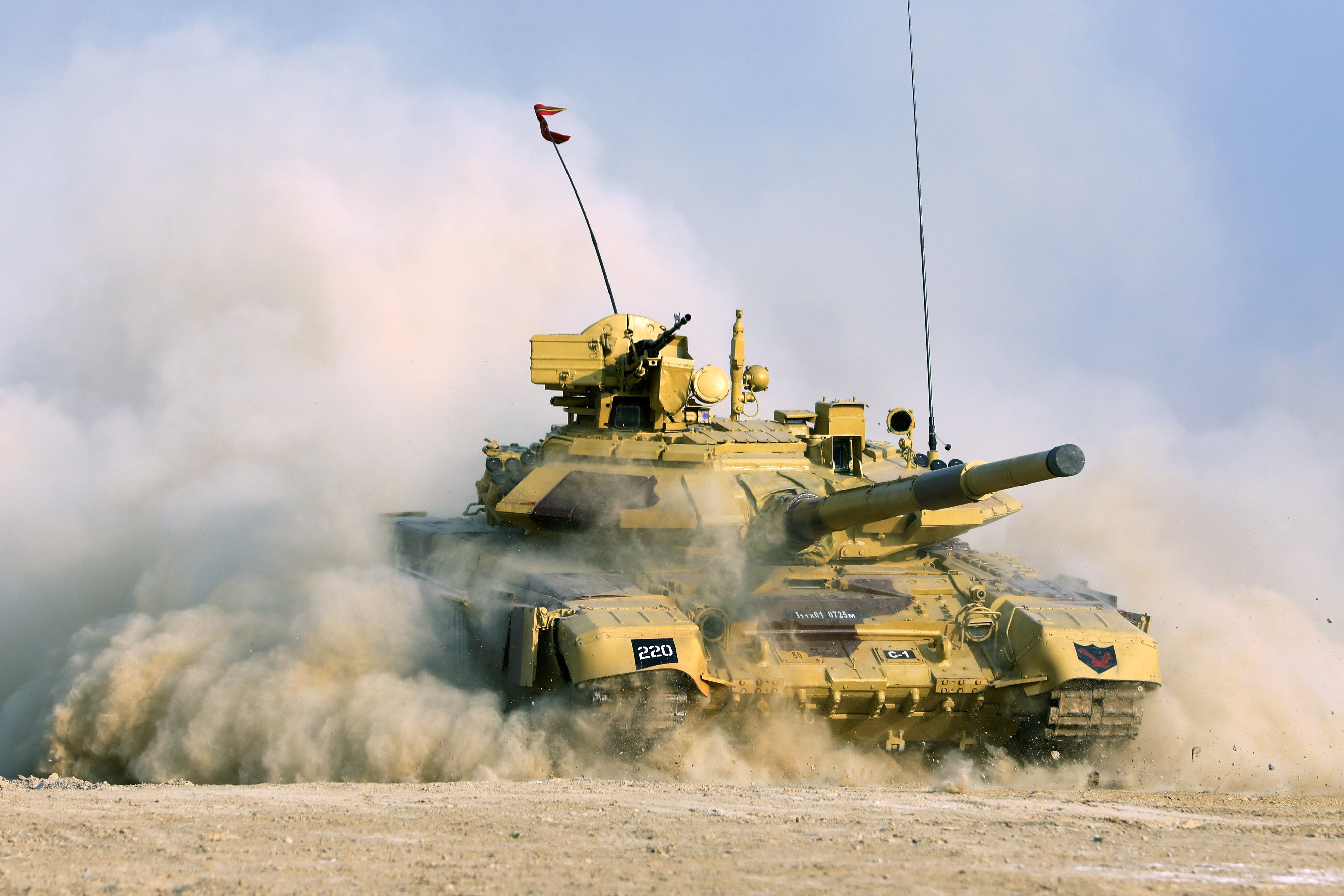
India’s experience with the Russian T-90 Bhishma, which is now over 80% locally produced, is seen as a potential model. Russia has promised even deeper localization for the T-14, including Indian-built electronics and fire control systems.
Will the US push back?
If New Delhi proceeds with the deal, geopolitical consequences are almost guaranteed. The United States has repeatedly warned that major defense procurements from Russia could trigger sanctions under the Countering America’s Adversaries Through Sanctions Act (CAATSA).
President Donald Trump even threatened retaliatory tariffs in response to India’s energy and arms ties with Moscow.
The CEO of the Russian Rostec corporation, Sergey Chemezov, has said that the T-14 Armata analog tank proved to be too expensive for the Russian war against Ukraine. It will not appear at the front.
— Anton Gerashchenko (@Gerashchenko_en) March 4, 2024
"Armata, actually, is a bit expensive. In terms of its functionality, it is, of… pic.twitter.com/ccTATwt7Rn
Despite recent efforts to deepen US-India defense ties—particularly in the Indo-Pacific—Washington remains wary of India’s reliance on Russian platforms. While the T-14 program would involve heavy Indian customization, its Russian origin could still put it under CAATSA’s microscope.
The offer arrives as Russia actively courts Indian participation in other high-stakes defense projects as well, including:
co-development of the Su-57E fifth-generation fighter;
local production of the Amur-1650 submarine;
licensed manufacturing of the Pantsir-S1;
potential collaboration on the S-500 Prometey air defense system.
But the T-14 Armata is arguably the most high-profile—and high-risk—of them all.
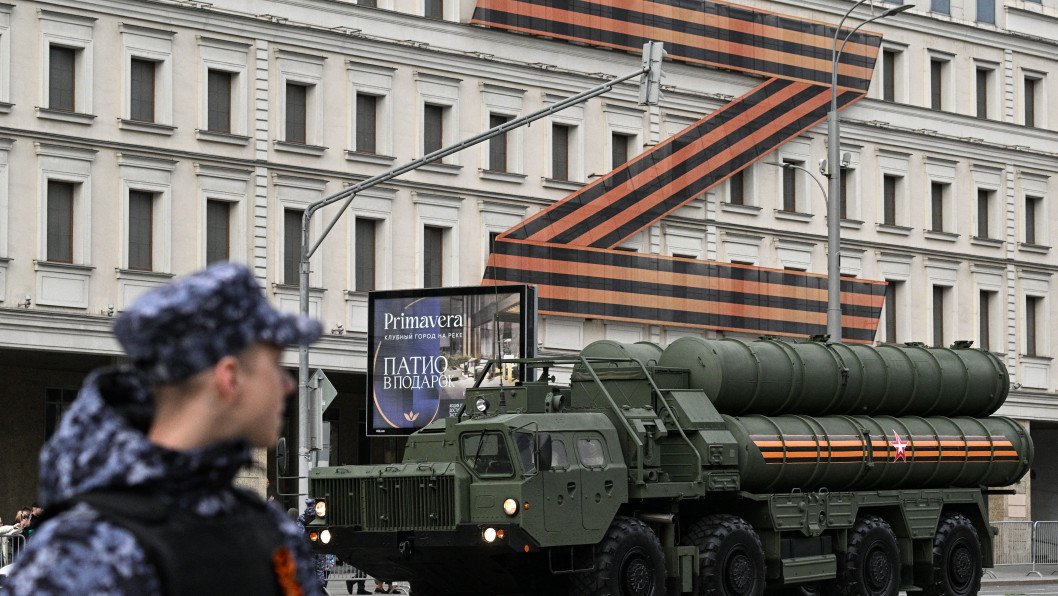
Earlier, Russia expanded its fighter jet offer to India, bundling the Su-35M alongside the fifth-generation Su-57E in a dual-package proposal aimed at securing a long-term contract with the Indian Air Force.
According to sources familiar with the negotiations, the proposal put forward by Russian defense conglomerate Rostec and aircraft manufacturer Sukhoi includes immediate delivery of Su-35M jets while India prepares to begin local production of the Su-57E.
Discuss this article:

-c439b7bd9030ecf9d5a4287dc361ba31.jpg "Photo of Katherina Popilnichenko")