- Category
- Latest news
With Few Buyers Left, Russia Courts India to Sell Aging BMP-3 and Sprut-SD Vehicles
 Prefer U24 Media on Google
- Authors


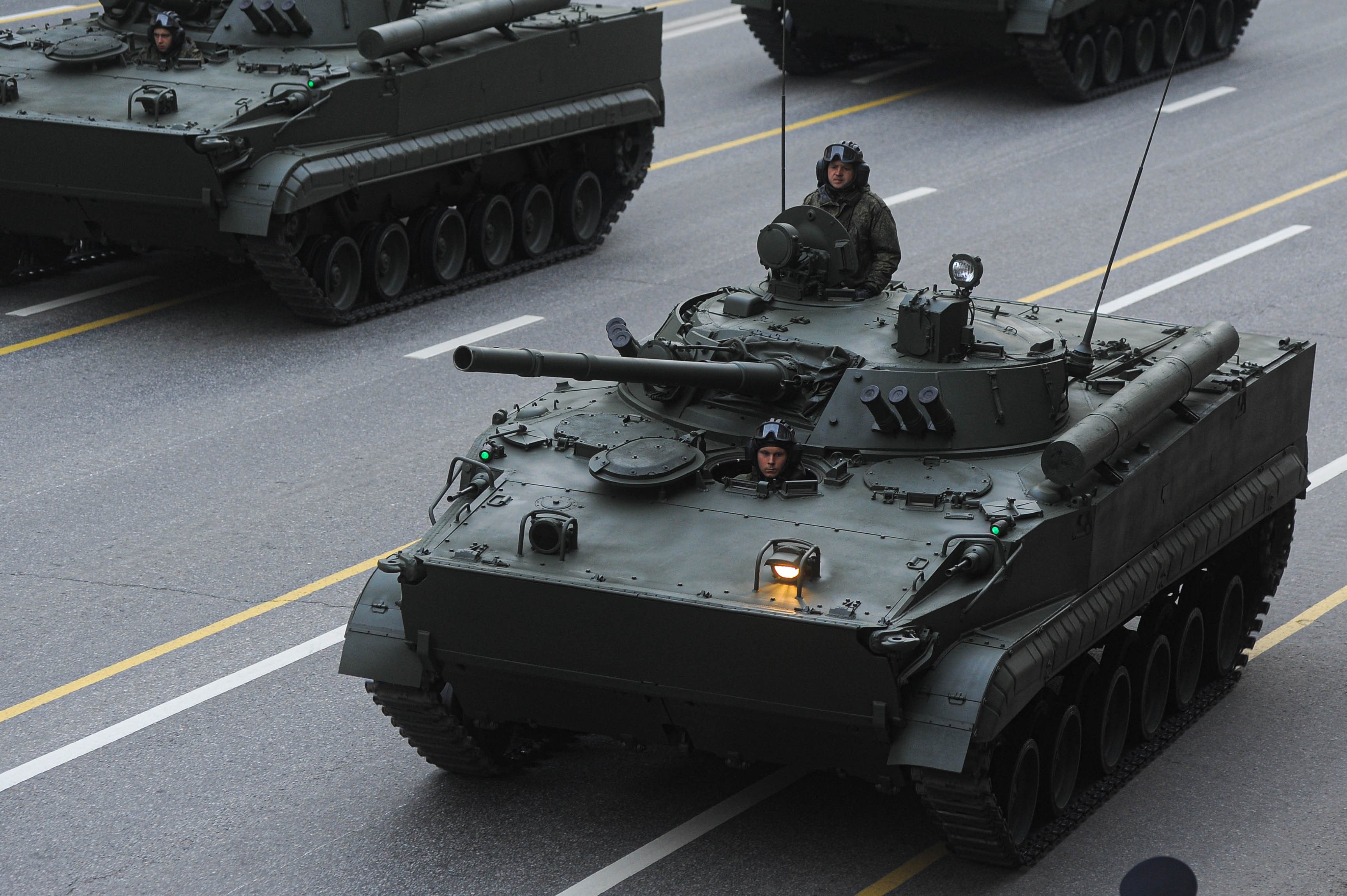
Russia is reportedly attempting to market its BMP-3 infantry fighting vehicle and Sprut-SD self-propelled gun to India, as Moscow faces shrinking export prospects due to India’s growing defense production capacity, Defense Express reported on October 22.
According to Defense Express, the initiative reflects Russia’s effort to “catch the last train” in the Indian defense market, where local manufacturers are increasingly capable of producing advanced systems domestically.
The proposal includes both the BMP-3—advertised in a modified version based on battlefield lessons from Ukraine—and the Sprut-SD light tank.
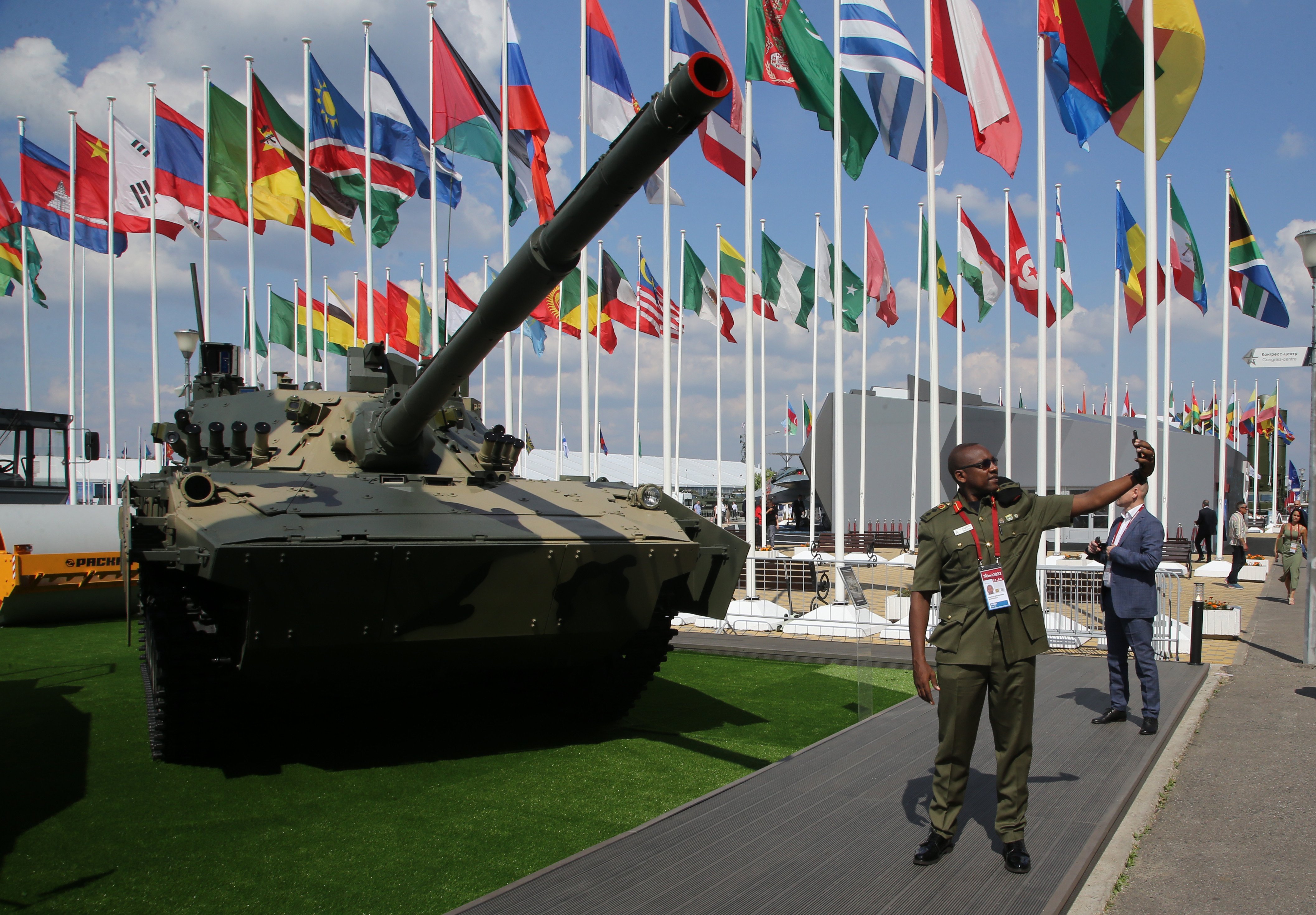
The upgraded BMP-3 variant is said to feature a modernized fire control system with a multispectral sight, an improved engine and suspension, and enhanced protection such as dynamic armor, fuel tank self-sealing, and anti-cumulative grids.
However, the outlet noted that Russia has so far produced only a handful of such vehicles, with no evidence of serial manufacturing.
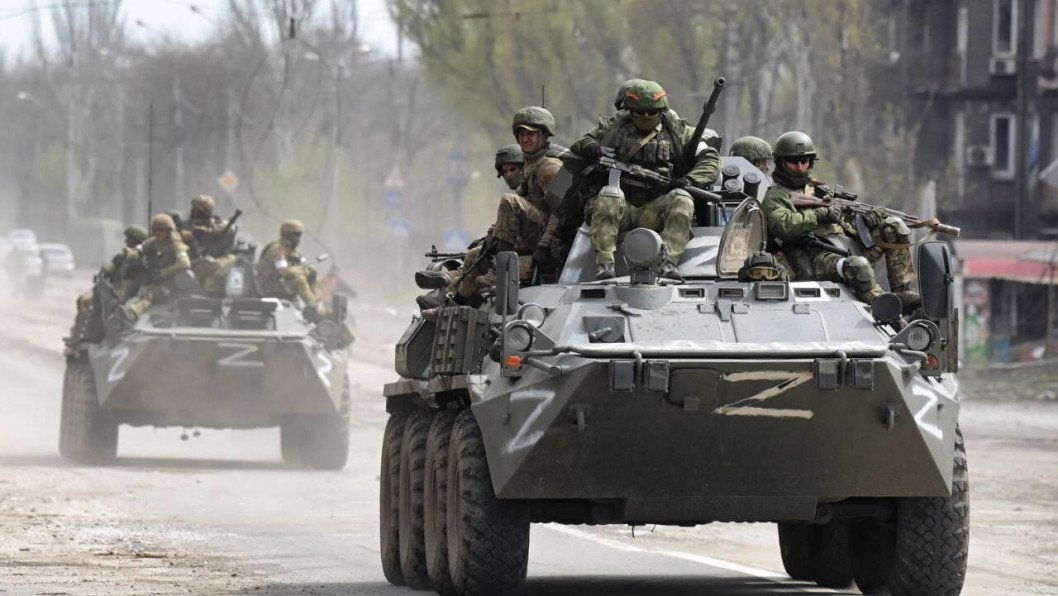
Combat performance of the BMP-3 during the war in Ukraine has been mixed. While its firepower surpasses older models, its design flaws—particularly the vulnerable ammunition layout and limited troop space—have undermined its effectiveness. The platform has also proven highly susceptible to FPV drone strikes.
Meanwhile, the Sprut-SD faces even greater challenges. The light amphibious tank, equipped with a 125 mm gun but limited armor protection, was previously rejected by India in favor of its domestically developed Zorawar light tank.
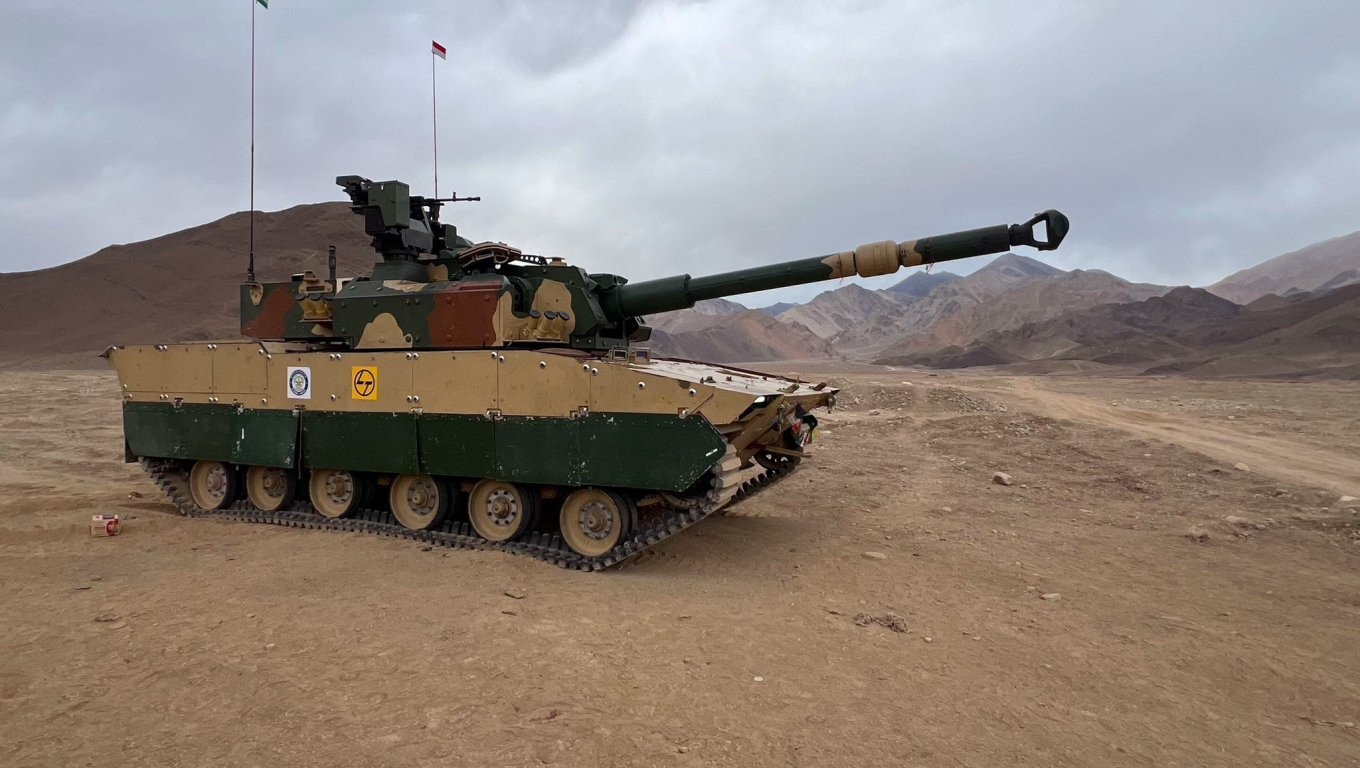
Defense Express noted that despite reports of renewed talks involving the Indian company ANVL, the Russian vehicle remains a questionable choice for India’s mountainous terrain due to its vulnerability and outdated design.
Russia’s attempt to revive interest in both vehicles comes as India accelerates its own armored vehicle programs to replace aging BMP-1 and BMP-2 fleets.
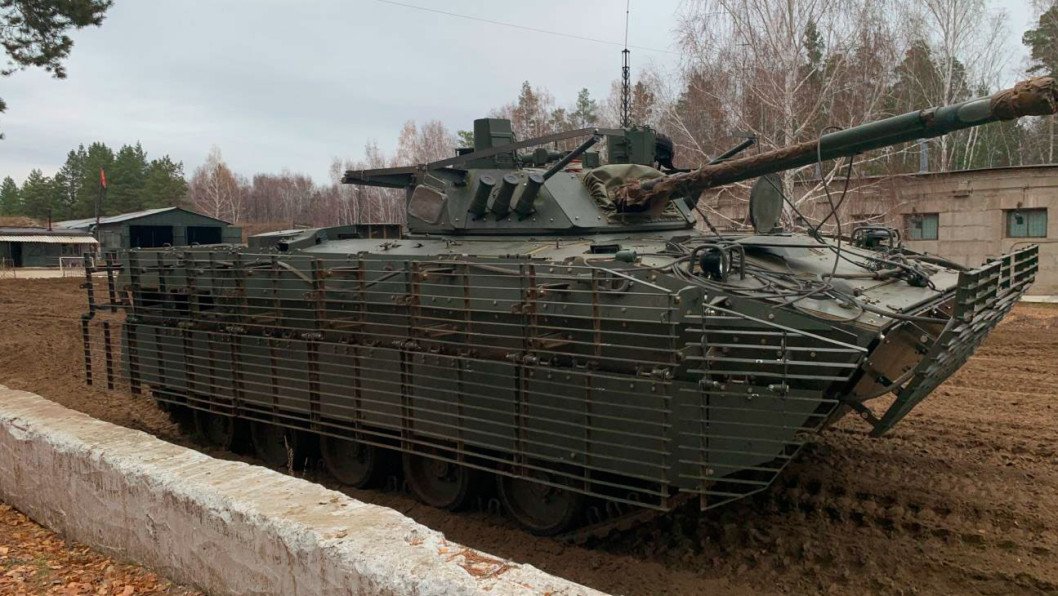
New contracts increasingly emphasize technology transfer and local assembly—conditions that Russia may find difficult to meet given its strained defense production capacity and sanctions-related constraints.
Earlier, The Times of India reported that India is set to approve a $1.2 billion deal with Russia for additional missiles for its S‑400 air defense systems, despite delays in previous deliveries caused by the war in Ukraine.
Discuss this article: