- Category
- Latest news
Russia Vanishes From Asia’s Biggest Airshows as Its Arms Export Industry Shrinks
 Prefer U24 Media on Google
- Authors


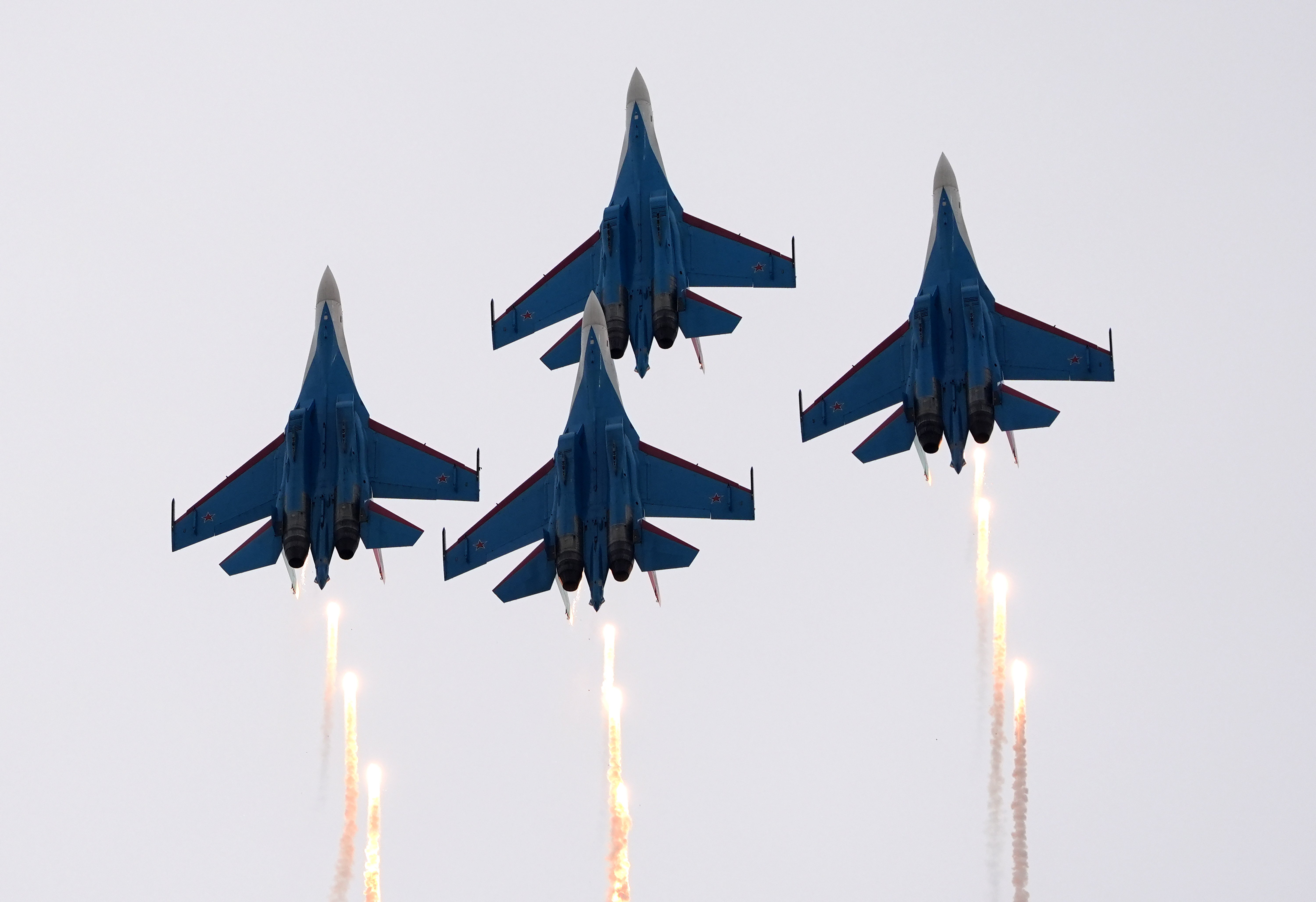
Russian defense manufacturers have effectively disappeared from Asia’s most prominent aerospace exhibitions, a shift analysts say underscores the rapid contraction and growing concentration of Moscow’s arms-export industry amid the war in Ukraine, according to Defense News on February 4.
For the second year in a row, Russian companies were absent from the Singapore Airshow—the largest aerospace exhibition in Asia—which runs from February 3 to February 8.
We bring you stories from the ground. Your support keeps our team in the field.
The no-show marks a stark contrast with previous years, when Moscow maintained a visible presence at the event. At the 2020 edition, Russia organized joint exhibition pavilions for major state defense firms, including Russian Helicopters and United Aircraft Corporation, and showcased multiple aircraft platforms with the participation of senior officials.
“What we are seeing is not a strategic pivot away from Asia, but a forced reallocation under severe structural constraints,” said Francesco Schiavi, a research fellow at the Middle East Institute Switzerland. “Russia’s absence from these key shows reflects the shrinking, regionalized, and increasingly concentrated nature of its arms-export profile—trends that have been sharply accelerated by the war in Ukraine.”
-3aed29944c85ef24f42784c3821fdca4.png)
According to Defense News, Russia’s arms exports to Asia peaked between roughly 2005 and 2011, when it secured major defense contracts with India and China. But that market has narrowed significantly. According to the Stockholm International Peace Research Institute, China accounted for about 60% of Russia’s deliveries of major weapons in 2025, highlighting the growing dependence on a small number of buyers.
A reminder of that earlier era was visible at this year’s Singapore Airshow, where the Malaysian Air Force flew upgraded Sukhoi Su-30MKM fighter jets during an aerial demonstration—aircraft originally sourced from Russia.
While Moscow’s footprint in Asia has faded, Russian defense officials continue to pursue limited engagement elsewhere. A Russian delegation led by Security Council Secretary Sergei Shoigu traveled to Myanmar this week to sign a new military cooperation agreement.
Over the past year, Russian arms producers have increasingly focused on the Middle East, particularly the Gulf states. That shift was evident at the IDEX and NAVDEX defense exhibitions in Abu Dhabi in February 2025, where more than a dozen Russian exhibitors promoted upgraded and “combat-tested” weapon systems.
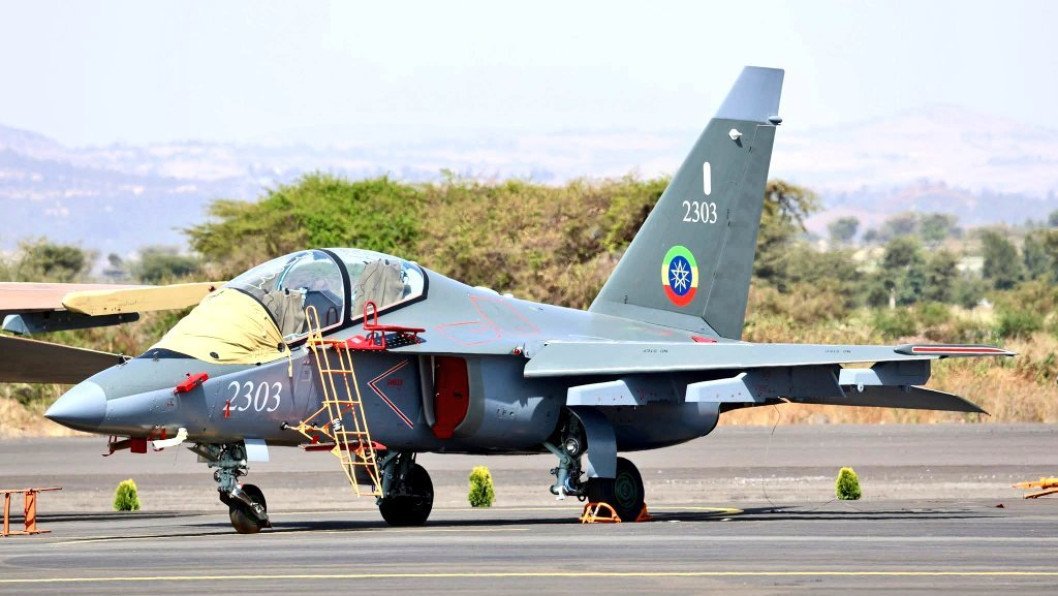
Schiavi described Moscow’s outreach to the Middle East and Africa as “selective and compensatory,” pointing to Algeria’s reported purchase of Su-57 fighter jets and ongoing defense ties with Mali, eastern Libya, and Ethiopia.
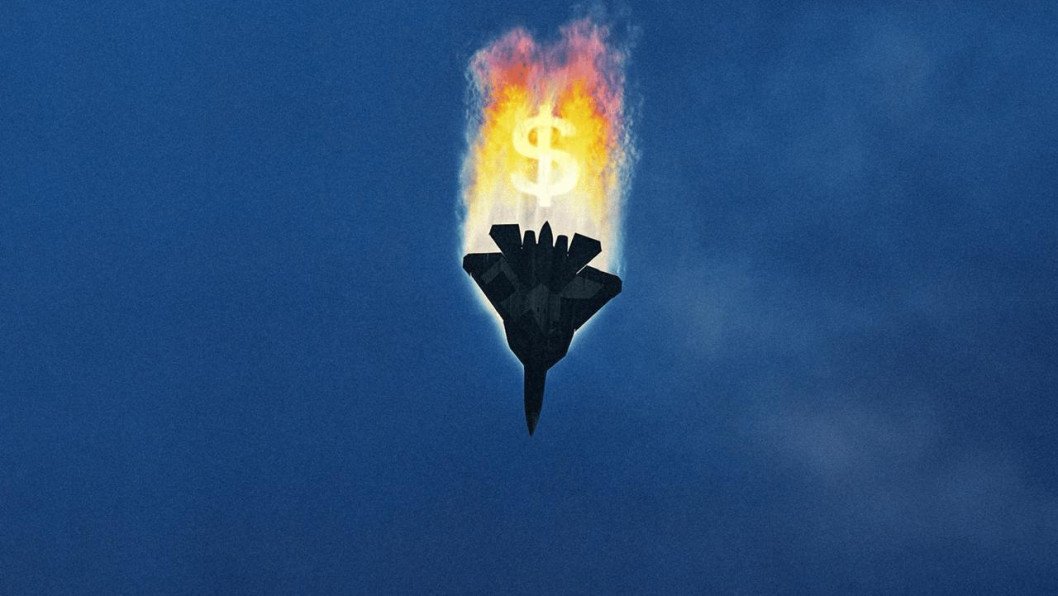
Russian officials maintain that arms exports remain lucrative. Russian leader Vladimir Putin recently claimed the defense industry generated more than $15 billion in export revenue last year.
Western analysts, however, have questioned that figure, noting that Moscow has not released official defense export data since February 2022, making independent verification difficult.
Earlier, Russia unveiled several new versions of its Lightning (also known as Molniya) drone series that it intends to market abroad as civilian systems, despite their clear military origins and extensive use in the war against Ukraine.
Discuss this article:

-111f0e5095e02c02446ffed57bfb0ab1.jpeg "Photo of Roman Kohanets")

-72b63a4e0c8c475ad81fe3eed3f63729.jpeg "Photo of Cyril Barabaltchouk")
-c439b7bd9030ecf9d5a4287dc361ba31.jpg "Photo of Katherina Popilnichenko")