- Category
- Latest news
Russia Rebrands Combat Drones as “Civilian” Tech to Push Exports Abroad
 Prefer U24 Media on Google
- Authors


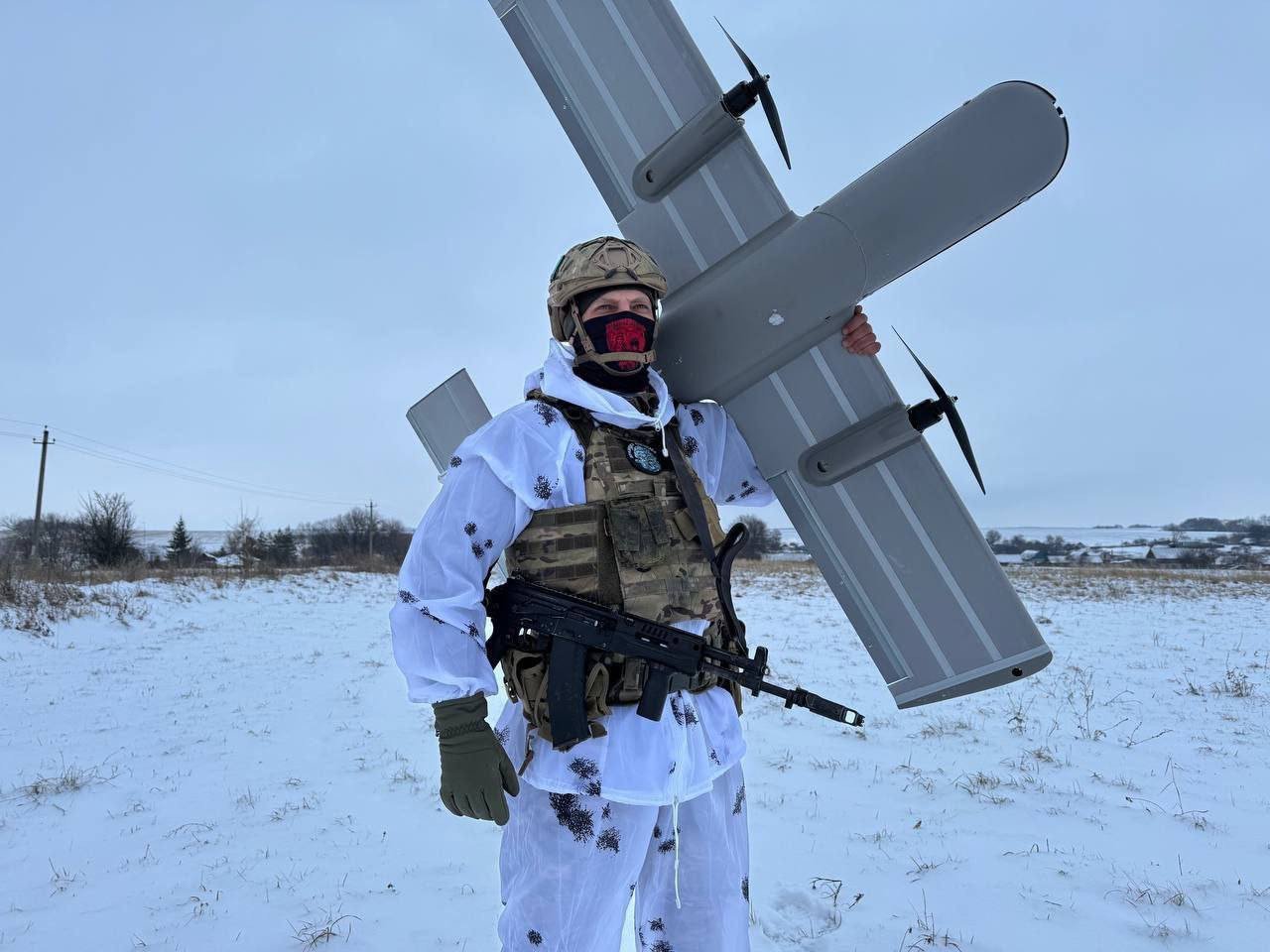
Russia has unveiled several new versions of its Lightning (also known as Molniya) drone series that it intends to market abroad as civilian systems, despite their clear military origins and extensive use in the war against Ukraine, Ukrainain defense outlet Defense Express reported on January 23.
At the UMEX 2026 defense exhibition in the United Arab Emirates, Russian manufacturers showcased three variants of the Lightning family—Lightning 2, Lightning P, and Lightning R—all formally described as non-military platforms intended for tasks such as medical supply delivery, training, and monitoring.
We bring you stories from the ground. Your support keeps our team in the field.
The English-language branding itself signals an export push. All three models are based on the Lightning-2 platform, a twin-engine drone already known for its battlefield use.
According to published specifications, the Lightning 2 variant is designed to carry payloads of up to six kilograms over distances of roughly 50 kilometers. Its declared uses include delivering medical supplies to hard-to-reach areas, training drone operators, and monitoring emergencies.
In practice, however, the platform is well-suited for combat roles. Based on Russia’s own operational experience, the drone can be adapted to carry explosive warheads, FPV drones, satellite-communication antennas, logistical supplies for frontline units, or even fiber-optic spools—capabilities that significantly expand its military utility.
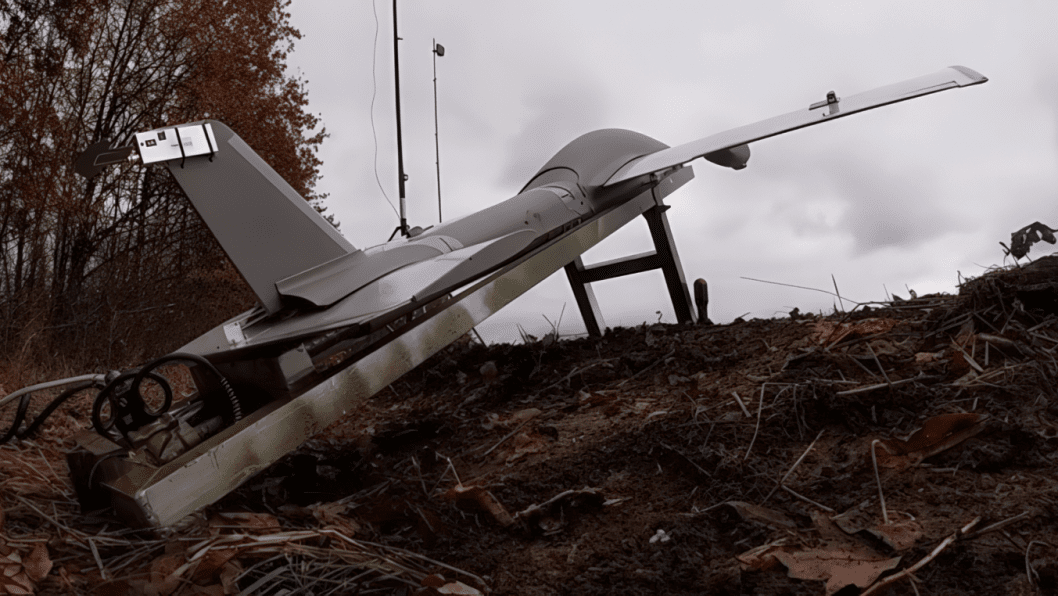
The Lightning P is presented as the fastest model in the lineup, with a claimed top speed of up to 270 km/h. Officially, it is marketed for rapid terrain monitoring. Images from the exhibition suggest a reduced wing area, which limits payload capacity but enables higher speed.
That performance profile has led analysts to consider its potential use as an interceptor drone, Defense Express noted. While there is no confirmed evidence of the Lightning series being used in that role, Russia’s ongoing experimentation with low-cost, mass-produced drones makes such applications plausible.
The system’s appeal is amplified by its low production cost, established large-scale manufacturing, and shared components across variants—features that simplify both production and maintenance.
-20460f7dc010cac3bd7f7c38f9be0a0a.jpg)
The third model, Lightning R, is clearly positioned as a reconnaissance platform. Unlike the other variants, it is equipped with a stabilized gimbal carrying high-resolution daylight and thermal cameras with 30× optical zoom, enabling long-range surveillance and target observation.
Presenting these drones as civilian or emergency-response systems allows Russia to widen its potential customer base, including countries wary of purchasing overt military hardware due to political pressure, sanctions, or reputational risk.
Under this approach, drones exported as ostensibly civilian platforms could later be fitted locally with combat payloads or specialized military equipment.
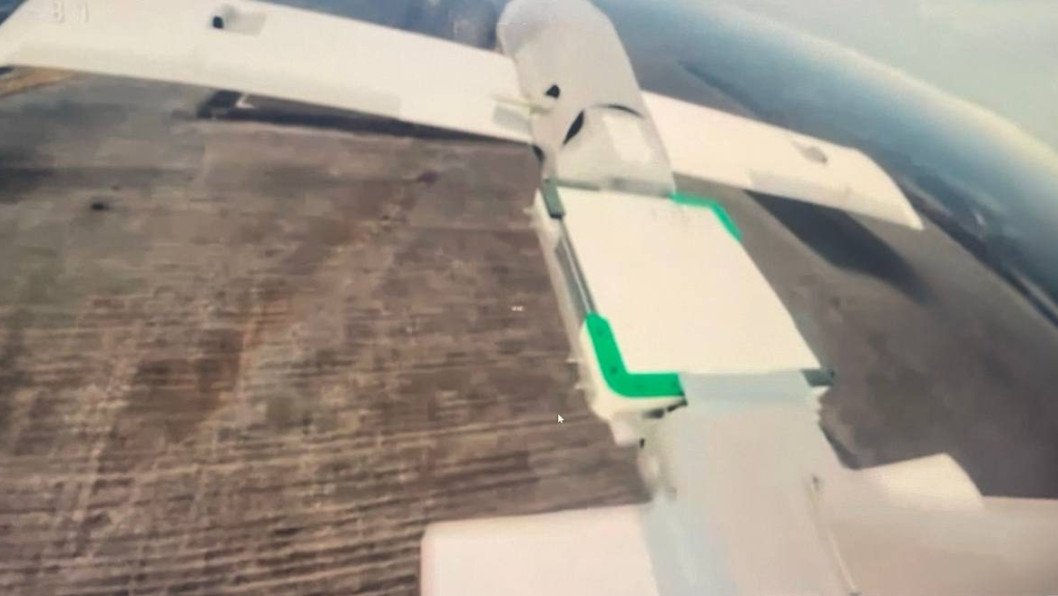
Given the Lightning series’ relatively simple and modular design, such conversions would require minimal technical effort.
The strategy underscores how Russia is seeking to leverage battlefield-tested drone technology while sidestepping formal arms-export restrictions—blurring the line between civilian use and military application in the global drone market.
Earlier, Russia attacked the city of Kharkiv with two FPV drones delivered by a “Molniya”-type unmanned aerial vehicle.
Discuss this article:
-4a56a6b482ec132402c16ef6fcabf9a2.png)


-72b63a4e0c8c475ad81fe3eed3f63729.jpeg "Photo of Cyril Barabaltchouk")
-9cfe2bcfa487b9f4303387da905e45b0.jpeg "Alexey Korolev, a Russian ex-convict accused of killing six fellow servicemen, including a former FSB specialist, near Kupiansk in October 2025. (Source: The Insider)")