- Category
- Latest news
Russian Molniya Drones Add Machine-Vision Tracking, Boosting Range and Overcoming Signal Loss
 Prefer U24 Media on Google
- Authors

-111f0e5095e02c02446ffed57bfb0ab1.jpeg "Photo of Roman Kohanets")
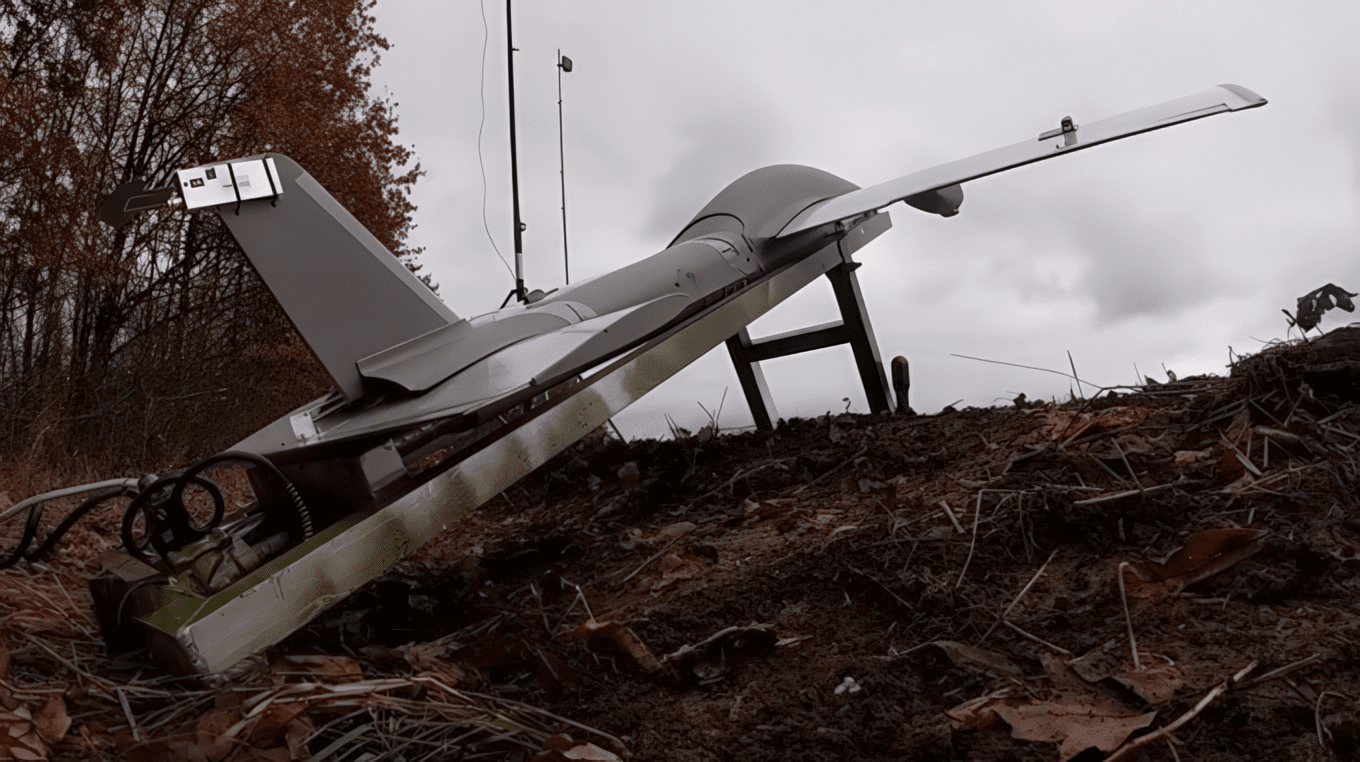
Russia is equipping additional classes of unmanned aerial vehicles with machine-vision systems that enable automatic target lock-on and guidance, according to Ukrainian electronic warfare specialist Serhii “Flash” Beskrestnov.
He said intercepted footage shows the capability operating on fixed-wing strike drones such as the “Molniya” platform. This was reported by Defense Express on October 27.
“Such systems for FPV are no longer news, but guiding a cruise UAV in wind conditions is quite difficult,” Beskrestnov noted, adding: “This is done mainly to strike distant targets at moments when radio-communication near the ground disappears.” He said the adversary is working to increase both the accuracy and range of UAV strikes of the Molniya type.
UNIAN reported the same assessment, quoting Beskrestnov’s warning that the enemy is “improving its technologies” and highlighting an auto-lock system and machine-vision guidance seen on a Russian UAV intercept video. The outlet added that while such tools appeared on FPV drones in early 2024, their integration on aircraft-type drones marks a broader threat evolution.
Defense Express similarly concluded that Russia has begun fitting machine-vision packages to Molniya-style drones, a move intended to preserve guidance during radio-link loss at low altitude and extend effective strike ranges. The publication cited Beskrestnov’s social-media post and noted prior reports of a fiber-optic modification for Molniya to counter electronic warfare.
Earlier, it was reported that Russian forces used a “Molniya”-type UAV as a carrier to launch FPV strike drones against Kharkiv, showing the platform’s role as a mother-drone for delivering smaller attack drones.
Discuss this article:

-c439b7bd9030ecf9d5a4287dc361ba31.jpg "Photo of Katherina Popilnichenko")