- Category
- Latest news
Ukraine Clones Russia’s Low-Cost “Molniya” Drone—Now Even Cheaper and Deadlier
 Prefer U24 Media on Google
- Authors


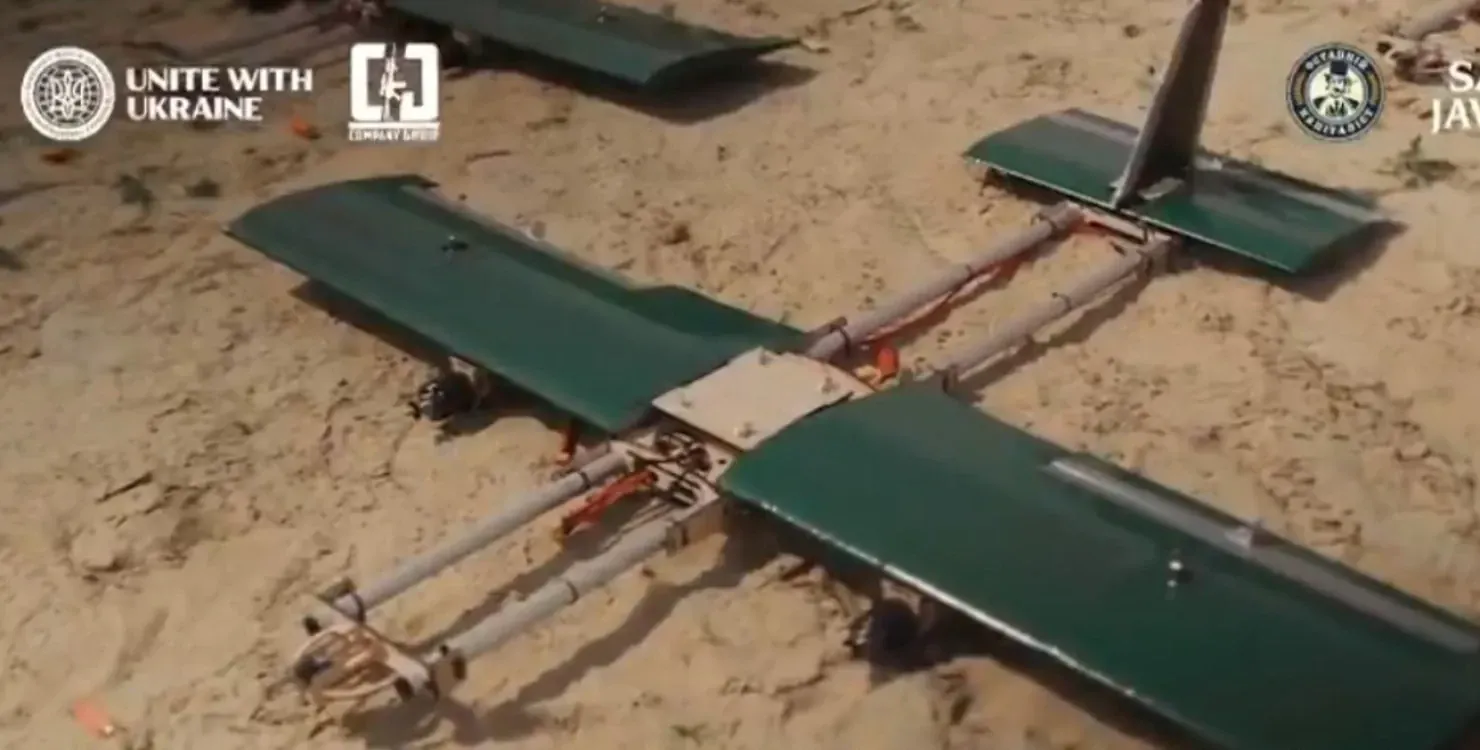
Ukrainian engineers have reverse-engineered the Russian “Molniya ” loitering munition to produce their own version, now named “Blyskavka .”
The development was announced on August 5 by the volunteer group “Ostanniy Kapitalist,” which is currently raising funds to produce and deploy the new drones.
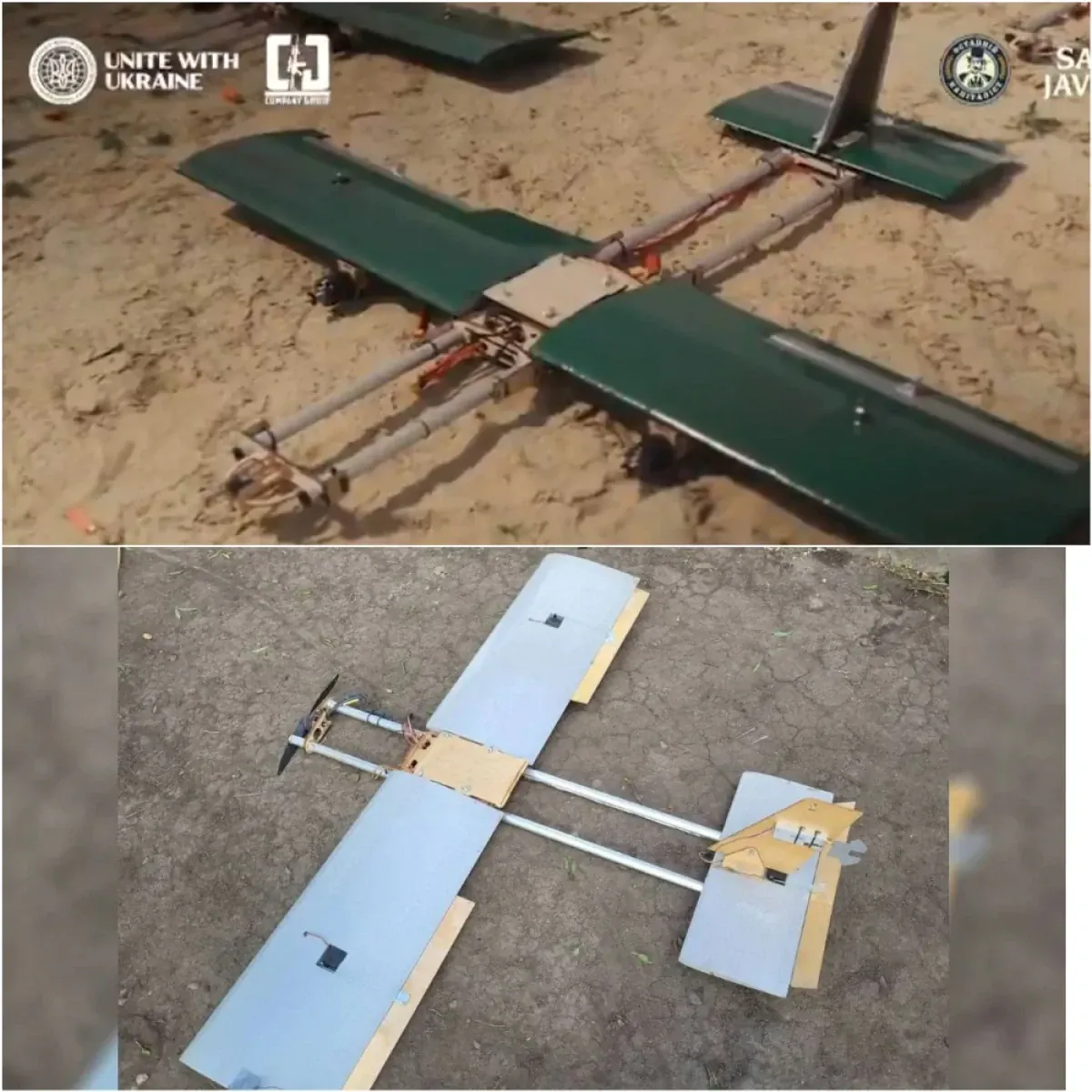
The “Blyskavka” replicates the design and aerodynamic layout of the original Russian model. Constructed using a wooden center section and dual longitudinal tubes in place of a traditional fuselage, the drone features a front-mounted electric motor and a battery positioned directly above the airframe. The wings and tail unit are made of wood with polymer coating.
According to technical specifications shared by developers, the Blyskavka has a maximum range of 40 kilometers, can reach altitudes of up to 2,000 meters, and carries a payload of up to 8 kilograms.
The drone supports both remote and autonomous operation, and is equipped with an onboard camera system. It can be configured to carry different types of munitions, including cumulative charges for armored targets and fragmentation warheads for infantry or unprotected infrastructure.
The platform is described as a cost-effective solution for Ukrainian forces. A fundraising campaign aims to secure $300,000 for the production of 350 drones, indicating a per-unit cost of approximately $857. This likely includes launch systems and control modules.
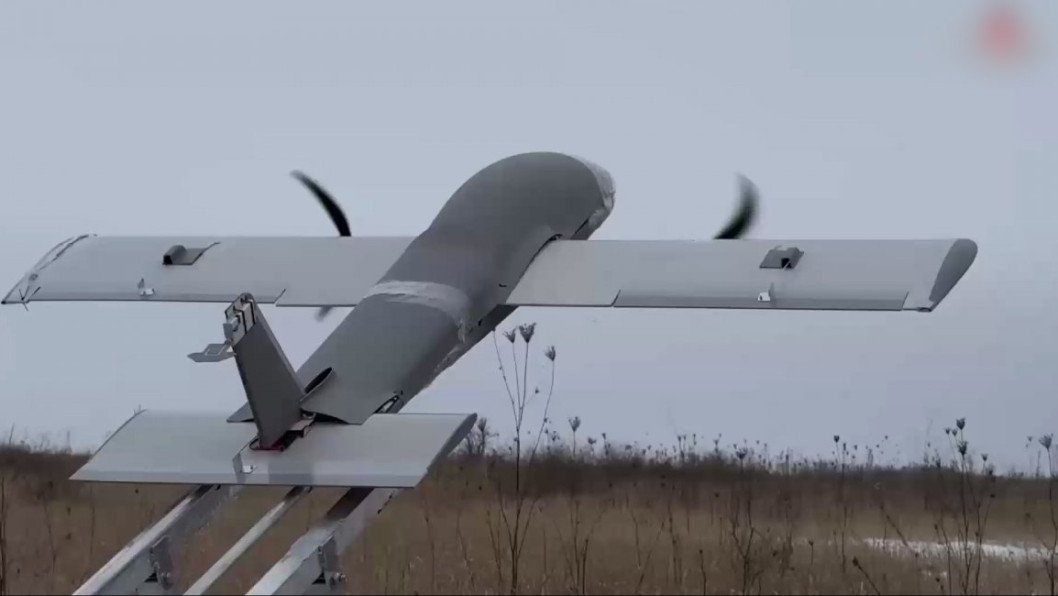
A comparison with Russia’s Molniya-1 suggests similar capabilities. The original Russian drone had a range of 30–35 kilometers and carried a payload of up to 7 kilograms. Like its counterpart, the Ukrainian version is designed to strike both stationary and mobile targets on land and potentially at sea.
“Blyskavka” joins a growing portfolio of low-cost strike UAVs being developed domestically to meet operational needs on the frontlines.
Earlier, Ukrainian drone maker Skyeton integrated an ELINT module into its Raybird-3 UAV, allowing it to detect Russian radars and air defenses from up to 70 km away. Developed with Denmark’s Quadsat, the drone now supports SEAD missions and electronic warfare detection, offering a low-risk alternative to crewed reconnaissance aircraft.
Discuss this article:



-c439b7bd9030ecf9d5a4287dc361ba31.jpg "Photo of Katherina Popilnichenko")