- Category
- Latest news
Russia’s War Drones Still Using Starlink Despite Pentagon Crackdown
 Prefer U24 Media on Google
- Authors


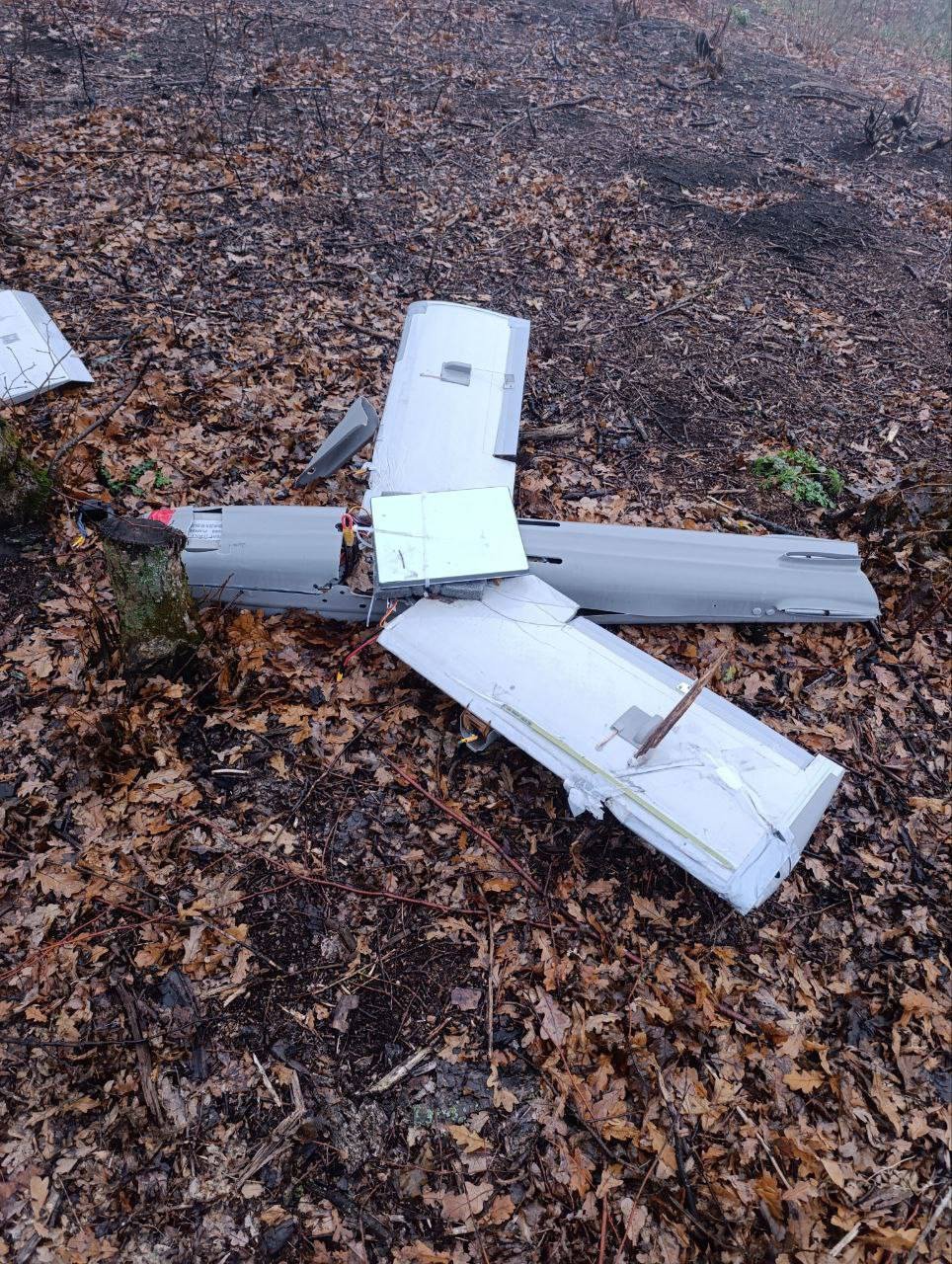
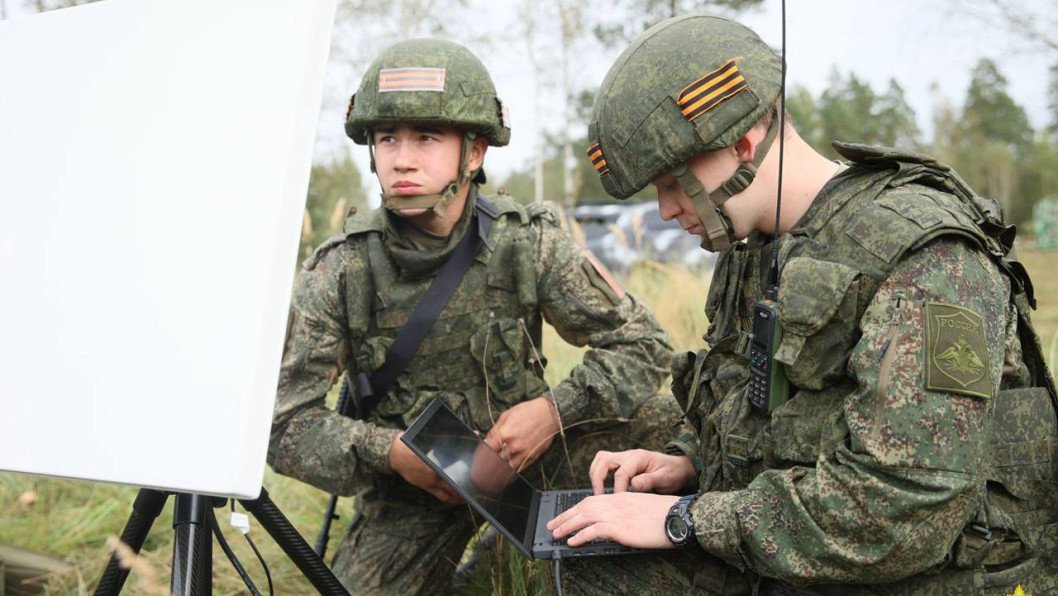
Russia is still equipping its military drones with Starlink satellite terminals despite previous US commitments to cut off such unauthorized use.
According to Defense Express on November 30, imagery has emerged showing what appears to be a Russian “Molniya”-type drone fitted with a mini-Starlink unit, reportedly observed near the Pokrovsk sector in eastern Ukraine.
The configuration—an off-the-shelf satellite internet terminal strapped to a drone—suggests improvised but functional integration, consistent with past sightings. The drone’s design and power unit indicate it is of Russian origin, likely a variation of the Molniya unmanned aerial vehicle, which is known for its low-cost, modular construction.
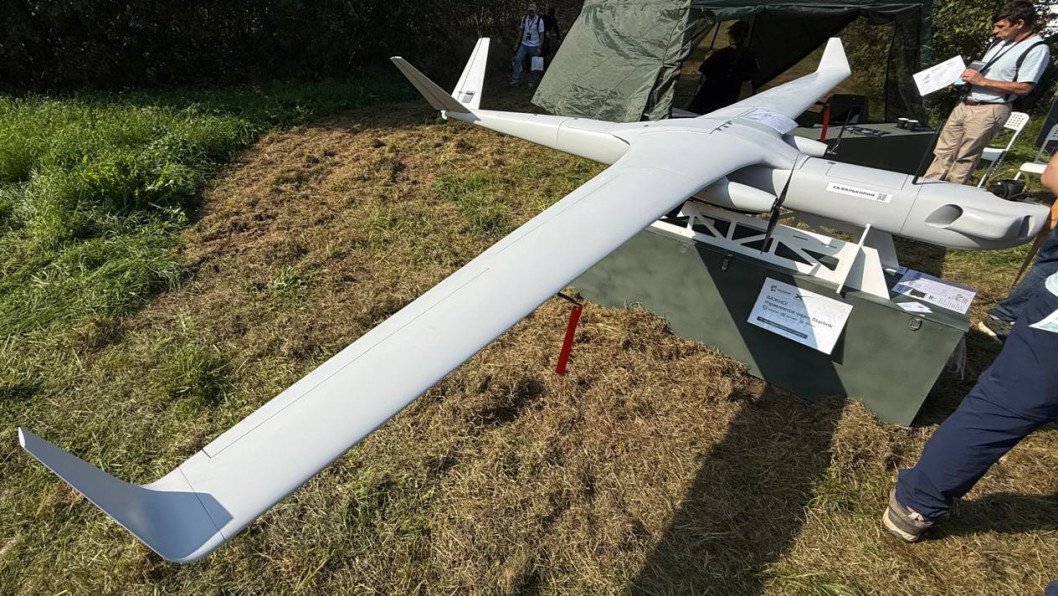
The use of Starlink terminals on Russian drones was first publicly reported in early 2024. Since then, Ukrainian forces have documented multiple instances of their use, including on Shahed-136 drones and larger UAVs such as the RD-8 “mothership” drone, which is reportedly capable of controlling other loitering munitions using satellite connectivity.
The main concern raised by Ukrainian defense observers is that Starlink-based control enables extended-range communications, allowing Russian drones to conduct reconnaissance or strike missions far from ground-based operators.
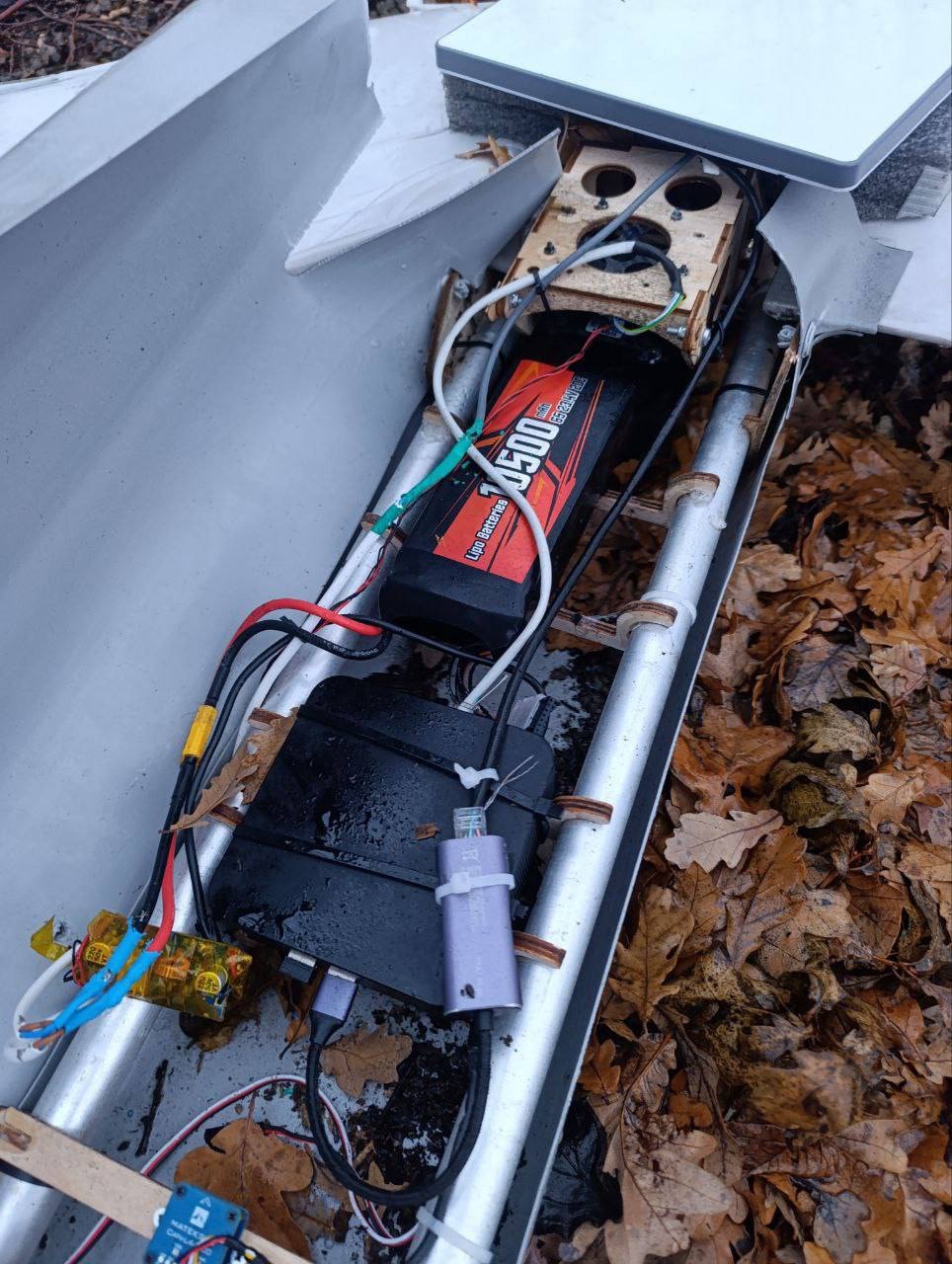
This capability could increase the effectiveness of so-called suicide drones by enabling mid-flight targeting updates and real-time control beyond radio line-of-sight.
In May 2024, the US Department of Defense stated it was working on a solution to prevent unauthorized use of Starlink systems by Russian forces. While details of the measures were not disclosed, one proposed approach was the implementation of a “whitelist” of approved terminal IDs for Ukraine and contested regions, effectively blocking all unregistered units.
By June 2024, the Pentagon reported that it had succeeded in disabling several hundred unauthorized Starlink terminals in Russian hands.
-829cae5d50d81c8c61e60320e54c5f0b.jpg)
However, as Defense Express notes, evidence suggests that the measure has not completely resolved the issue. Russian forces continue to acquire terminals via unofficial channels and incorporate them into their aerial platforms.
Ukraine has been exploring alternative European satellite providers in response, seeking more secure and controllable communications infrastructure for military operations.
No official response has yet been issued by SpaceX, the provider of the Starlink system, regarding these latest reports.
Earlier, The Washington Post reported that Russian forces were acquiring Starlink terminals through black‑market channels, using them to coordinate assaults and improve artillery accuracy.
Despite US sanctions, Russian units gained access to real‑time battlefield data via drones, and the gray market for terminals continued to expand.
Discuss this article:
-4a56a6b482ec132402c16ef6fcabf9a2.png)



-111f0e5095e02c02446ffed57bfb0ab1.jpeg "Photo of Roman Kohanets")

-72b63a4e0c8c475ad81fe3eed3f63729.jpeg "Photo of Cyril Barabaltchouk")