- Category
- World
G7 Leaders Agree to Escalate Sanctions on Russian Oil and Gas Exports
 Prefer U24 Media on Google
- Authors

-c439b7bd9030ecf9d5a4287dc361ba31.jpg "Photo of Katherina Popilnichenko")
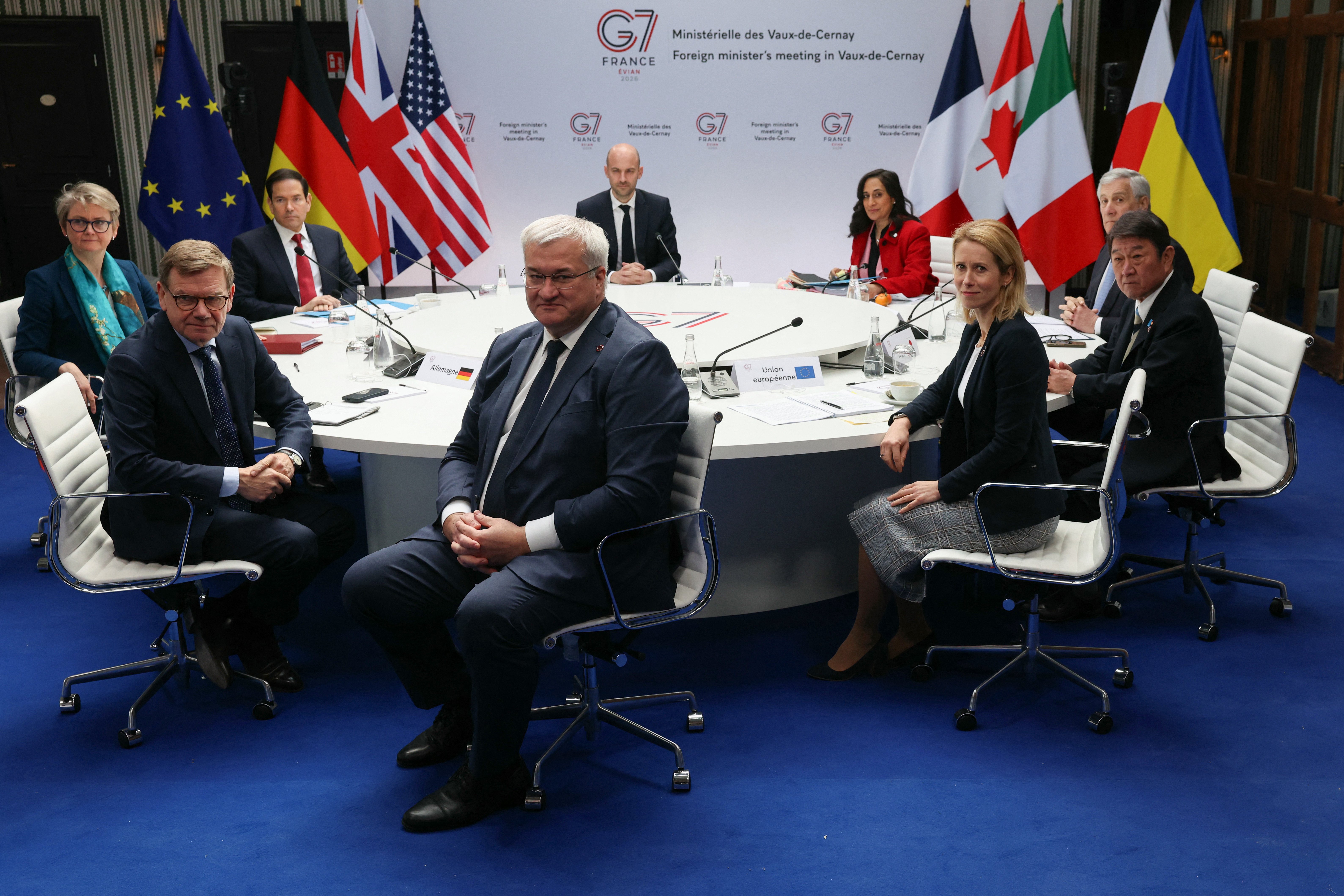
Leaders from the Group of Seven nations gathered at a summit in Évian, France, have reached a consensus to escalate economic pressure on Russia.
The agreement focuses on imposing new sanctions targeting Russian oil and gas exports, aimed at curtailing the funding Moscow uses for its military operations, according to Financial Times on June 16.
We bring you stories from the ground. Your support keeps our team in the field.
This decision was finalized following high-level discussions that included Ukrainian President Volodymyr Zelenskyy. A French diplomatic official confirmed the development, stating, “The leaders agreed to increase pressure on Russia, in particular through sanctions on oil and gas.”
The push for these measures was bolstered by shifts in the global energy market. The official noted that the recent establishment of a peace agreement between the United States and Iran helped lower global oil and gas prices, which simplified the process of building a consensus among G7 member states to target Russian energy exports.
Concurrent with the G7 proceedings, both the United Kingdom and Canada announced individual sanctions packages. These new measures are primarily aimed at disrupting the "shadow fleet" of oil tankers utilized by Russia to transport energy products despite existing international restrictions.
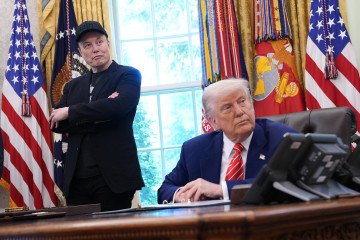
Additionally, US President Donald Trump, speaking on the sidelines of the summit, indicated a shift in his administration's approach.
He suggested that the US might not extend the existing exceptions to sanctions on Russian oil that had been previously granted to account for global price volatility linked to the war in Iran.
Earlier, EU foreign policy chief Kaja Kallas announced that EU naval forces operating in the Mediterranean have been granted the authority to board vessels suspected of being part of Russia’s shadow fleet.
The move falls under the framework of the European Union’s Mediterranean naval mission, Operation IRINI. Kallas said the mission has revised its rules of engagement, enabling participating forces to conduct inspections of ships.
“Then on the freedom of navigation or maritime security, as such, we will also discuss the Shadow Fleet. Our Operation IRINI has changed the rules of engagement and has now started to board the ships as well,” Kallas said.
Discuss this article: