- Category
- World
“Intentional Negligence”: Russian Nuclear Power Company Accused of Safety Violations
 Prefer U24 Media on Google
- Authors

-c439b7bd9030ecf9d5a4287dc361ba31.jpg "Photo of Katherina Popilnichenko")
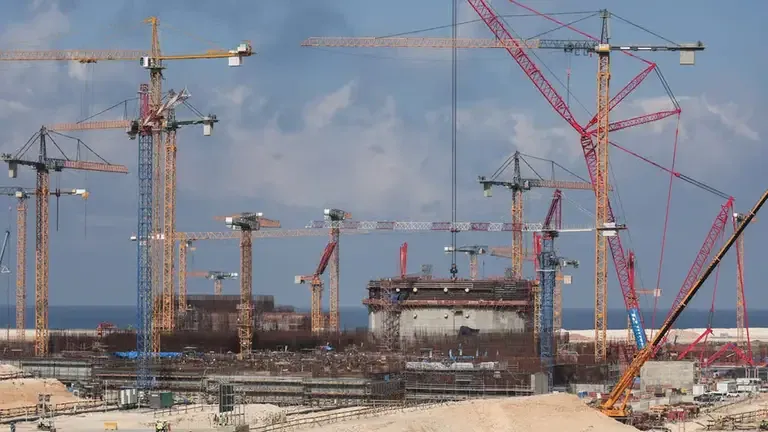
Russia's state-owned nuclear corporation Rosatom is facing allegations of safety breaches, security violations, and engineering failures at its El-Dabaa nuclear power plant project in Egypt, according to confidential documents obtained by Politico on August 17.
The Egyptian plant uses the exact same technology as the Paks II project that Rosatom is building in Hungary.
We bring you stories from the ground. Your support keeps our team in the field.
A confidential letter sent on June 4 to Rosatom's chief by the Nuclear Power Plants Authority of Egypt details physical defects across multiple reactor units and a breakdown in nuclear safety culture during construction.
The letter also highlights intentional negligence by a project official. Internal audit documents from 2025 indicate that the original construction schedule for the first reactor unit could be delayed by 18 months, shifting completion from September 2028 to March 2030.
The leaked materials were provided by an intelligence official speaking on condition of anonymity.
According to the documents, recurring defects in concrete have appeared at the site, including voids behind the metal liner on Unit 4, foundation slab issues on Units 1, 2, and 3 that required a year to repair, and structural wall defects on Unit 4.
The Egyptian authority accused Rosatom of deceptive practices and performing fake work to claim the plant was over half finished, despite visual inspections showing main reactor buildings remained underground.
The authority also cited workers consuming alcohol on site, using fake passes, and illegally sharing photos and videos of the site on social media.
In one instance, a worker who suffered a severe compound fracture was quietly moved in a private vehicle rather than an ambulance to conceal the incident.
Rosatom denied the claims, stating that it maintains the highest levels of nuclear safety throughout construction. The company noted that none of the allegations were verified through official contractual, technical, or supervisory procedures.
Rosatom declined to confirm whether it received the letter from Egyptian authorities, while the Egyptian authority did not respond to requests for comment.
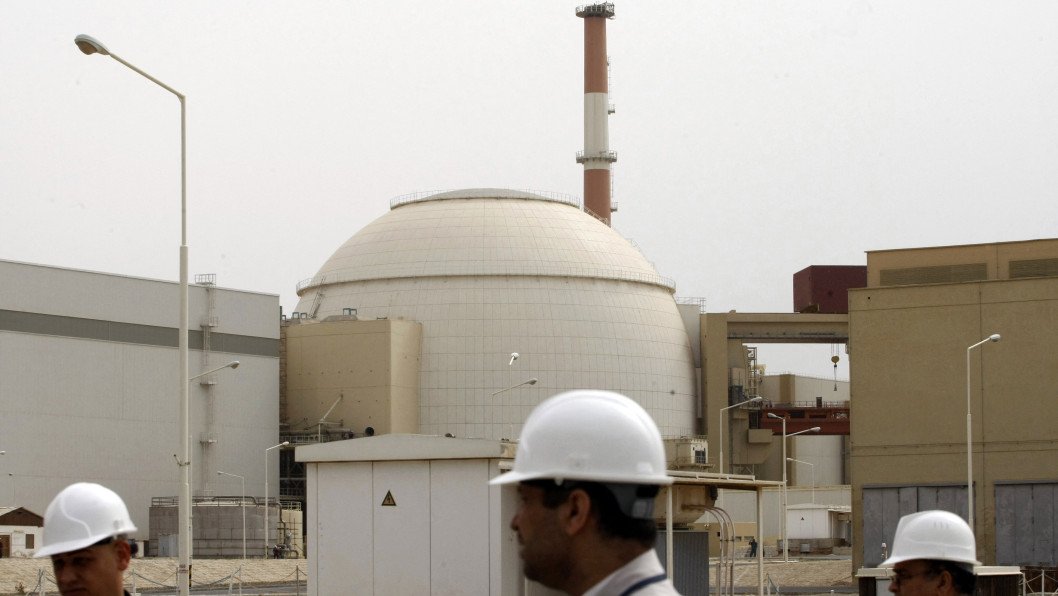
Previously, Hungarian Prime Minister Péter Magyar cast doubt on a landmark agreement with Russia’s state nuclear company Rosatom to expand Hungary’s nuclear power capacity.
The announcement came after weeks of extreme heat and drought pushed the Danube River to record low levels, severely impacting power generation and cutting output at Hungary’s existing Paks nuclear plant to little more than 10%.
Although Rosatom CEO Alexei Likhachev insisted that construction of two new reactors remained on schedule, Magyar pushed back, noting that the site consisted of little more than storage depots and two concrete pits despite billions spent, prompting his administration to initiate a comprehensive review of the $11.5 billion project's financing and cooling mechanisms.
Discuss this article:





-72b63a4e0c8c475ad81fe3eed3f63729.jpeg "Photo of Cyril Barabaltchouk")