- Category
- World
“Two Concrete Pits”: Hungary’s New Government Reviews $11.5B Russian Nuclear Expansion
 Prefer U24 Media on Google
- Authors

-72b63a4e0c8c475ad81fe3eed3f63729.jpeg "Photo of Cyril Barabaltchouk")
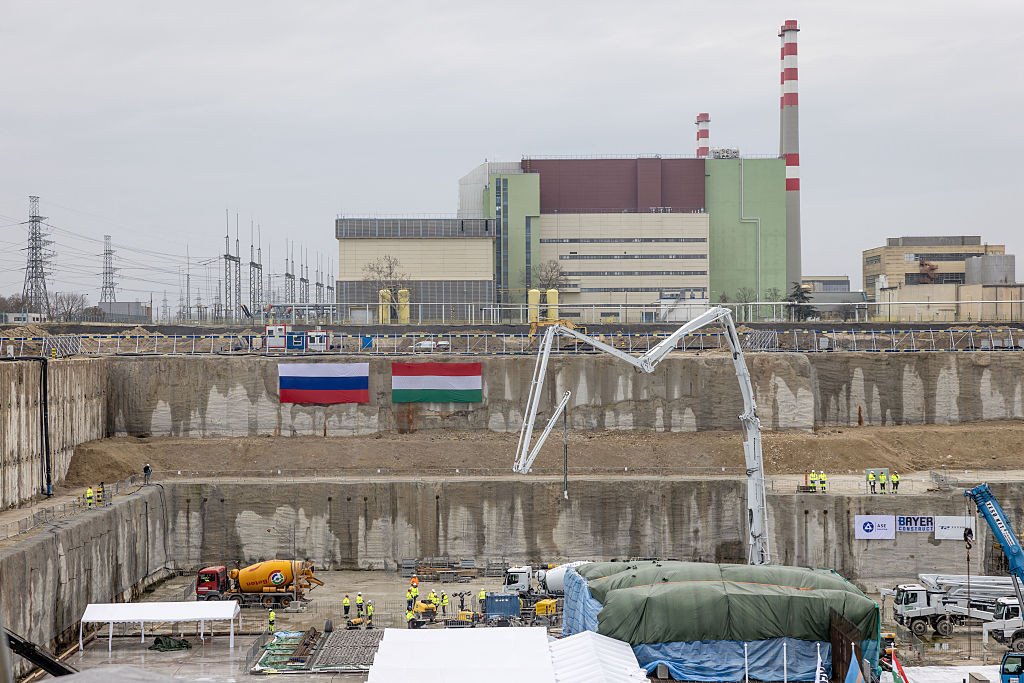
Hungarian Prime Minister Péter Magyar has cast doubt on a landmark agreement with Russia’s state nuclear company Rosatom to expand Hungary’s nuclear power capacity, Politico reported on August 14.
This comes as the EU helps Hungary and Slovakia phase out Russian oil due to security risks along the Druzhba pipeline. Simultaneously, falling Danube levels recently led Prime Minister Magyar to warn of a total shutdown at Paks, which could cost Hungary up to $630 million in emergency electricity imports.
We bring you stories from the ground. Your support keeps our team in the field.
Magyar’s announcement arrives after weeks of extreme heat and drought have pushed the Danube River to record low levels, severely impacting power generation. Output at Hungary’s existing Paks nuclear plant—which typically supplies about one-third of the country’s electricity—has been slashed to little more than 10 percent.
“These plans were accepted despite the fact that nuclear power plants that do not operate with a closed-circuit cooling system and are so exposed to the environment are no longer being built in the world,” he stated.
Despite the change of leadership in Budapest following Magyar’s election victory over former Prime Minister Viktor Orbán in April, Rosatom CEO Alexei Likhachev insisted that construction of two new reactors remained on schedule. Likhachev stated that concrete preparation for Unit 5 was more than 80 percent complete and that the company was open to dialogue with the new government.
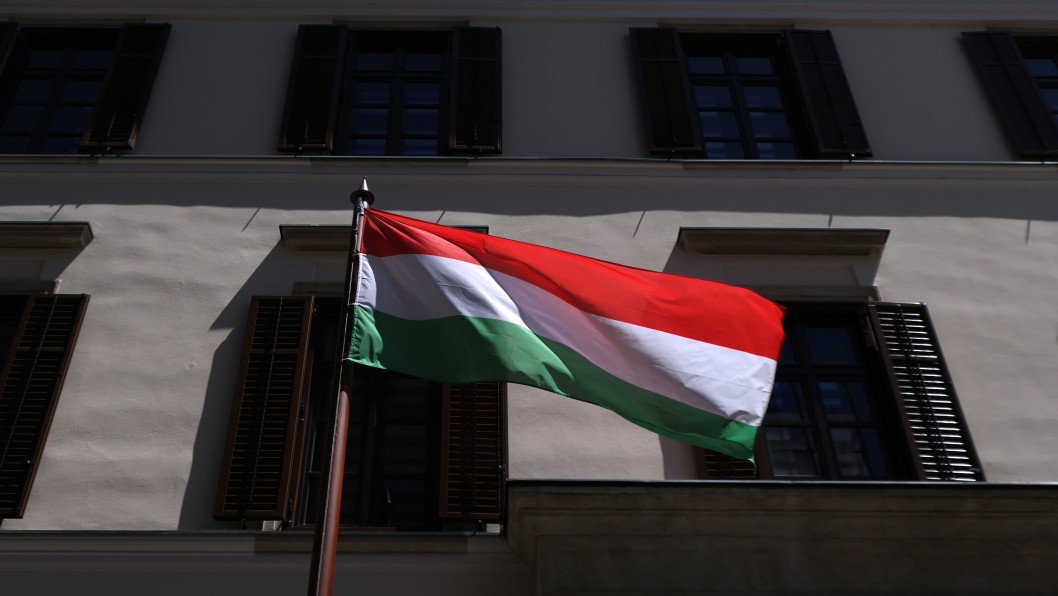
However, Magyar pushed back against Rosatom’s claims during a press conference, pointing out that under the original contract, Paks II was supposed to be operational by 2024. Instead, Hungary has spent roughly 1 billion forints ($3.18 billion) on a site he described as little more than storage depots and “two large concrete pits.”
Politico reported that Magyar’s administration is now conducting a comprehensive review of the project, including its financing structure and cooling mechanisms.
The review targets one of Orbán’s most significant deals with Moscow. Signed in 2014 and backed by up to €10 billion ($11.5 billion) in Russian state financing, the agreement handed the two-reactor expansion directly to Rosatom. Orbán’s administration had maintained close diplomatic and energy ties with Moscow even after the full-scale invasion of Ukraine in 2022.
The environmental crisis on the Danube is affecting energy infrastructure downstream as well. In neighboring Romania, operators were recently forced to shut down the second and final operating reactor at the Cernavodă nuclear plant after water levels in the Danube dropped too low to supply its cooling pumps.
This pushed Romanian state company Nuclearelectrica to purchase electricity from Ukraine through Moldovan state supplier Energocom to cover an energy deficit.
Discuss this article:



-c439b7bd9030ecf9d5a4287dc361ba31.jpg "Photo of Katherina Popilnichenko")