- Category
- World
Hungary Shuts the Door on Russian Spies and Vows to Rebuild NATO Trust
 Prefer U24 Media on Google
- Authors

-c439b7bd9030ecf9d5a4287dc361ba31.jpg "Photo of Katherina Popilnichenko")
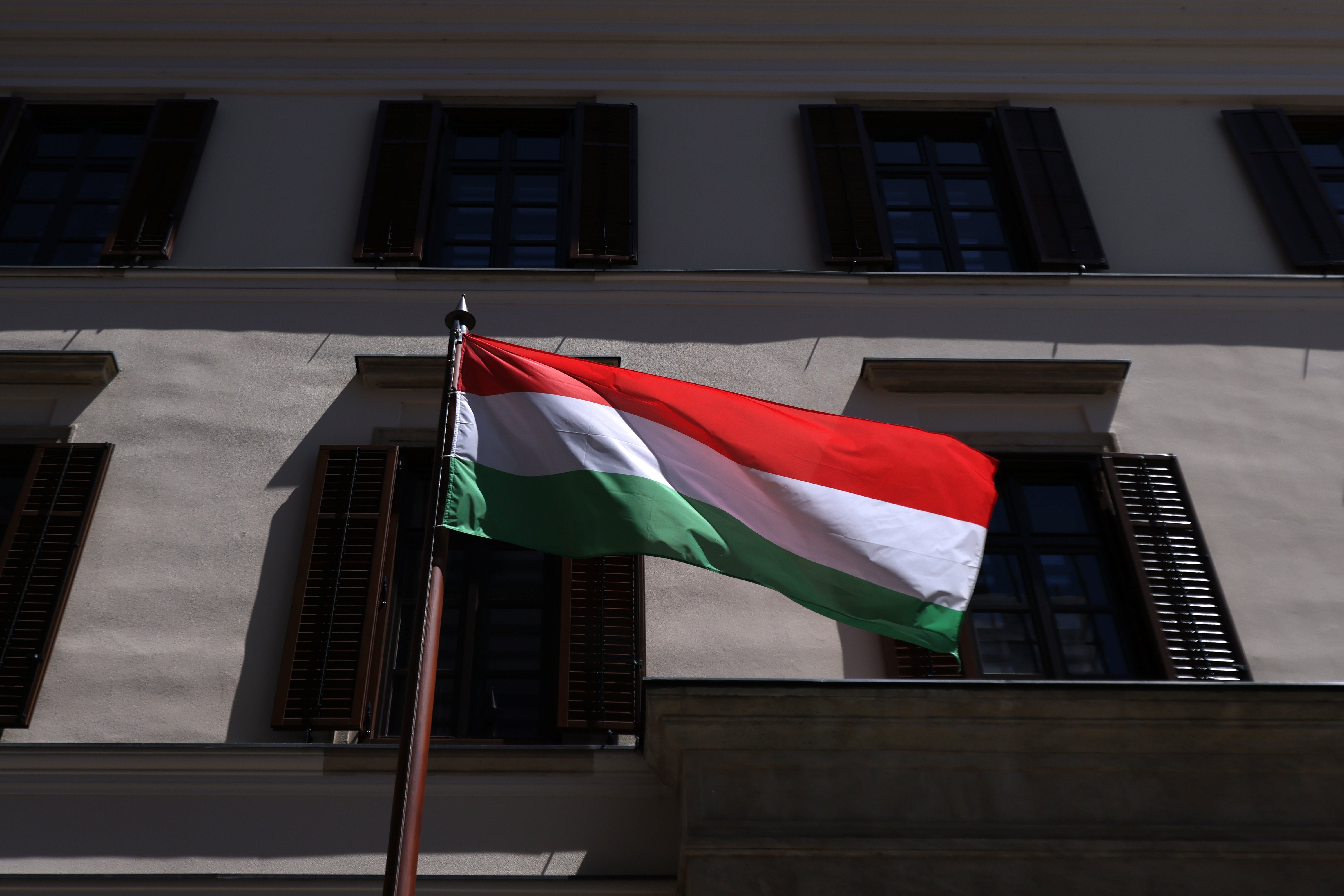
Hungary’s Defense Minister Romulusz Ruszin-Szendi has declared a major shift in Budapest’s foreign policy, stating that the country must rebuild trust with its international allies and completely shut out Russian influence.
Speaking at a panel discussion during the Budapest Energy and Security Talks hosted by the Equilibrium Institute think tank on July 14, the newly appointed minister addressed Hungary's defense priorities. During his speech, he emphasized that the country's national interests directly align with those of its Western coalition, as reported by Telex.
We bring you stories from the ground. Your support keeps our team in the field.
In his address, Ruszin-Szendi focused heavily on repairing ties damaged under Hungary's previous administration, particularly with allies like Finland, whose accession to NATO had faced severe delays.
The defense minister, drawing on his background as a military professional, characterized the previous government's delay tactics as completely unacceptable. Addressing the geopolitical situation under the new government, he explicitly closed the door on Russian operations.
"Hungary must restore trust with its allies, and as for the Russians, we are closing the door in front of them," Ruszin-Szendi stated.
The minister revealed that the policy change is a direct response to covert activities from Moscow, noting that Russian intelligence "tried to enter through the back door."
He emphasized that Budapest is actively monitoring both Russia’s full-scale invasion of Ukraine and ongoing instability in the Middle East, stating that these global security threats will only reach a resolution when governments, militaries, and civil societies collectively commit to ending them.
The policy shift also addresses long-term defense targets. Under NATO guidelines, Hungary is expected to eventually allocate 5 percent of its GDP to defense. Ruszin-Szendi confirmed that while Hungary will absolutely meet the 5% spending target by 2035, the current administration must temporarily prioritize immediate public needs.
"Believe me, I could spend a lot of money on military needs, but there is obviously a time and place for that," he explained.
The defense minister noted that due to the severe economic difficulties inherited from the previous administration, the government is currently prioritizing public education and healthcare over rapid defense expansion. Despite these fiscal constraints, Hungary's defense modernization efforts, which originally began in 2017, remain underway to restore defense capabilities neglected over the past 35 years.
This shifting stance marks a decisive break from the policies of former Prime Minister Viktor Orbán. Under his long-standing administration, Hungary frequently obstructed key Western security initiatives, including stalling Finland's accession to NATO. The former Prime Minister also consistently opposed Ukraine's integration into Western institutions.
Furthermore, Orbán's administration blocked key financial assistance packages. Specifically, he used Hungary’s veto to delay a crucial €90 billion ($98 billion) EU loan. This funding was designed to support Ukraine's defense and budget.
-7b1ed05889e8ba60039ce6f69d19aeb4.jpg)
The ministry is presently negotiating development agreements with multiple European defense companies, offering incentives for these manufacturers to relocate their production facilities directly to Hungarian territory.
Previously, Hungary’s new government has said it is prepared to hold talks with Ukraine on its path toward European Union membership.
The Hungarian ambassador noted that Budapest is ready to engage in discussions aimed at producing tangible outcomes, as the administration of Prime Minister Péter Magyar begins technical-level negotiations with Kyiv concerning issues affecting ethnic Hungarians in Ukraine.
Discuss this article: