- Category
- World
Ukraine’s Fire Point Integrates European Hardware for Freyja Anti-Ballistic Missile Shield
 Prefer U24 Media on Google
- Authors

-72b63a4e0c8c475ad81fe3eed3f63729.jpeg "Photo of Cyril Barabaltchouk")
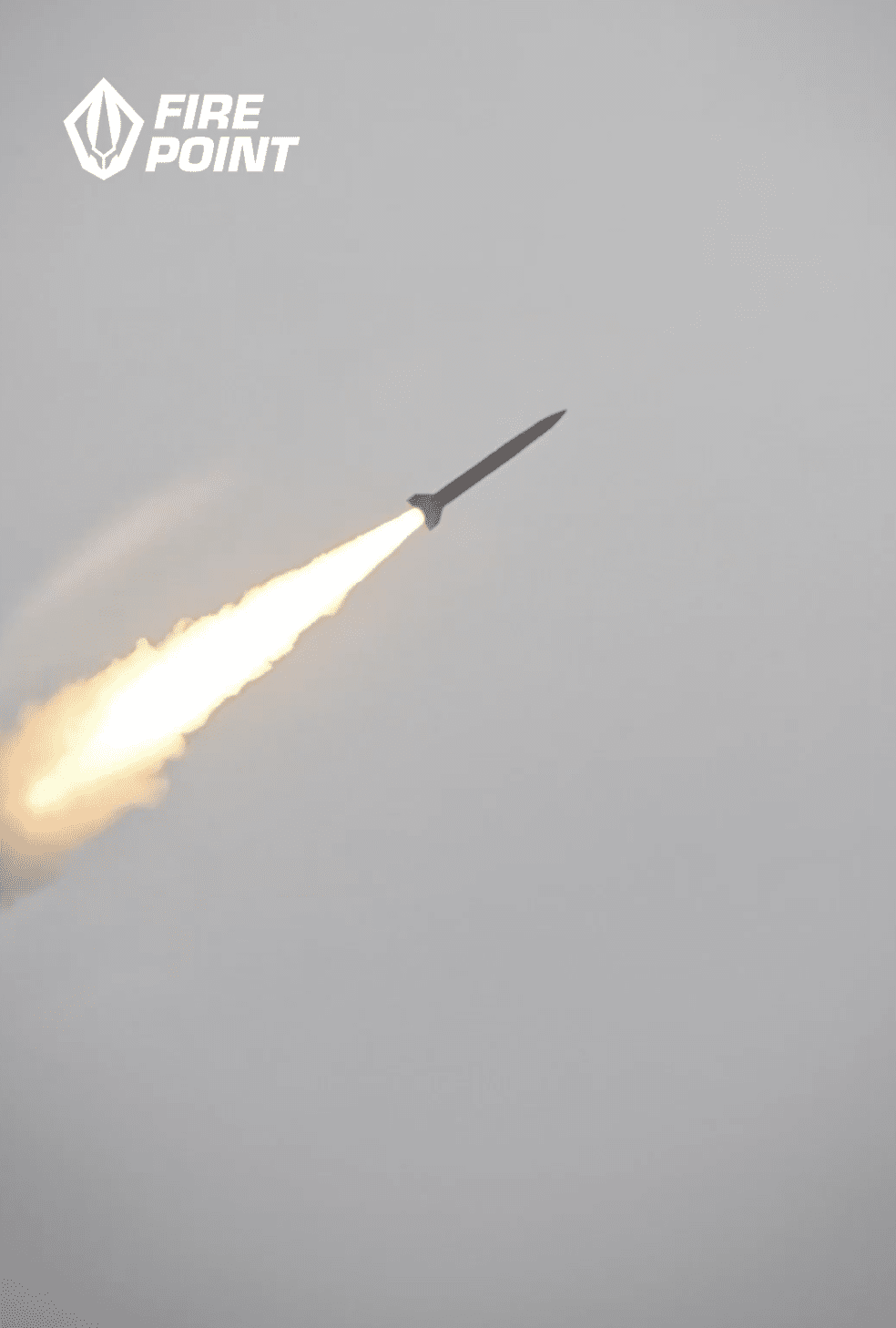
Ukrainian defense manufacturer Fire Point has initiated the technical integration of radar and guidance components from over a dozen European contractors into its Freyja anti-ballistic missile program, Clash Report reported on August 4.
This integration addresses critical air defense vulnerabilities exposed in early July 2026, when an exhaustion of Western interceptors left Ukraine unable to stop Russian ballistic strikes, underscoring Europe’s lack of a sovereign shield and placing Ukraine at the center of the initiative as System Integrator Nation, giving it responsibility for integrating the overall architecture.
The Kyiv-based developer secured agreements with 13 international industrial partners to construct the pan-European defense system following the formal launch of the initiative in Paris last month.
We bring you stories from the ground. Your support keeps our team in the field.
The effort brings together 10 national governments and 12 major defense corporations, including Saab, Thales, Leonardo, and Eurosam, Clash Report noted. “Right now we are in the most intense and also in the most complicated stage of finally assembling everything with surveillance radars, with tracking radars, with the seekers,” Fire Point Chief Executive Iryna Terekh stated.
The acceleration of the Freyja shield comes as Ukraine faces operational exposure from severe global shortages of US-manufactured Patriot interceptors, a supply constraint compounded by war in the Middle East.
To establish a reliable alternative, developers are utilizing an open-source modular framework that allows interchangeable hardware—such as swapping Norwegian or Danish radar systems for Swedish units—while targeting a unit cost under €1 million ($1.151 million) per interceptor, Clash Report detailed.
-faa0805607bc8eb0482b2116759ee844.png)
Participating contractors are self-funding R&D phases until achieving a minimum viable product, defined as a successful live ballistic interception targeted for mid-2027.
The primary defensive effector relies on the FP-7.X, an accelerated variant of Fire Point’s FP-7 ballistic missile that has already completed five test flights. Norwegian defense contractor Kongsberg is developing the command-and-control architecture, while German manufacturer Diehl Defence is in discussions to supply the seeker guidance system, according to Clash Report.
Alongside its air defense initiative, Fire Point is finalizing several offensive platforms to expand Ukraine’s long-range strike capability.
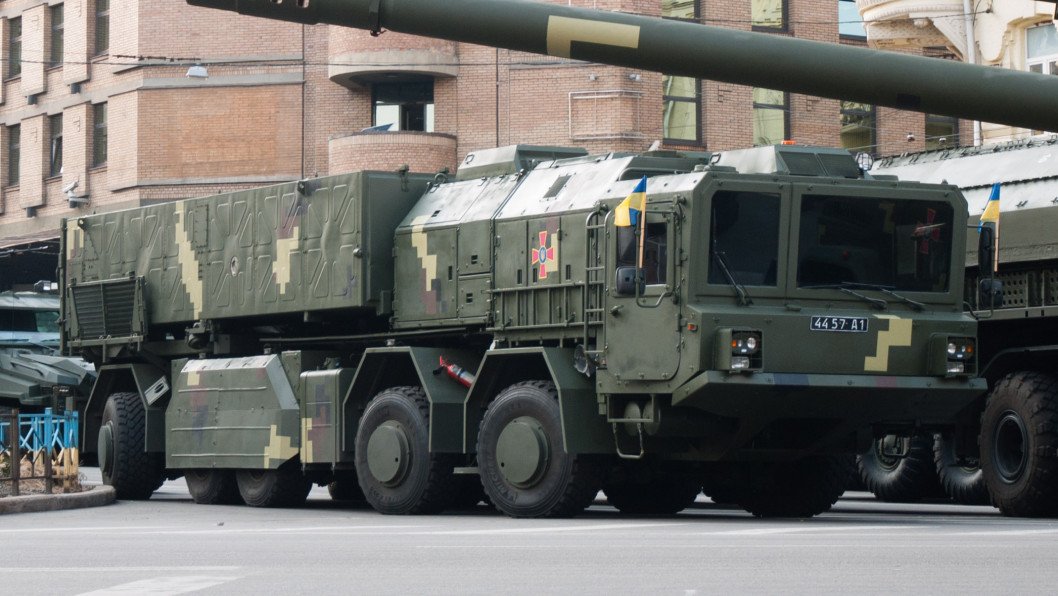
An offensive ground-strike variant of the FP-7 has completed 15 test launches and is undergoing certification for early autumn deployment, while the larger FP-9 ballistic missile—designed with sufficient range to strike Moscow—is scheduled for late autumn, Clash Report reported.
Fire Point is also transitioning to proprietary engines for its FP5 Flamingo cruise missile, replacing scavenged parts to support expanded serial production following diagnostic trials.
Fire Point had previously reported that FP-9 ballistic missile was one solid-fuel engine test away from flight trials, after which the company expects the weapon to begin striking targets inside Russia.
Discuss this article:
-9a7b3a98ed5c506e0b77a6663f5727c5.png)


-c439b7bd9030ecf9d5a4287dc361ba31.jpg "Photo of Katherina Popilnichenko")