- Category
- World
Russia’s Military Recruitment Slumps Below Targets Amid Rising Losses, Intel Says
 Prefer U24 Media on Google
- Authors

-111f0e5095e02c02446ffed57bfb0ab1.jpeg "Photo of Roman Kohanets")
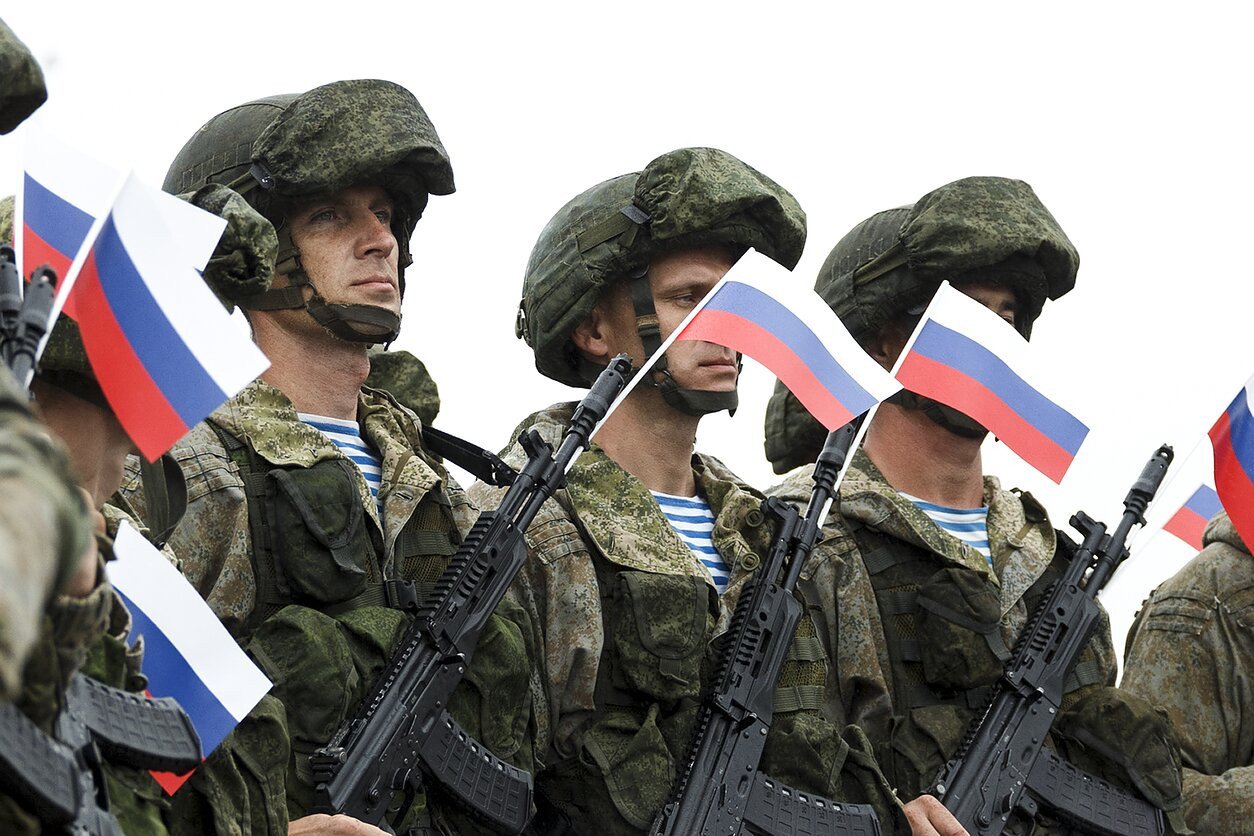
Russia has lost the ability to sustain its former pace of military recruitment, Ukraine's Foreign Intelligence Service (SZR) reported in an assessment published on its official website on July 13.
As of early July, the contracting plan was less than 50% fulfilled, according to the service. Roughly 195,000 people had been signed to contracts against a planned figure of 204,500.
We bring you stories from the ground. Your support keeps our team in the field.
Current daily selection rates run between 1,070 and 1,090 recruits, the intelligence service noted. That tempo is insufficient to complete the plan in full.
The agency described this as the sharpest break from the 2024 and 2025 campaigns. In those years, Russia contracted roughly 1,200 people a day.
Lower standards, faster processing
The service reported that medical and functional requirements for candidates had been relaxed to widen the recruitment pool and accelerate deployment to front-line units.
The intelligence service tied the move directly to Russia's mounting battlefield losses. In the first half of the year, total Russian personnel losses reached approximately 196,700, the agency reported.
Of that figure, 115,300 were irrecoverable, and 80,400 were sanitary losses, a category covering the wounded and the sick. Around 1,000 were taken prisoner.
The number of contract recruits selected is therefore broadly comparable to the number of losses sustained, the service indicated.
Indigenous peoples and temporarily occupied territories
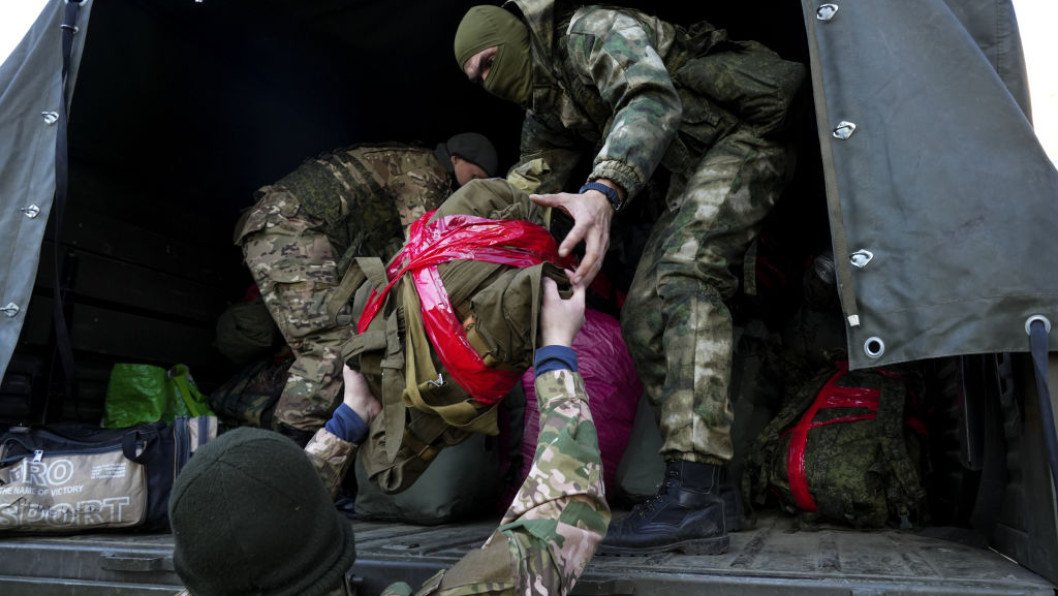
SZR also pointed to high recruitment targets among Russia’s smaller indigenous peoples and the enlistment of residents from Ukraine’s temporarily occupied territories, which it noted violates international law.
In 2026, Russia plans to draw about 7,900 residents of occupied Ukrainian territory into combat operations against Ukraine, according to the assessment.
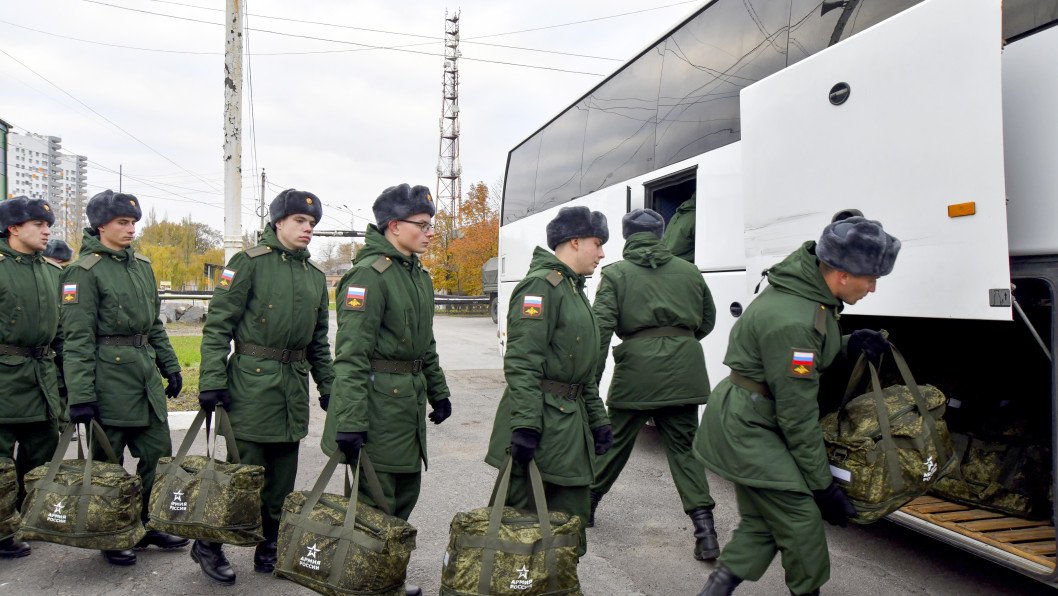
Inside Russia, the heaviest quantitative burden of the 2025 and 2026 plans falls on the Central and Volga federal districts, at 92,000 and 90,000 people, respectively. Within the Volga district, the largest targets are set for Bashkortostan and Tatarstan, at 12,900 and 12,000.
This reflects the Kremlin's real attitude toward Russia's indigenous peoples and the residents of its so-called "new" regions, the intelligence service stated, describing them as expendable material for Moscow's war aims.
Students refuse
Russia’s Defense and Education ministries also planned to recruit more than 50,000 students from universities and secondary vocational institutions for contract military service.

Despite unprecedented propaganda and administrative pressure, the overwhelming majority have declined, the service reported. Uptake is far below target, with only one student in 400 agreeing to serve.
"Russia's youth does not want to fight," the intelligence service declared.
Foreigners and labor migrants
Moscow also plans to increase the number of foreign recruits from 16,000 to 18,500, typically bringing them into Russia as labor migrants.
Moscow has not halted the practice despite protests from foreign partners, the agency noted. Candidates are often drawn in by promises of well-paid work, only to be informed upon arrival that they have personally signed a contract with the Russian Defense Ministry.
Russia's migration service and individual law enforcement bodies apply blackmail and intimidation against labor migrants, most of them from Central Asia, to force them into contracts, the service reported. In some cases, the inducement is a simplified path to Russian citizenship after a period of service.
The Kremlin regards this category as an important resource for replacing battlefield losses, the assessment added.
The intelligence service concluded that the year's figures indicate a declining capacity within the regime of Russian leader Vladimir Putin to maintain recruitment levels seen in previous periods.
The shortage meets a second problem: temporarily occupied territory now costs more to hold. Ukrainian medium-range drones carried out about 600 strikes on temporarily occupied territories between January and April.
They destroyed 37 air defense systems, radars, and jamming units between March and May 10, against 16 in the autumn of 2025.
Each gap in that cover leaves ammunition stores, fuel dumps, and the supply lines to occupied Crimea open to attack, and all of it has to be guarded.
In the south, the front sits as little as 90 kilometers from the coast. Over Russia itself, 11,211 drones were downed in March, twice the February figure.
Discuss this article:
-4a56a6b482ec132402c16ef6fcabf9a2.png)

-72b63a4e0c8c475ad81fe3eed3f63729.jpeg "Photo of Cyril Barabaltchouk")