- Category
- Latest news
Russian Universities Recruiting Students for Kremlin’s Drone Forces, Investigation Finds
 Prefer U24 Media on Google
- Authors


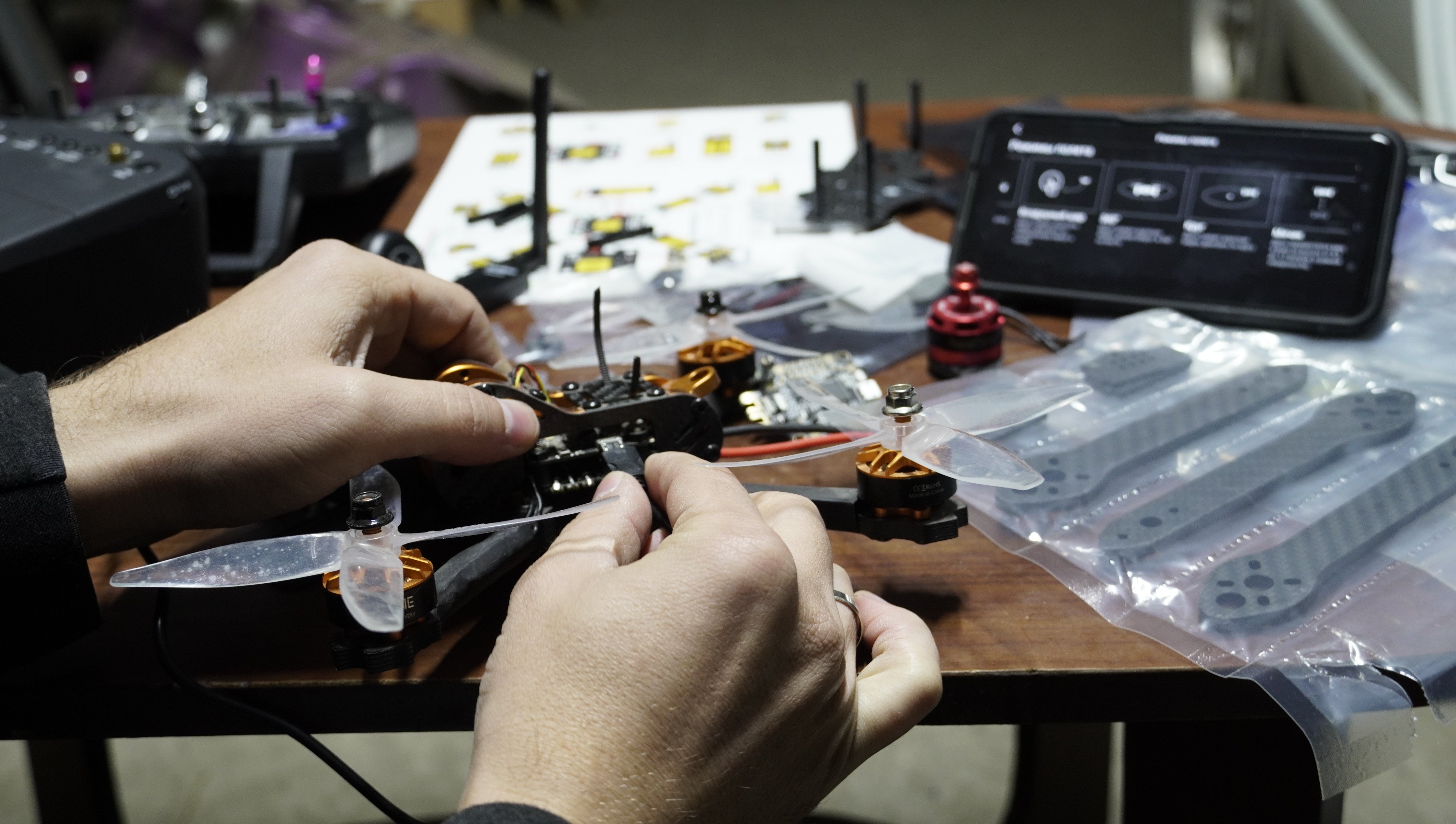
Russian educational institutions have become a primary funnel for the Kremlin’s newly established Unmanned Systems Forces, with at least 91 universities and 112 vocational schools actively recruiting students, according to an investigation by Verstka on March 4.
The recruitment drives, often disguised as “information meetings,” involve administrative officials and military personnel who promise students high salaries, guaranteed discharge after one year, and the ability to retain their academic standing. The campaign even targets female students; for instance, the Yakutsk Institute of Water Transport suggested that groups of women could serve together in the same unit.
We bring you stories from the ground. Your support keeps our team in the field.
Recruitment tactics range from high-pressure sales to outright deception. At Plekhanov Russian University of Economics, students were reportedly pulled from classes for a “meeting with the Vice-Rector,” only to be lectured on the benefits of drone service, such as priority admission to master's programs or automatic passing grades via online exams while deployed.
In more extreme cases, universities are using academic failure as a tool for mobilization. Students at Voronezh State University of Forestry Technologies reported being denied opportunities to retake failed exams, with administrators offering a military contract as the only alternative to expulsion. One sophomore was reportedly told he could receive a “red diploma” (honors degree) upon returning from a year of service.
The “special contract” marketed by recruiters is essentially a standard military agreement with a specific annex for service in the drone forces. Crucially, this document is signed before any training or official placement occurs. According to Verstka if a student fail the selection process or their probationary period, they risk being reassigned to the infantry or other combat branches.
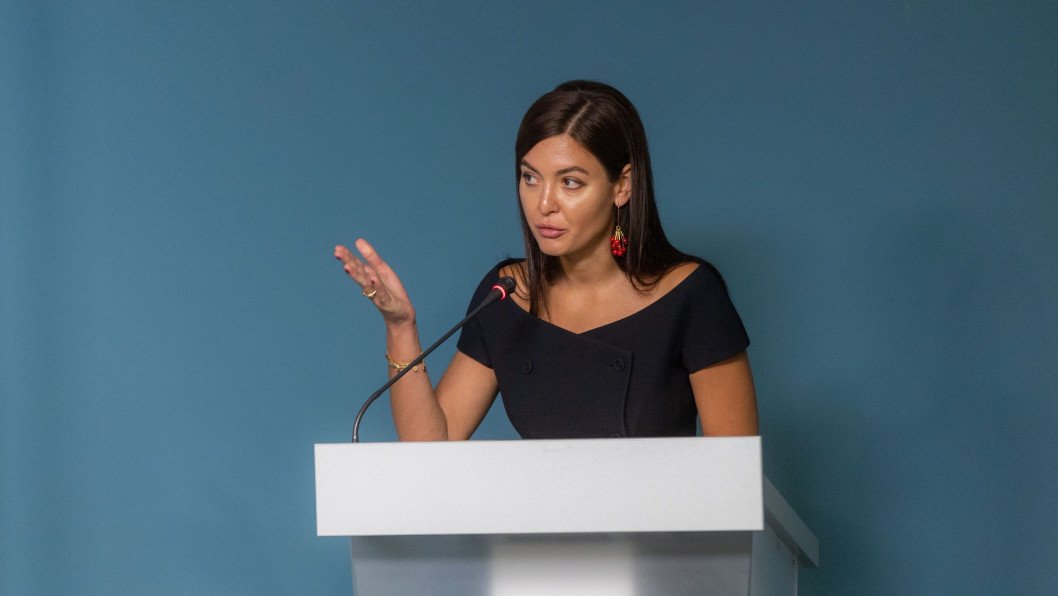
Additionally, since late February, Russian security agencies have also intensified their presence in schools and colleges across occupied Ukrainian territories, presenting military and law enforcement education as part of routine “career guidance.” According to The Moscow Times, these visits are often bundled with lectures on road safety or drug prevention, during which officers actively promote enrollment in institutions affiliated with the Interior Ministry, the FSB, and the Federal Penitentiary Service.
Ivan Stupak, an adviser to Ukraine’s parliamentary committee on national security, said security agencies view students as an especially convenient recruitment pool, noting that schools provide direct access to young people deemed easier to vet and influence. He added that the push comes amid a severe кадровий deficit in Russia’s law enforcement sector: authorities reportedly face a shortfall of around 172,000 police officers, while staffing levels at the penitentiary service are down by 23 percent—twice the gap recorded in 2021.
Low pay further compounds the problem. District police officers earn an average of roughly 49,000 rubles (about $568) per month, well below the national average, The Moscow Times reported.
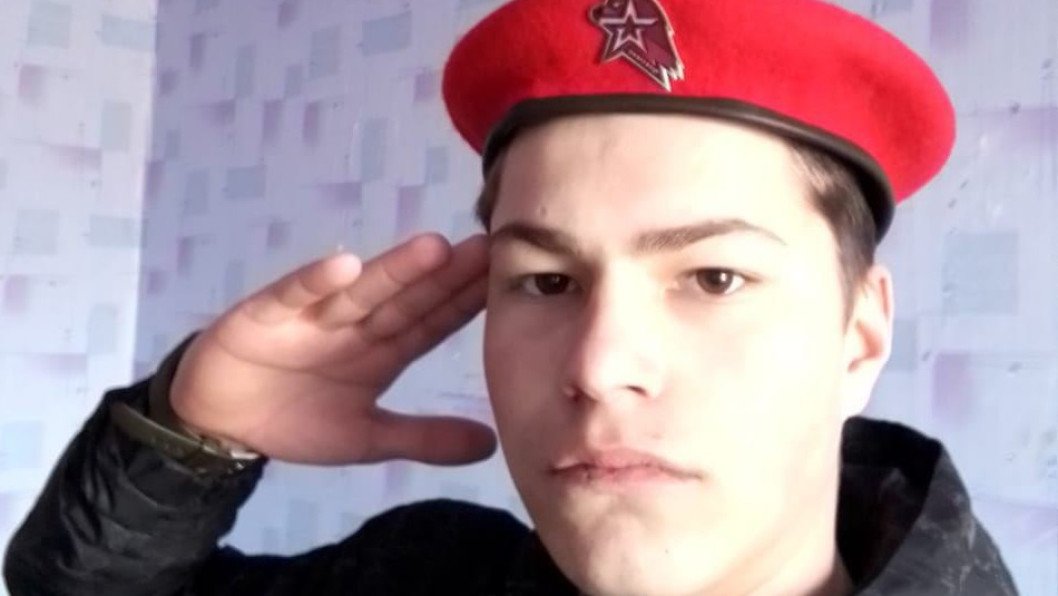
In occupied areas, recruitment campaigns extend well beyond older students. In the temporarily occupied Kherson region, the Interior Ministry has rolled out a program titled “Soldier of Law and Order,” targeting both high school students and younger children. Similar initiatives have appeared in Russian-controlled Melitopol and Skadovsk, where school events advertise careers in the Emergency Situations Ministry.
In the occupied part of Zaporizhzhia region, Russian authorities have gone a step further by introducing school classes linked to Rosgvardia. These programs provide teenagers with basic training in security procedures and counterterrorism. By 2024, at least 18 adolescents had reportedly enrolled in a National Guard–affiliated class in Russian-controlled Berdiansk.
Earlier, it was reported that Russian authorities in the temporarily occupied Luhansk region are deliberately grooming local children for eventual enlistment into the occupying forces.
Discuss this article:
-4a56a6b482ec132402c16ef6fcabf9a2.png)