- Category
- War in Ukraine
Ukraine Doubles Russian Air Defense Losses as Drone Strikes Reshape Battlefield Balance
 Prefer U24 Media on Google
- Authors

-c439b7bd9030ecf9d5a4287dc361ba31.jpg "Photo of Katherina Popilnichenko")
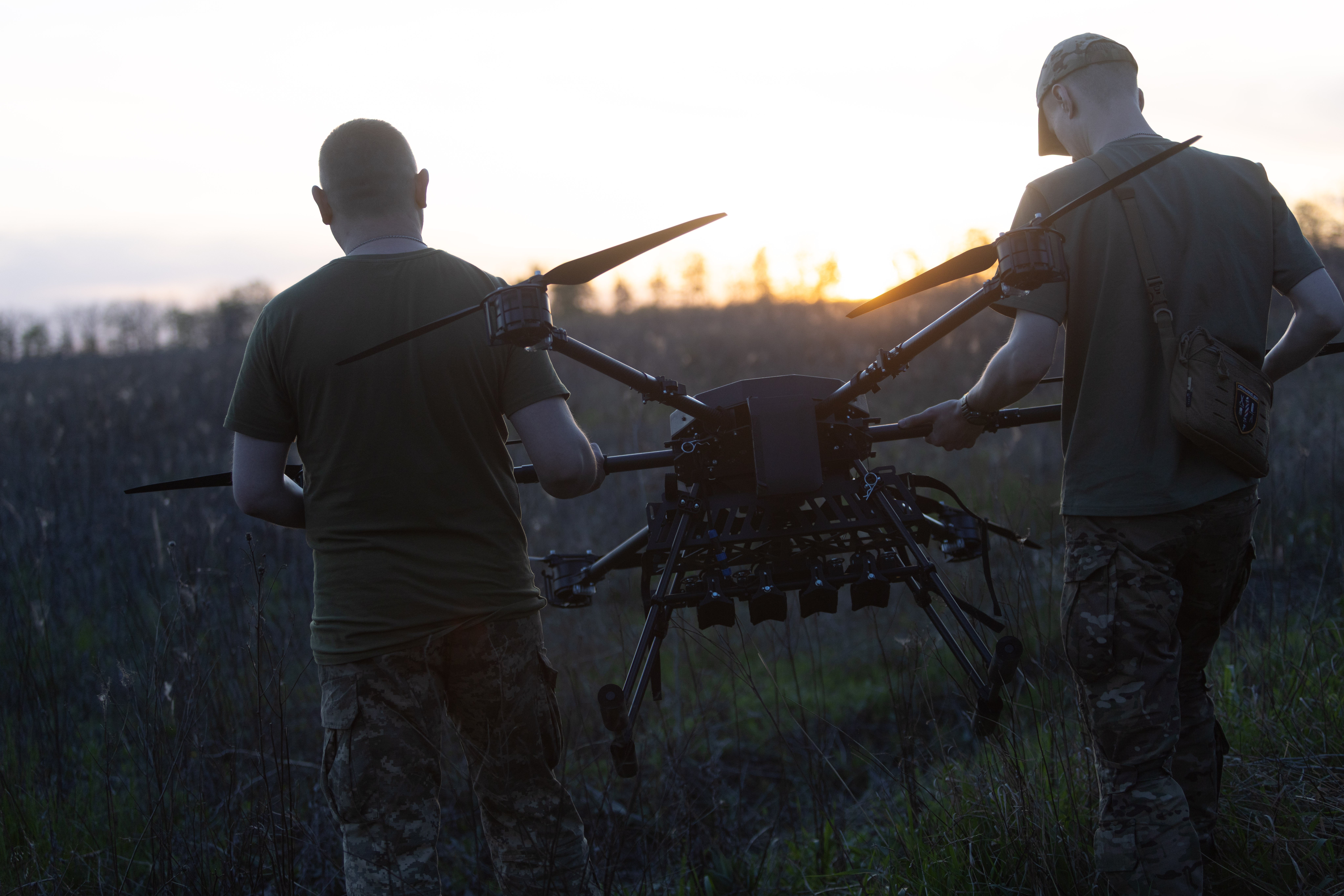
The Ukrainian Armed Forces are actively targeting Russian air defense systems. Increased production and improved drone technology allowed Ukraine to destroy twice as many air defenses and radars in April compared to October 2025.
These expanding gaps in Russia's defensive umbrella weaken both the front lines and the rear. The front loses supplies as ammunition and equipment warehouses are hit, while the rear is left vulnerable to strikes on energy infrastructure and military-industrial sites, according to Der Spiegel on May 13.
We bring you stories from the ground. Your support keeps our team in the field.
Ukrainian attacks are particularly effective at medium ranges within 200 kilometers of the front line. Drones disable medium-range surface-to-air missile systems like the Tor and Buk, and occasionally destroy more expensive systems like the S-300. Based on WarSpotting data, while the Ukrainian military destroyed 16 air defense systems, radars, and jamming devices in the fall of 2025, that number rose to 37 between March and May 10 of this year.
Medium-range drones conducted approximately 600 strikes on temporarily Russian-occupied territories between January and April. The situation is especially difficult in the south, near Crimea, where the distance from the front to the coast can be as little as 90 kilometers.
These Ukrainian strikes threaten the supply lines for troops and the Crimean Peninsula. Russian state media reported that 11,211 drones were downed over Russian territory in March, which is double the February figure, though they did not disclose how many drones reached their targets.
-e99e7a3d5a4f6128bcd598e76c2f1974.png)
The Institute for the Study of War (ISW) notes that Russian leadership has increasingly exaggerated battlefield successes this year. However, the pace of the Russian advance has slowed every month since October 2025 as Ukrainian forces ramped up medium-range strikes. ISW adds that Russian military bloggers have frequently pointed out a shortage of air defense missiles amid these successful drone raids.
Experts from the ISW conclude that the outcome for Russia is highly unfavorable. "In the spring of 2026, Russian troops are demonstrating worse results on the battlefield than in 2025, when the Kremlin formulated its claims to receive the entire Donetsk region [including uncaptured territories]," the institute states.
Peter Dickinson, editor of the Atlantic Council’s UkraineAlert service, notes that a significant portion of Russian air defense was moved to the front to protect troops and logistics after Russia’s full-scale invasion of Ukraine. Now, Ukrainian drone units "prioritize the destruction of air defenses, which further exacerbates the Kremlin's supply problems."
Dickinson writes that Russia's vast territories in the rear, which historically served as a defense, are now becoming a burden. "From Charles XII of Sweden to Napoleon Bonaparte and Adolf Hitler—a whole galaxy of potential conquerors invaded Russian territory, but the vastness of this country swallowed their armies.
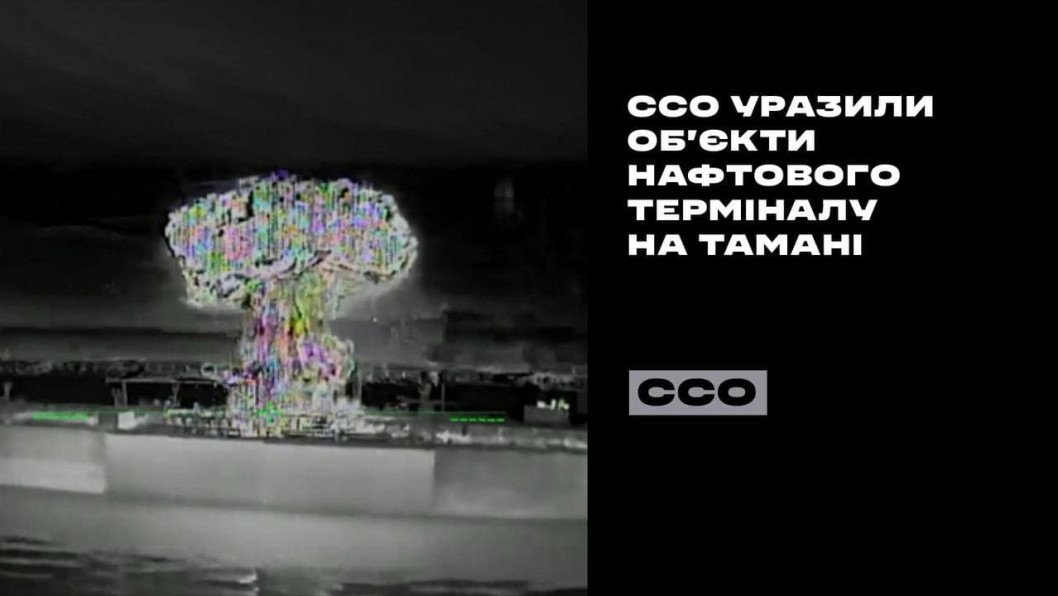
Now Ukraine is trying to flip this military logic on its head with a strategic bombing campaign aimed at exploiting Russia's vast size and turning it from a key advantage into a fatal weakness."
On May 12, Ukrainian operators from the Unmanned Systems Forces struck several Russian military targets in the occupied Donetsk region, including a PRV-16 radar height finder and a P-18 early warning radar.
During operations conducted alongside the SBS DeepStrike Center, the military utilized FP-2 medium-range strike drones to hit enemy systems near Huselske and Zelenyi Yar. In addition to the radar equipment, the strikes successfully targeted fuel and lubricant depots, ammunition warehouses, and temporary deployment points in Valerianivka, Donetsk, and Bahatyr.
Discuss this article:


-37d0c4e589b794d453938c254fb3d00d.png "Comoros-flagged tanker KHORYV, Dnipro city, Ukraine, 2021.")



-111f0e5095e02c02446ffed57bfb0ab1.jpeg "Photo of Roman Kohanets")