- Category
- Latest news
Underperforming Students Become the Backbone of Russia’s Drone Recruitment Drive
 Prefer U24 Media on Google
- Authors


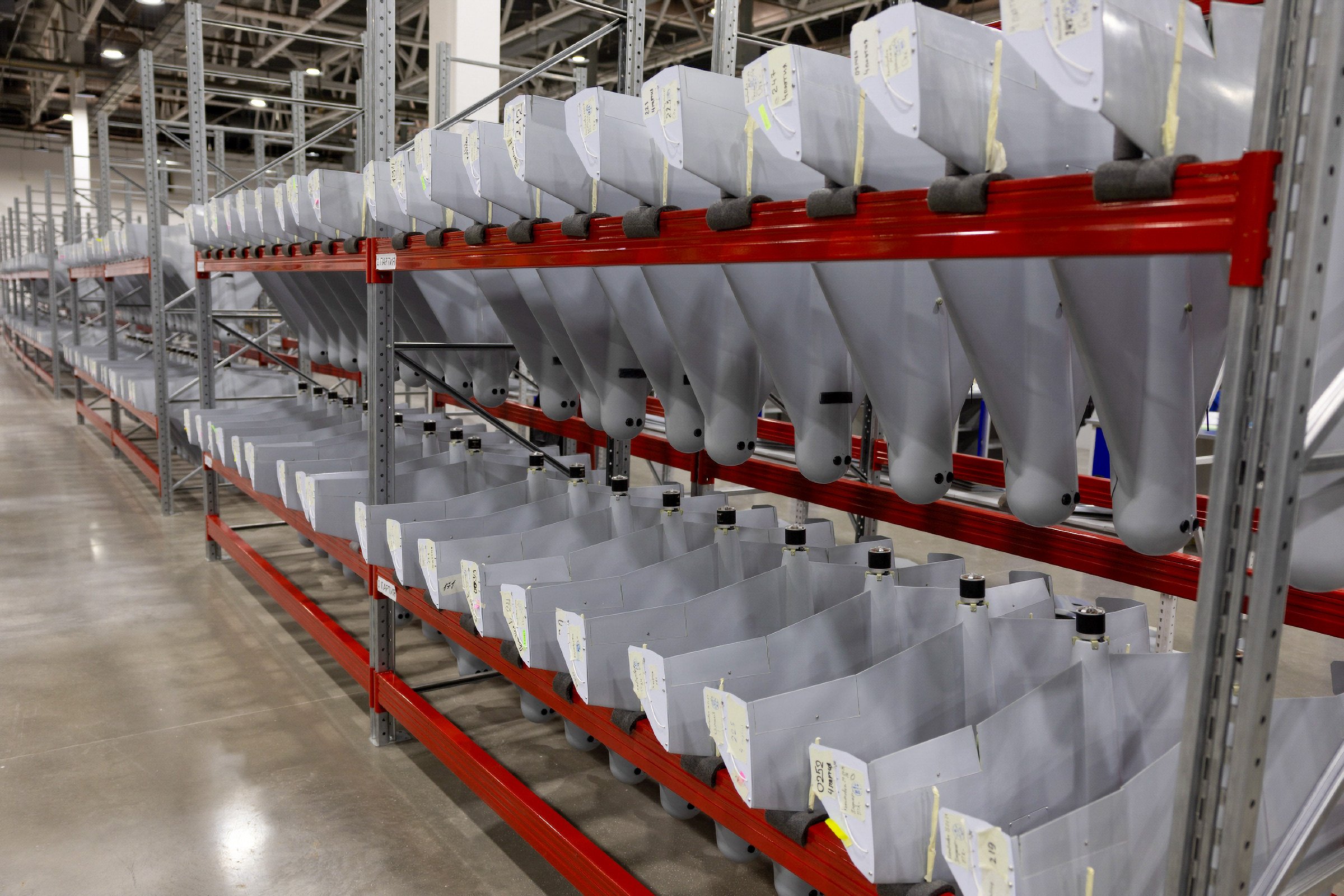
Fewer than 2,000 students have signed contracts to join Russia’s Unmanned Systems Forces following a nationwide recruitment campaign in universities and colleges, according to pro-Kremlin blogger Alexander Vaskovsky.
The campaign involved meetings with military personnel, lectures, and the distribution of promotional materials aimed at encouraging students to enlist.
We bring you stories from the ground. Your support keeps our team in the field.
However, Vaskovsky suggested that the initiative has yielded limited results.
“Despite large-scale meetings with the military, lectures, and the distribution of propaganda materials, these two thousand were recruited from underperforming students who were already facing expulsion. They were offered academic leave for the duration of the contract, after which they were promised a transfer to state-funded education, and in case of refusal—expulsion and the draft office,” he wrote on his Telegram channel.
The limited number of recruits comes despite a broad and coordinated effort to draw students into Russia’s drone forces through the education system.
-b6896385c180ccbaaca370ce7030d648.jpg)
According to an investigation by Verstka, at least 91 universities and 112 vocational schools across Russia have been involved in recruitment campaigns for the newly formed Unmanned Systems Forces. These efforts are often presented as informational sessions but are conducted with the participation of university administrators and military representatives.
Students are reportedly offered incentives such as high salaries, the promise of discharge after one year of service, and the ability to maintain their academic status. In some cases, recruitment efforts have also targeted female students, with suggestions that they could serve together within the same units.
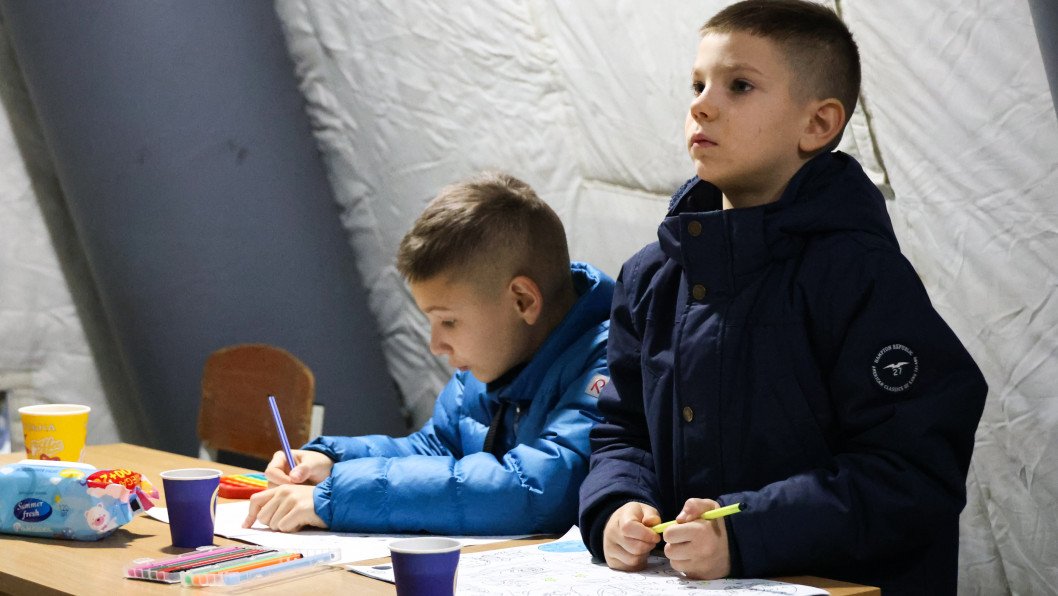
However, the methods used have raised concerns. Reports indicate that students are sometimes pressured or misled into attending recruitment events. At one university, students were allegedly removed from classes under the pretext of a meeting with senior administration, only to be presented with the advantages of joining drone units, including preferential access to graduate programs or simplified academic requirements during service.
In other instances, academic performance has been used as leverage. Students facing expulsion have reportedly been offered military contracts as an alternative, with promises of academic benefits upon their return. According to the findings, contracts are often signed before training or final assignment, leaving recruits at risk of reassignment to other combat roles, including infantry, if they do not meet selection criteria.
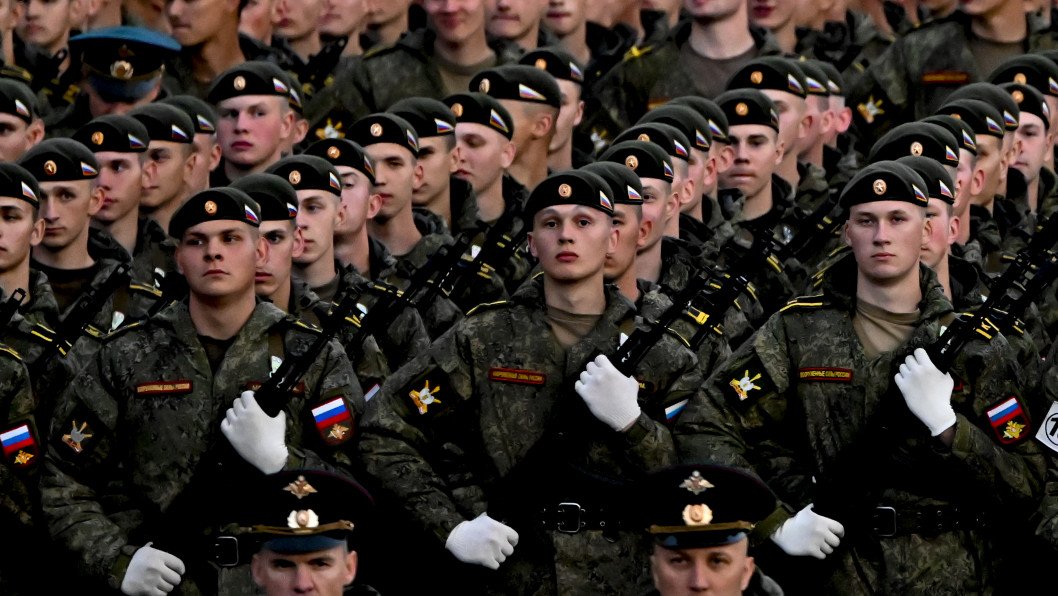
The recruitment drive is also supported by directives at the government level aimed at expanding the pool of potential recruits. According to Faridaily, authorities have instructed major universities to channel at least 2% of their student populations into military service.
The directive was reportedly issued in early 2026 by Russia’s Minister of Science and Higher Education, Valery Falkov, who tasked university leadership with facilitating contract-based enlistment into the armed forces.
Based on 2025 enrollment figures, which show approximately 2.2 million male students in Russian higher education, full implementation of the policy could result in up to 44,000 students being drawn into military service. The move further underscores the growing role of educational institutions in supporting Russia’s military recruitment efforts.
Discuss this article:
-4a56a6b482ec132402c16ef6fcabf9a2.png)


-c439b7bd9030ecf9d5a4287dc361ba31.jpg "Photo of Katherina Popilnichenko")