- Category
- Latest news
Russia Targets 2% of University Students in New Military Recruitment Drive
 Prefer U24 Media on Google
- Authors


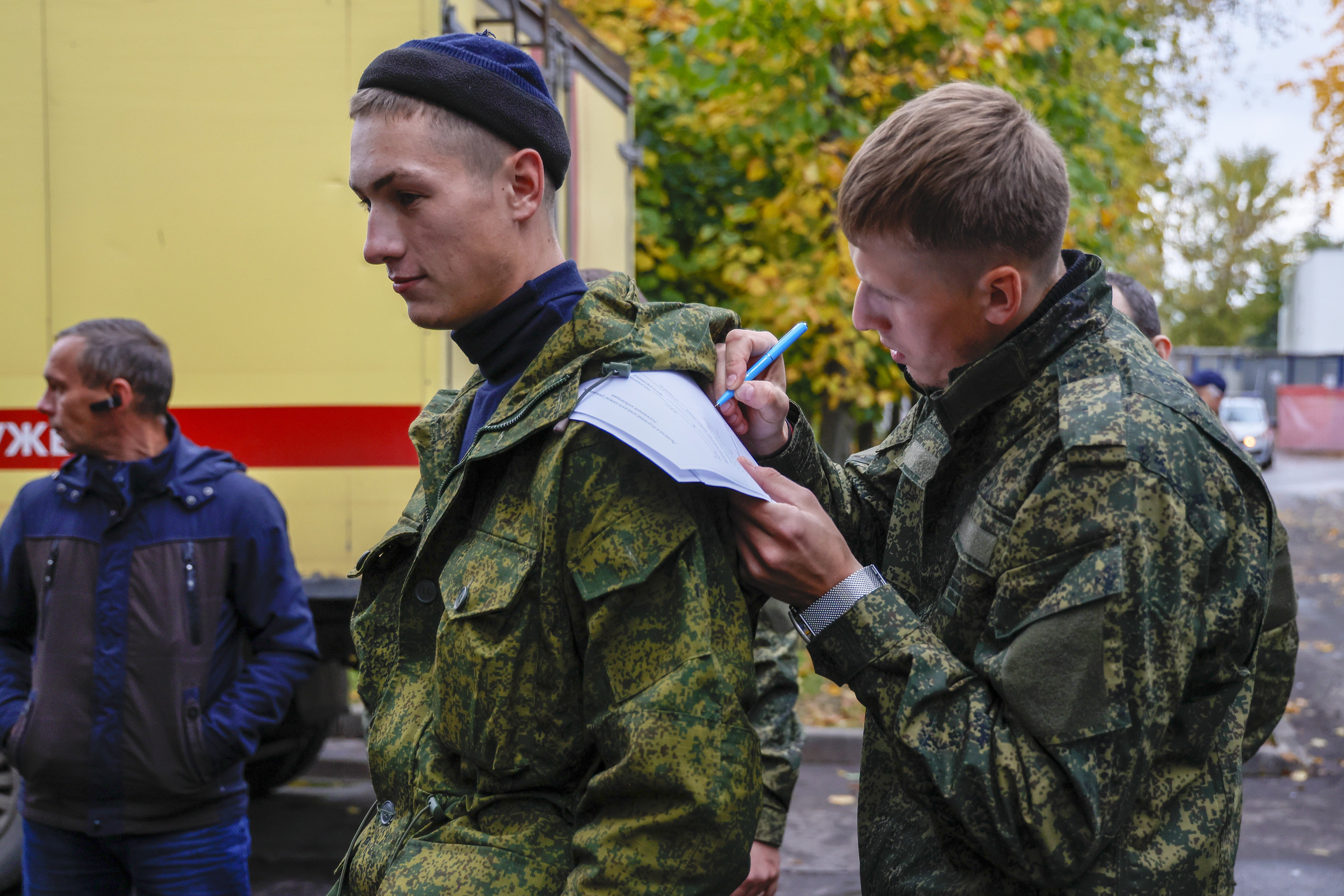
Russian authorities have instructed the country’s leading universities to send at least 2% of their student population into military service, according to the Russian independent journalists group Faridaily, cited by The Moscow Times.
The directive was reportedly issued in early 2026 by Russia’s Minister of Science and Higher Education, Valery Falkov, who tasked university rectors with facilitating the recruitment of students into military service under contract with the Defense Ministry.
We bring you stories from the ground. Your support keeps our team in the field.
Based on 2025 data, approximately 2.2 million men were enrolled in Russian higher education institutions. If the requirement is fully implemented, an estimated 44,000 students could be recruited into the military.
According to Faridaily, if similar quotas are applied to vocational schools and technical colleges, the total number of recruits could rise to around 76,000.
The reported quota comes amid broader efforts by Russian authorities to draw students into military service through the education system.
According to an investigation by the outlet Verstka, universities and vocational schools across Russia are already being used as key recruitment channels for the Kremlin’s Unmanned Systems Forces. The report found that at least 91 universities and 112 vocational institutions are actively involved in recruiting students.
-792c207e885fdfeb86f8efd9915c1642.jpg)
These efforts are often presented as routine “information meetings,” where administrators and military representatives promote contracts by offering financial incentives, assurances of discharge after one year, and the possibility of continuing studies without interruption. In some cases, recruitment has also targeted female students.
However, the methods used have raised concerns. Students at Plekhanov Russian University of Economics reported being pulled out of classes under the pretense of administrative meetings, only to be presented with offers tied to drone service, including simplified academic requirements or automatic grades during deployment.
In other instances, pressure tactics have reportedly intensified. At Voronezh State University of Forestry Technologies, students said they were denied opportunities to retake failed exams and were instead encouraged to sign military contracts as an alternative to expulsion. One student was reportedly told he could receive a “red diploma” (honors degree) upon returning from service.
-788898c39d1b6376ac1cfb57c4380585.jpg)
The contracts themselves are described as standard military agreements with an additional clause for service in drone units, often signed before any training or final placement. According to Verstka, students who fail selection or probation risk being reassigned to other combat roles, including frontline infantry.
The push to involve students in military service also reflects Russia’s broader efforts to expand its manpower.
Commander-in-Chief of the Armed Forces of Ukraine Oleksandr Syrskyi said on March 19 that Russia is planning to significantly increase recruitment in the coming year. According to him, Moscow aims to bring in an additional 409,000 troops in 2026 while stepping up activity along the front line.
“In 2026, Russia plans to recruit another 409,000 soldiers. This means one thing—the enemy is not abandoning its intentions and continues to prepare for further aggression against Ukraine,” Syrskyi said.
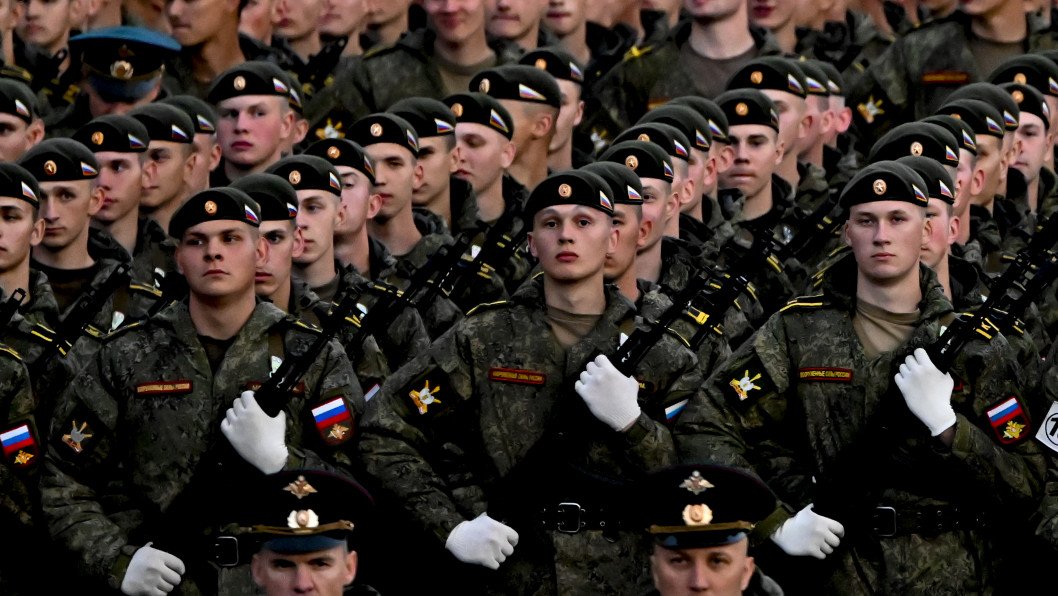
To achieve their recruitment targets, Russian forces from the “Dnieper” group have launched an active campaign at Berdyansk State Pedagogical University, which has been renamed “Azov State Pedagogical University” by Russian authorities and incorporated into their “Melitopol University.”
According to the OTPOR resistance movement recruitment is being carried out directly on campus, leaving students with little room to refuse.
However, the recruitment campaign is increasingly facing pushback. Many students are rejecting the messaging and refusing to take part in fighting in the temporarily occupied territories.
“This openly frustrates the occupiers and forces them to intensify their pressure with new methods. Studying becomes a tool of blackmail, and the university, once a place of knowledge, turns into a hunting ground for cannon fodder,” the movement added.
Discuss this article:
-4a56a6b482ec132402c16ef6fcabf9a2.png)

-c439b7bd9030ecf9d5a4287dc361ba31.jpg "Photo of Katherina Popilnichenko")