- Category
- Latest news
Russia Pressures Migrants to Join War in Ukraine or Risk Expulsion
 Prefer U24 Media on Google
- Authors

-72b63a4e0c8c475ad81fe3eed3f63729.jpeg "Photo of Cyril Barabaltchouk")
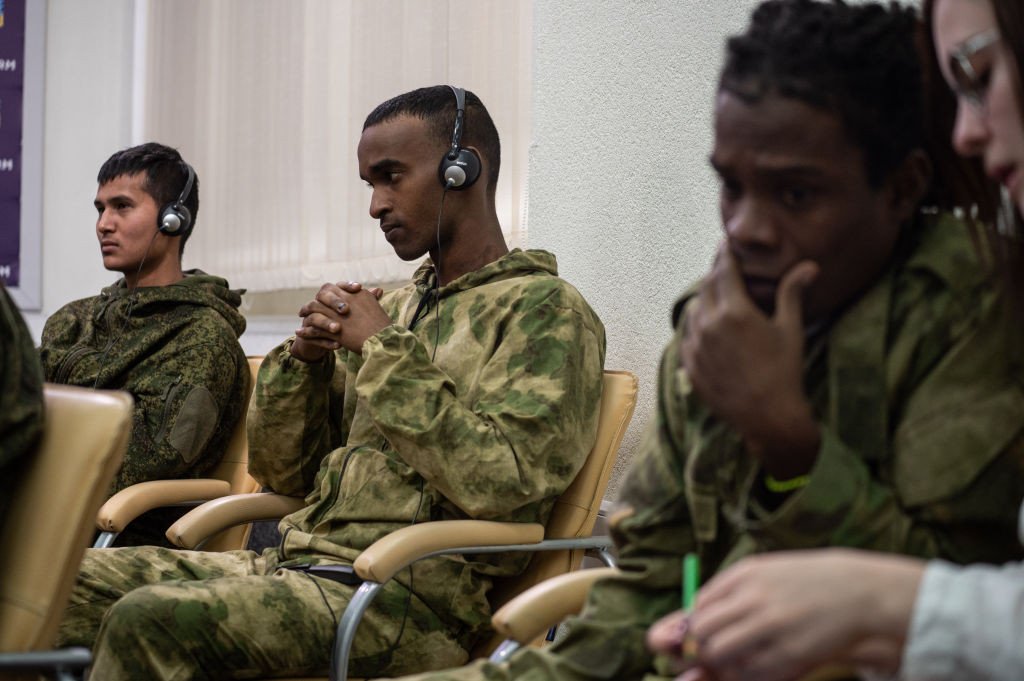
Moscow has developed a systemic mechanism to force foreign citizens into military service while avoiding the appearance of direct recruitment, Ukraine’s Foreign Intelligence Service reported on March 24.
Amid significant losses in Ukraine, the Kremlin is targeting migrants who reside in Russia without citizenship. Since most nations in Asia, Africa, and Latin America officially oppose the recruitment of their nationals, Moscow has opted for a coercive legal bypass.
We bring you stories from the ground. Your support keeps our team in the field.
By making it nearly impossible to live in the country without a Russian passport, officials are presenting a military contract as the only available path to legal status and citizenship.
The Russian Ministry of Internal Affairs has reported a massive spike in administrative pressure, with over 157,000 foreigners forcibly expelled in 2024. While expulsion rates dropped in 2025 due to reported funding shortages, Ukraine’s Foreign Intelligence Service notes that those remaining are being funneled toward the front lines.
New legislative amendments have expanded the grounds for state pressure, allowing authorities to target foreigners for alleged extremism, threats to “information security,” or violations regarding religious legislation. Under these new rules, expulsion becomes the primary punishment for minor infractions, leaving migrants with a binary choice between deportation or the battlefield.

While rising fines usually lead to increased bribery within the Russian system, the intelligence report suggests the primary goal is not financial. Instead, the Kremlin aims to create a climate of fear that compels migrants to “voluntarily” sign military contracts to normalize their families' legal standing and avoid state persecution.
According to Ukraine’s Foreign Intelligence Service, this strategy allows Moscow to bolster its ranks with foreign manpower while maintaining the diplomatic fiction that no forced recruitment is taking place.
The systematic recruitment of foreign nationals has become a cornerstone of Russian manpower strategy as the Kremlin seeks to avoid another wave of domestic mobilization. In early 2026, investigations revealed that Moscow has expanded its reach into Southeast Asia and Africa, offering high salaries and passports to those willing to serve.
As international pressure mounts on nations whose citizens are being funneled into the conflict, the Russian government is increasingly relying on administrative coercion within its own borders to maintain a steady flow of expendable troops for the offensive against Ukraine.
Discuss this article:



-c439b7bd9030ecf9d5a4287dc361ba31.jpg "Photo of Katherina Popilnichenko")