- Category
- World
How China Is Already Preparing for a Post-Putin Russia
 Prefer U24 Media on Google
- Authors


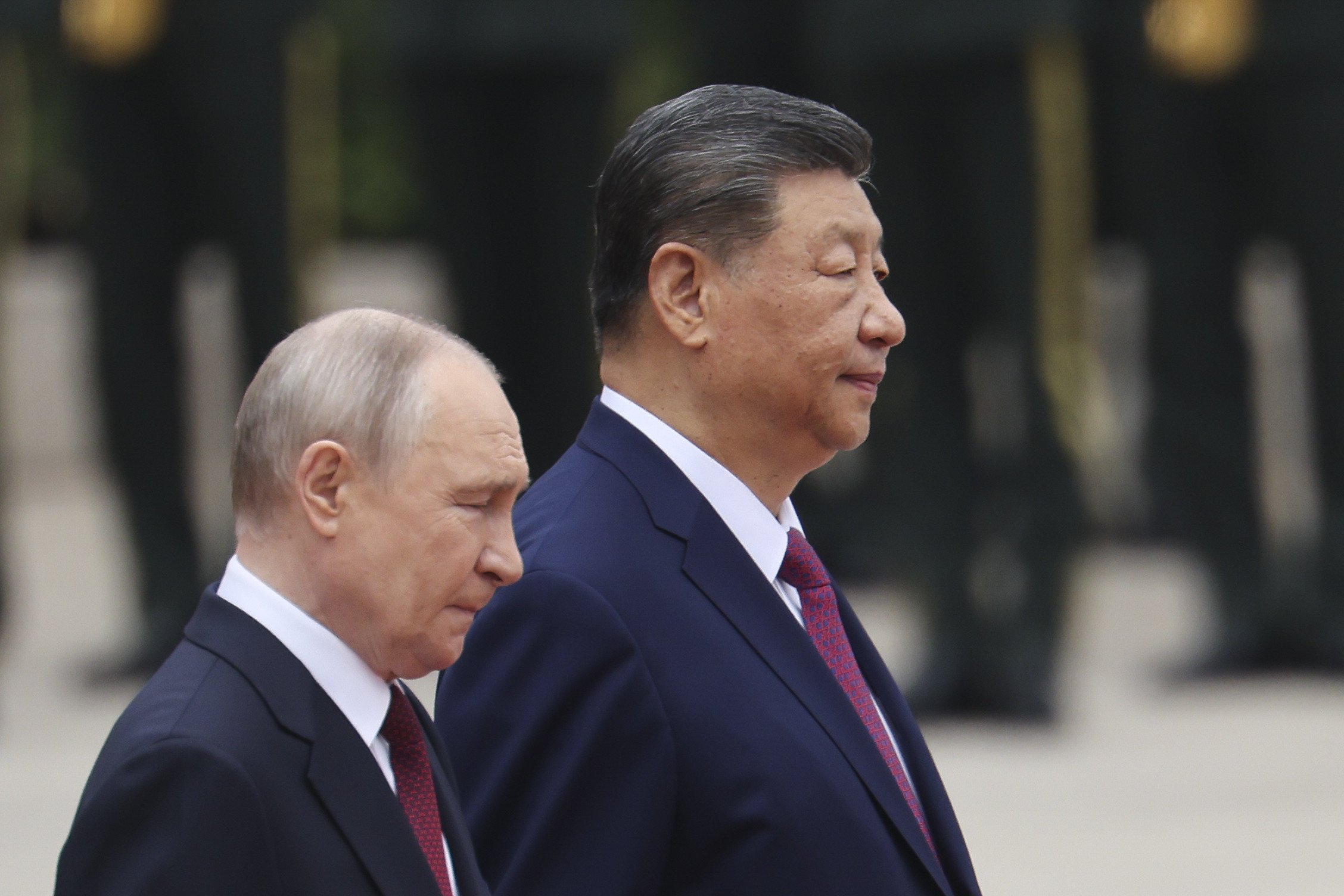
China is quietly broadening its political and institutional ties inside Russia beyond Vladimir Putin and his inner circle, seeking to strengthen relationships with officials and members of the country’s ruling elite who could shape Russia after Putin leaves power.
We bring you stories from the ground. Your support keeps our team in the field.
According to The Wall Street Journal, citing current and former officials, analysts, and people familiar with the matter, Beijing is expanding its influence across Russia’s political establishment while avoiding public moves that could be perceived as undermining Vladimir Putin.
Chinese officials increasingly view Russia as a long-term strategic partner whose political landscape could eventually change, prompting Beijing to cultivate ties beyond the current Kremlin leadership.
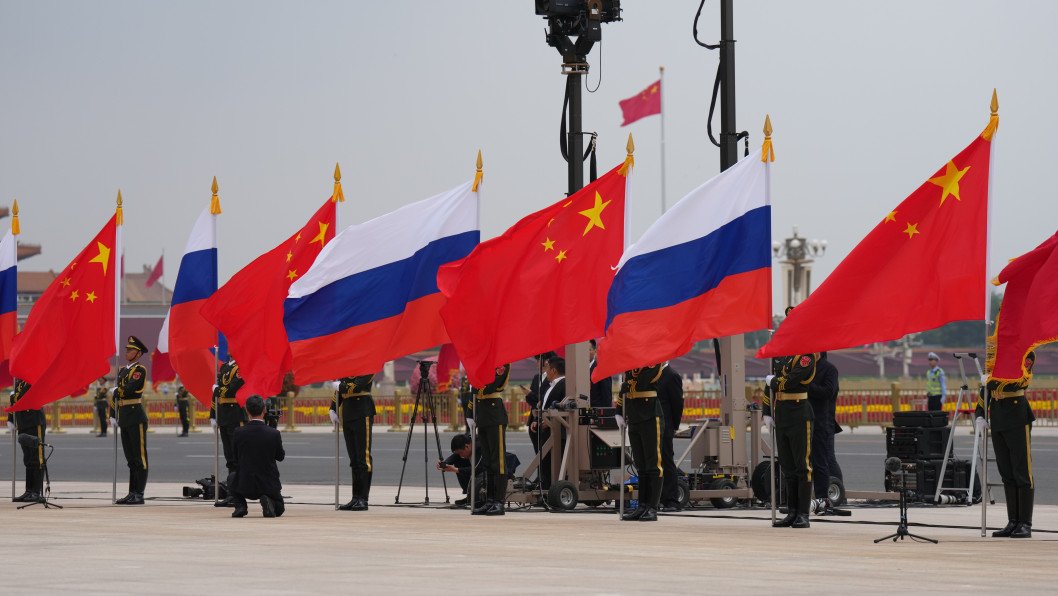
The newspaper also reports that Moscow has become increasingly reluctant to publicly address alleged Chinese espionage or recruitment of Russian officials for fear of damaging bilateral relations.
The Wall Street Journal says Russia’s economic dependence on China has deepened since the full-scale invasion of Ukraine and the collapse of ties with the West. China now accounts for about 40% of Russia’s foreign trade, up from roughly 10% in 2013, while Russia represents less than 4% of China’s global trade.
The newspaper also reports that Beijing has extracted concessions from Moscow in Central Asia. According to Chinese government advisers and diplomats cited by The Wall Street Journal, Russia has reversed its long-standing opposition to using the Chinese yuan as the main currency of a planned Shanghai Cooperation Organization development bank—a shift attributed to Russia’s growing financial isolation under Western sanctions.
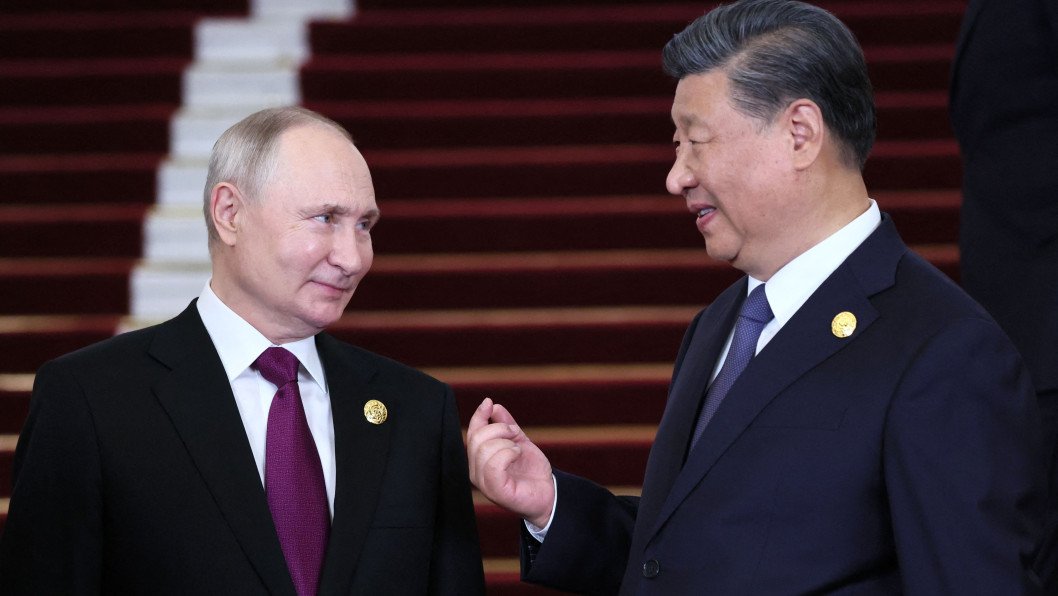
Negotiations over the proposed Power of Siberia 2 gas pipeline are presented as another example of Beijing’s leverage.
According to The Wall Street Journal, Chinese officials have insisted Russia sell gas at prices comparable to its subsidized domestic market and told Gazprom representatives not to revisit the issue until Moscow accepts those terms. No agreement on the project was signed during Putin’s latest visit to China.
Alexander Gabuev, director of the Carnegie Russia Eurasia Center in Berlin, told The Wall Street Journal: “China has a really great opportunity to turn Russia into a sort of giant Laos, a giant Pakistan. A country much more dependent on China, much more closely tied to it, much more likely to see China as its model and source of ideas about modernity.”
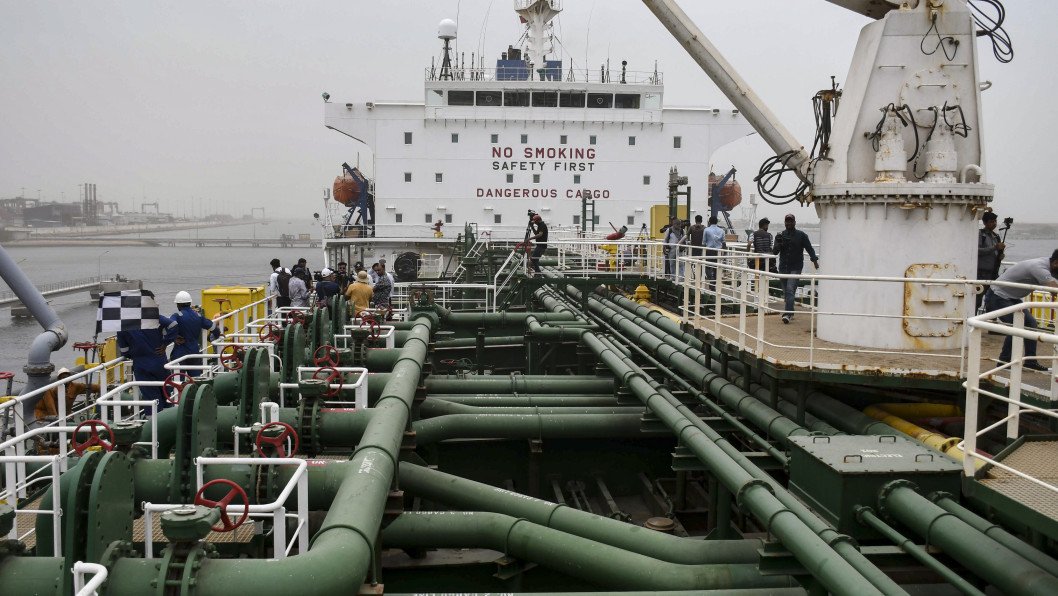
German businessman Jörg Wuttke also questioned China’s incentive to approve the pipeline, saying: “Xi received Putin as an emperor receives a guest in his castle, and sent him home.”
According to The Wall Street Journal, Beijing has continued expanding economic ties with Moscow while avoiding steps that could expose Chinese institutions to secondary Western sanctions. The Power of Siberia 2 project remains stalled, with gas pricing still the main obstacle.
Earlier, The Hill cited political scientist Alexander Motyl as arguing that China’s preferred outcome is neither a Russian victory nor defeat, but a weakened Russia that remains increasingly dependent on Beijing while continuing to divert US attention.
Discuss this article:
-9a7b3a98ed5c506e0b77a6663f5727c5.png)

-c439b7bd9030ecf9d5a4287dc361ba31.jpg "Photo of Katherina Popilnichenko")