- Category
- World
Putin Signs Law Stripping Russians Abroad of Banking, Passport, and Property Rights
 Prefer U24 Media on Google
- Authors

-111f0e5095e02c02446ffed57bfb0ab1.jpeg "Photo of Roman Kohanets")
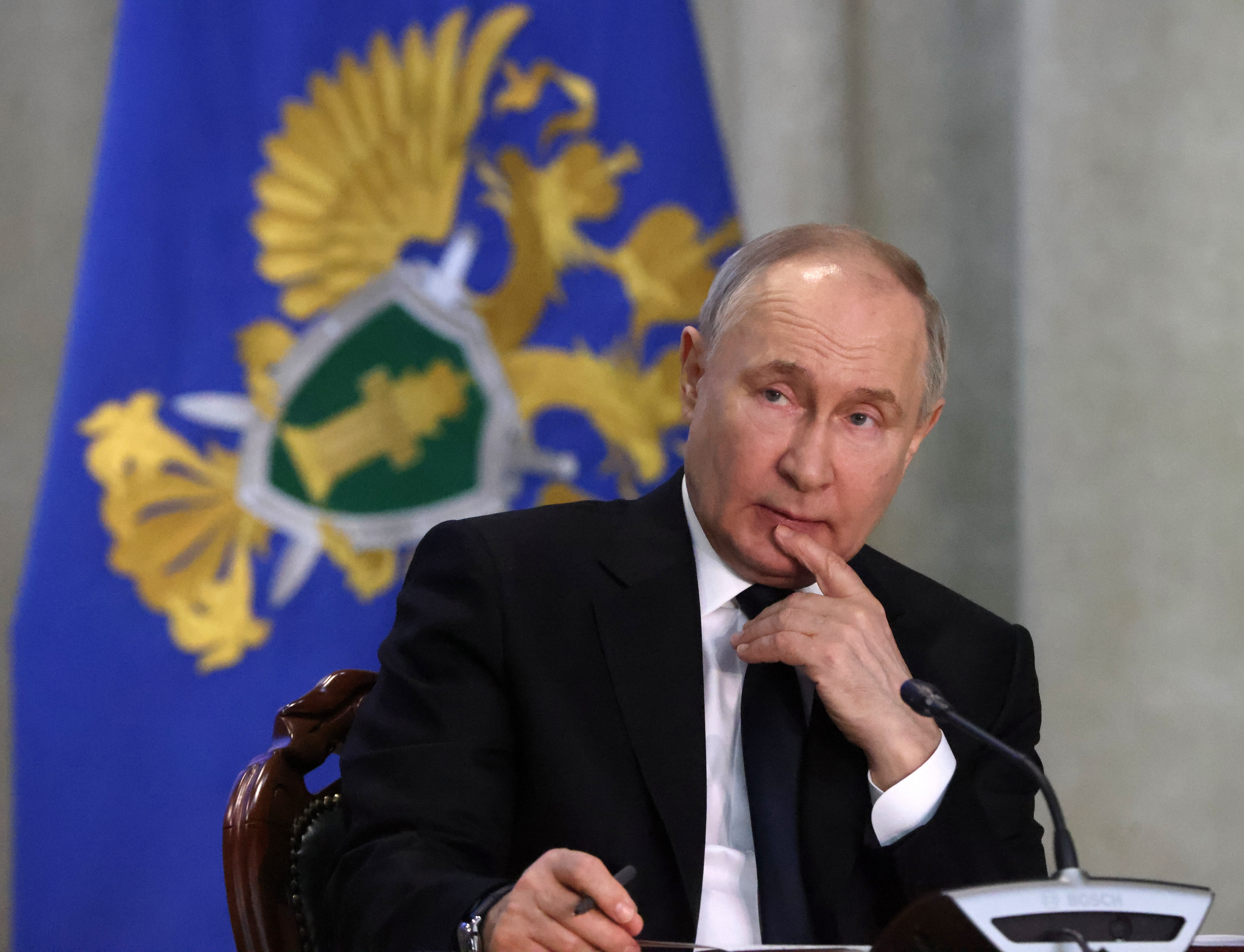
The Russian leader, Vladimir Putin, signed a law imposing sweeping restrictions on citizens abroad convicted in absentia under criminal or specified administrative provisions, centered on a new centralized blacklist, according to The Moscow Times on August 4.
The State Duma approved the document on July 22, and the Federation Council followed on July 24, The Moscow Times reported.
We bring you stories from the ground. Your support keeps our team in the field.
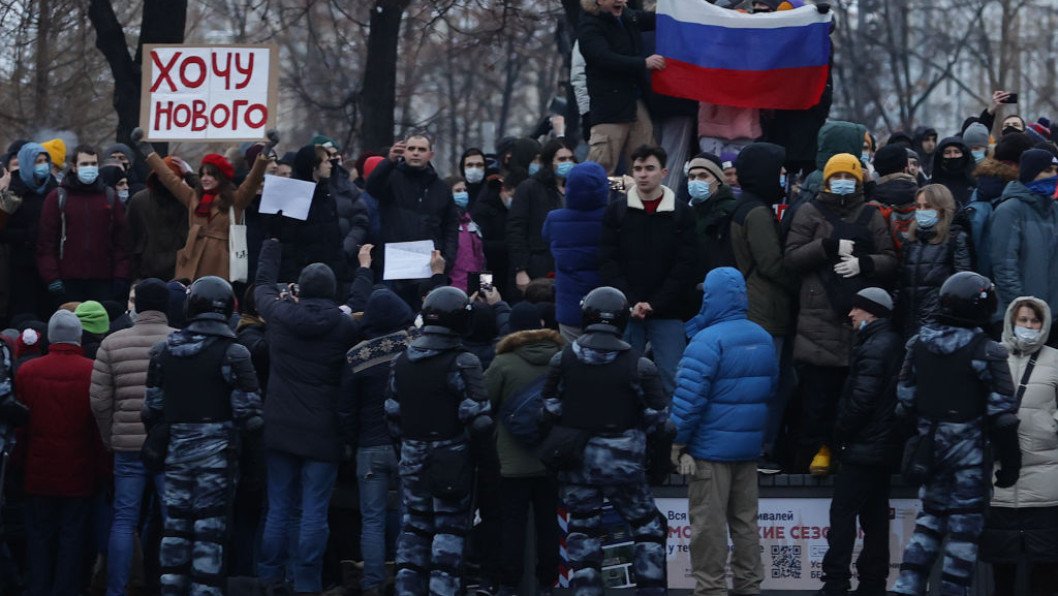
The measures apply to Russians sentenced under any article of the Criminal Code, as well as to certain political provisions of the administrative code.
Those include failure to follow labeling and reporting rules under the “foreign agent” law, involvement with banned “undesirable organizations,” public criticism deemed to “discredit” the armed forces, and calls for sanctions or challenges to Russia’s territorial claims.
The Justice Ministry will maintain an official list of those the state deems to be "evading" their sentences while living abroad.
The Prosecutor General and his deputy hold the authority to add names to the list. The database is then shared with the interior ministry, the FSB , prison and bailiff services, tax and property-registration bodies, and the central bank to enforce the measures.
Individuals placed on the list face a complete ban on remote banking and a full denial of electronic state and municipal services through the Gosuslugi portal. Real estate transactions are blocked, and their money and property are frozen.
The law also effectively cuts off consular services abroad. Russian embassies and consulates will no longer issue new foreign passports to blacklisted citizens, issuing only a document confirming the person’s existence.
Registration as a sole proprietor or self-employed worker, budget payments, loans, and any action taken through the power of attorney are likewise prohibited.
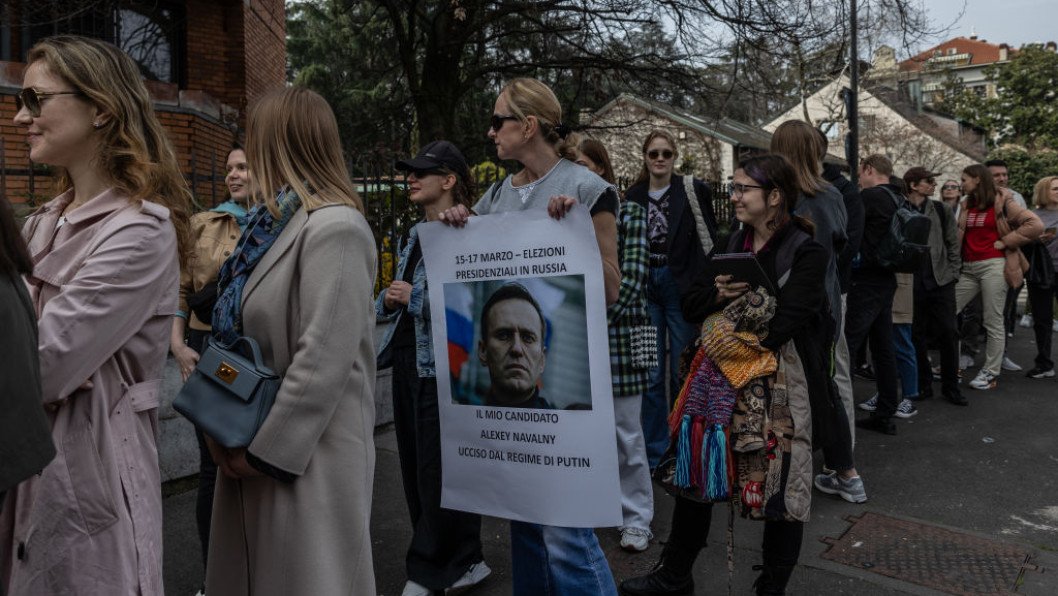
Experts at the First Department earlier compared the scope of the measures to an effective loss of citizenship, describing the law as "resembling the actual deprivation of citizenship."
The state retains jurisdiction and control over the individual and continues to demand that the sentence be served, the experts noted, while withholding a substantial portion of the rights normally associated with citizenship.
Earlier, in June, separate legislation opened the way for authorities to seize the domestic property of citizens abroad accused of acting against the constitutional order, permitting confiscation of assets regardless of value and their use as security in cases tried in absentia. That measure is set to take effect on September 1.
Discuss this article:
-4a56a6b482ec132402c16ef6fcabf9a2.png)


-c439b7bd9030ecf9d5a4287dc361ba31.jpg "Photo of Katherina Popilnichenko")