- Category
- World
New Russian Law Allows Authorities to Seize Domestic Property of Citizens Living Abroad
 Prefer U24 Media on Google
- Authors


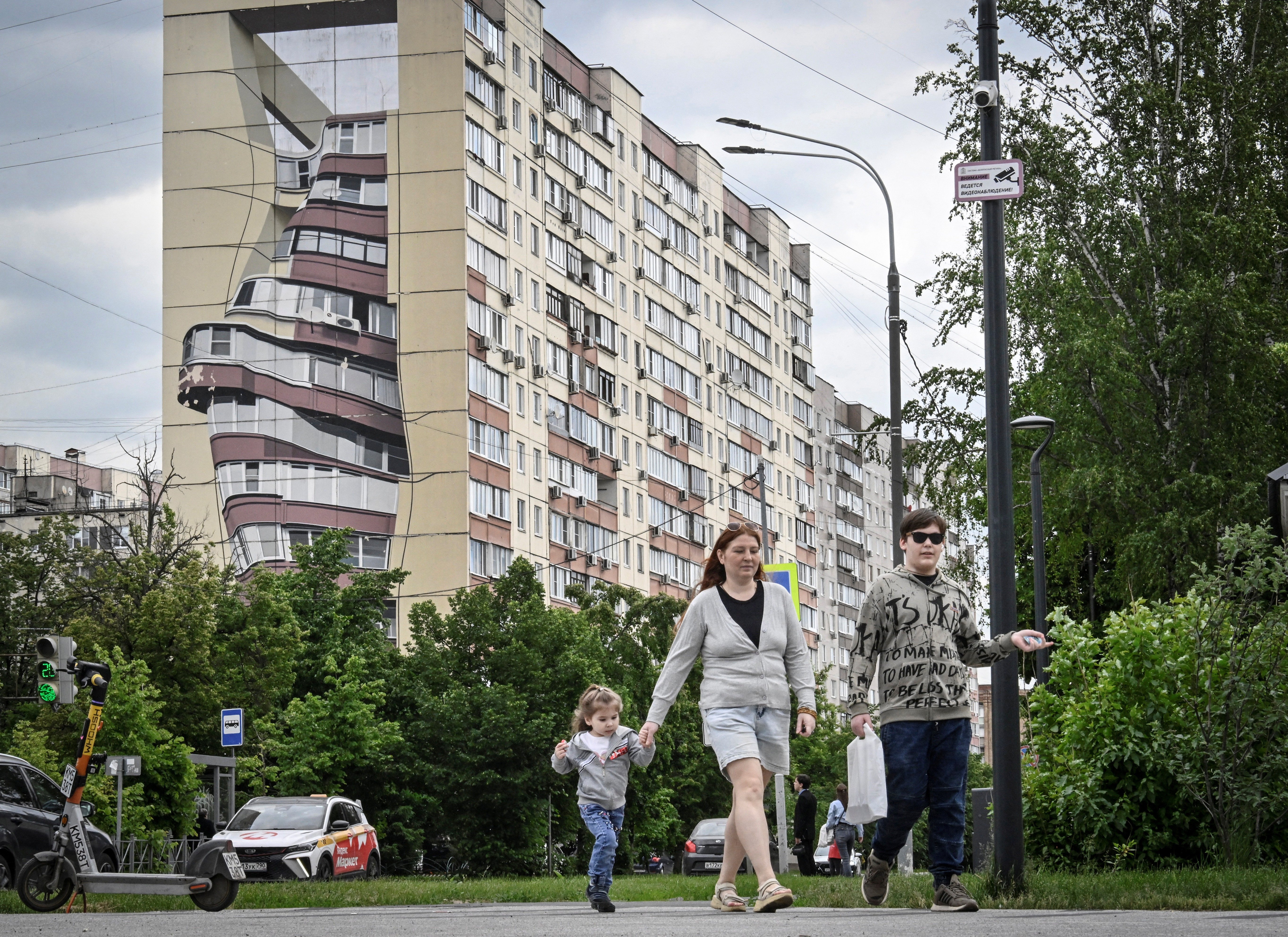
Russia’s upper house has approved legislation that would allow authorities to seize property belonging to Russian citizens living abroad who are accused of “public actions against the foundations of the constitutional order, state and public security,” state media reported.
According to The Moscow Times on June 3, the measure, endorsed by the Federation Council, follows its earlier approval by the State Duma in late May and introduces a legal mechanism for the in absentia prosecution of so-called “relocated” Russians, while permitting their assets inside Russia to be used as security in administrative cases.
We bring you stories from the ground. Your support keeps our team in the field.
The law broadens the scope of offenses for which individuals may be tried in absentia, including “discrediting” the Russian army, involvement in “undesirable organizations,” violations of “foreign agent” regulations, calls for sanctions, abuse of media freedoms, dissemination of “extremist materials,” and the alleged equating of the Soviet Union with Nazi Germany.
Under the new framework, courts will be able to impose seizure measures on property regardless of its value, meaning assets worth millions of rubles could be frozen even in cases involving relatively small fines.
If the accused is located abroad, they will be formally notified by mail. The law is scheduled to come into force on 1 September 2026, The Moscow Times reported.

The explanatory note accompanying the legislation cites what it describes as “clear examples” of emigrants engaging in activities against Russia’s interests and argues that preventive measures are necessary to deter such behavior. It also claims the law will help curb calls for violations of Russia’s territorial integrity and constitutional order.
Alongside legislative moves inside Russia, accounts from temporarily occupied regions point to parallel administrative practices on the ground. Russian authorities are placing migrants in housing belonging to Ukrainians in occupied areas of Kherson region and Crimea, according to the partisan movement ATESH.
The group said it has recorded a significant influx of foreign nationals into several occupied cities, including Melitopol and Yevpatoria, with most arrivals allegedly coming from Cuba and India.
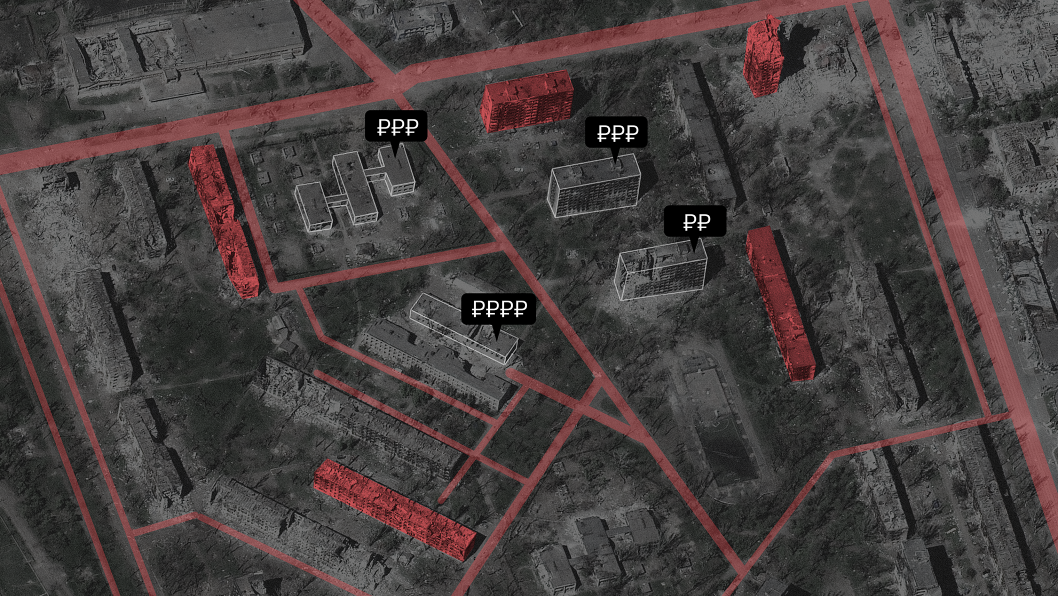
According to ATESH, these migrants are being recruited for low-paid jobs in public utilities and housing services, offered Russian citizenship, and accommodated in so-called “ownerless” properties left behind after residents fled the occupation.
The movement said the policy is driven by multiple factors, including a severe labor shortage caused by the departure of local residents from the Kherson region under occupation conditions. It also alleged that the practice is aimed at altering the demographic structure of the occupied territories in favor of groups considered more “loyal” to the Kremlin.
Additionally, Russian-installed authorities in temporarily occupied Crimea announced an expansion of their list of assets designated for seizure, adding property associated with 84 more individuals and companies. The updated list reportedly includes Ukrainian heavyweight boxing champion Oleksandr Usyk, who was born in Simferopol.
Discuss this article: