- Category
- World
EU Steps In to Help Hungary and Slovakia Cut Final Ties to Russian Oil
 Prefer U24 Media on Google
- Authors

-c439b7bd9030ecf9d5a4287dc361ba31.jpg "Photo of Katherina Popilnichenko")
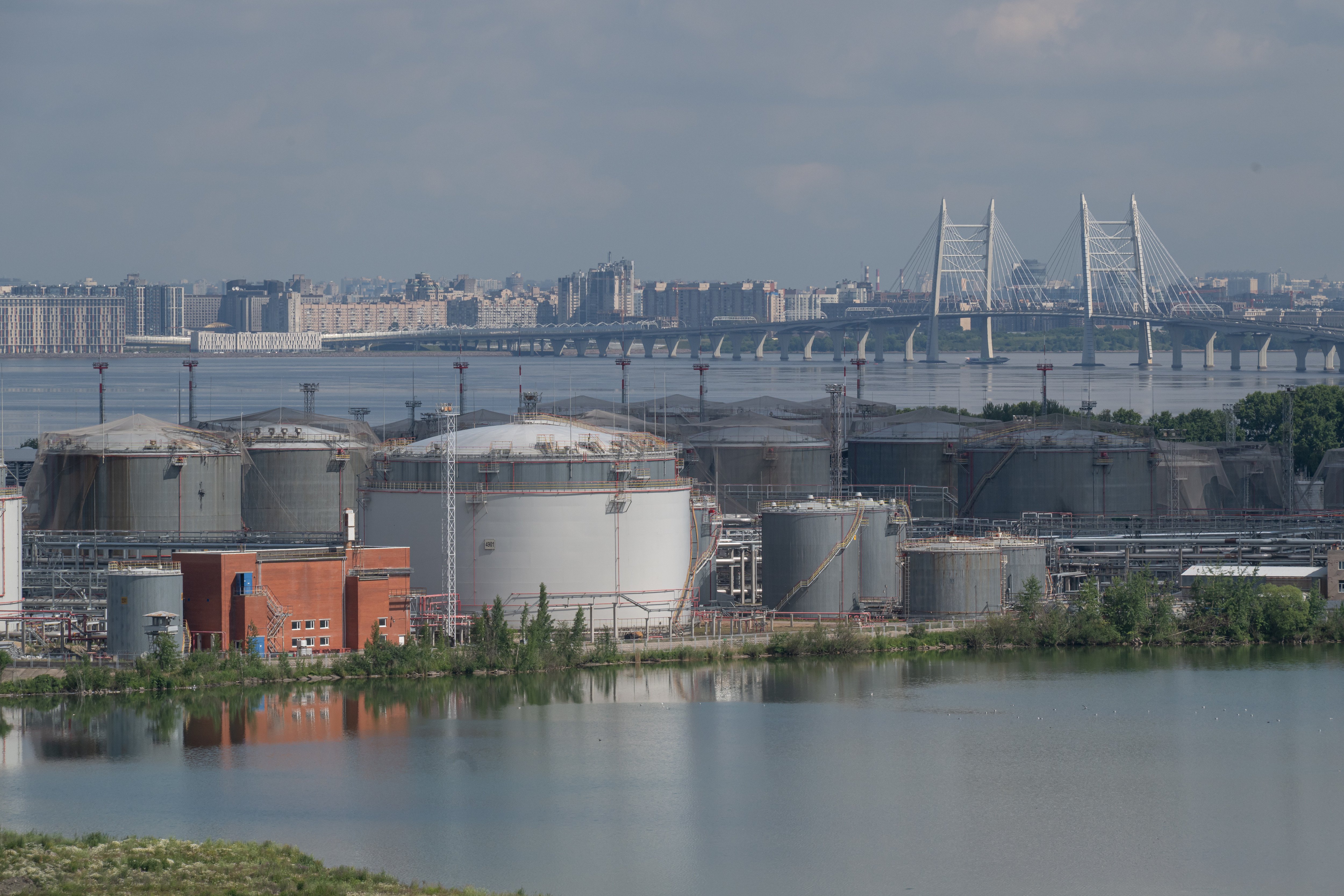
The European Union is taking action to assist Hungary and Slovakia in diversifying their energy sources and phasing out Russian crude oil.
The initiative follows growing risks to the security of oil deliveries through the Druzhba pipeline, caused by Russian strikes on Ukraine's energy infrastructure during Russia's full-scale invasion of Ukraine, according to Ukrinform on August 4.
We bring you stories from the ground. Your support keeps our team in the field.
At the same time, regional energy strain is rising, with Hungarian Prime Minister Péter Magyar warning of a possible shutdown at the country's only nuclear power plant, Paks, due to falling water levels in the Danube River.
Márk Radnai, deputy leader of the Tisza party, reported that this situation could cost Hungary between 100 and 200 billion forints ($315 to $630 million) because of the higher cost of imported electricity.
European Commission spokesperson Anna-Kaisa Itkonen addressed the strategy during a press briefing in Brussels.
-09a5916206dcf3d27f0e0ca3c664d036.jpeg)
“Our goal is to ban all Russian energy resources from the European market, and we are on the path to successfully implementing this strategy,” Itkonen said in response to questions about the total EU ban on Russian oil and energy security risks facing Hungary and Slovakia.
She pointed out that while Russian oil remains under general sanctions, temporary exceptions exist for Hungary and Slovakia.
“But, of course, we are working closely with both Hungary and Slovakia to help them diversify supplies and phase out Russian oil,” the spokesperson added.
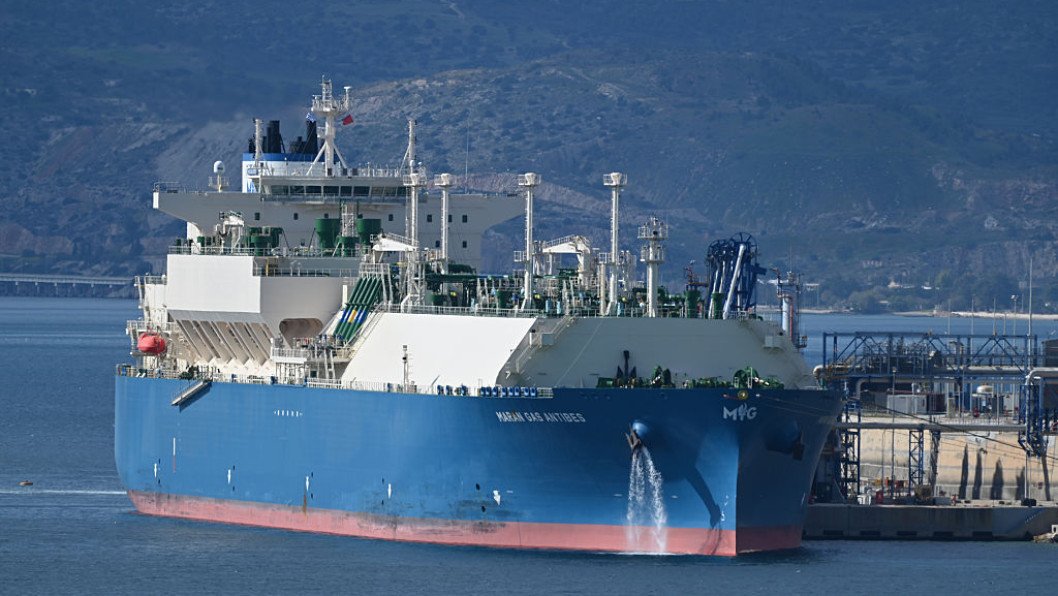
On June 4, 2026, reports confirmed that oil deliveries to Central Europe had stabilized following a late January strike by Russian forces on a key infrastructure facility linked to the Druzhba pipeline.
Deliveries to Hungary and Slovakia officially resumed in late April, reaching approximately 165,000 barrels per day throughout May.
Although flows recovered, volume levels remained below pre-suspension figures as regional energy group MOL continued to diversify its crude procurement strategy.
Discuss this article:
-4a56a6b482ec132402c16ef6fcabf9a2.png)