- Category
- Latest news
Hackers Hit Russia’s Nuclear Giant—Leaked Files Expose Iran Ties
 Prefer U24 Media on Google
- Authors


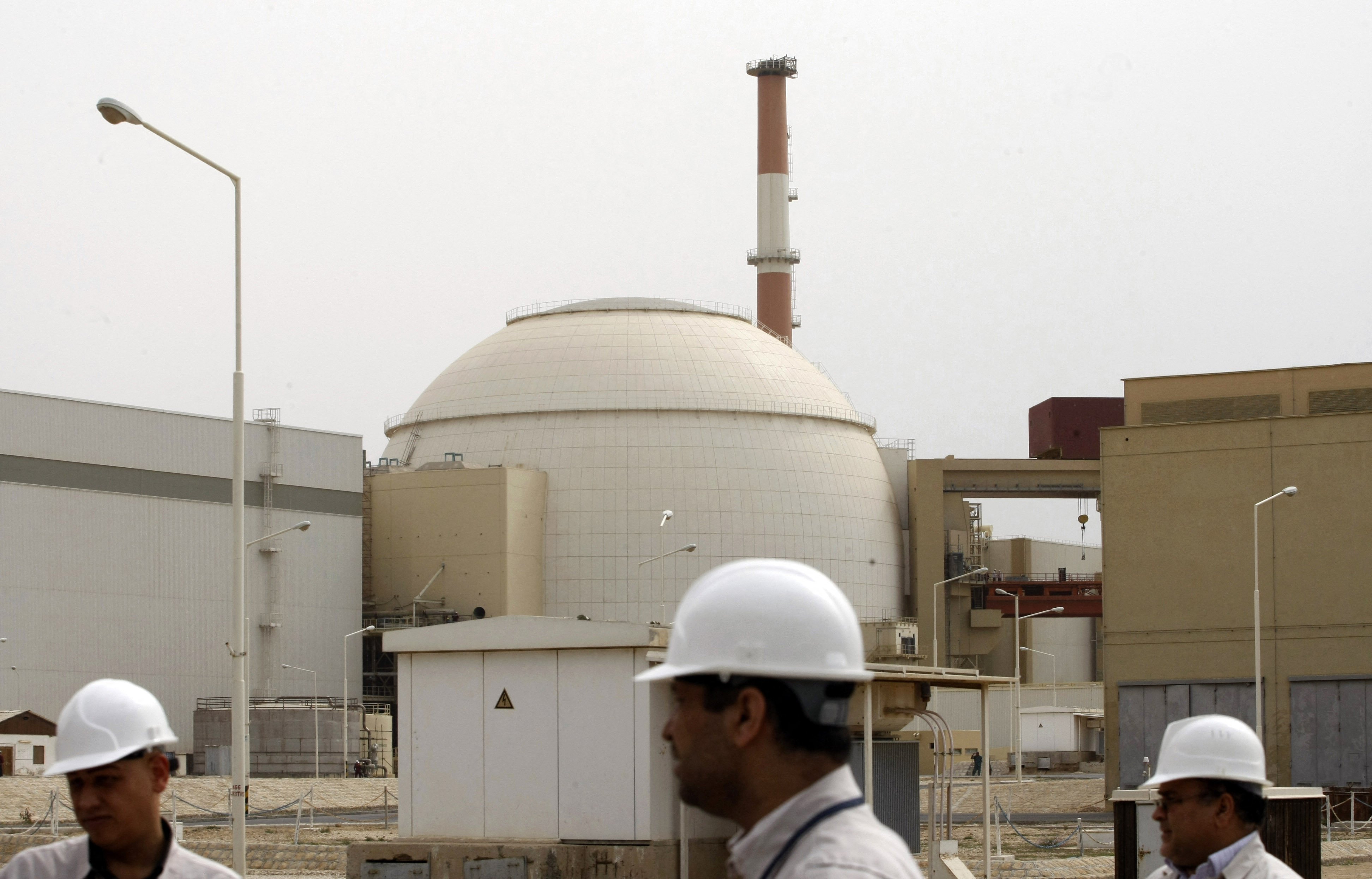
Hacktivists have reportedly breached Russia’s state nuclear corporation Rosatom and obtained hundreds of gigabytes of internal data, including documents related to its cooperation with Iran’s nuclear program.
We bring you stories from the ground. Your support keeps our team in the field.
According to the Freedom of Russia Legion , citing materials obtained by the CyberLegion group, the breach resulted in the extraction of more than 300 gigabytes of internal technical, production, and contractual documentation linked to nuclear power plant projects.
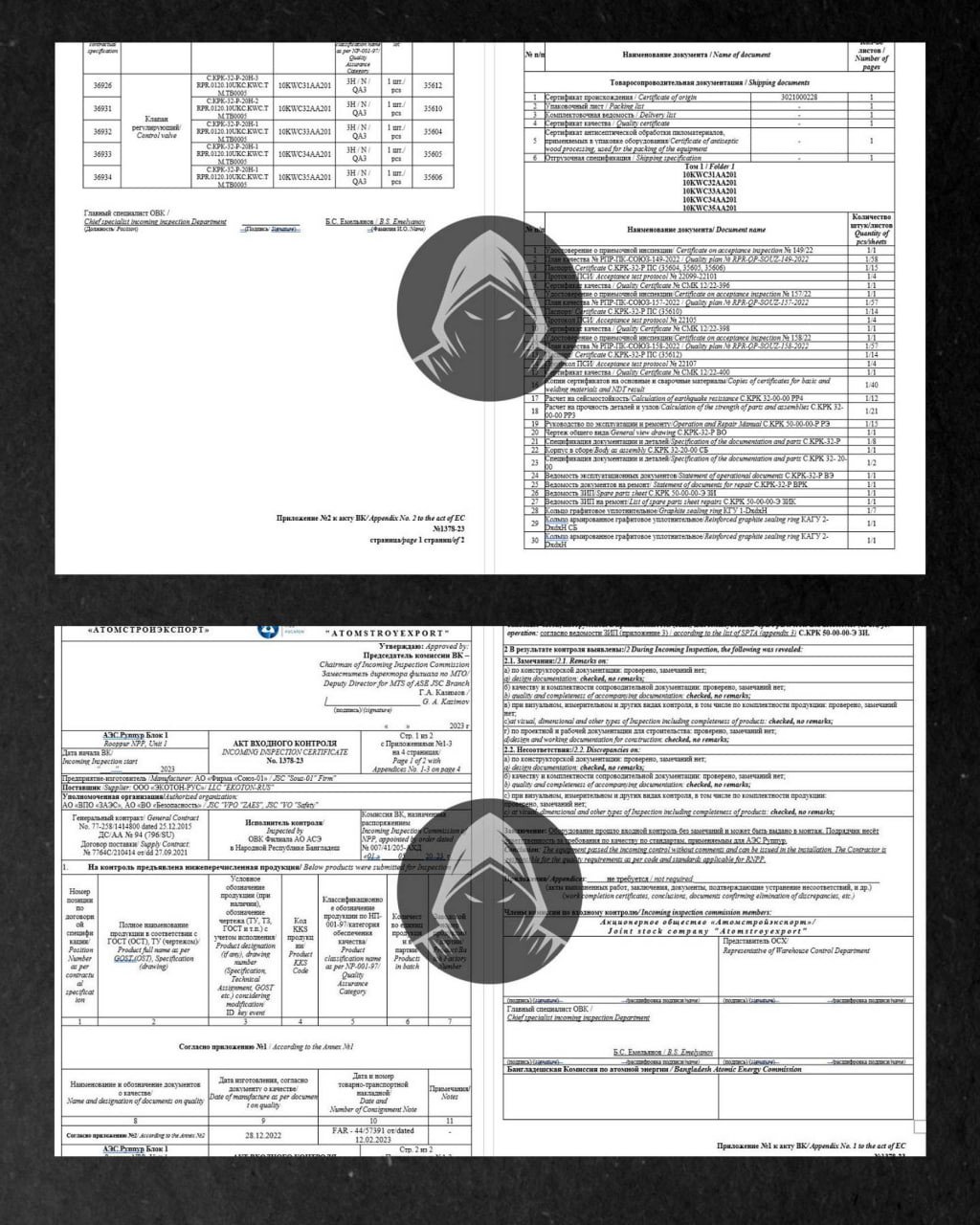
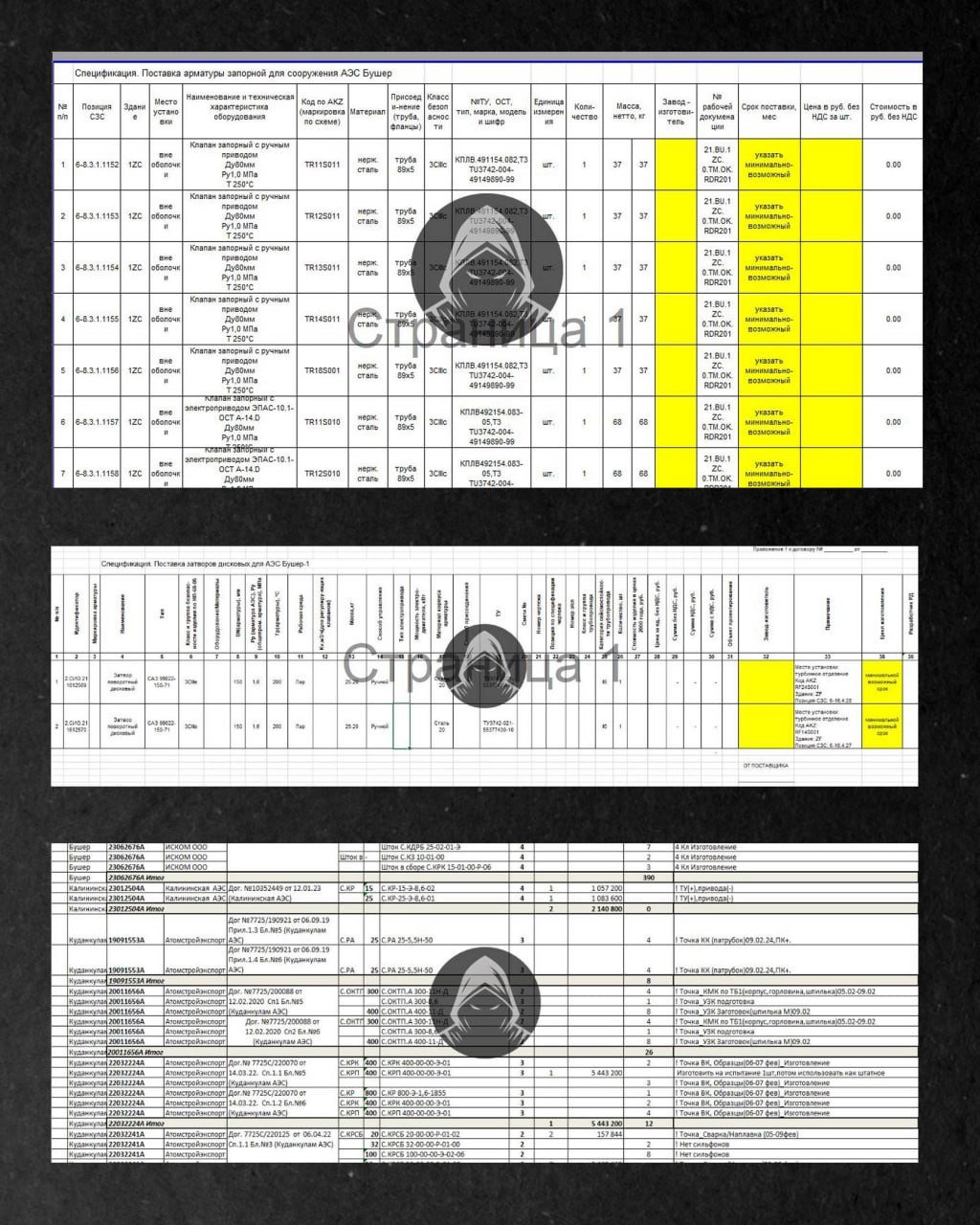
The group stated that the leaked files include detailed specifications and technical requirements for critical equipment intended for Iran’s Bushehr nuclear power plant.
These documents reportedly outline installation locations, equipment nomenclature, and compressed delivery timelines, including instructions to indicate the “minimum possible timeframe” for supply.
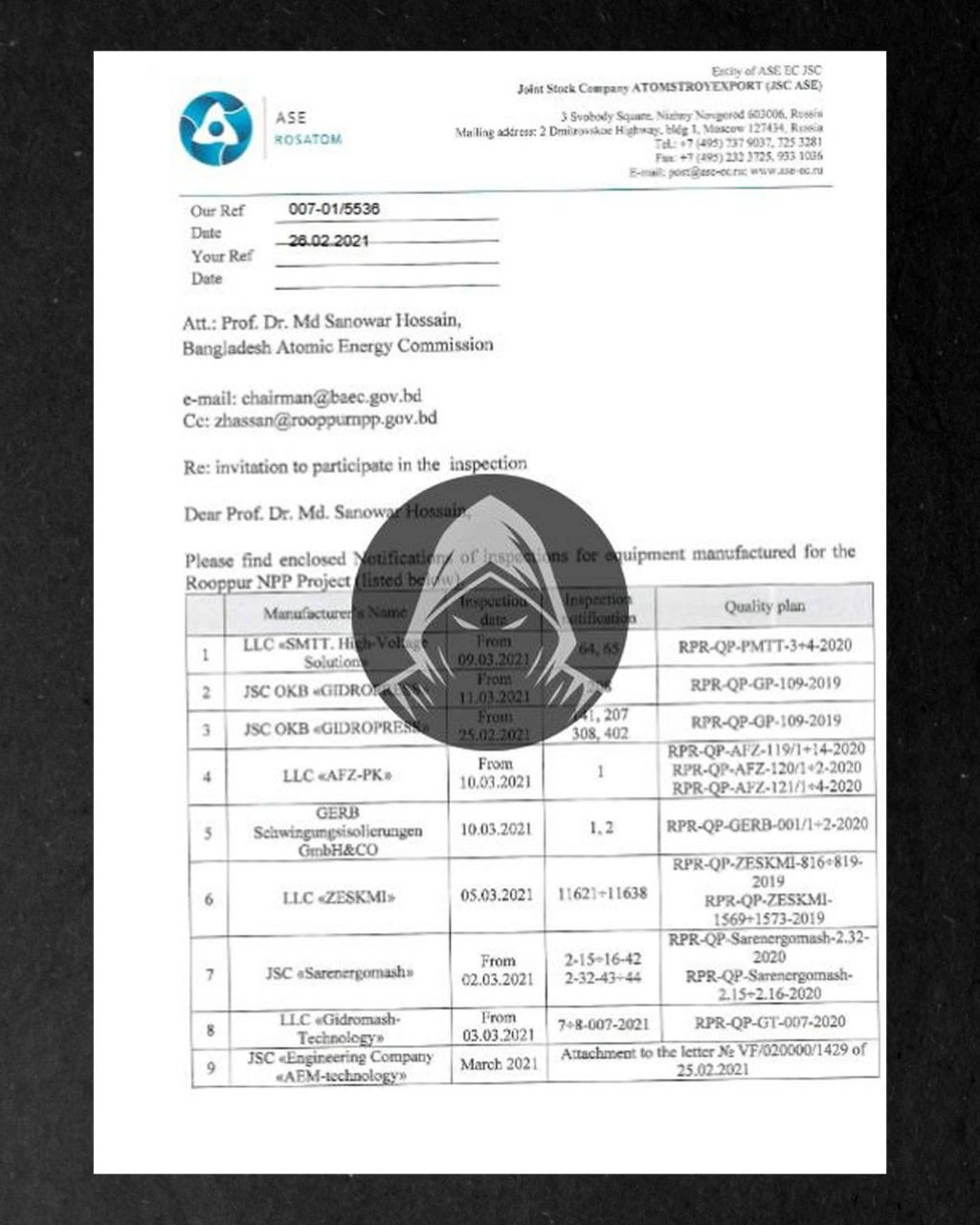
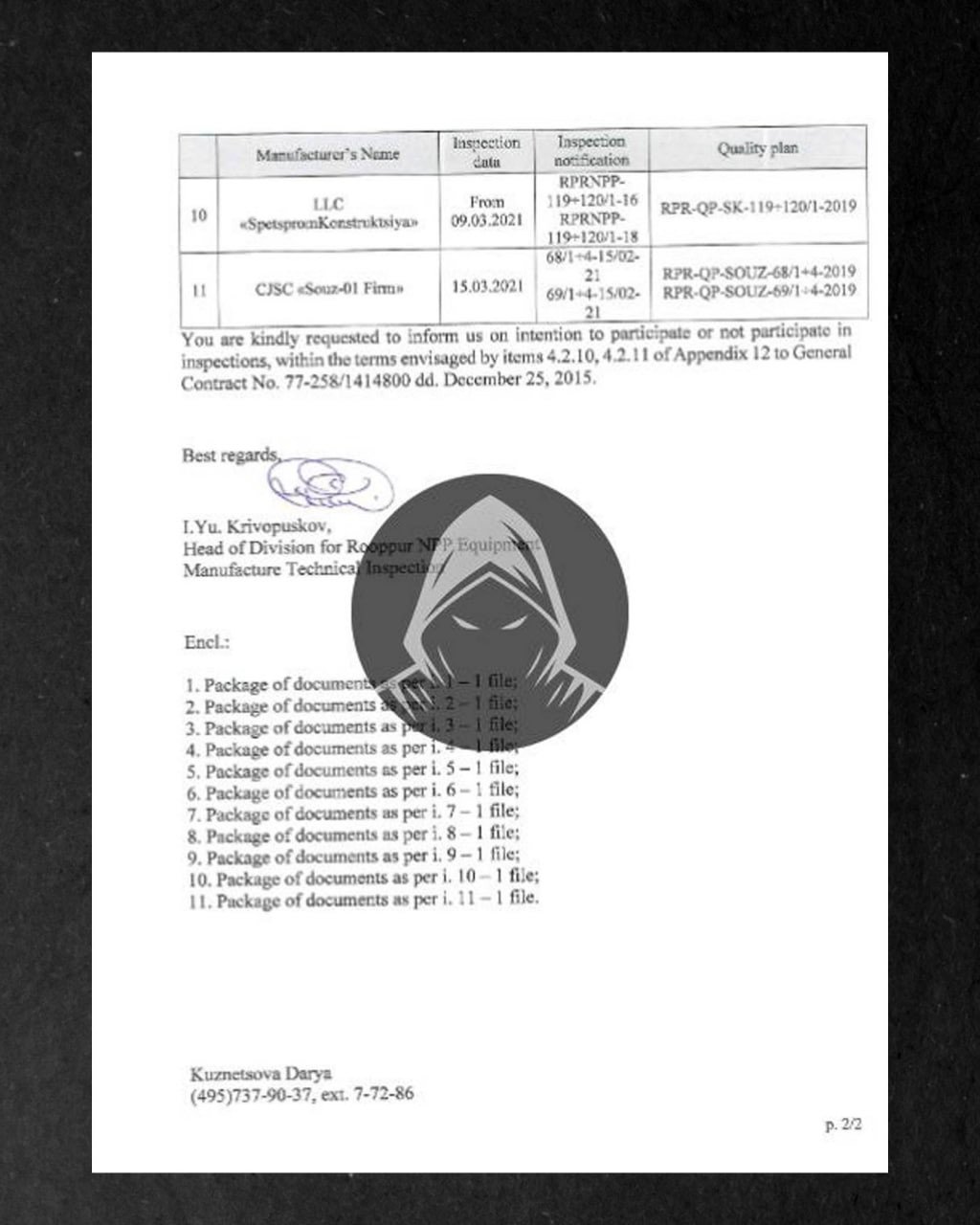
The dataset also contains large-scale production planning spreadsheets covering multiple Rosatom-linked projects, including nuclear facilities in Belarus, Russia, China, and India.
The materials reportedly include official correspondence and acts from JSC Atomstroyexport, Rosatom’s engineering division, as well as incoming inspection certificates, shipping documentation, and supplier lists.
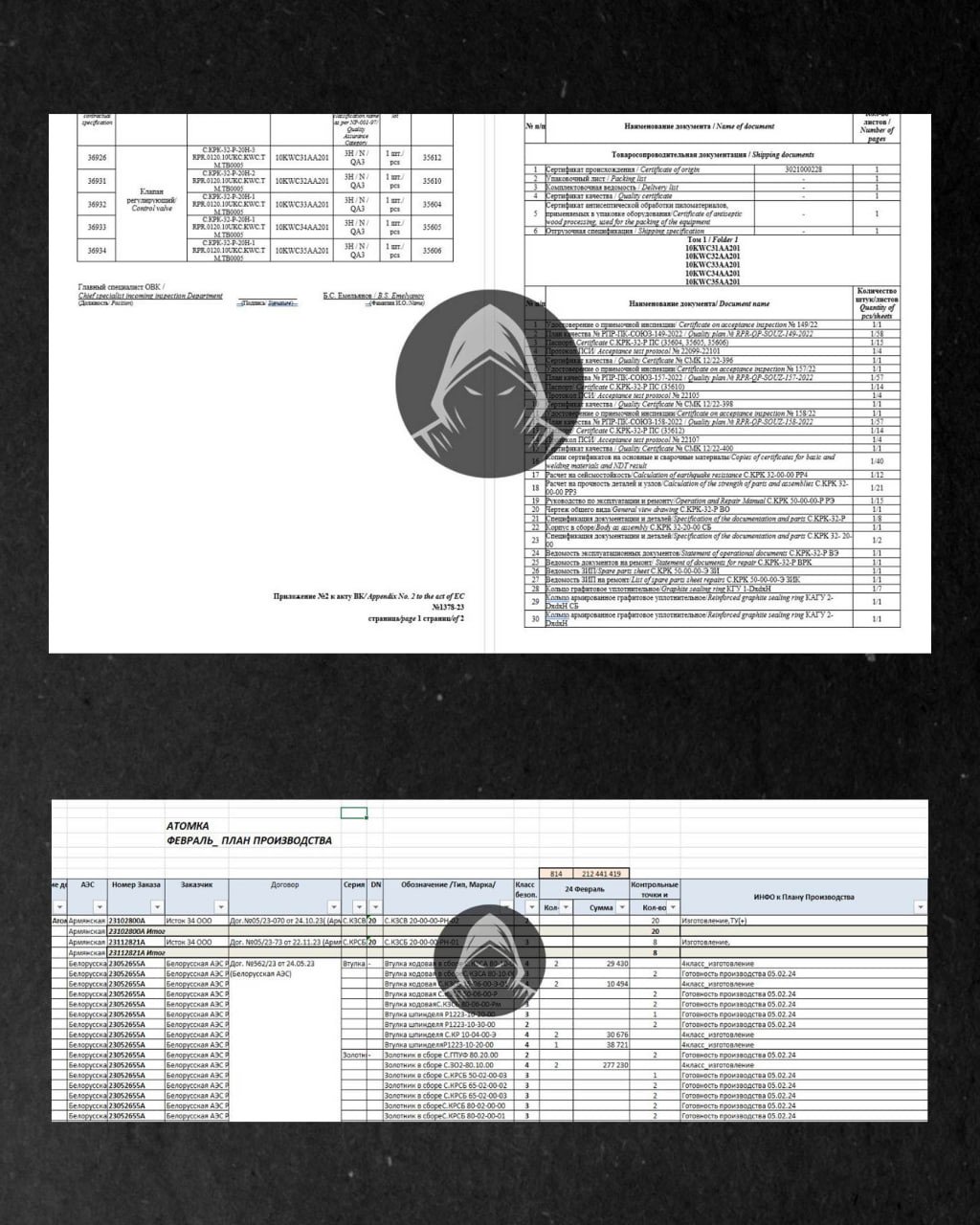
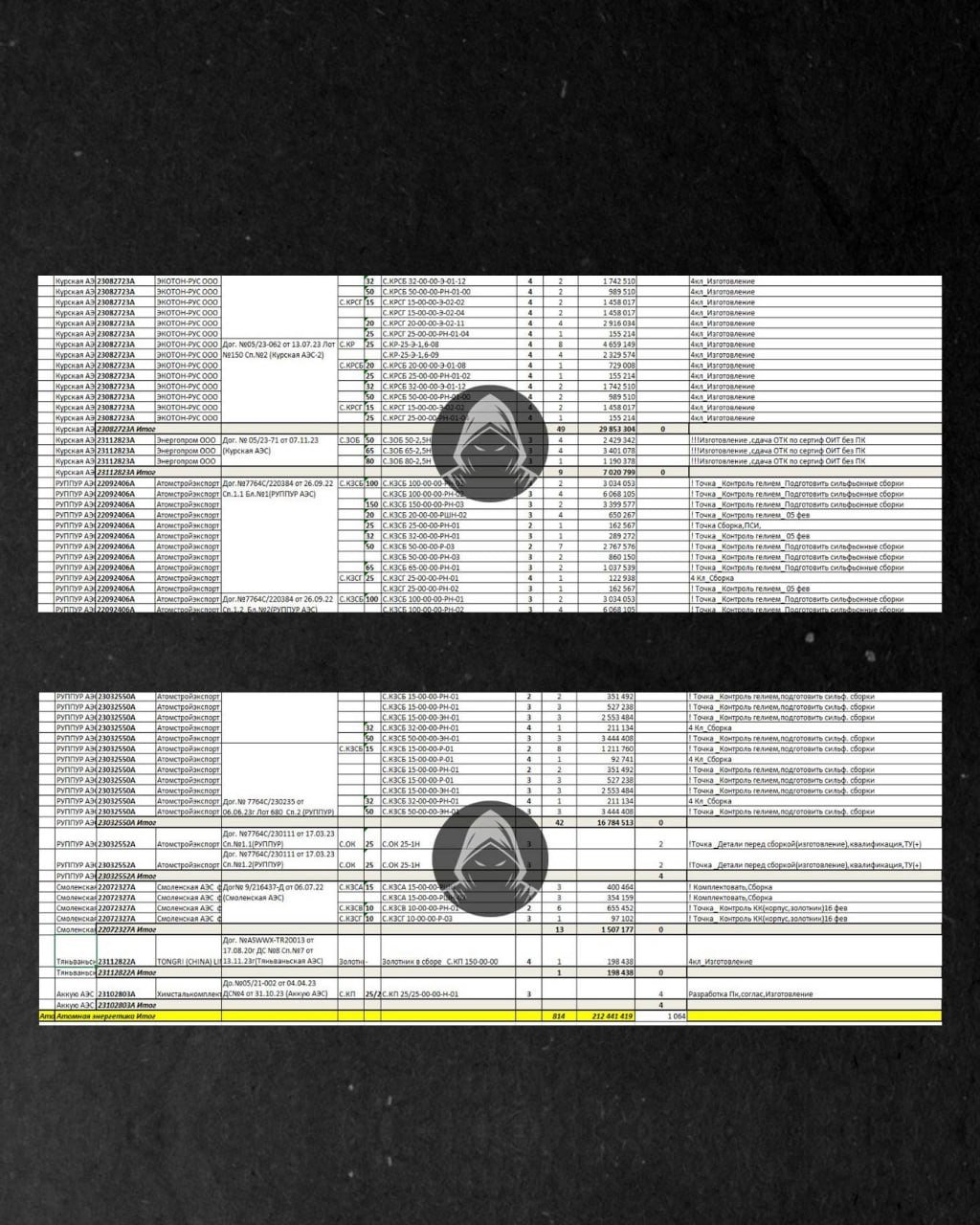
The group claims that the documents indicate accelerated deliveries of key equipment specifically for the Bushehr nuclear facility in Iran.
In a statement, the Freedom of Russia Legion said: “We consider that the leak and the mass evacuation are directly connected: the documents show how intensively Rosatom invested in the Iranian nuclear project, and current events demonstrate how quickly this project came under threat.”
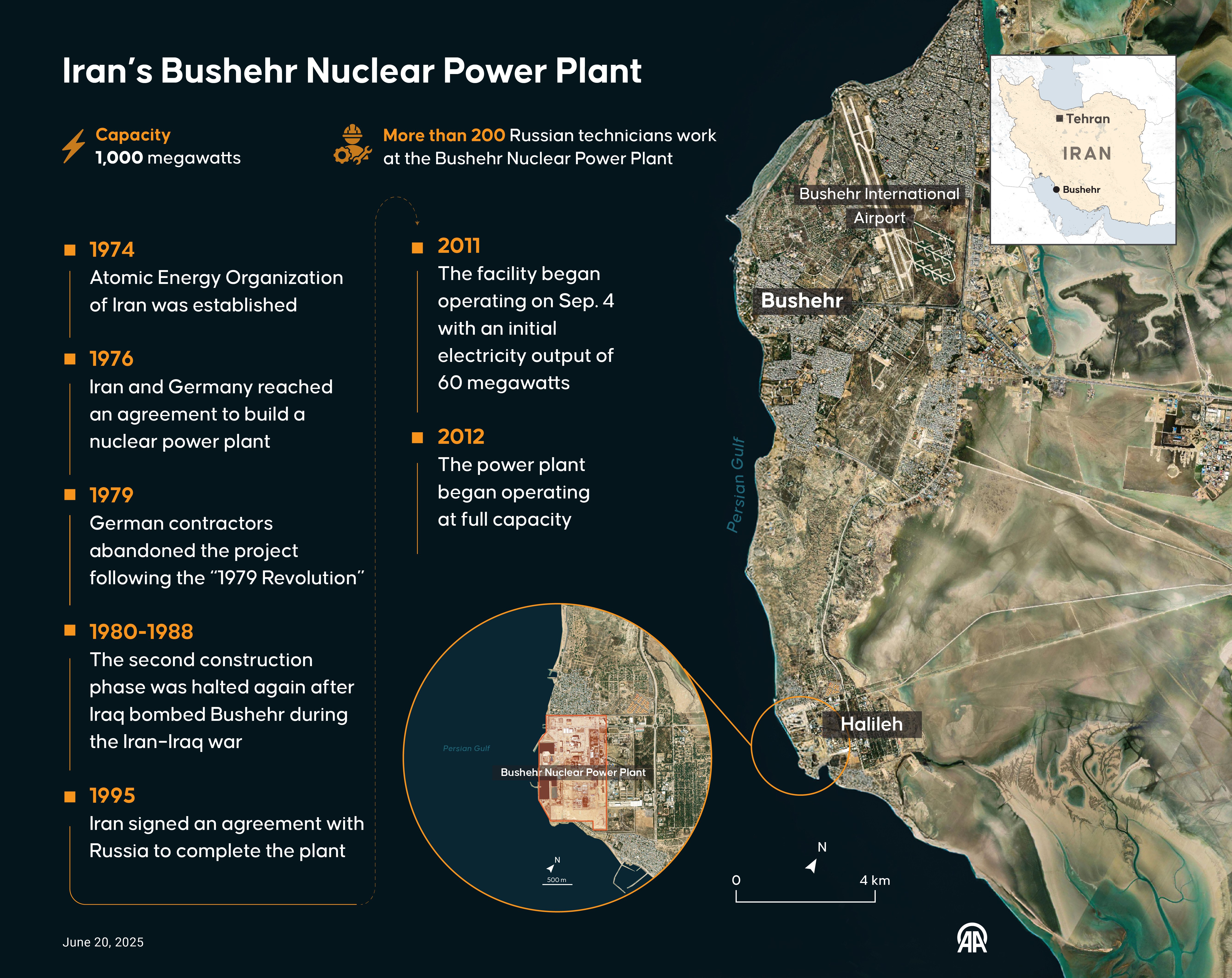
According to the same source, Rosatom has recently begun evacuating personnel from Iran. The group reported that a team of 175 employees departed on a special flight from Yerevan to Moscow, with buses leaving the Bushehr site shortly after a reported strike near the facility.
Bushehr remains Iran’s only operational nuclear power plant. According to Reuters, Russia and Iran signed an agreement in 2014 to construct additional reactor units at the site, with construction ongoing.
Earlier, Russia reportedly provided Iran with a list of 55 critical Israeli energy infrastructure sites that could be targeted in potential strikes, according to The Jerusalem Post, citing a source close to Ukrainian intelligence.
Discuss this article:
-9a7b3a98ed5c506e0b77a6663f5727c5.png)




-80134f2dc17b4a887d01513a1c7bc929.png "Illustration of Russian military infrastructure targeted by Ukrainian strikes in temporarily occupied eastern Ukraine. (Source: General Staff of the Armed Forces of Ukraine)")