- Category
- World
Russia Plans Fivefold Increase in Economic Crime Fines Amid Rising War Spending and Budget Deficit
 Prefer U24 Media on Google
- Authors


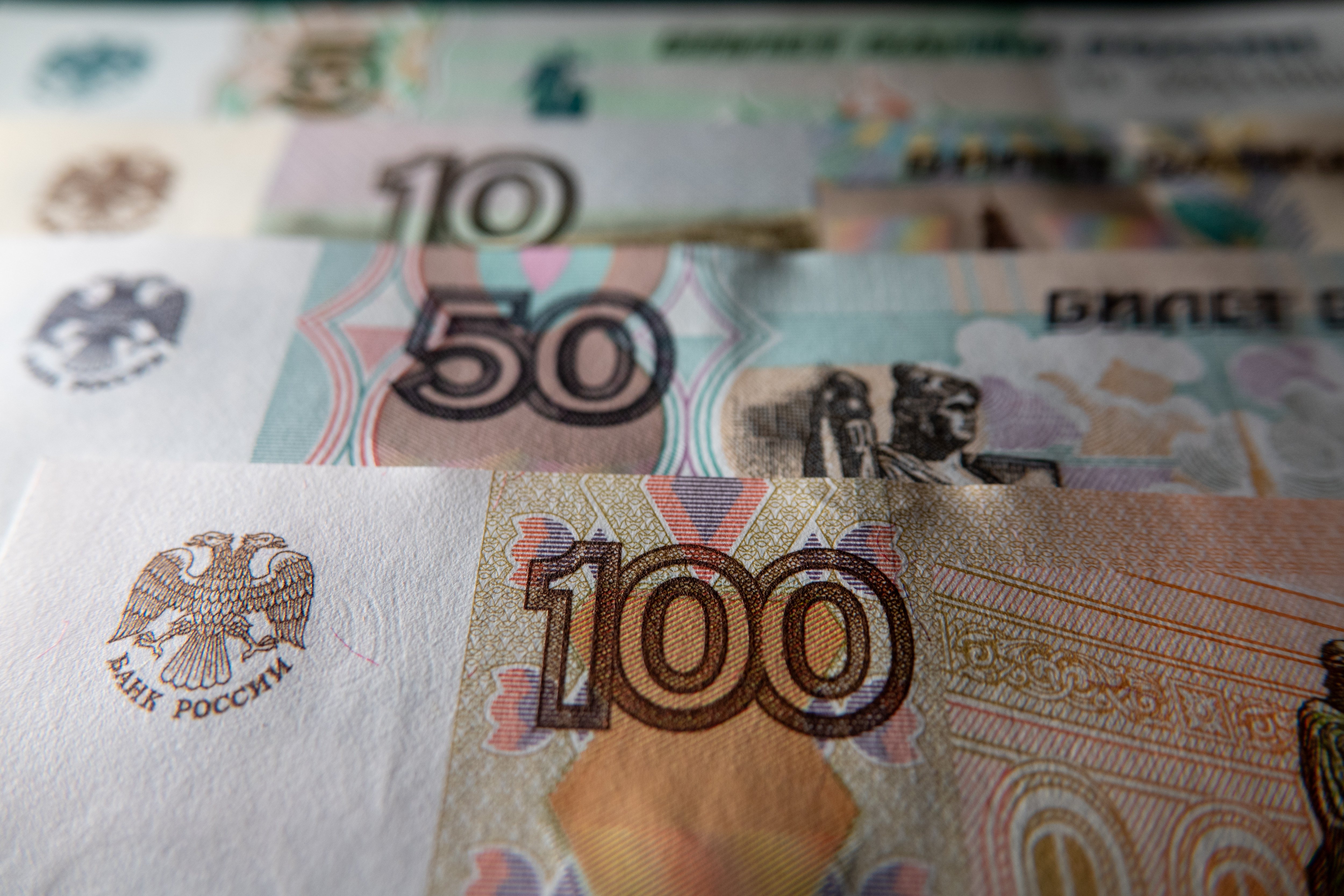
Russian authorities are preparing to significantly increase fines for a wide range of economic crimes, with penalties for some offenses set to rise fivefold, as the government seeks additional budget revenues amid mounting spending on its war against Ukraine, The Moscow Times reported, citing Interfax.
On November 9, the Russian State Duma’s Committee on Criminal and Administrative Legislation recommended that lawmakers approve a government-backed bill in its second reading. The proposed amendments would affect more than 30 provisions of Russia’s Criminal Code.
We bring you stories from the ground. Your support keeps our team in the field.
Russia’s Justice Ministry previously justified the increases by arguing that fines for certain offenses had remained unchanged for more than two decades.
Under the proposed legislation, the maximum fine for conducting business without the required registration or license would increase from 300,000 rubles ($3,625) to 1.5 million rubles ($18,125). For the same offense committed by a group, the maximum penalty would rise from 500,000 rubles ($6,040) to 2.5 million rubles ($30,210).
Companies found guilty of tax evasion could face fines of up to 1.5 million rubles ($18,125), compared with the current maximum of 300,000 rubles ($3,625), while the upper limit for copyright infringement would increase from 200,000 rubles ($2,420) to 1 million rubles ($12,085).
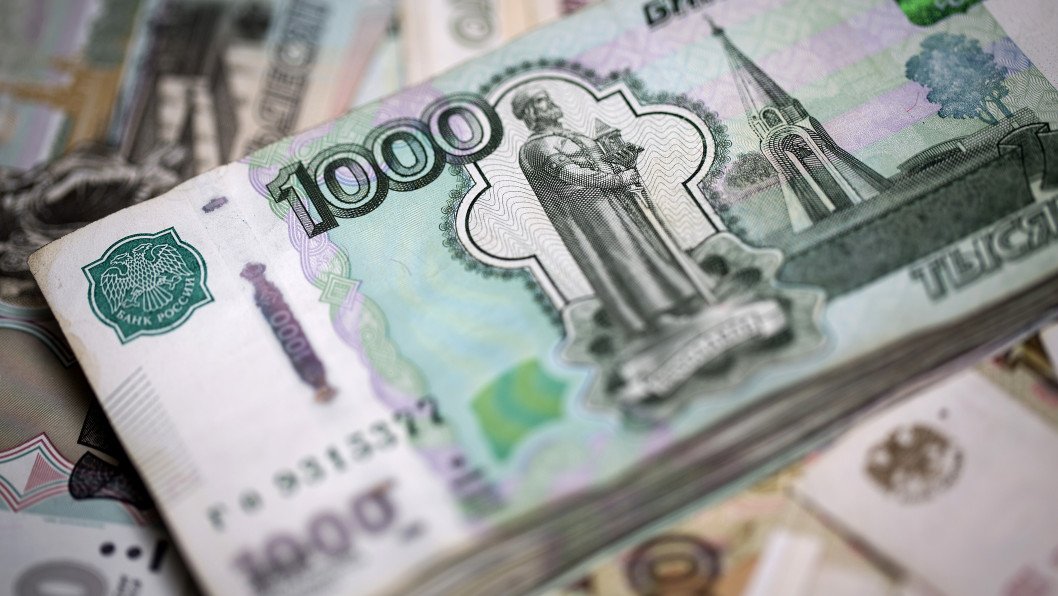
The proposed changes would also introduce substantially higher penalties for financial crimes involving counterfeit currency and bankruptcy-related violations.
For producing counterfeit money as part of a group or on a large scale, the maximum fine would increase fivefold, from 1 million ($12,085) to 5 million rubles ($60,420). Meanwhile, concealing assets during bankruptcy proceedings could result in a maximum fine of 1 million rubles, double the current limit of 500,000 rubles ($6,040).
The proposed increases could affect thousands of individuals convicted of economic offenses each year.
According to The Moscow Times, 8,584 people were convicted under Chapter 22 of the Russian Criminal Code, which covers economic crimes, in 2025. Nearly 40% received fines as their primary punishment.
The legislative initiative comes as the Russian government has also substantially raised its targets for collecting fines to generate additional federal budget revenue.
According to The Moscow Times, Russian authorities expect to collect more than 1.3 trillion rubles ($15.7 billion) in fines between 2027 and 2029. Including projected collections for 2026, the total is expected to reach a record 1.7 trillion rubles ($20.5 billion).
Compared with previous budget projections, anticipated fine revenues have increased by 27% for 2027 and 37% for 2028.
The higher revenue targets come amid growing pressure on Russia’s federal finances, with military expenditures continuing to account for a substantial share of government spending.
Russia plans to allocate more than 50 trillion rubles ($604 billion) to the national defense budget over the three-year period from 2027 through 2029, reflecting the continued financial demands of its war against Ukraine.
At the same time, the Russian government projects a cumulative federal budget deficit of nearly 15.8 trillion rubles ($191 billion) between 2027 and 2029.
Beyond increasing domestic revenue collection, Russia has also expanded its precious metals exports to Asian markets amid Western economic restrictions.
According to a separate report published by The Moscow Times on November 9, Russia exported a record 165 metric tons of gold to Hong Kong between January and September 2026, more than tripling shipments compared with the same period in 2025.
Citing customs data analyzed by Gazprombank’s Center for Economic Forecasting, the outlet reported that Russian gold exports to Hong Kong had increased more than 55-fold compared with pre-war levels, highlighting the growing importance of Asian markets for Russian precious metals following Western sanctions.
Discuss this article: