- Category
- War in Ukraine
Russia Hits Citizens and Businesses With Record $44 Billion Tax Bill as War Costs Soar
 Prefer U24 Media on Google
- Authors


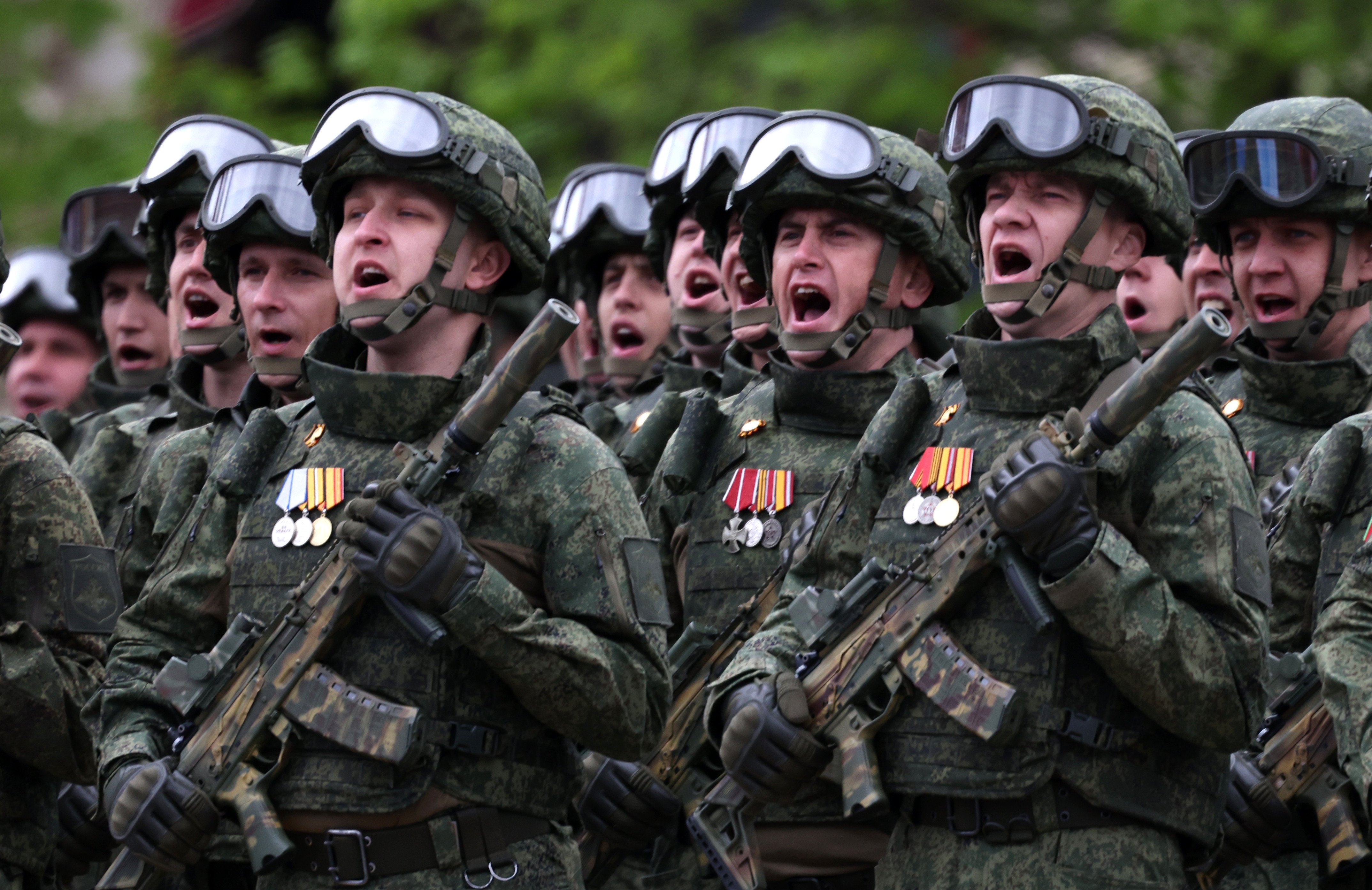
Russia is preparing a new round of tax increases expected to extract nearly $44 billion from individuals and businesses through 2029 as the government seeks additional revenue to cover rising military spending and a widening budget deficit.
We bring you stories from the ground. Your support keeps our team in the field.
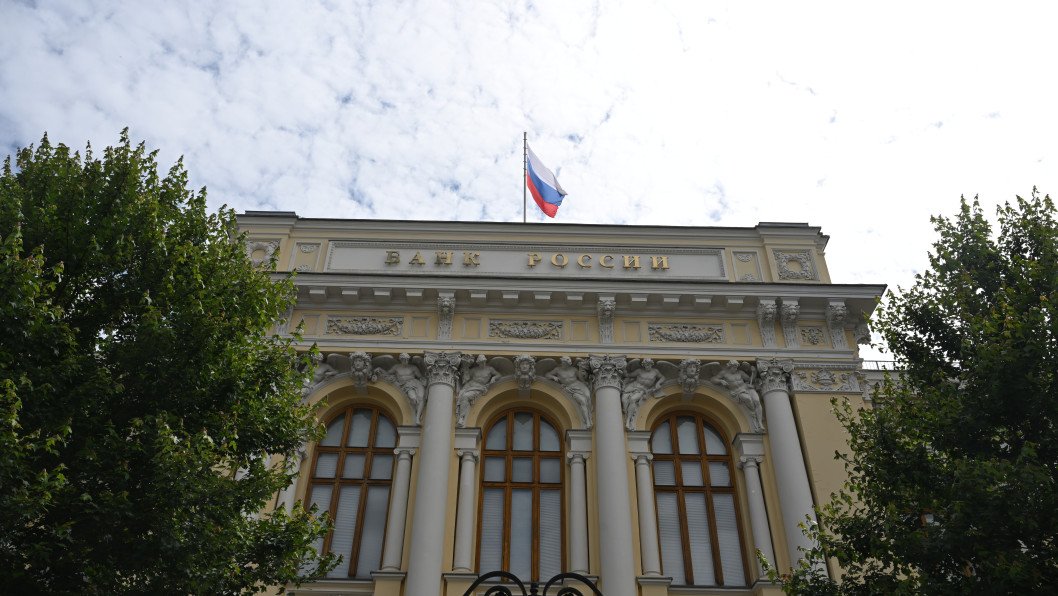
According to The Moscow Times on September 29, citing Russian Finance Ministry documents, the planned tax measures are expected to generate 3.7 trillion rubles ($43.8 billion) over three years. The proposals come as Moscow prepares to increase defense spending to its highest level since the start of Russia’s full-scale invasion of Ukraine.
The tax changes are projected to bring approximately $17.8 billion into the federal budget in 2027, followed by another $26.1 billion in 2028 and 2029.
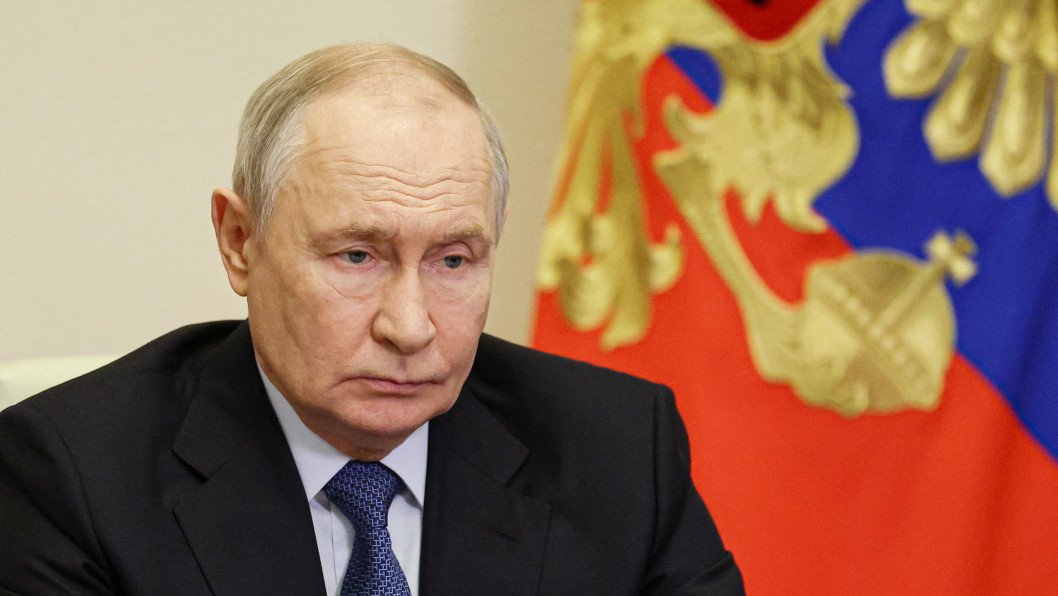
The measures include new windfall taxes on metals, mining and other industries, higher taxes on passive personal income, and additional taxation of cross-border online purchases.
Reuters reported that the government proposed raising taxes on what the Finance Ministry described as excess profits in the metals and fertilizer sectors, while higher rates on passive income could affect about four million people.
Under the proposed changes, the maximum tax rate on passive personal income—including interest from bank deposits, securities transactions and certain property sales—would rise to 22%.
Economist Dmitry Polevoy estimated that Russian individuals could pay an additional roughly $5.9 billion to $8.3 billion annually through higher taxation of passive income, according to The Moscow Times. Over three years, the additional burden could exceed 2 trillion rubles ($23.7 billion).
Businesses will also face higher payments. Metals and mining companies are expected to contribute approximately $2.4 billion annually through a new windfall tax, according to government documents reviewed by Reuters.
Among individual companies, analysts at BCS estimated that Norilsk Nickel could face approximately $592 million in additional payments, while aluminum producer Rusal could pay about $462 million and gold producer Polyus around $296 million, according to The Moscow Times.
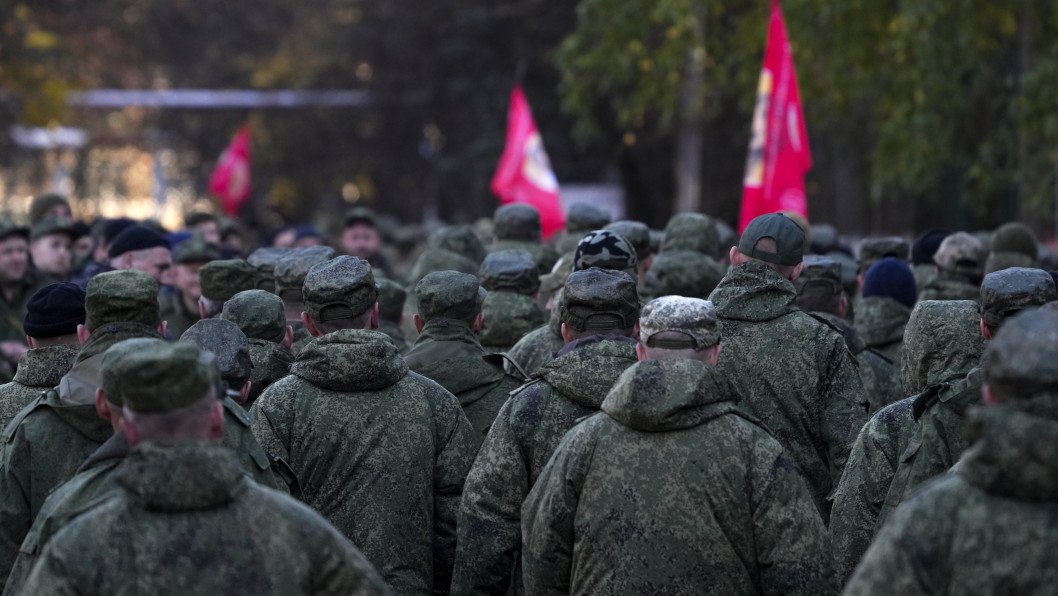
The additional revenue is being sought as Russia prepares another major expansion of military expenditures. Government documents reviewed by Reuters show that Moscow plans to spend 17.1 trillion rubles ($202.6 billion) on defense in 2027—27% above the amount previously budgeted for that year and the highest level since Russia launched its full-scale invasion of Ukraine in 2022.
Total Russian defense spending is projected to reach approximately 50 trillion rubles ($592.3 billion) between 2027 and 2029, according to Reuters. Some military-related expenditures may also be recorded elsewhere in the federal budget.
The Finance Ministry has said defense and security remain a “strategic priority” in the new budget, with additional resources allocated for weapons, military equipment, defense-industry modernization and payments to military personnel.
Earlier, Putin claimed Russia’s economy had outpaced global growth over the previous three years, although IMF data showed global GDP grew 10.7% between 2023 and 2025, compared with Russia’s 10.3%.
Discuss this article:
-9a7b3a98ed5c506e0b77a6663f5727c5.png)

-c439b7bd9030ecf9d5a4287dc361ba31.jpg "Photo of Katherina Popilnichenko")



-29a1a43aba23f9bb779a1ac8b98d2121.jpeg "Photo of Illia Kabachynskyi")