- Category
- War in Ukraine
Al Jazeera Compares Russian and Ukrainian Strikes. Here’s What Its Numbers Leave Out
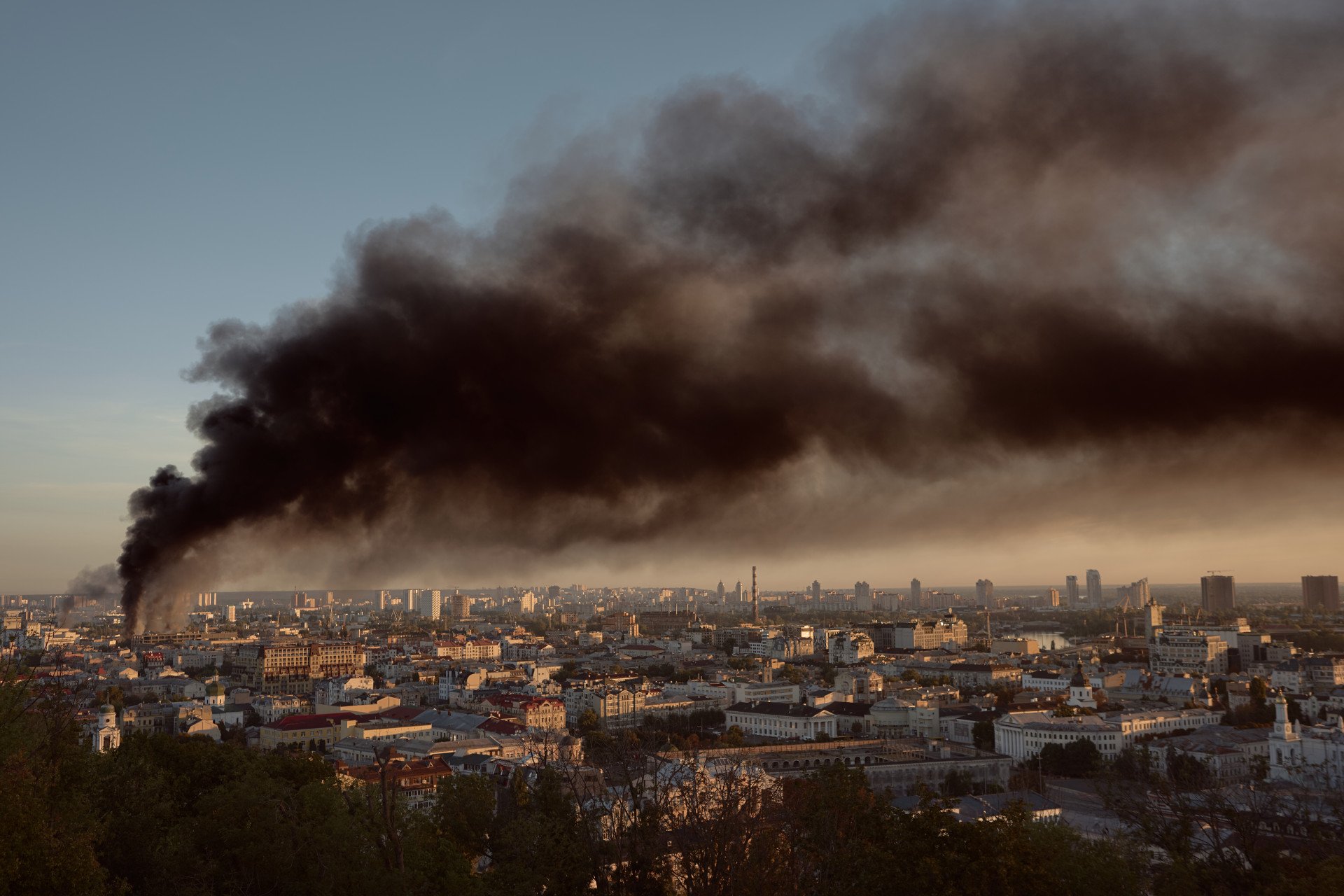
Al Jazeera’s comparison of Russian and Ukrainian strikes leaves out crucial context—from what its figures actually measure and the scale of destruction they obscure to the eight years of Russia’s war against Ukraine preceding the full-scale invasion.
 Prefer U24 Media on Google
- Authors

-29a1a43aba23f9bb779a1ac8b98d2121.jpeg "Photo of Illia Kabachynskyi")
Al Jazeera, citing an analysis of ACLED data, reports 17,425 Russian attacks involving Ukrainian civilian infrastructure since early 2022, compared with 12,165 Ukrainian attacks involving Russian civilian infrastructure. Ukraine’s numbers have risen dramatically as its long-range strike capabilities have expanded.
But there is an important distinction behind those numbers. ACLED’s publicly documented methodology for its Ukrainian civilian-infrastructure tags includes events in which infrastructure was “targeted and/or damaged”—meaning the data do not necessarily establish that civilian infrastructure was the intended target. ACLED also acknowledges that the true extent of destruction in Ukraine is likely greater than reporting suggests, particularly in settlements turned into battlegrounds and reduced to rubble. That distinction is absent from Al Jazeera’s graphics.
That comparison requires context that Al Jazeera does not fully provide—namely, an explanation of what these attacks actually targeted and what they destroyed. While Russia targets hospitals and trains, Ukraine repeatedly and precisely targets oil refineries.
The targets behind the statistics
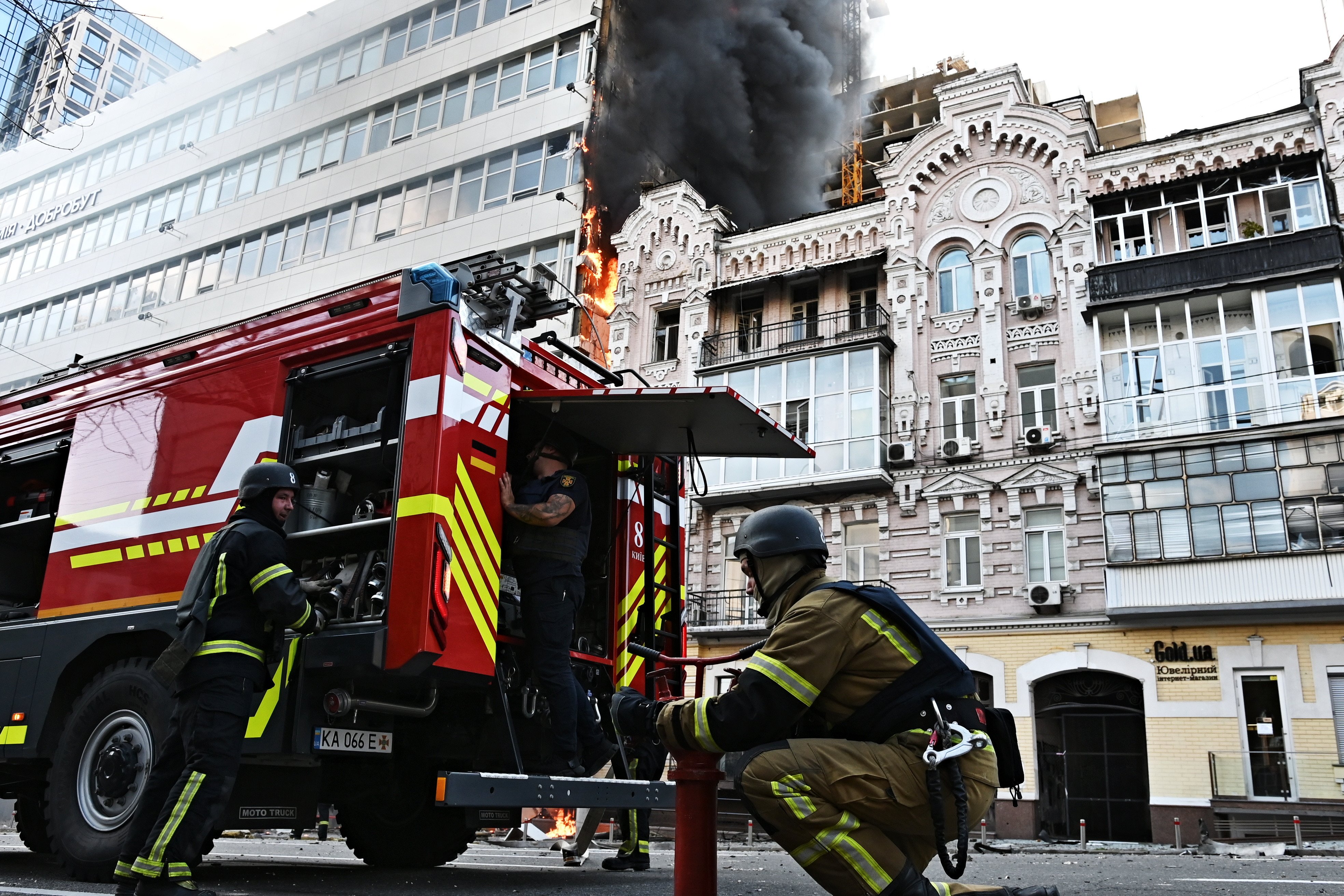
By the morning of September 13, it had become known that Russian drones had struck the Yahodyn border crossing between Ukraine and Poland, sparking a fire. That same morning, a Russian drone struck a railway station, hitting the Kyiv-Warsaw train. As a UNITED24 Media journalist was preparing this article, reports emerged that a Russian Shahed drone had struck a train traveling from Kyiv to Mykolaiv.
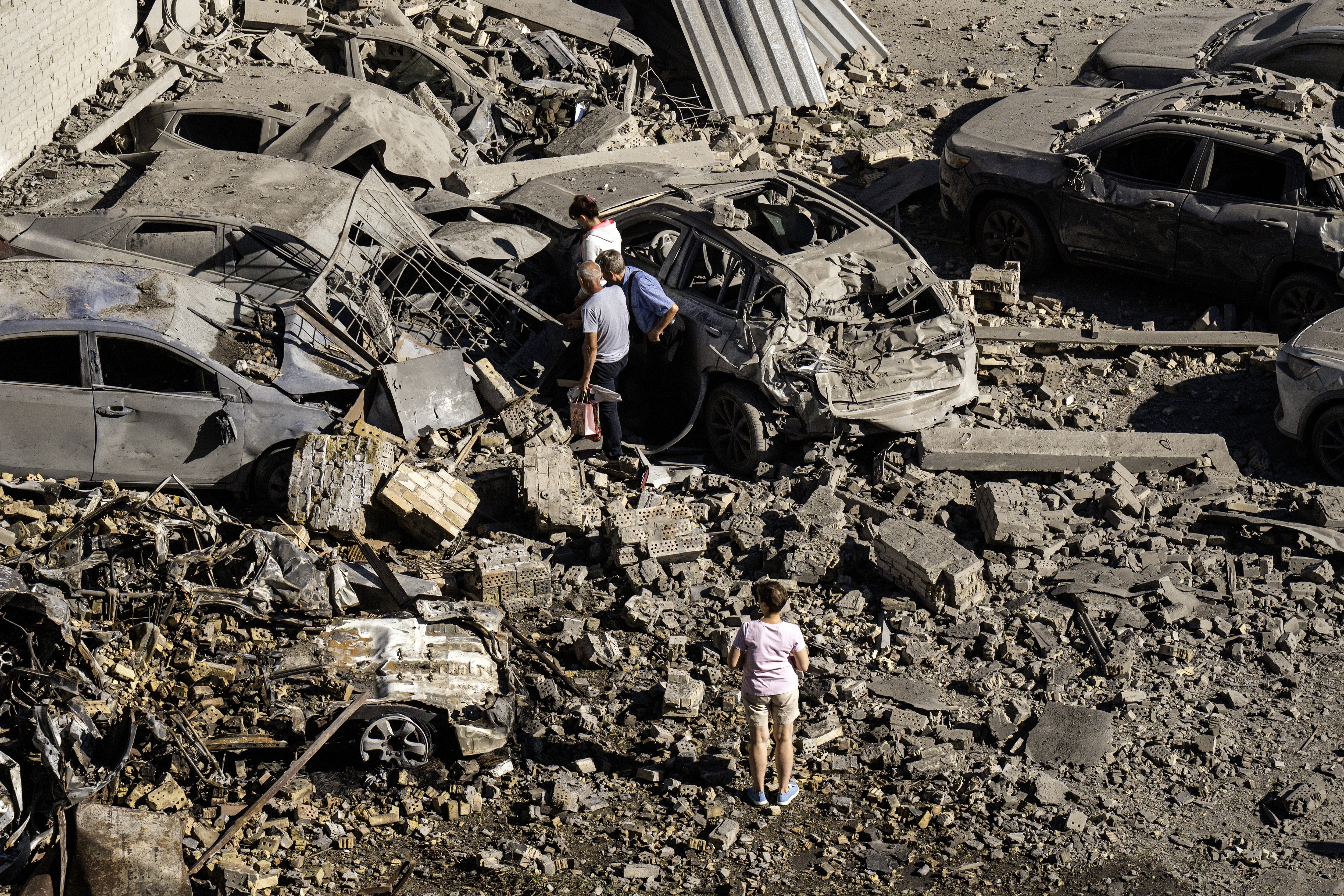
During that week, there were two strikes on border checkpoints along Ukraine’s border with Moldova. During that same week, five gas stations in Kyiv sustained direct hits. And just days earlier, not every school in Ukraine had been able to hold its traditional September 1 ceremony marking the beginning of the academic year: in late August, Russian missiles and drones struck educational institutions across the country. The summer of 2026 became one of the deadliest for residents of the Ukrainian capital, with 140 people killed in ballistic missile attacks. More than 30 people were killed in a single day in July.
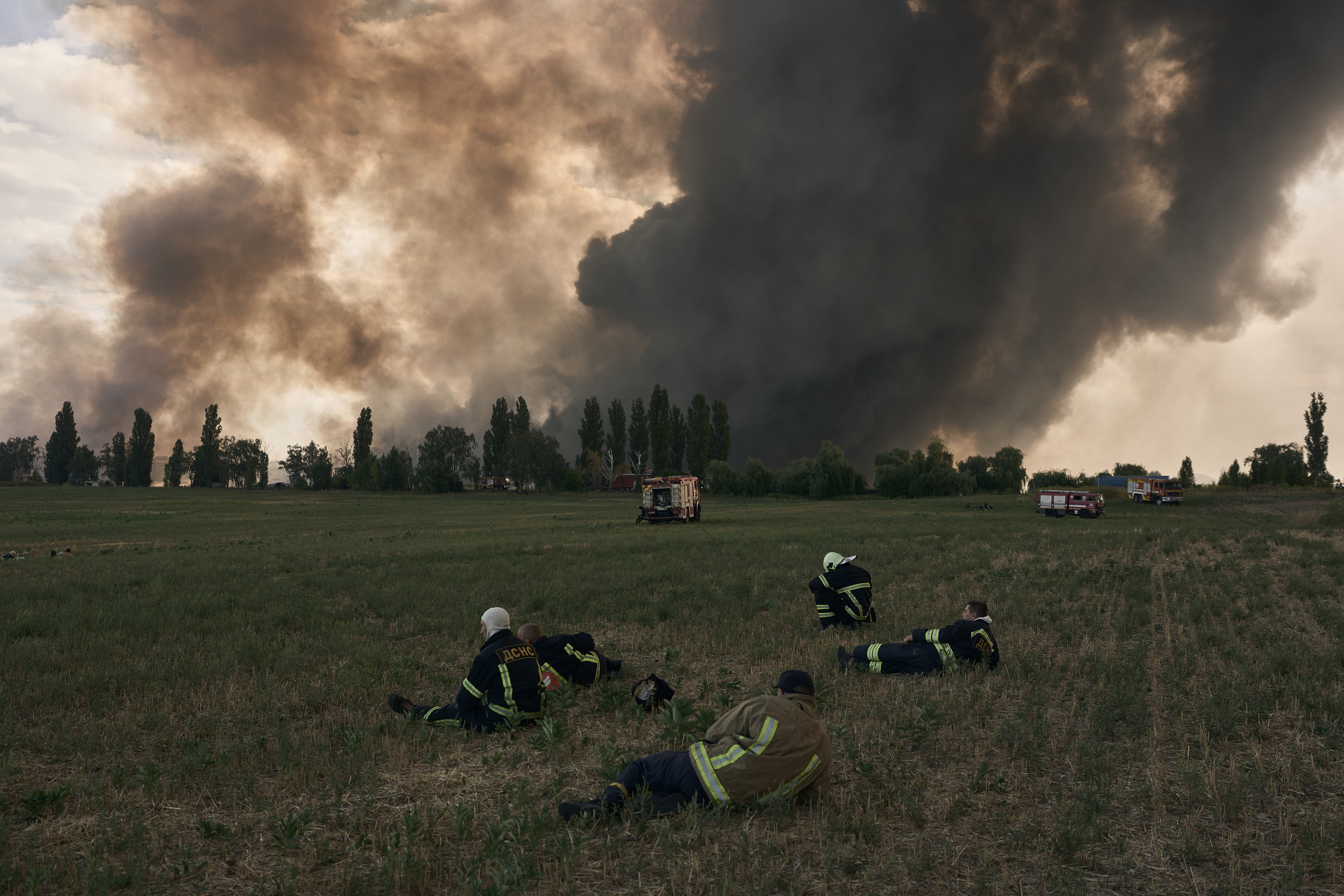
The impact of Ukraine’s long-range campaign is visible in Russia as well. Ukraine managed to knock out around 45% of Russia’s projected crude oil refining capacity by mid September.
For several consecutive weeks, tankers stopped departing from the Black Sea port of Novorossiysk, with loading falling to zero. Ukrainian drones also flew more than 3,000 kilometers for the first time in history, reaching facilities in the Yamalo-Nenets Autonomous Okrug—the Novy Urengoy and Purovsky plants. Never before has Russia faced drone attacks of such scale across its territory. At the same time, Ukraine continues to pursue its strategy: making the war too costly for the Kremlin to continue, while Moscow operates by its own rules—terrorism.
A striking example of the difference in approaches came on September 1, when Ukrainian President Volodymyr Zelenskyy announced that Ukraine would effectively close Russian airspace to civilian aviation, warning that the sheer number of drones in the sky would make flights unsafe. At the same time, Ukraine does not intend to harm civilian aircraft themselves. Several days later, Moscow ordered strikes on Kyiv’s Boryspil and Zhuliany airports, even though neither was operational. Several old civilian aircraft that had not flown for years were destroyed there.
What Al Jazeera’s numbers actually measure
Al Jazeera describes the data as showing attacks “targeting civilian infrastructure.” But damage alone does not establish that the civilian object was the intended target. ACLED’s residential category, for example, covers houses, apartment buildings and residential areas that were damaged during an event.
This makes Al Jazeera’s statement that about 69% of Ukrainian attacks on Russian civilian infrastructure “hit residential infrastructure” difficult to interpret without additional information about target selection, interception debris, collateral damage, and attribution.
There is another methodological question Al Jazeera does not address. ACLED’s publicly documented automated civilian-infrastructure tags apply specifically to events occurring within Ukraine. Al Jazeera presents an equivalent classification for attacks inside Russia. The article does not explain how the Russia-side classification was constructed or how incidents involving disputed attribution or incidental damage were handled.
Ukraine’s long-range drone strikes are increasing year over year. This is the result of systematic work by Ukraine’s defense sector. Deep Strike drones make it possible to bring the war onto Russian territory and attack its military infrastructure, as well as one of the primary sources of funding for the war—the oil and gas sector. This is a crucial context whenever someone seeks to point out that Ukraine is striking Russia’s civilian infrastructure.
At the same time, context is also necessary when examining what the Russian military is actually striking:
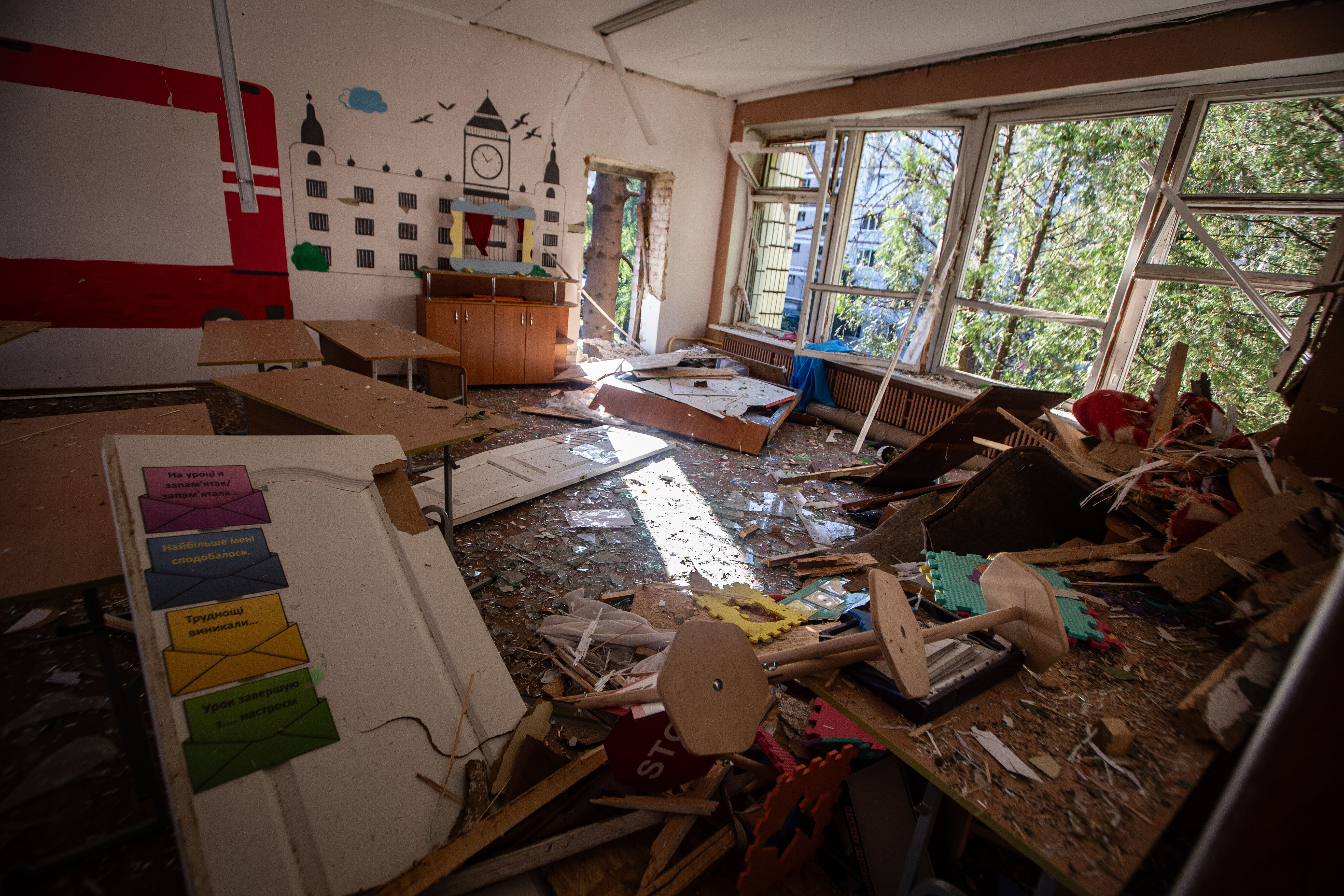
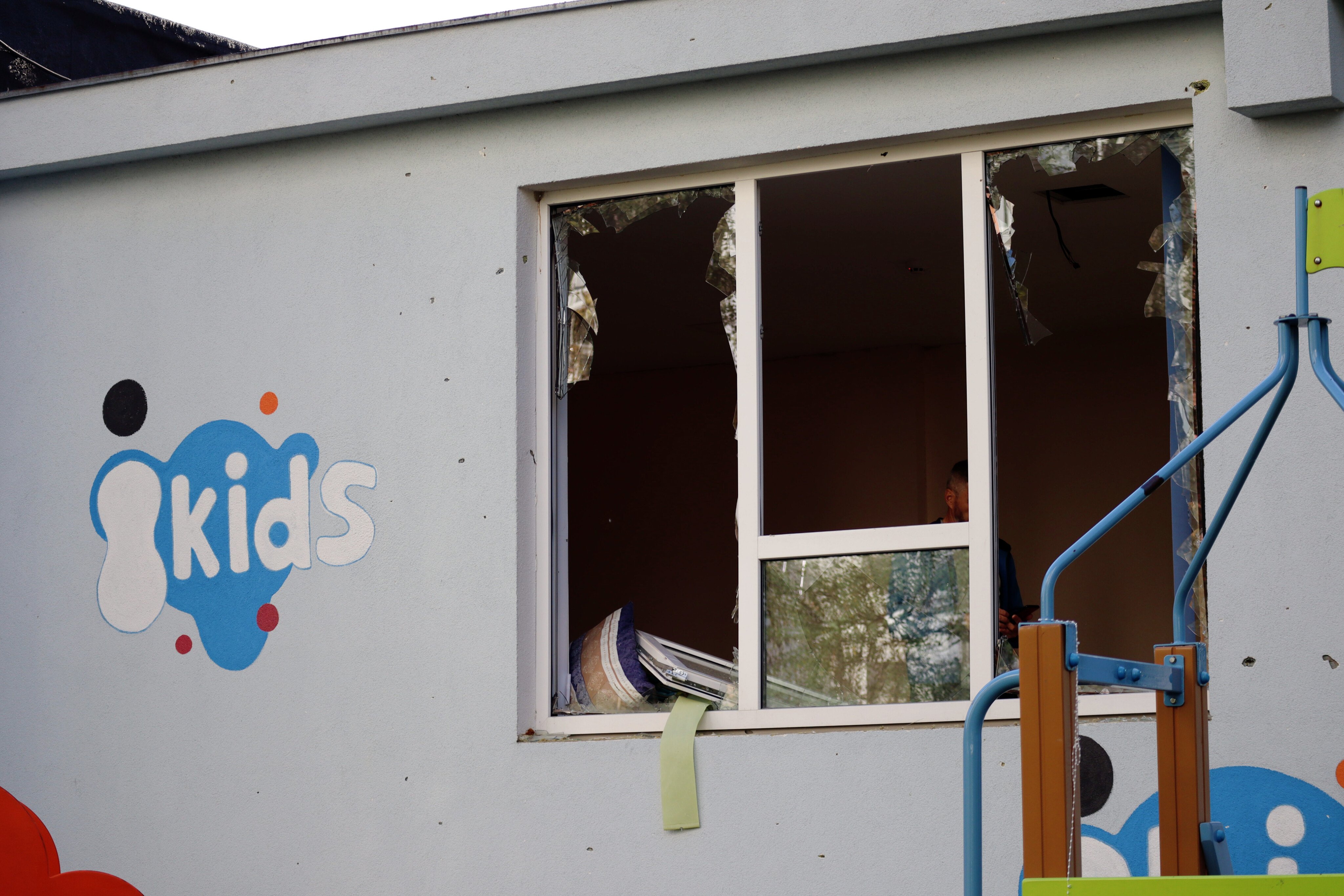
Since the beginning of the full-scale war, 4,650 educational institutions have been affected, according to Ukraine’s Ministry of Education and Science. Of those, 423 have been completely destroyed and 4,227 damaged. That represents more than 18% of the country’s entire educational infrastructure.
As of September 1, 2026, damage to or destruction of 2,687 healthcare facilities had been confirmed. A total of 345 ambulances have been destroyed, with another 225 damaged.
Ukraine’s Prosecutor General’s Office has confirmed that more than 600 children have been killed since the beginning of the full-scale invasion, while another 2,578 have suffered injuries of varying severity.
There have been almost 200 incidents caused by strikes at fire and rescue stations.
By the beginning of 2026, 2,697 apartment buildings and 140 private homes had been damaged or destroyed. In the first five months of 2026 alone, another 847 apartment buildings were damaged—more than in 2022, 2023, and 2024 combined.
Ukrainian Railways has lost more than 50 railcars and over 100 locomotives. The intensity of attacks on railway infrastructure rose to around 200 per month in the spring of 2026; more than 1,000 attacks were recorded in the first half of 2026 alone.
Event counts also do not measure the scale of physical destruction. ACLED itself cautions that the extent of destruction in Ukraine is likely greater than reports suggest, “especially in settlements that have been turned into battlegrounds and reduced to rubble.” One recorded event can damage or destroy numerous buildings; it does not become a separate “attack” for every structure destroyed. The comparison, therefore, cannot be read as a comparison of how much civilian infrastructure Russia and Ukraine have physically destroyed.
Another fact illustrating Russia’s nature of attacks on Ukrainian targets is the method Moscow repeatedly employs: the “double tap.” In some cases, repeated strikes have gone beyond a double tap. A recent Russian jet-powered drone strike against central Kyiv, for example, involved three successive strikes on the same area.
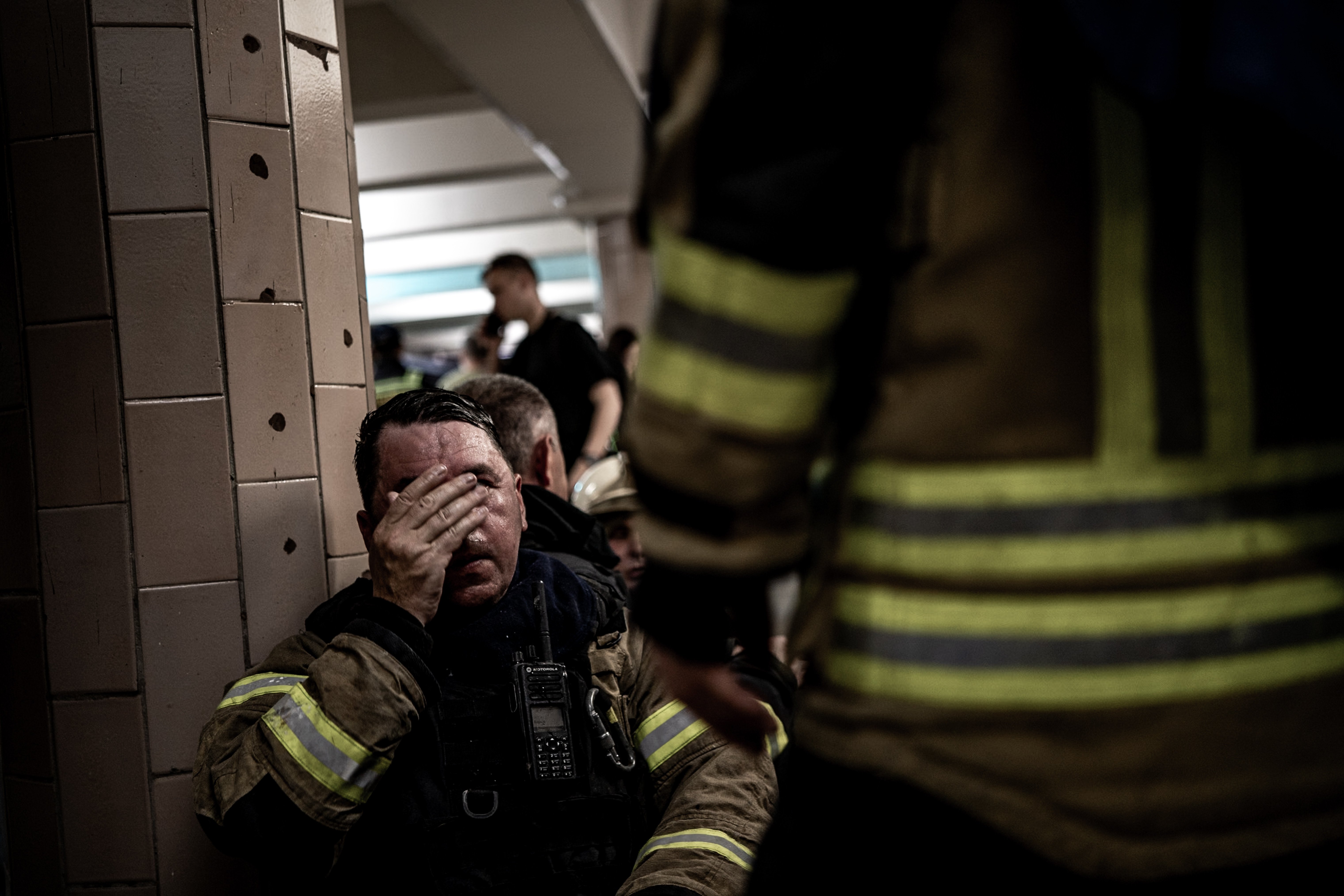
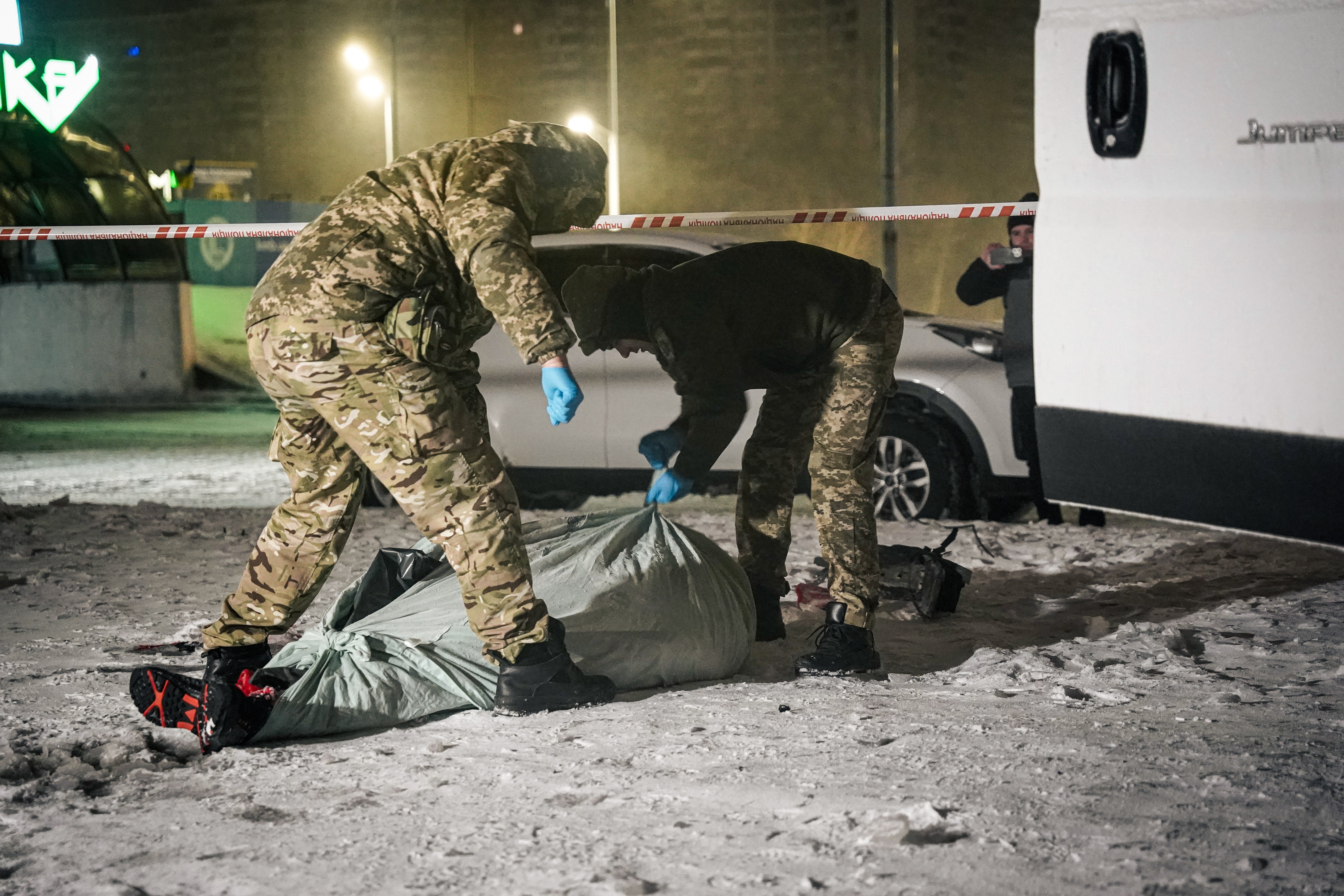
Truth Hounds, a human rights organization, has documented over 200 incidents bearing the hallmarks of double-tap strikes since the beginning of the full-scale invasion, verifying more than 100 of them. Russian attacks killed at least 42 Ukrainian emergency workers and injured around 258. Official State Emergency Service figures for the same period were considerably higher, at 111 killed and 550 injured.
Al Jazeera’s team of journalists—or researchers—does not provide statistics at anything approaching this level of detail, overlooking the real consequences of Russian strikes, not properly capturing both causes and consequences.
What the comparison leaves outside the frame
There is also a temporal limitation to the comparison. Al Jazeera writes that “the war” began with Russia’s invasion in February 2022. Russia’s full-scale invasion began then, but the Russo-Ukrainian war began in 2014 with Russia’s seizure of Crimea and the outbreak of fighting in eastern Ukraine. The visualization therefore excludes approximately eight years preceding the full-scale invasion.
There is not much discussion of who started the war or how many strikes by either side constituted violations of the Geneva Conventions.
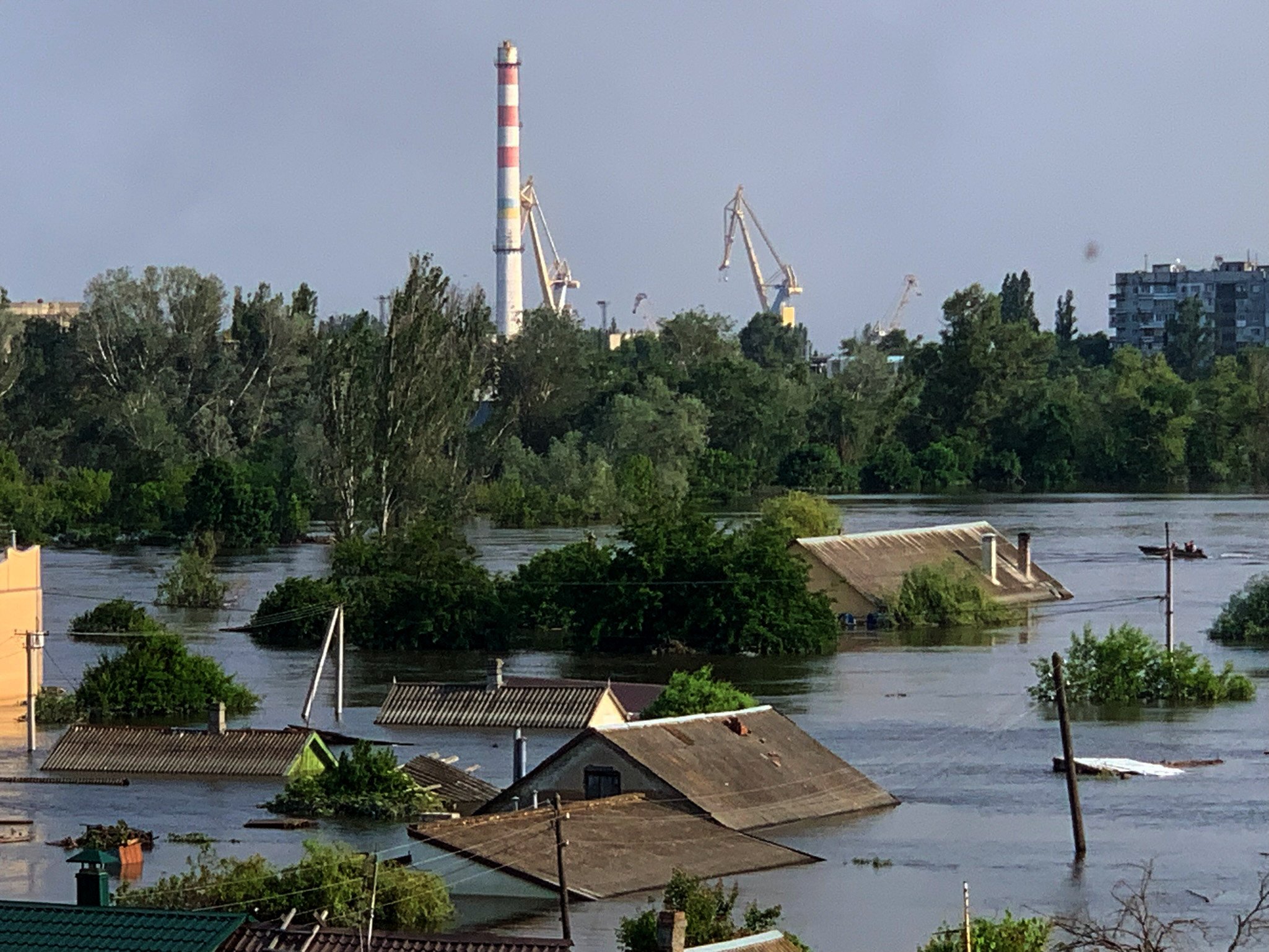
The Russian military destroyed the Kakhovka Hydroelectric Power Plant, triggering an environmental disaster across an entire region. It struck one of Europe’s largest dams, the Dnipro Hydroelectric Power Plant, and attacked the Kyiv Hydroelectric Power Plant, downstream from which lies a city of three million people. Russia destroyed 80% of Ukraine’s combined heat and power plants, making the winter months unbearable for millions of Ukrainians.
The news from the Russian side, meanwhile, looks different: hundreds of strikes on Russian oil refineries that pump money into the Russian budget to finance the war's continuation, including strikes that have disabled some of the country’s largest refineries. There have also been attacks on airfields, military production facilities, and military infrastructure. In the first half of 2026 alone, more than 32 successful strikes were recorded against Russian military sites and defense-industrial facilities, with the aim of reducing ballistic missile production.
The targets tell a different story
Another example is particularly telling. Through Operation “Logistics Lockdown” and the “40-Day Influence Operation,” Ukraine managed to turn Russia—once awash in gasoline—into a country facing significant fuel shortages. Yet gas stations where hundreds of civilian vehicles were lined up were not attacked. Russia, meanwhile, destroyed at least 200 gas stations in Ukraine in the first six months of 2026 alone.
The context Al Jazeera left out is critically important in reporting of this kind. While Russia is waging an unjust war of conquest, Ukraine is defending itself. Kyiv does not order strikes on schools in St. Petersburg, while Moscow has destroyed dozens of them in Kharkiv. Ukraine does not carry out double-tap strikes, while Russian drones hunt medical workers in Kherson.
The actions the Ukrainian military is carrying out on Russian territory today have one objective: to bring Russia’s war back to Russia and force Putin to the negotiating table in order to end the fighting.
Discuss this article:
-4a56a6b482ec132402c16ef6fcabf9a2.png)



-c439b7bd9030ecf9d5a4287dc361ba31.jpg "Photo of Katherina Popilnichenko")