- Category
- War in Ukraine
Crimea Without Fuel: The Logistics Lockdown Delivers Results After Just One Month
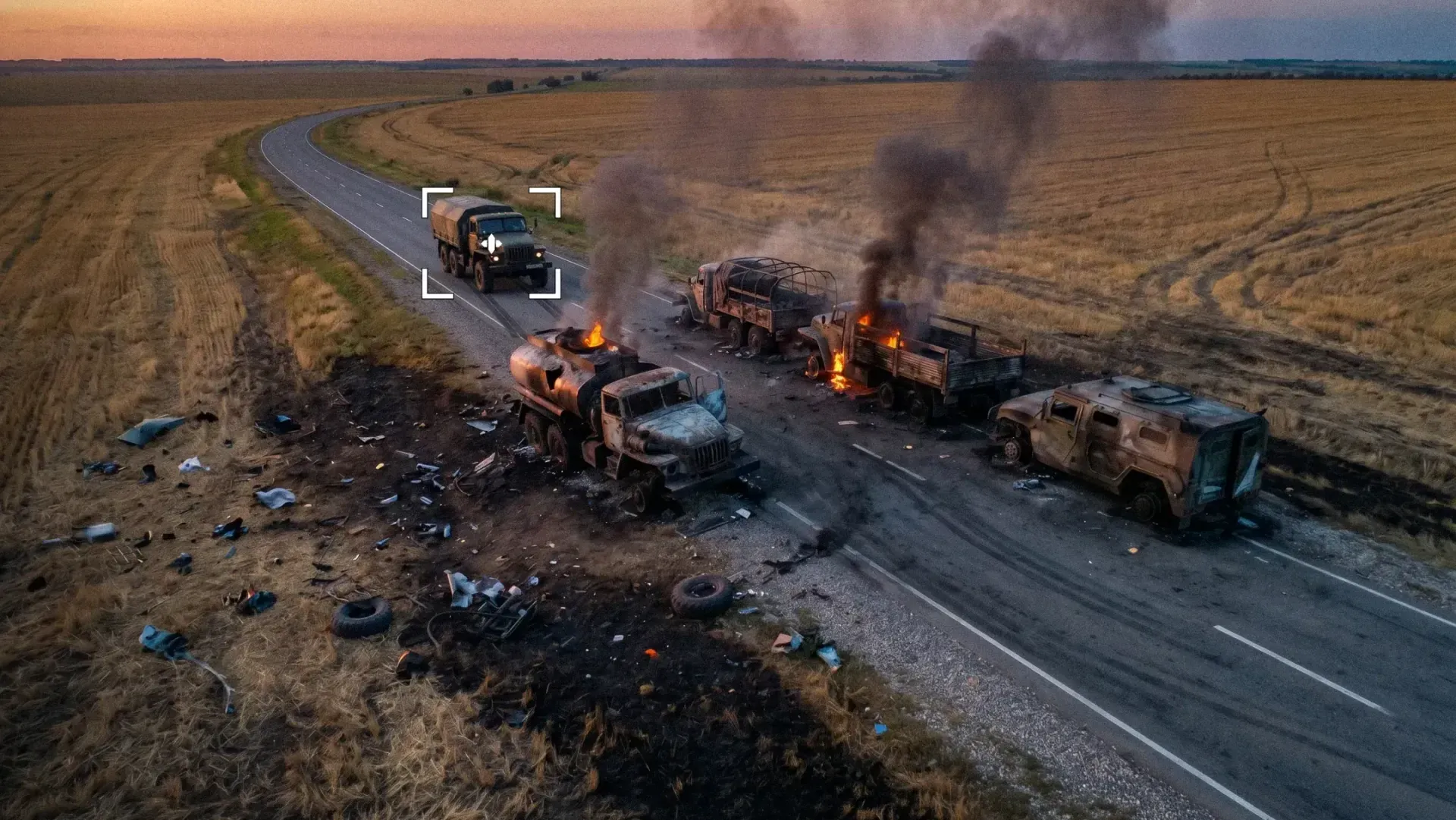
Following Ukraine's latest strikes, the Crimean peninsula has been left without access to fuel. Petrol sales to civilians have been banned, with supplies reserved exclusively for emergency services and the military. Ukraine has effectively sealed the peninsula off logistically, leaving only one route open: the Crimean Bridge. The only question is how long that will last.
 Prefer U24 Media on Google
- Authors

-29a1a43aba23f9bb779a1ac8b98d2121.jpeg "Photo of Illia Kabachynskyi")
In the early hours of 21 June, Ukrainian drone and missile strikes on Crimea produced significant results: a series of oil and gas infrastructure facilities were hit, along with air defense systems, logistics nodes, and three ferries. In this instance, strikes against enemy air defenses were more of a welcome bonus; the primary target was the fuel infrastructure. Storage tanks will continue to burn for some time, and replenishing them will not be straightforward: the ferries destroyed were transporting fuel tankers, and there is nothing available to replace the vessels quickly.
We bring you stories from the ground. Your support keeps our team in the field.
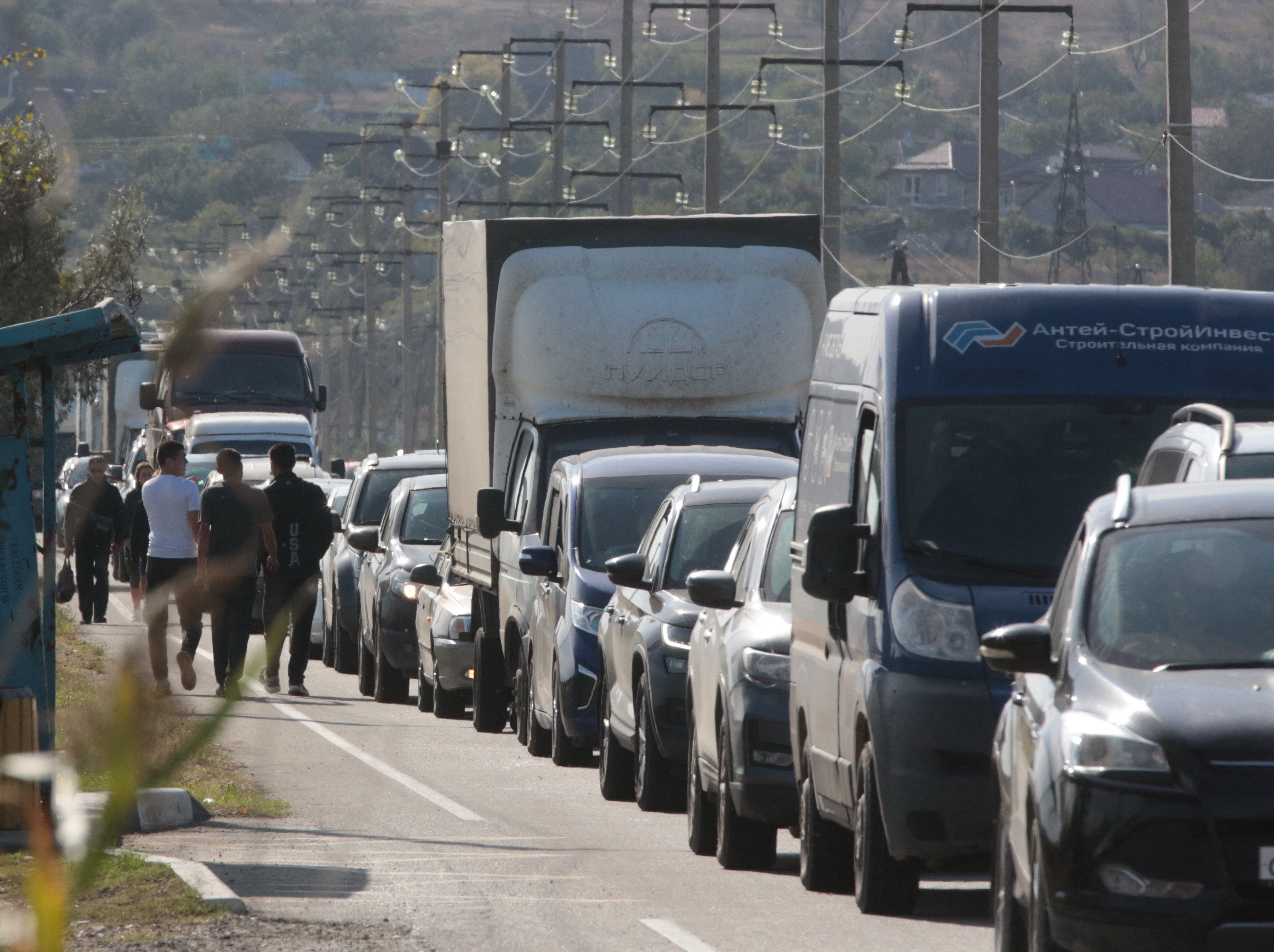
Later that same day, Crimean officials announced that petrol sales had been suspended at petrol stations, both cash and card transactions. In other words, Crimea simply has no more petrol, and there is no clear way to obtain it. All supplies reaching the peninsula are reserved for special services and military needs. Russia continues to choose war over the welfare of its own civilians.
The situation on the peninsula is the direct result of a program run by Ukraine's General Staff and Ministry of Defense called the "Logistics Lockdown." Within a week of the head of the Unmanned Systems Forces, Robert Brovdi, declaring the "isolation of Crimea," that prediction has proved accurate.
The Crimea Logistics Lockdown
In late May 2026, the Ministry of Defense announced a program called the Logistics Lockdown. Its concept was to destroy the enemy's ability to move personnel, weapons, and equipment to the front. The strike force: Middle Strike class drones with a flight range of up to 200 kilometers.
For two months prior, this category of strikes had been steadily gaining momentum and producing results, with hundreds of air defense systems destroyed, continuous elimination of equipment, drone, and ammunition depots, and headquarters kept under constant threat. Seeing the returns, Ukraine allocated an additional $100 million to the procurement of drones in this class, and the number of units operating them expanded.
In just one month of effective operations, Ukrainian forces achieved visible and tangible results. Strikes began with the land corridor from Russia into Crimea, then moved to destroying ferries, before hitting all the bridges connecting Crimea to the Ukrainian mainland.
-3a6c792c79e08862dff85f98a0fdc34e.jpg)
At this point, the only consistently functioning link between Crimea and Russia is the Crimean Bridge, which has not been the target of precision strikes for some considerable time. There is, however, a strong sense that this will not last: Ukraine's Ministry of Defence has published a strike map clearly showing the Crimean Bridge within range as a potential target for Ukrainian drones. Strikes against it feel like a matter of timing and accumulating sufficient means to achieve a meaningful result.
For Ukraine, strikes on Crimea are a critical element of deterrence: the peninsula functions as a staging ground for offensive operations in southern Ukraine. By degrading that capability, the Ukrainian army faces less pressure on its own lines, and gains room to conduct offensive operations of its own.
Managing the situation in Crimea now requires Russia to commit ever greater numbers of troops. Military convoys have appeared on the roads to counter Ukrainian drones, logistics have become significantly more complex as routes have deteriorated and journey times have grown. Even the military itself is receiving less fuel: what was once available everywhere now requires considerable additional effort to obtain. All of this pulls Russian forces away from the front.
Beyond Crimea
One of the most difficult situations for Ukraine remains in the Donetsk direction, where Russian forces are pressing towards Kostiantynivka. Middle Strike drones are accordingly being used to close off all key Russian supply routes across Luhansk and Donetsk oblasts, with drones now operating over Mariupol and targeting ports on the Sea of Azov.
All major roads and railway junctions used by Russia to move personnel, weapons, and equipment to the front are under fire. The effect on Russian operations has already been dramatic: even infiltration groups have been reduced from two-person teams to single individuals, who frequently never reach their intended objective.
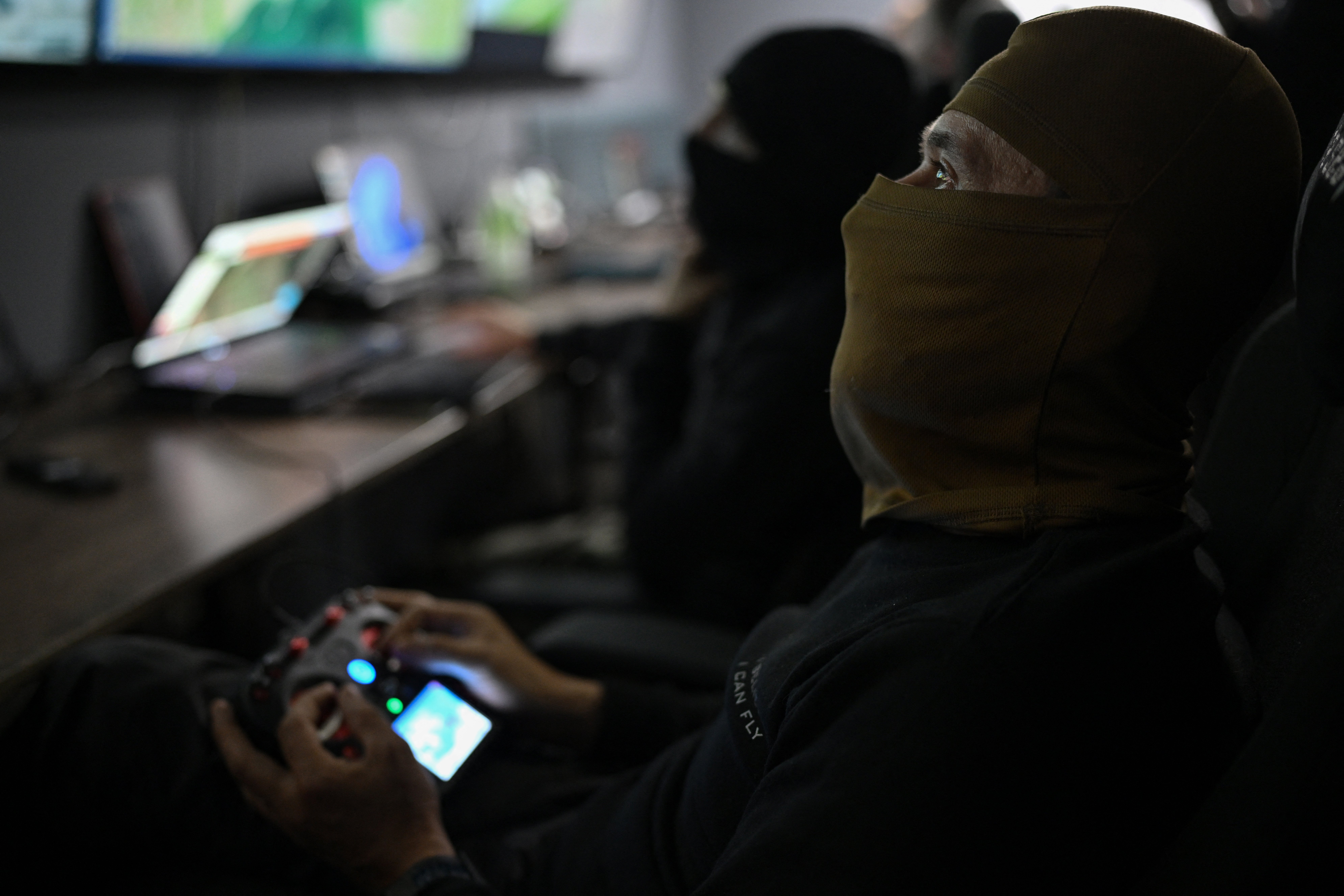
It is critically important for Ukraine to continue scaling up Middle Strike strikes and severing Russian logistics. This directly reduces both the frequency and intensity of Russian assaults. The support of partners who are becoming part of Ukraine's drone programs is therefore more important than ever at this moment.
Discuss this article:


-c439b7bd9030ecf9d5a4287dc361ba31.jpg "Photo of Katherina Popilnichenko")