- Category
- World
Ukraine Knocks Out Over 45% of Russia’s Projected Refining Capacity
 Prefer U24 Media on Google
- Authors

-111f0e5095e02c02446ffed57bfb0ab1.jpeg "Photo of Roman Kohanets")
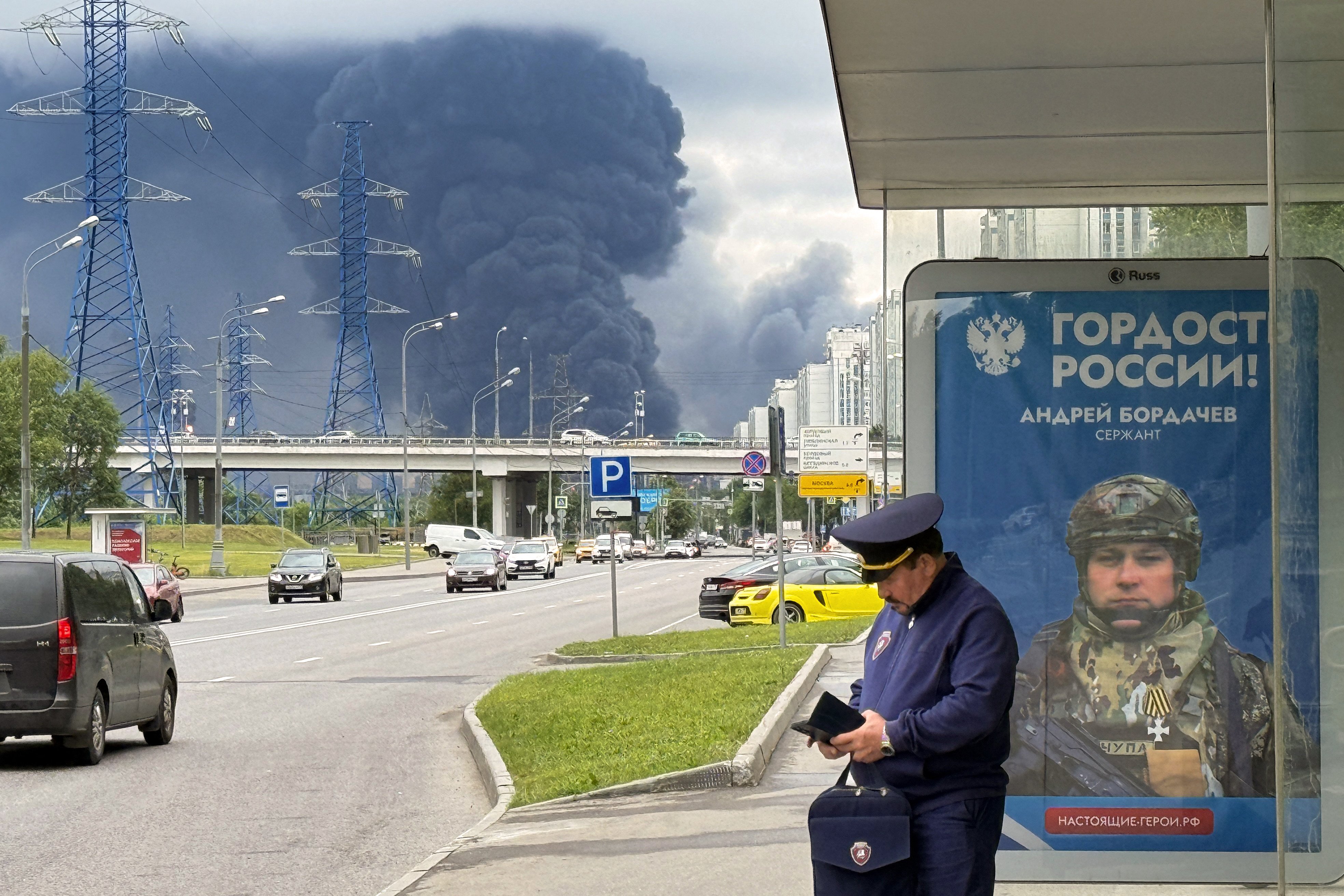
Ukrainian retaliatory strikes on Russian oil refineries, culminating in an attack on the Gazpromneft-Moscow Oil Refinery, have disabled more than 45% of Russia’s design refining capacity, according to Ukraine’s General Staff on September 21.
We bring you stories from the ground. Your support keeps our team in the field.
The figure appeared in a General Staff summary of strikes carried out between September 14 and 20 against military and economic targets inside Russia and in temporarily occupied Ukrainian territories.
The General Staff framed the campaign as “an exercise of Ukraine’s inherent right to self-defense under Article 51 of the UN Charter,” aimed at reducing Russia’s military and economic potential.
The General Staff reported that the operation struck several major refining and defense-industrial sites:
The Syzran Oil Refinery in the Samara region, where the AVT-6 primary crude distillation unit and tank farm were hit overnight on September 15;
The Slavneft-YANOS Oil Refinery in Yaroslavl, with an annual capacity of about 15 million metric tons, where the AVT-3 distillation unit was hit overnight on September 17;
The Gazpromneft-Moscow Oil Refinery in Moscow, where the AVT-6 unit, the integrated crude-processing unit and the isomerization unit were hit on September 20;
The Atlant Aero plant in Taganrog, Rostov region, which produces Molniya strike and reconnaissance drones and components for Orion UAVs.
Following the Moscow retaliatory strike, the General Staff said cumulative damage had disabled more than 45% of Russia’s design refining capacity and contributed to shortages of high-quality fuel, including a sharp decline in the production of Euro-5 gasoline and diesel.
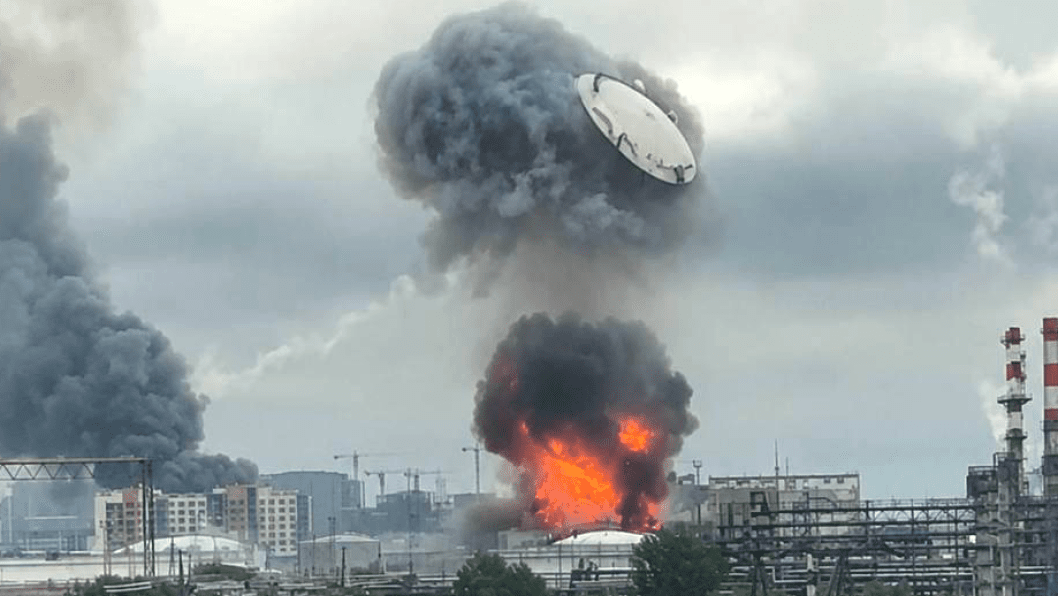
The damage has coincided with growing pressure on Russia’s domestic fuel market.
Gasoline rationing has returned across multiple Russian regions in recent months, with purchase limits, restrictions on filling portable containers, and odd-even refueling systems introduced in some areas as supplies tightened.
Independent data also point to a substantial decline in Russian refining activity. The International Energy Agency said refinery throughput fell to 3.8 million barrels per day in June, roughly 30% below the previous year and its lowest level in more than two decades.
The International Energy Agency (IEA) estimated that Russian gasoline output was about 20% lower than in 2025, while diesel production had fallen by nearly 30%.
Discuss this article:





-c439b7bd9030ecf9d5a4287dc361ba31.jpg "Photo of Katherina Popilnichenko")