- Category
- War in Ukraine
Russia’s Fuel Crisis Returns as Regions Bring Back Gasoline Rationing
 Prefer U24 Media on Google
- Authors


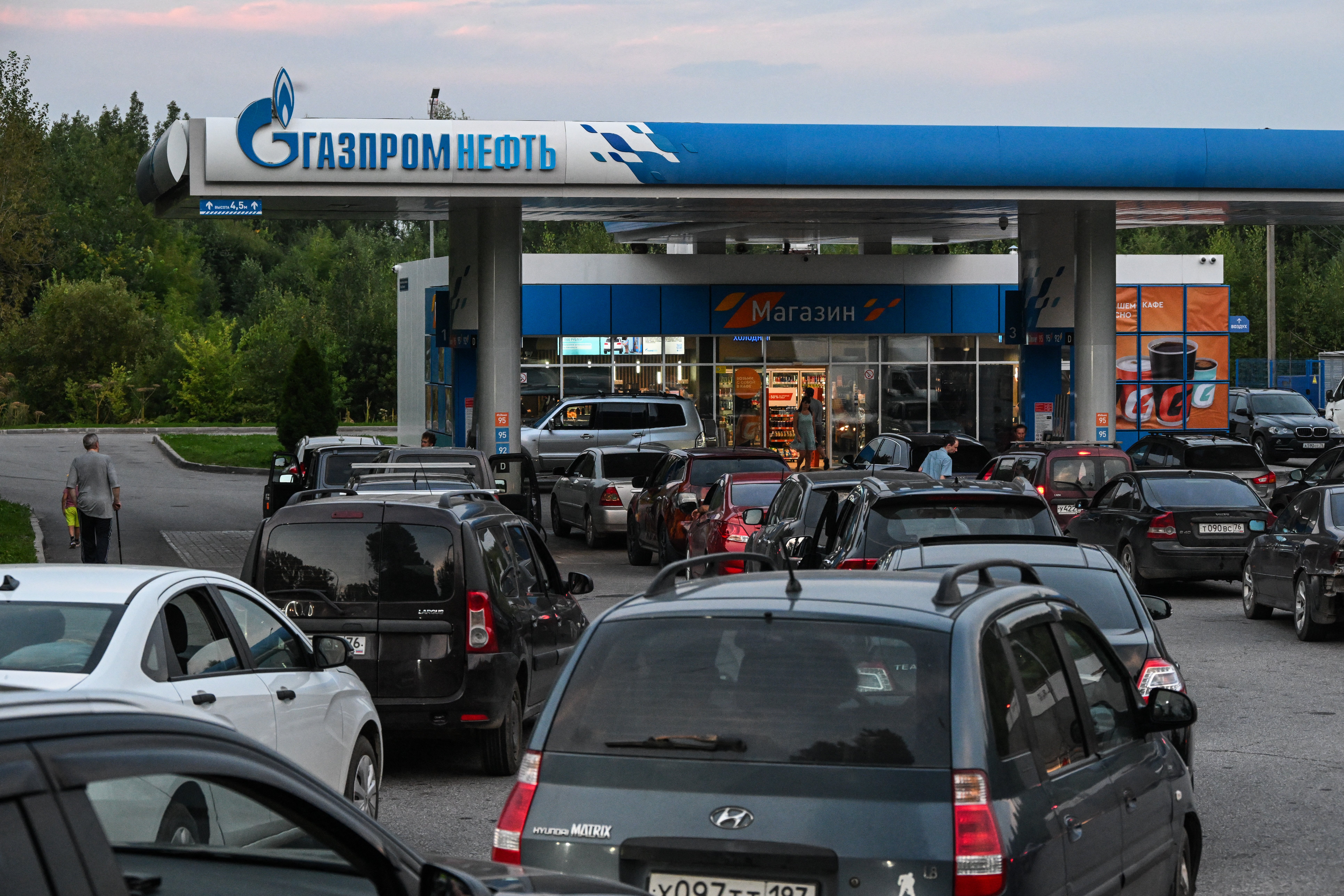
Russia has reintroduced gasoline rationing across several regions after restrictions were briefly eased in late July, as renewed refinery disruptions continue to strain domestic fuel supplies.
We bring you stories from the ground. Your support keeps our team in the field.
At least six Russian regions reinstated or tightened fuel-sale restrictions between August 10 and 15, The Insider reported on August 15. Measures include limits on gasoline purchases, bans on filling portable containers, and odd-even rationing based on vehicle license plates.
Kaluga region introduced an odd-even system on August 15 after authorities reported renewed queues at filling stations. Two weeks earlier, regional officials had said the situation was stabilizing and fuel was available at 93% of filling stations.
Lipetsk region restored similar restrictions on August 13, limiting gasoline purchases to 30 liters per vehicle. Authorities said daily supplies remained insufficient and warned that significant improvement was unlikely in the coming weeks.
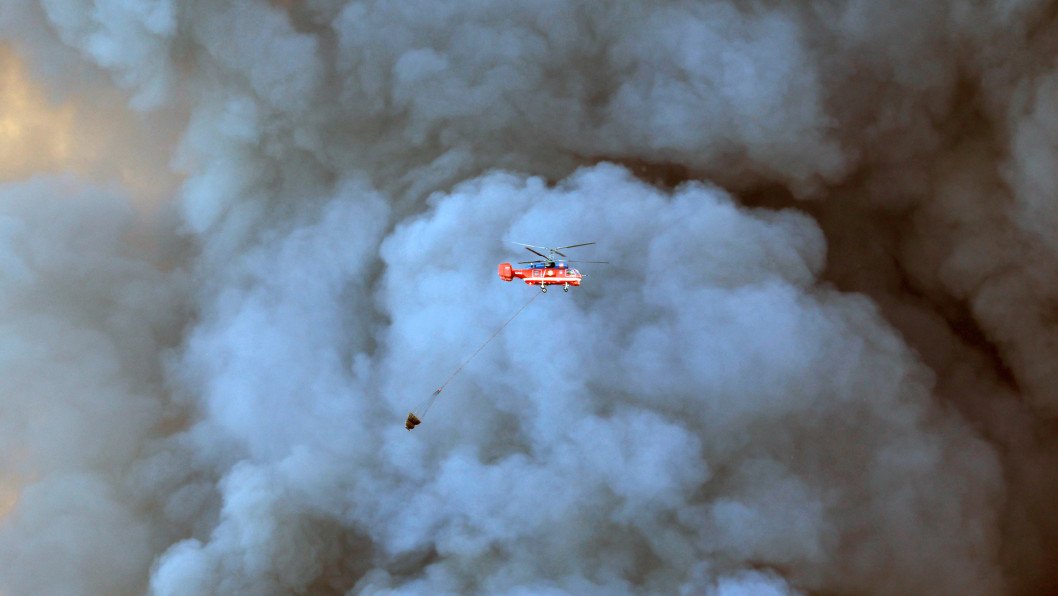
Orenburg region introduced rationing for the first time on August 12 following the shutdown of the Orsk oil refinery after a drone strike and subsequent fire. Gasoline purchases are now limited to between 15 and 30 liters.
“The situation there is difficult. Striking elements damaged key infrastructure that cannot currently be restored. The equipment is imported, and given the sanctions, repairs will take up to six months,” Orenburg Governor Yevgeny Solntsev said.
According to The Insider, restrictions have also returned in Astrakhan, Volgograd and Irkutsk regions, while occupied Sevastopol reintroduced a QR-code system for fuel purchases. Filling stations in Sochi have also imposed purchase limits.

Authorities are simultaneously trying to control prices. On August 14, Novosibirsk region reached what officials described as Russia’s first agreement limiting retail fuel markups. Participating filling-station networks agreed to keep the markup on fuel supplied by Gazprom Neft below 15% of the wholesale price.
Russia’s domestic fuel shortages have coincided with record crude exports to India. Russian oil accounted for 50.83% of India’s crude imports in July, as Ukrainian strikes damaged or disrupted Russian refining capacity, leaving Moscow with more crude available for export but less capacity to turn it into gasoline and diesel at home.
Discuss this article:
-9a7b3a98ed5c506e0b77a6663f5727c5.png)