- Category
- World
Russian Region Reinstates Gasoline Rationing Following Ukrainian Drone Strike on Major Refinery
 Prefer U24 Media on Google
- Authors

-c439b7bd9030ecf9d5a4287dc361ba31.jpg "Photo of Katherina Popilnichenko")
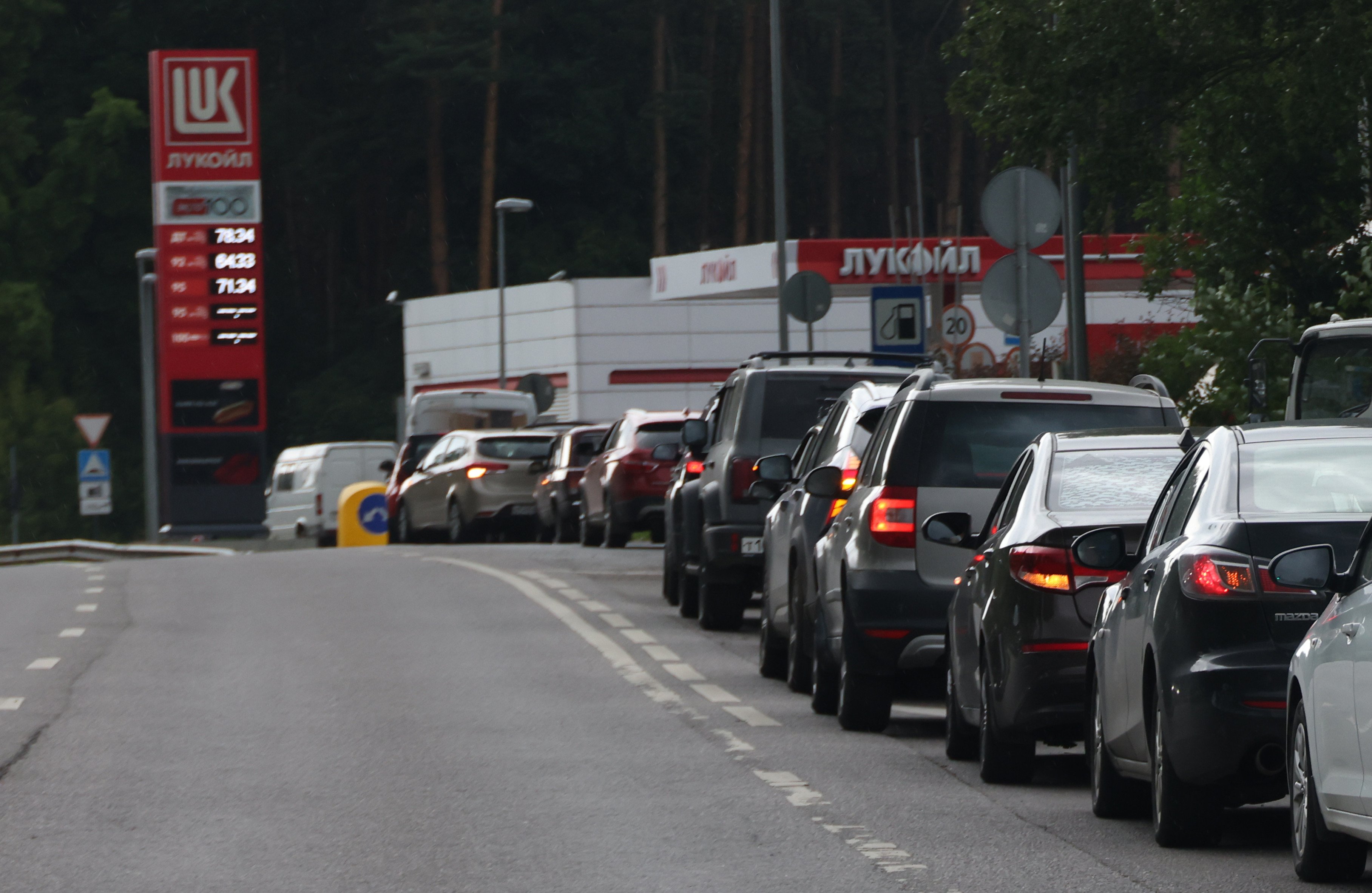
Gasoline purchase restrictions have been reintroduced across gas stations in Russia’s Volgograd region, limiting drivers to no more than 40 liters of gasoline per vehicle at Lukoil and Gazprom locations.
The decision follows an overnight drone strike on July 31 targeting an energy facility in southern Volgograd. Satellite imagery detected heat signals at the Lukoil-Volgogradneftepererabotka oil refinery, which has an annual processing capacity of over 15 million tons of crude oil, according to The Moscow Times on August 3.
We bring you stories from the ground. Your support keeps our team in the field.
Photos of the burning facility were published by monitoring channels, and the General Staff of the Armed Forces of Ukraine confirmed the attack.
The refinery produces gasoline, diesel, aviation fuel, fuel oil, and bitumen, and plays a role in supporting Russian forces during Russia’s full-scale invasion of Ukraine. The plant was previously hit by drones in late May, which temporarily halted its operations.
On the same day, drones hit a Wildberries logistics hub in the Volgograd region. Security forces subsequently detained three local residents for sharing photos and video footage showing the burning warehouse.
All three individuals were recorded apologizing on camera. One resident stated she sent a photo to a neighborhood group chat at a neighbor’s request, another said she posted an image to find out what happened, and a third stated he uploaded a video of the site without realizing it could assist in target correction.
-3e8b097e198c837b2cb202e886b888d6.jpg)
The region maintains a strict ban on filming or sharing images related to drone strikes, carrying fines of up to 1 million rubles ($12,500) as well as potential state treason charges under Article 275 of the criminal code.
Russian political analyst Abbas Gallyamov noted that visual imagery plays a crucial role for the public, stating, "For a mass audience, visual images are much more important than words."
He added, "If there are no images of burning targets, it will be much easier to maintain the illusion that everything is going according to plan. And this is Putin’s main message."
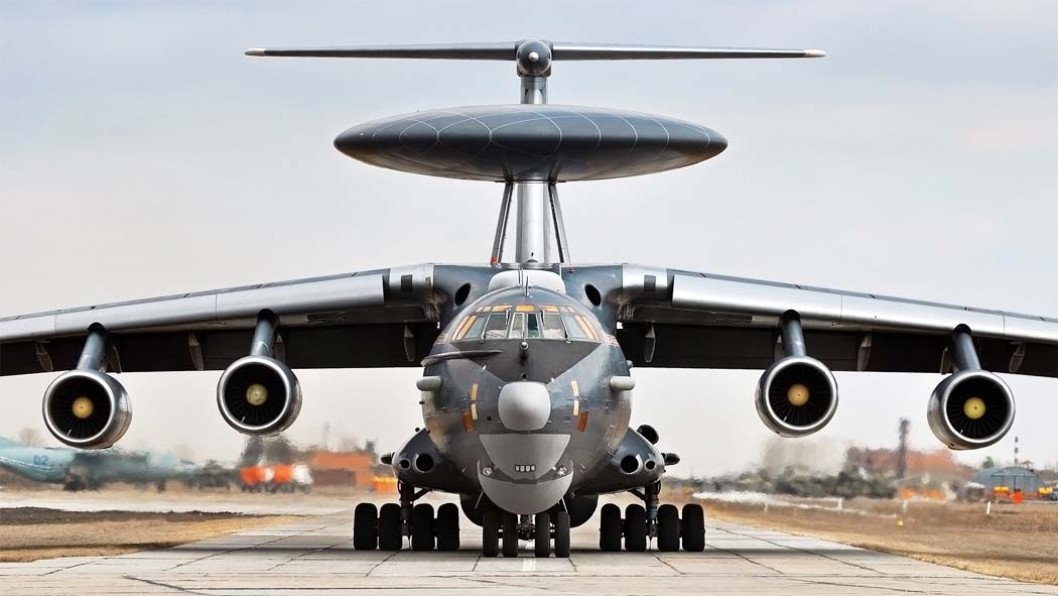
In the summer of 2026, Russia faced a severe domestic fuel crisis triggered by a series of Ukrainian drone strikes on its energy infrastructure, which knocked out approximately 25% of the country's oil refining capacity.
To stabilize the market and address widespread shortages, the Russian government imposed a ban on diesel fuel exports and began importing fuel from Belarus and Kazakhstan.
Meanwhile, official fuel restrictions were introduced in over 20 regions, while the Kremlin attempted to prevent public unrest by heavily subsidizing pump prices despite rising black market rates.
Discuss this article:
-4a56a6b482ec132402c16ef6fcabf9a2.png)