- Category
- War in Ukraine
Russia Cuts Off Diesel Exports After Drone Attacks Strain Domestic Fuel Market
 Prefer U24 Media on Google
- Authors

-c439b7bd9030ecf9d5a4287dc361ba31.jpg "Photo of Katherina Popilnichenko")
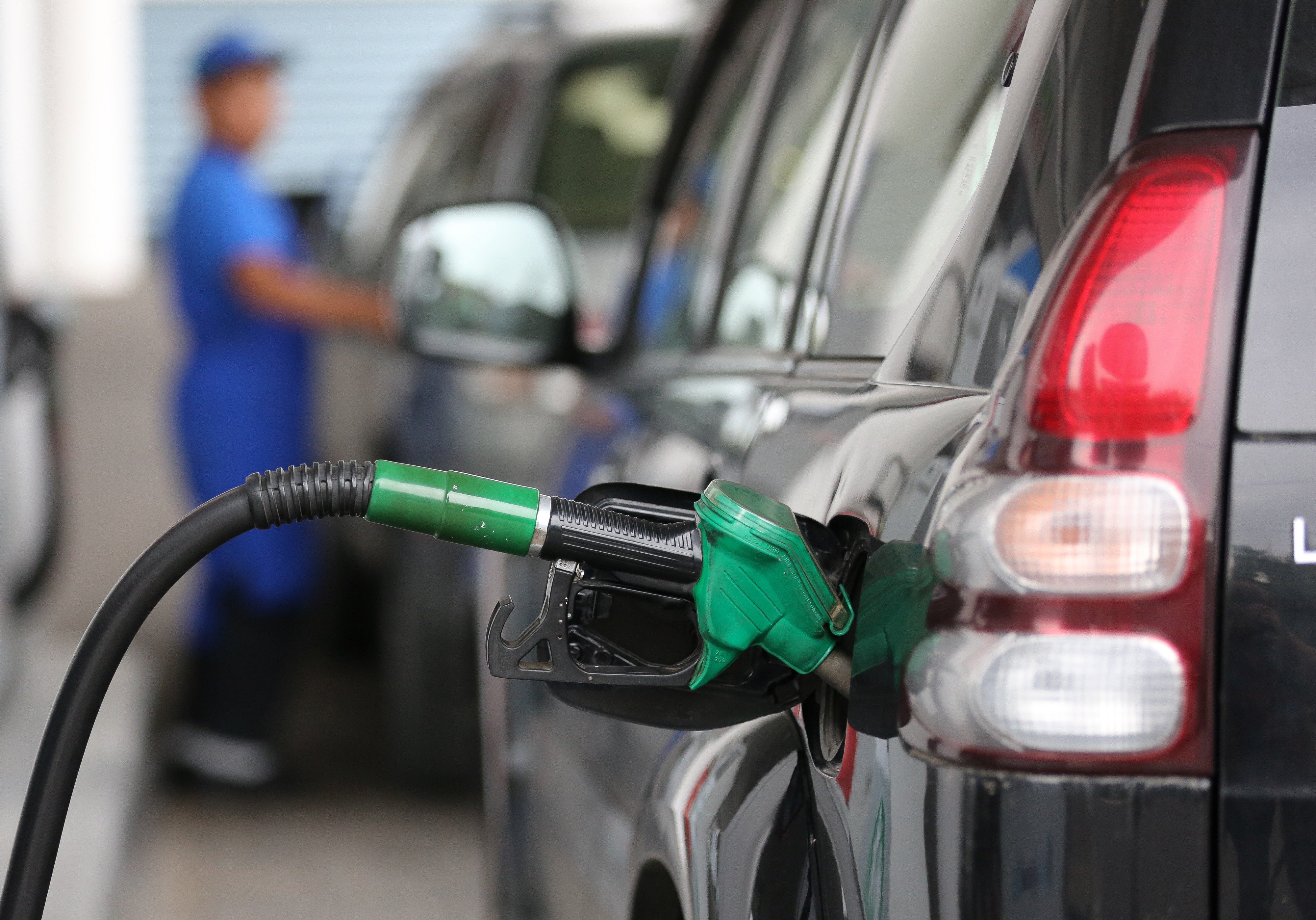
The Russian government imposed a ban on diesel fuel exports starting July 8 to address a domestic fuel crisis triggered by Ukrainian drone strikes on major oil refineries.
Russian Deputy Prime Minister Alexander Novak announced the export restriction during a government meeting led by Russian leader Vladimir Putin, noting that Russia will also begin importing fuel from other countries this July, according to Meduza.
We bring you stories from the ground. Your support keeps our team in the field.
"The current situation at gas stations causes anxiety among people; to solve the tasks at hand and stabilize the situation, the government continues to take additional steps," Novak said.
In the summer of 2026, Russia faced a major domestic fuel crisis triggered by a series of successful Ukrainian drone strikes on its energy infrastructure. The hardest hit was the Moscow oil refinery, which previously supplied 40% of the fuel consumed in the Moscow region.
The situation is further complicated by Western sanctions, which restrict Russia's ability to import the critical components needed to repair the high-tech equipment.
Large-scale drone raids, sometimes involving up to 1,000 units per attack, have knocked out approximately 25% of Russia's total oil refining capacity compared to the previous year. The cumulative effect of these strikes caused severe shortages at Russian gas stations at the peak of the summer holiday season and the agricultural harvest. Official fuel restrictions—limiting sales to 20 liters per vehicle and banning the filling of canisters—have been introduced in over 20 regions, though Ukrainian official estimates suggest the real shortage impacts around 60 Russian provinces, including the Moscow region.

To prevent public unrest, the Kremlin is artificially keeping pump prices 30% to 50% below market rates, funding this subsidy through a dampener mechanism that costs at least 200 billion rubles ($3 billion) per month. Despite these efforts, fuel prices continue to rise weekly, with black market rates in the hardest-hit areas running two to three times higher than official prices.
Amid falling global oil prices and shrinking export revenues, Russia has failed to meet its own internal demand, forcing the government to lower environmental standards from Euro-5 to Euro-3 and urgently request fuel imports from Belarus and Kazakhstan.
On July 8, Kazakhstan has introduced strict entry limits on all cargo and passenger vehicles coming from neighboring countries, restricting entries to just once per day.
Discuss this article:






-29a1a43aba23f9bb779a1ac8b98d2121.jpeg "Photo of Illia Kabachynskyi")