- Category
- War in Ukraine
As Ukraine's "Sanctions" Deliver Results, Russia Starts Importing Fuel
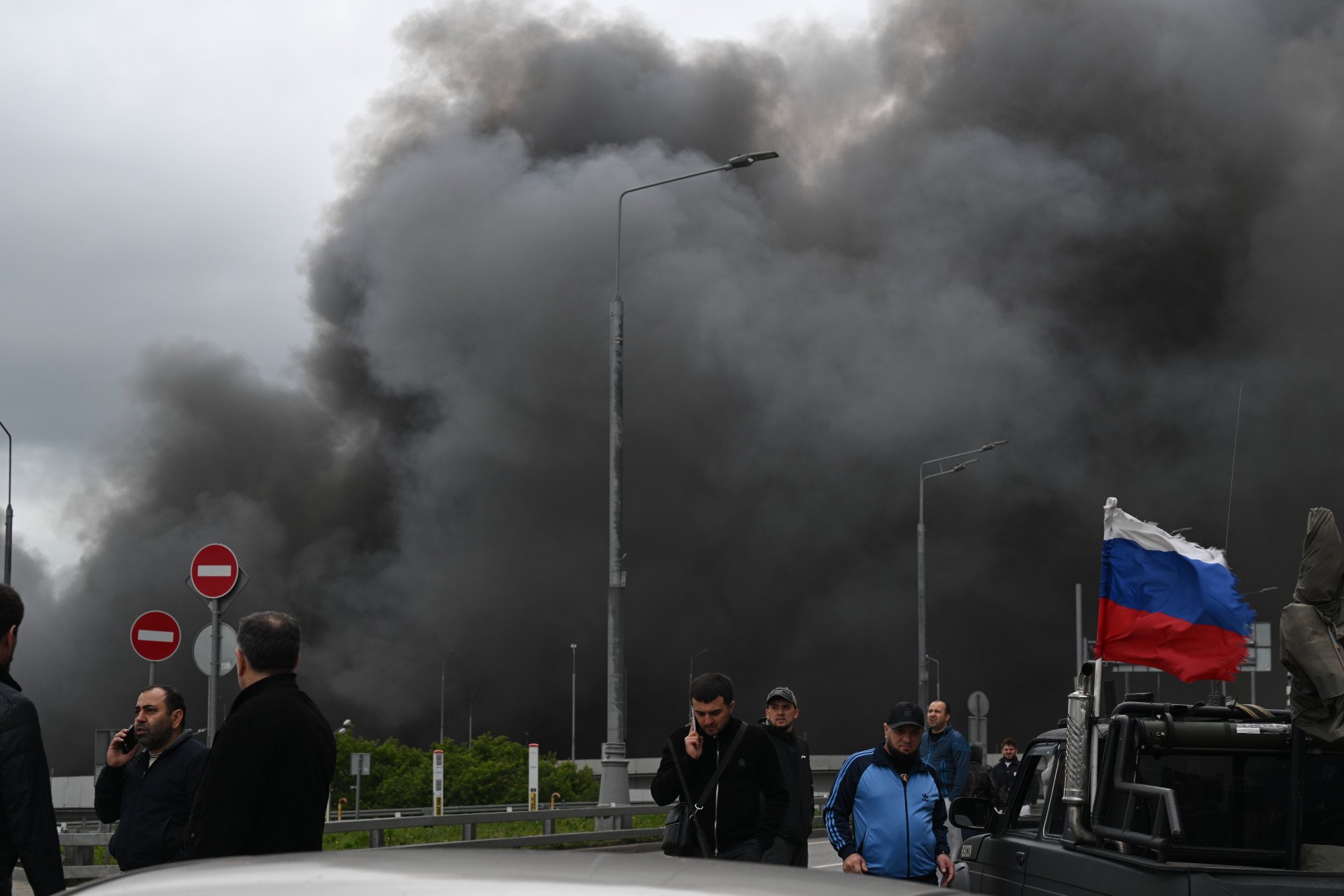
The Russian government is scrambling to prevent a domestic fuel crisis. Following a series of successful Ukrainian strikes on oil refineries and energy infrastructure, the world's self-styled petrol station has found itself without enough fuel to meet its own internal demand, at the height of the holiday season and the agricultural calendar. Avoiding the resulting social pressure will cost Russia tens of billions of dollars.
 Prefer U24 Media on Google
- Authors

-29a1a43aba23f9bb779a1ac8b98d2121.jpeg "Photo of Illia Kabachynskyi")
In June 2026, Ukrainian drones struck the Moscow oil refinery twice in quick succession. The facility ranks among Russia's ten largest refineries, is capable of processing more than 11 million tonnes of petroleum products per year, and was responsible for supplying 40% of the fuel consumed in the Moscow region. Following the Ukrainian drone strikes, it will not be operational again before early 2027.
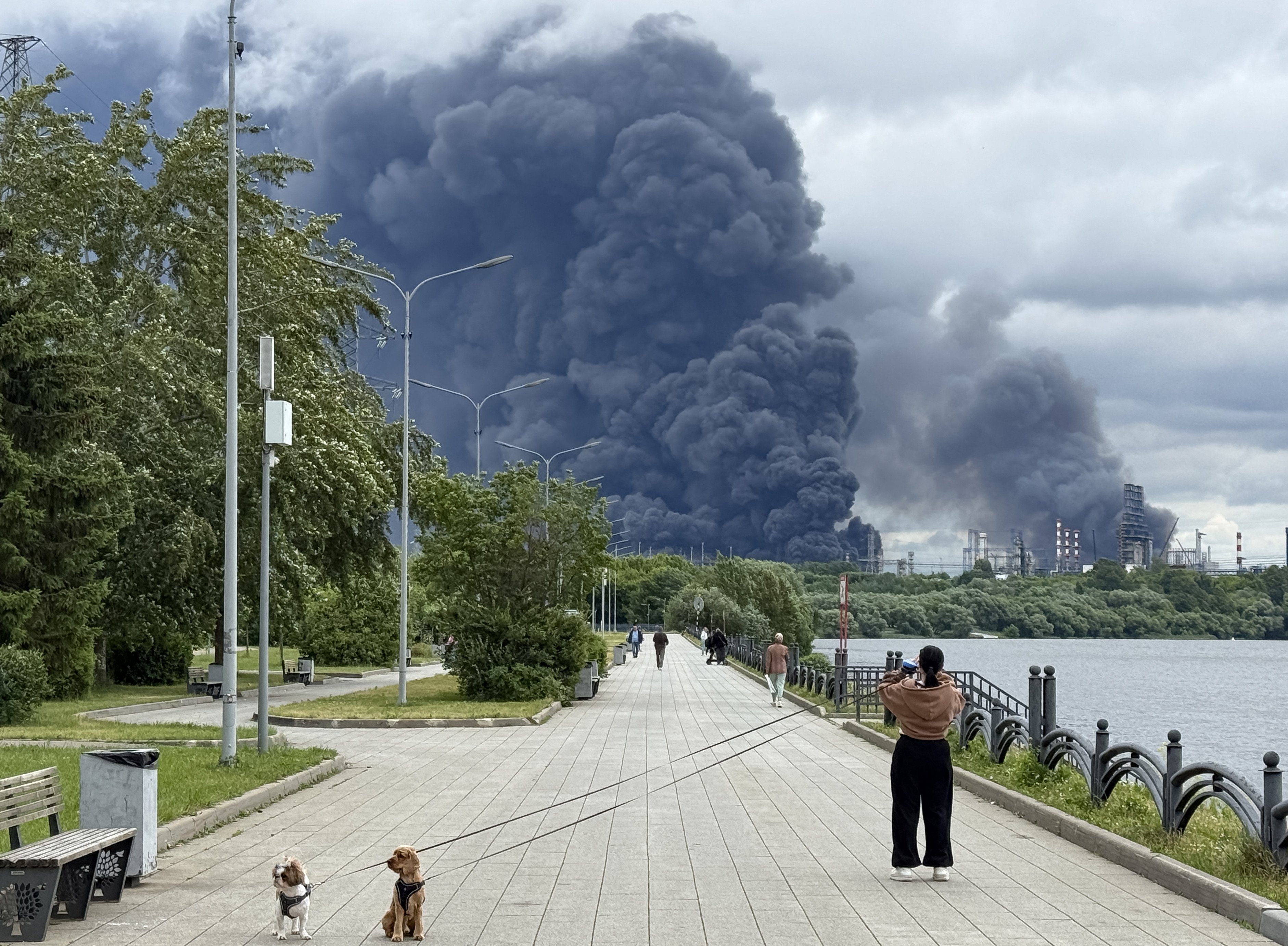
Since the start of the year, Ukraine has carried out dozens of strikes on refineries across what Russia calls its European territory. The cumulative effect of what Ukrainians describe as "proper sanctions" began to make itself felt in late May, when fuel started disappearing from Russian regions.
We bring you stories from the ground. Your support keeps our team in the field.
Most attention has focused on Crimea, where the Logistics Lockdown and Middle Strike drone strikes have made it physically impossible to deliver fuel to the peninsula. But the reality is that fuel shortages are being felt across dozens of regions inside Russia itself.
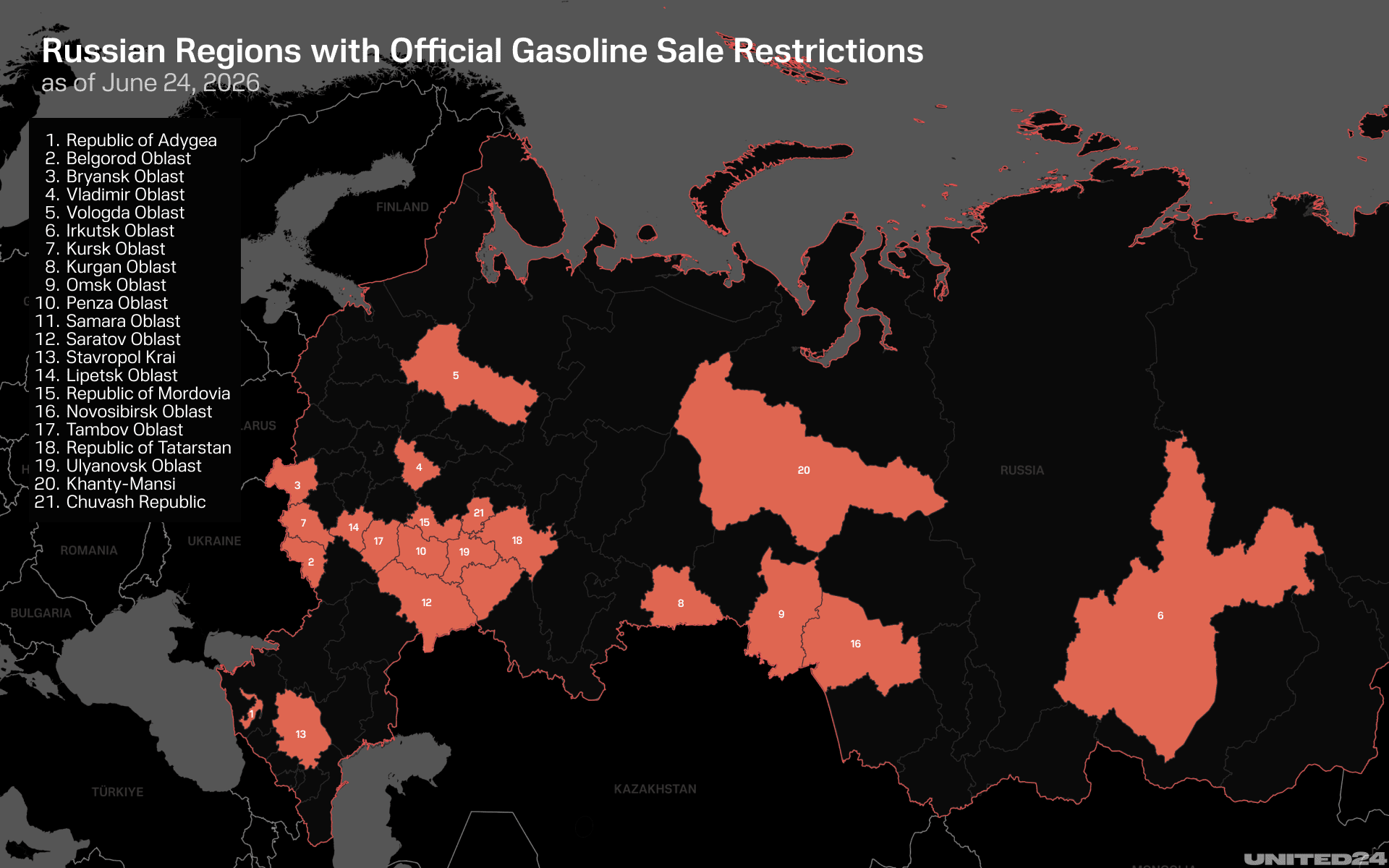
In early June, reports of fuel problems were coming in from 15 regions. By the second half of the month, official restrictions were in place in 21 regions, including limits of no more than 20 liters per vehicle and bans on filling fuel canisters. President of Ukraine Volodymyr Zelenskyy has stated that the real picture is worse, with restrictions operating across 60 regions. The Moscow region itself is evidence of this: it does not appear on the official lists, yet fuel sales restrictions are in effect there, particularly at filling stations outside the major retail networks.
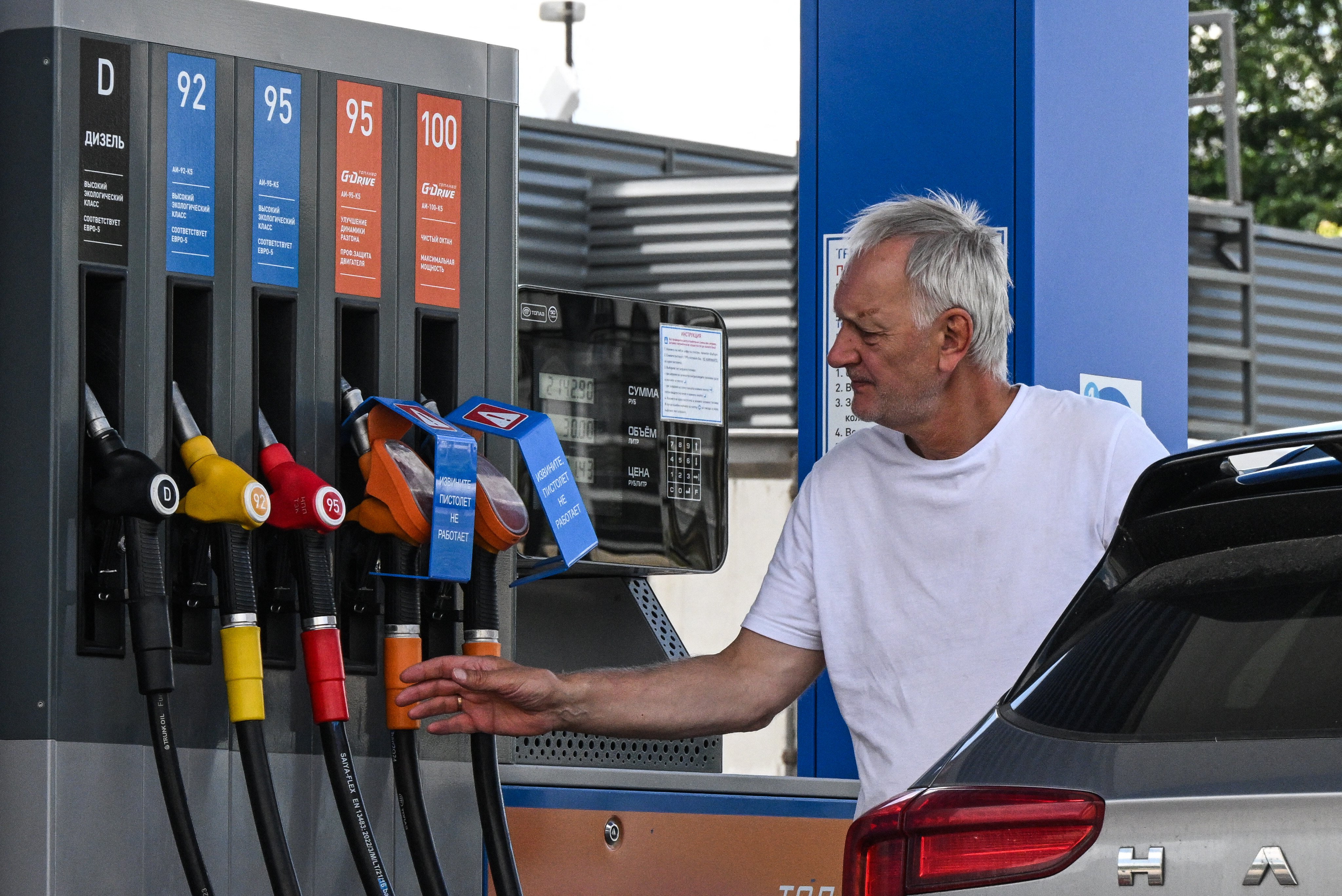
In an attempt to ease the situation, Russia has authorized a reduction in fuel quality standards, downgrading petrol from Euro-5 to Euro-3, which means 150 milligrams of sulfur per kilogram instead of the permitted 10. Car owners will be thrilled.
At the government level, the situation is being presented as under control. But the latest reports tell a different story. Russia is asking Belarus and Kazakhstan to begin exporting fuel to its territory, and there are indications these will not be the only countries Russia turns to for supply in the near term. In other words, the situation is severe enough that Russia cannot manage it alone. And whatever measures it does take will come at enormous cost.
The Kremlin holds the line on prices
One distinctive feature of the Russian market is that the state attempts to control petrol prices. To maintain a sense of normality among the population, the government operates a so-called dampener mechanism: pump prices are kept approximately 30 to 50 percent below market rates, with the subsidy funded from oil and gas revenues and paid back to the companies involved in the supply chain.
This is one of the reasons Russia was unable to fully capitalize on three months of elevated oil prices following the start of military operations in the Gulf. The dampener mechanism obliged it to return a significant share of those revenues. Today, the mechanism costs no less than 200 billion roubles per month, or roughly $3 billion.
Even so, holding prices is proving impossible. Petrol prices are rising by approximately 1% per week, with diesel increasing even faster. In regions where the fuel crisis is most acute, black market prices are running at two to three times the pump price.
The seasonal calendar will push prices higher still. July and August bring the agricultural harvest campaign, requiring significant volumes of diesel. The holiday season adds further pressure, as Russians traditionally travel domestically by car in large numbers, driving up petrol demand.
All of this coincides with oil prices returning to more typical levels. Following the reopening of the Strait of Hormuz, Brent crude has fallen below $75 per barrel. Russia will therefore be earning less, while continuing to pay substantial monthly subsidies to its domestic companies, all against a backdrop of deepening shortages and no clear solution. There is, of course, one available scenario: sitting down at the negotiating table with Ukraine.
Ukraine's "sanctions"
Kyiv has stated its objective clearly: to leave Russia without the funds to finance its war. Strikes on refineries are the primary means of achieving this, since revenue from oil and gas exports accounts for up to 40% of the federal budget and is the main source of funding for military expenditure.
Ukrainian drones are delivering results. Petrol refining capacity has fallen by 25% compared to May and June of 2025. Maritime exports are down 15%. Some industry indicators have dropped to levels last seen in 2009.
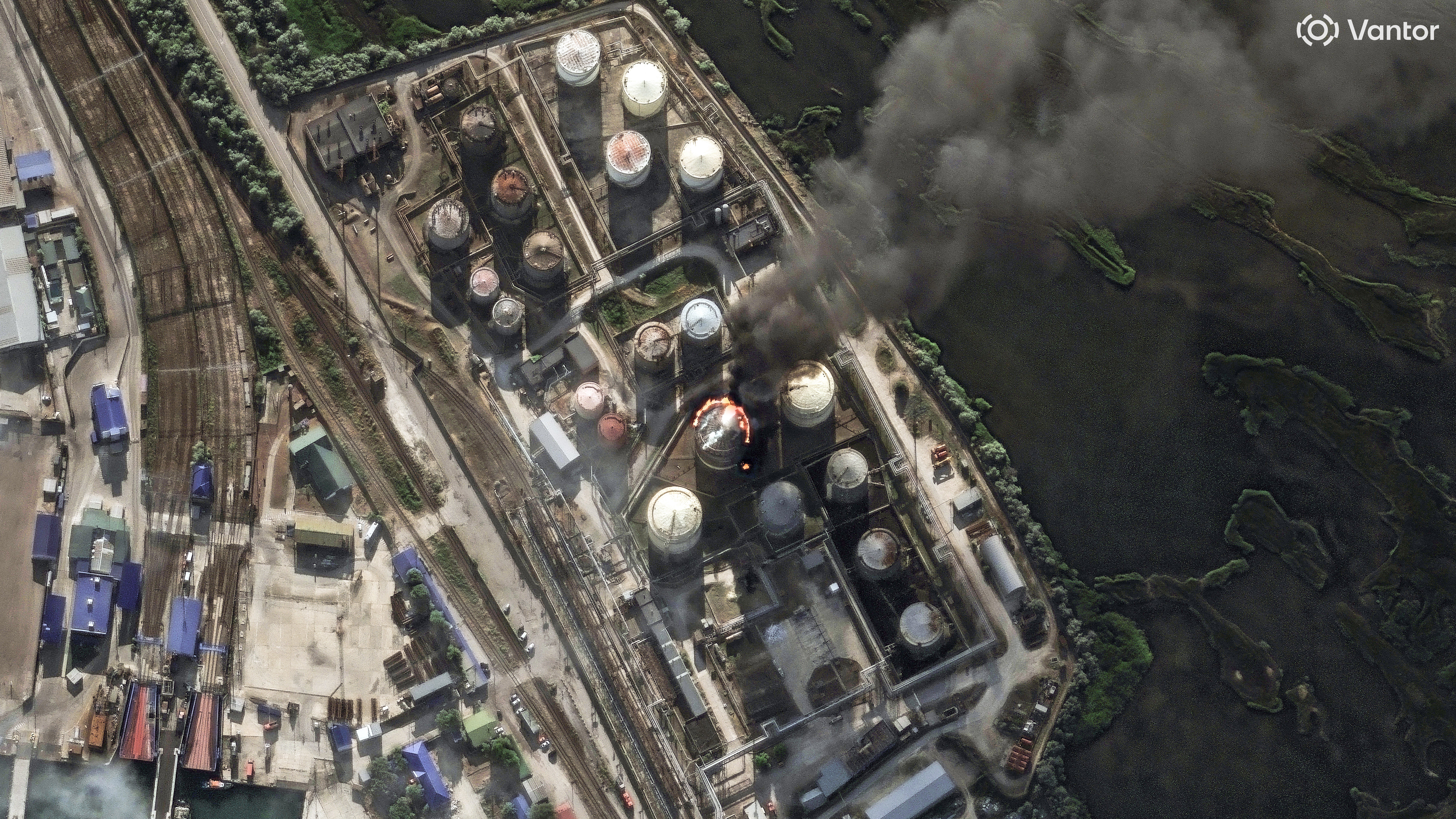
Russian refineries are under pressure not only from Ukraine but from their own government. The state is not helping to defend facilities against drone strikes, refuses to insure them, and places full responsibility for repairs on the companies themselves without providing financial support. Meanwhile, Ukraine's strikes are becoming increasingly damaging. At the Moscow refinery, two primary secondary processing units worth 100 billion roubles have been destroyed. Western sanctions are complicating the repair process, making it harder to source the components needed for restoration.
Ukraine is also scaling up the volume of its strikes. Over just the past month, two major raids involving approximately 1,000 drones each have been reported. Figures like these would have been unthinkable a year ago. Russian air defenses have proven unequal to the challenge, including in Moscow, the most heavily protected region in the country.
Discuss this article:
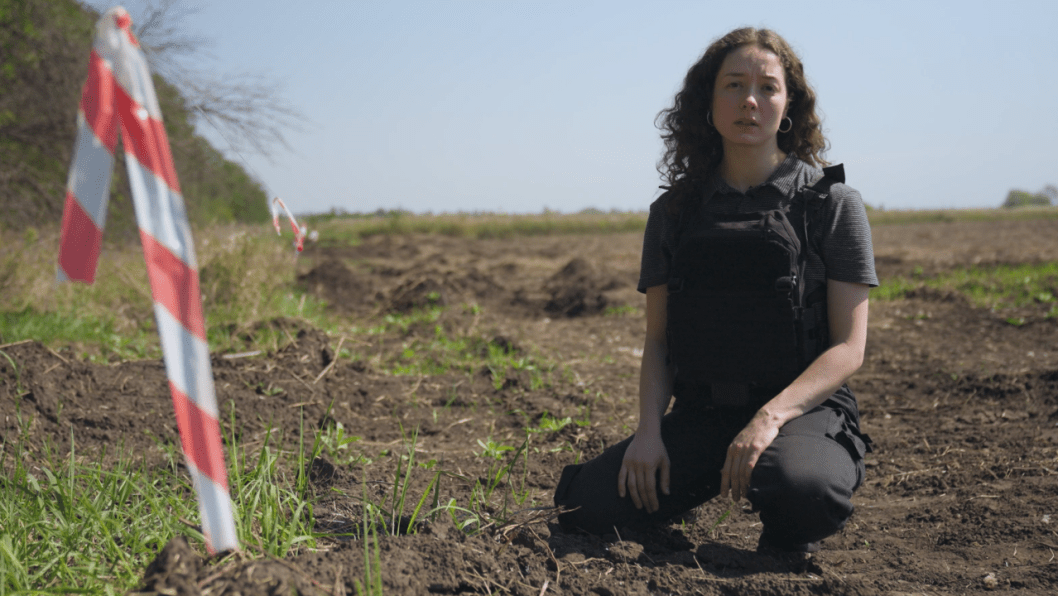

-f8b795e6bf1d73fc2fdbfd74f5e7ea96.jpeg "Massive flames and thick black smoke rise from the Omsky Kauchuk chemical plant in Russia following a Ukrainian drone strike on October 24, 2026. (Source: Exilenova+)")