- Category
- War in Ukraine
Satellite Images of Targets Attacked in Crimea Expose Severe Damage to Russian Logistics
 Prefer U24 Media on Google
- Authors

-c439b7bd9030ecf9d5a4287dc361ba31.jpg "Photo of Katherina Popilnichenko")
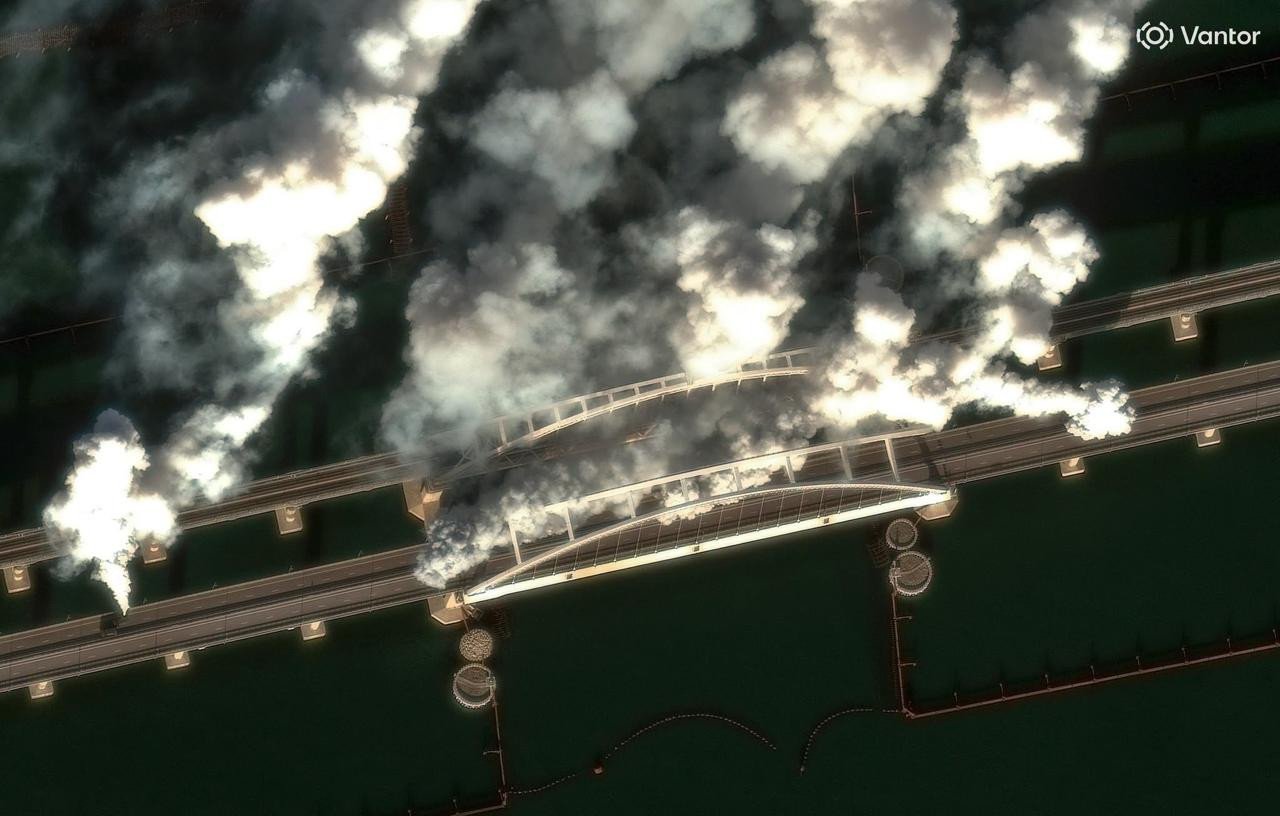
Eight detailed satellite images captured between June 12 and June 22 expose heavy damage to key logistics routes used to supply Russian forces in occupied Crimea, alongside active fires at oil facilities.
The images, sourced from the aerospace company Vantor and published by the investigative journalism project "Schemes," provide visual evidence of successful strikes against Russian military infrastructure during Russia’s full-scale invasion of Ukraine, according to Radio Svoboda.
We bring you stories from the ground. Your support keeps our team in the field.
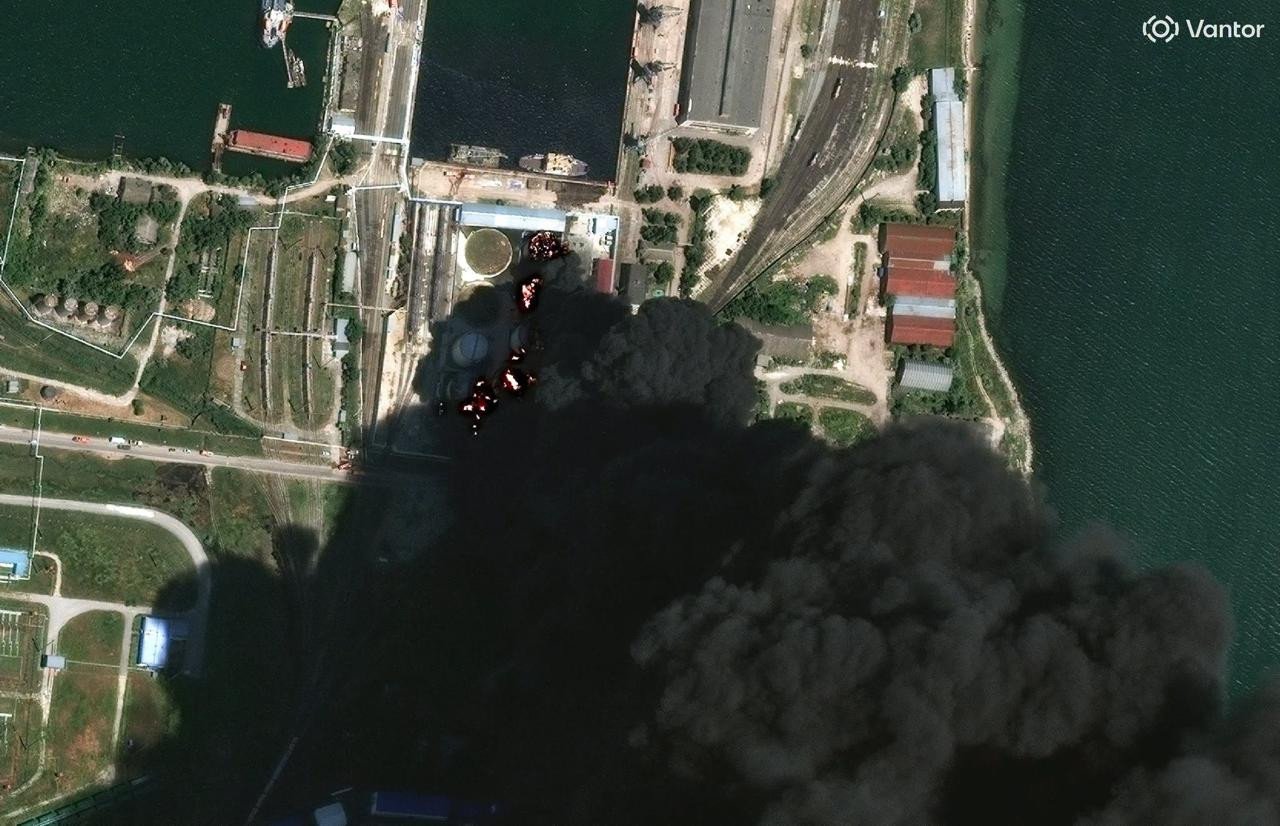
The newly released imagery shows specific destruction along vital transportation links that sustain Russian front-line operations, as well as multiple fires breaking out at strategic fuel depots.
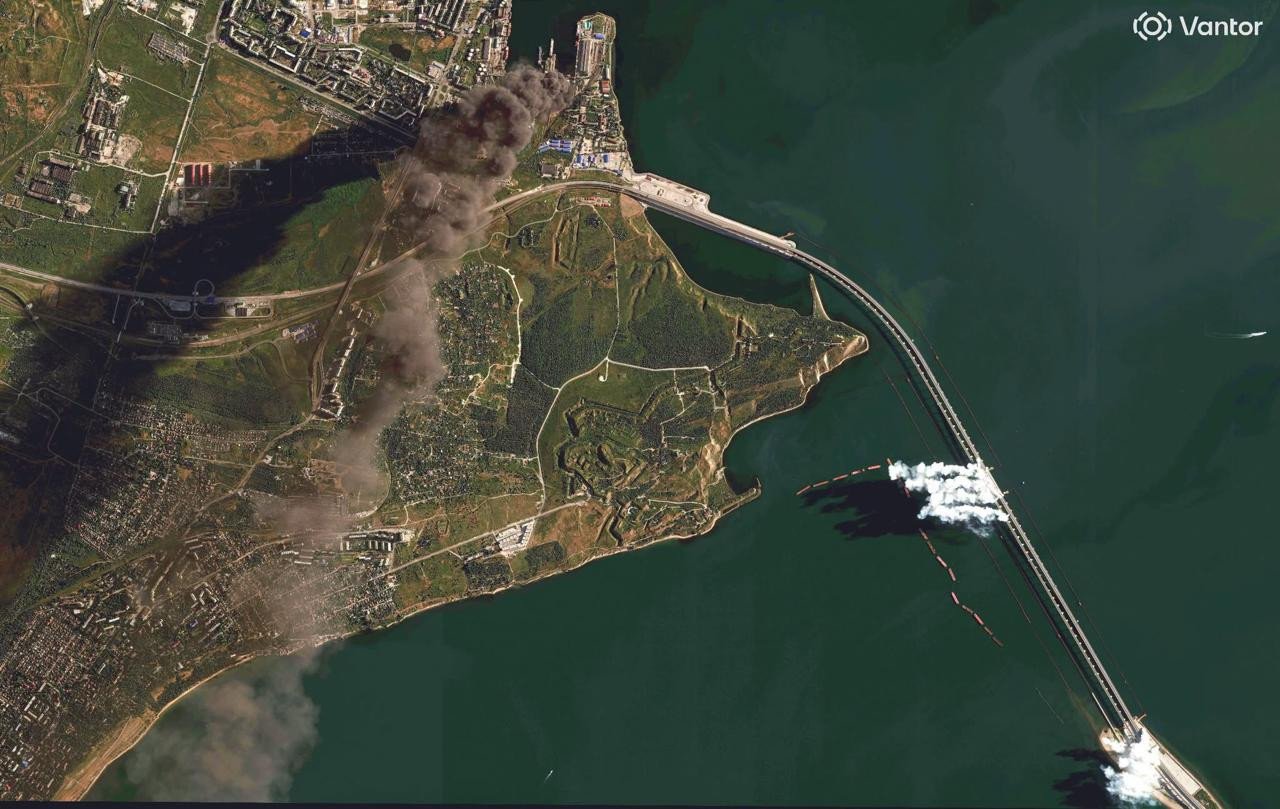
This visual confirms that Russian forces are actively operating specialized vehicle-mounted smoke generators in an effort to mask and conceal strategic sections of the bridge's roadway and structure from further aerial attacks.
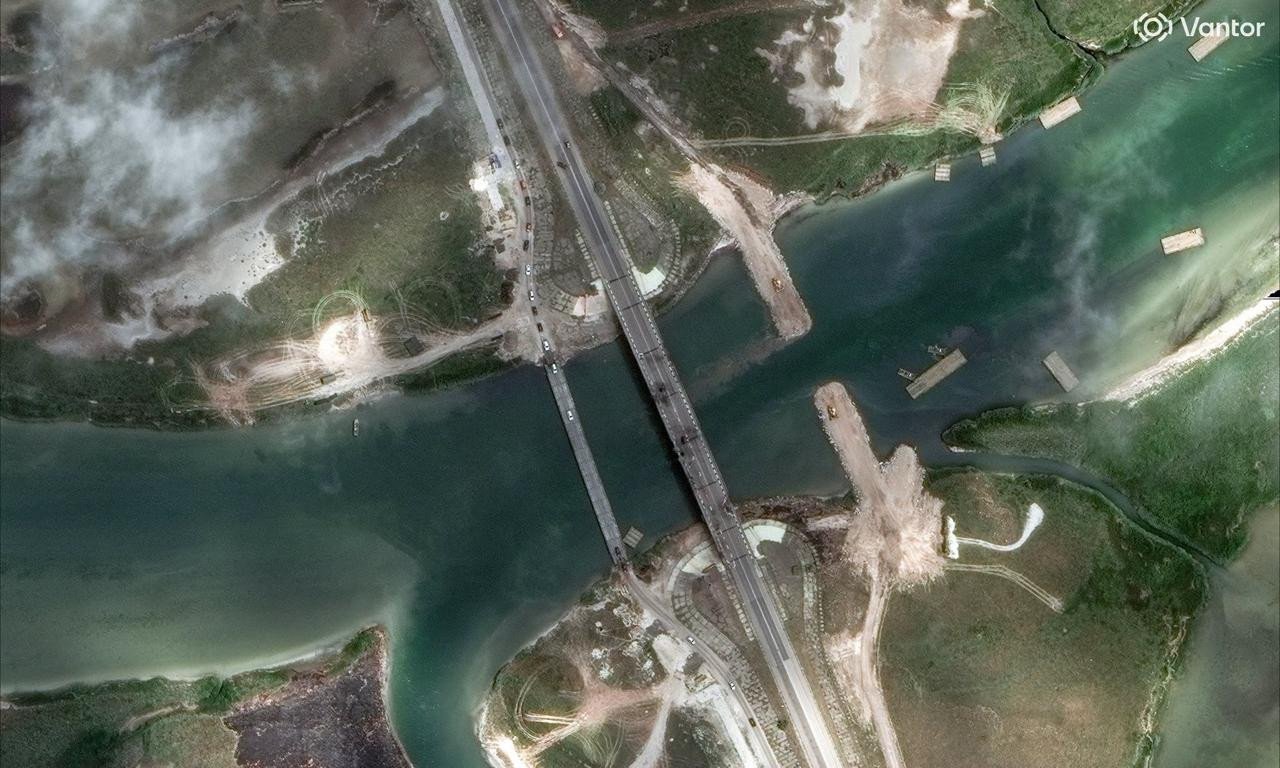
The satellite imagery serves as critical visual evidence of Ukraine's ongoing efforts to disrupt Russian military operations by targetting the infrastructure that sustains them.
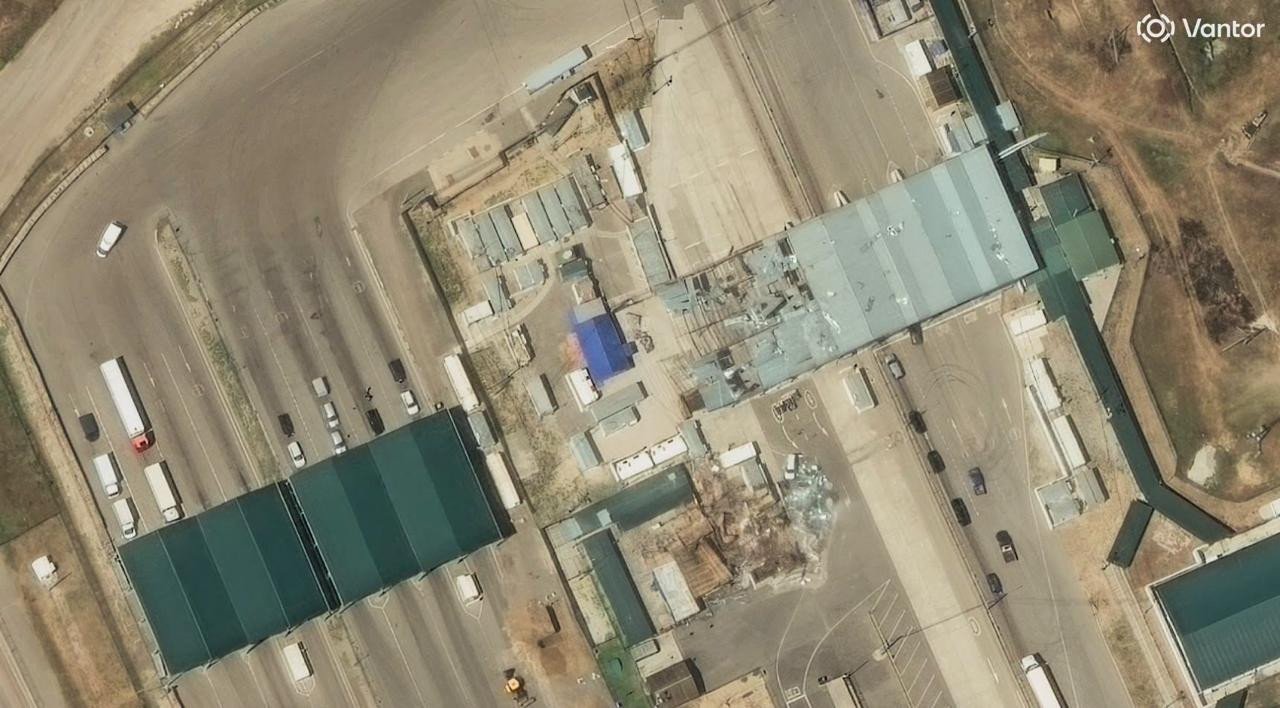
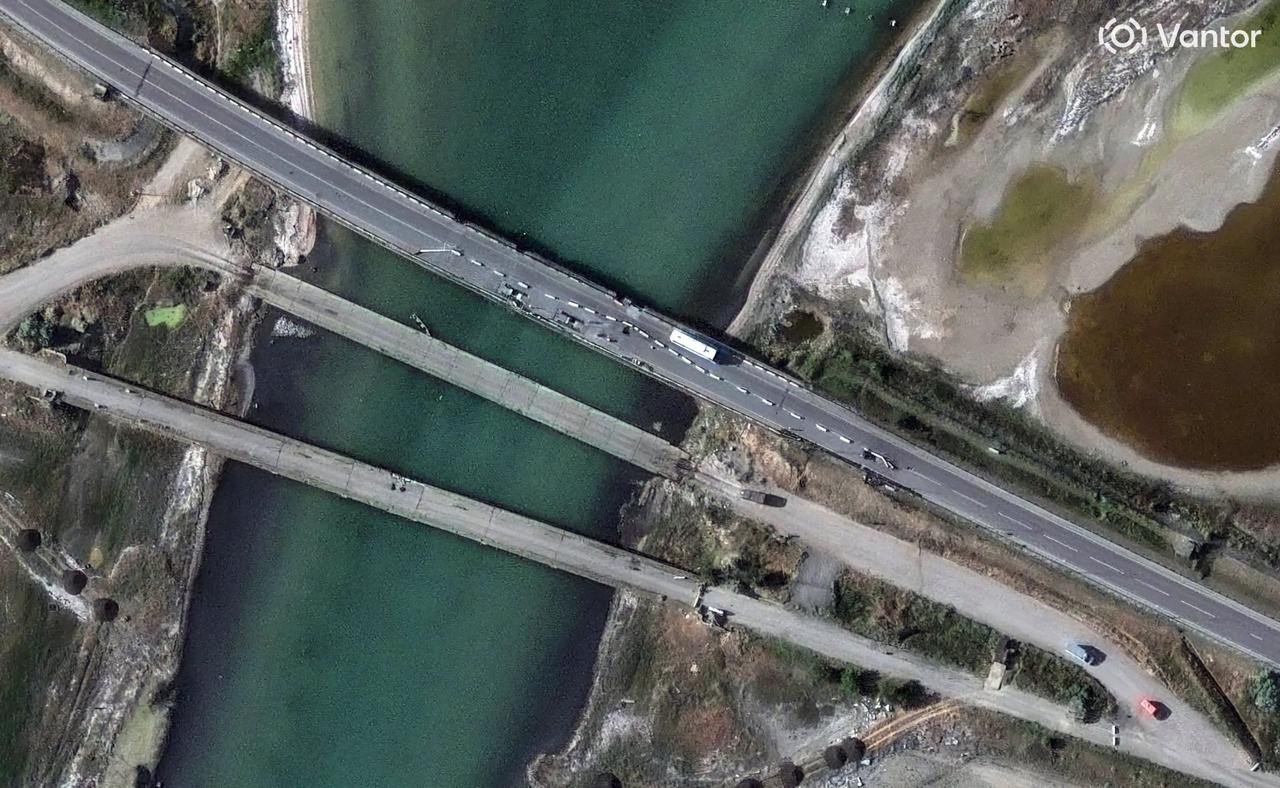
By striking key logistics routes and fuel repositories, the Ukrainian military directly impairs Russia's ability to transport ammunition, reinforcements, and essential supplies to the front lines.
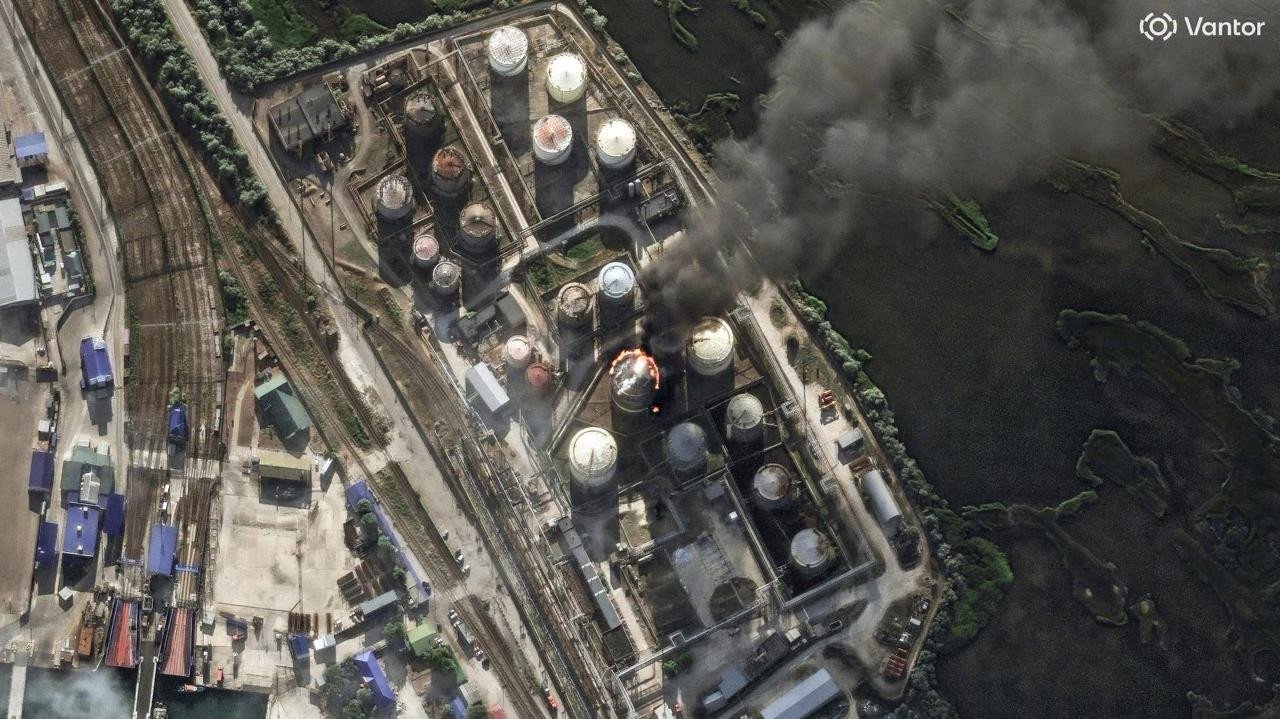
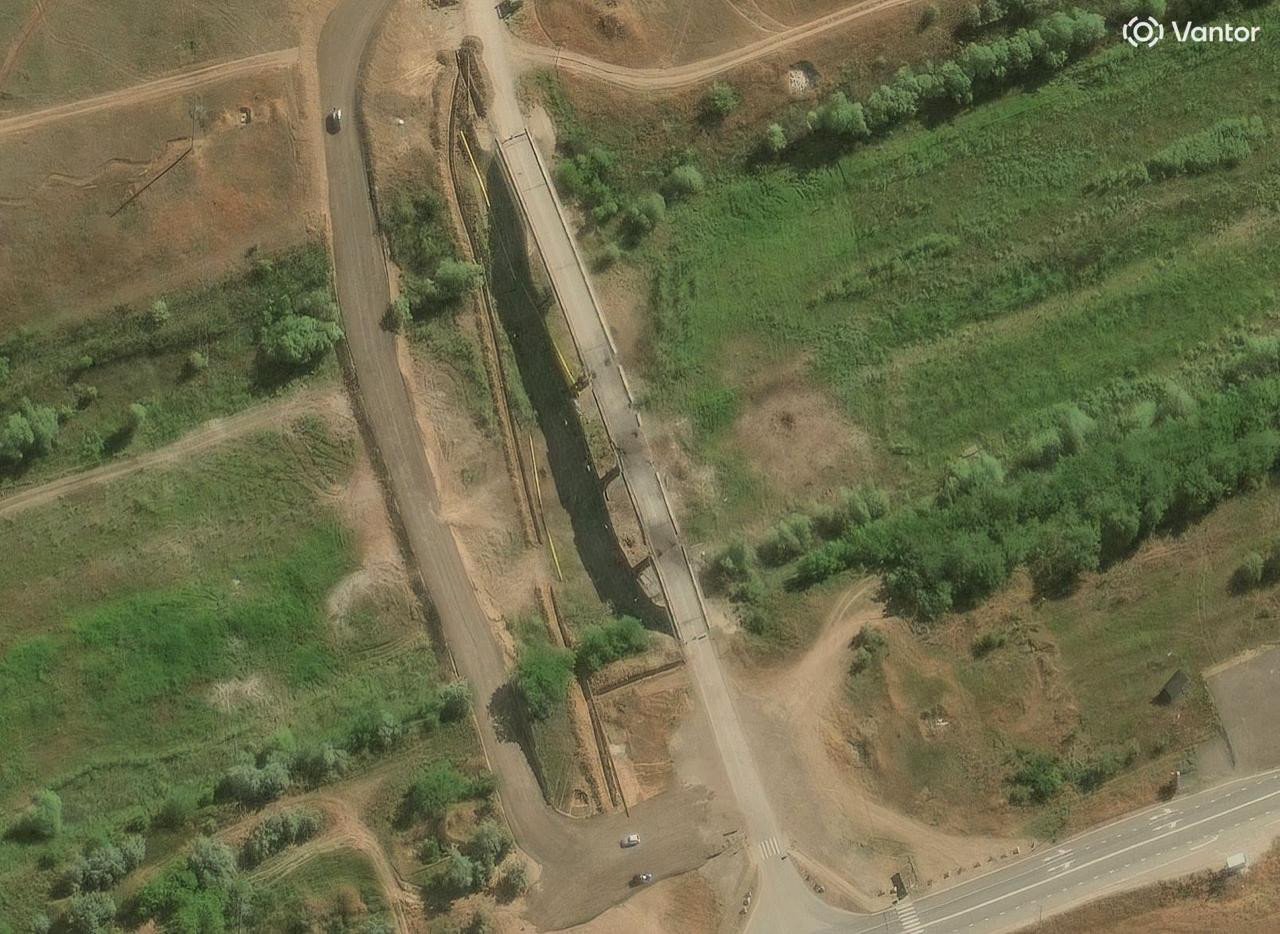
These actions systematically weaken the defensive and offensive capabilities of the occupying forces in Crimea, demonstrating a strategic focus on degrading the enemy's logistical backbone rather than just engaging in direct frontline combat.
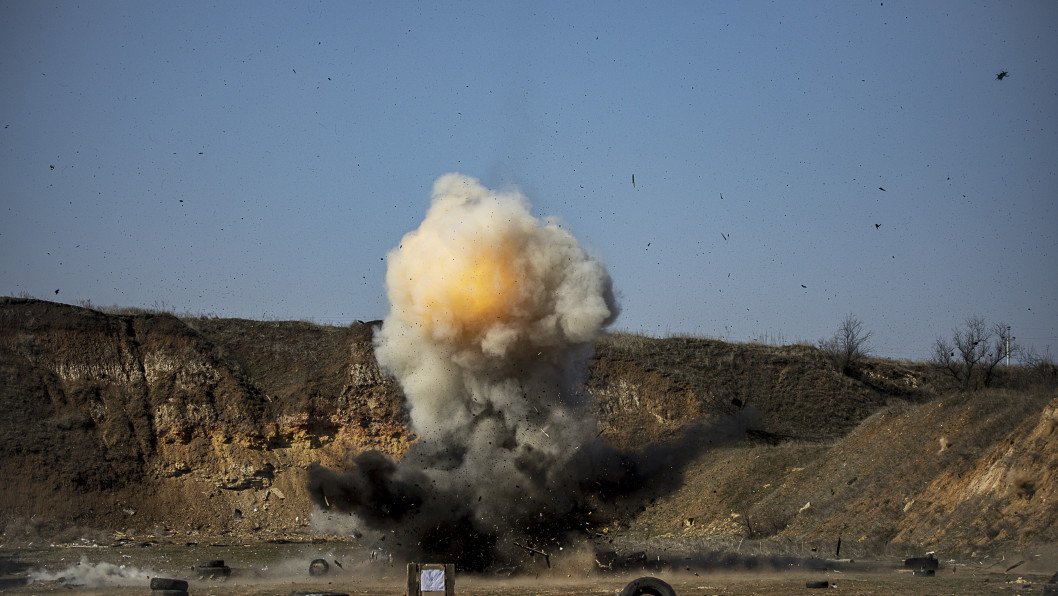
Furthermore, the defensive measures observed on the Kerch Bridge , such as the use of smoke generators, highlight the strategic vulnerability of Russia's primary supply line to the peninsula.
The Russian military's reliance on camouflage tactics indicates a clear recognition of the threat posed by precise Ukrainian long-range strikes. As Crimea remains a central hub for Russia’s full-scale invasion of Ukraine, neutralizing these transit corridors is vital for isolating the Russian grouping and gradually shifting the operational balance in the region.
On June 21, 2026, Ukrainian drones targeted logistics, fuel infrastructure, and air defense assets on both sides of the Kerch Strait overnight, with fires reported in temporarily occupied Kerch, Crimea, and Russia’s Port Kavkaz in the Krasnodar region.
President Volodymyr Zelenskyy later confirmed the strikes against Russian military logistics, oil industry facilities, air defense systems, and radar stations, describing them as a fair response to Russia’s brutal strikes.
According to local monitoring channels, eyewitness footage, and satellite fire detection data, the operations triggered fires at fuel-handling infrastructure linked to maritime supply operations supporting Russian-controlled territories in southern Ukraine and Crimea.
Discuss this article:
-9a7b3a98ed5c506e0b77a6663f5727c5.png)


-f8b795e6bf1d73fc2fdbfd74f5e7ea96.jpeg "Massive flames and thick black smoke rise from the Omsky Kauchuk chemical plant in Russia following a Ukrainian drone strike on October 24, 2026. (Source: Exilenova+)")