- Category
- World
Russia Prepares Mass Gasoline Imports From India to Cover 25% Production Plunge
 Prefer U24 Media on Google
- Authors

-72b63a4e0c8c475ad81fe3eed3f63729.jpeg "Photo of Cyril Barabaltchouk")
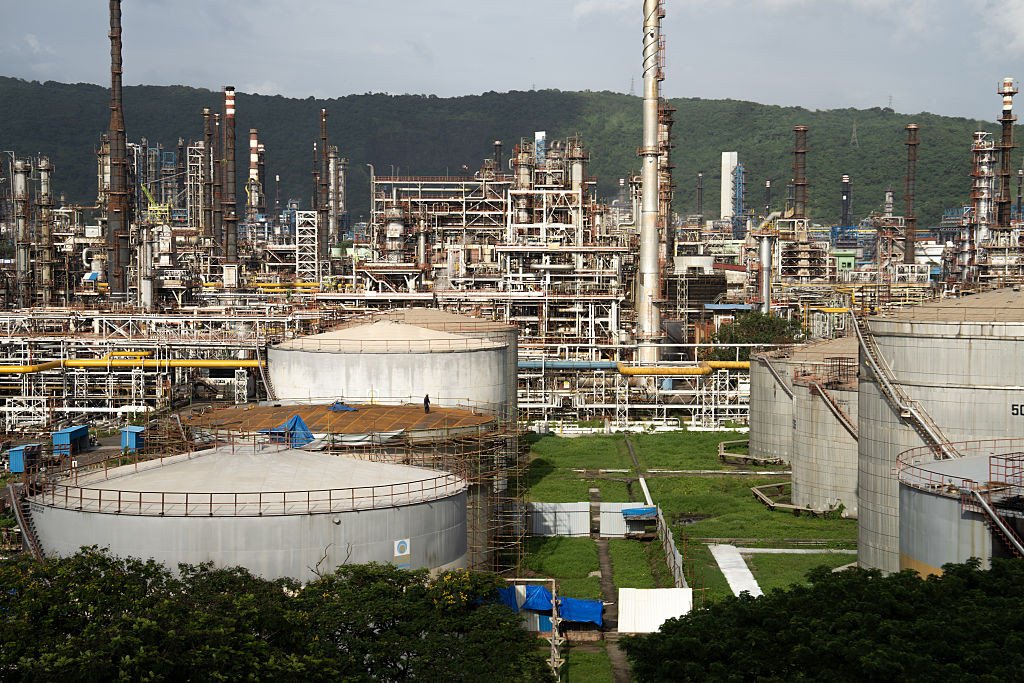
Russia is preparing to initiate large-scale gasoline imports from India to stabilize its domestic energy market and bridge a severe fuel deficit triggered by Ukrainian drone strikes on its refining infrastructure, The Moscow Times reported on June 24.
The targeted aerial campaign has crippled Russia’s energy sector, knocking out 16 refineries in May and at least six more in June, which effectively reduced national oil processing volumes to a two-decade low. According to industry data cited by Reuters, the resultant 25% drop in manufacturing has left a supply gap equivalent to 20% of domestic consumption.
We bring you stories from the ground. Your support keeps our team in the field.
While Russian economic demand requires 110,000 tons of gasoline daily during the peak summer months, remaining operational refineries produce only 85,000 tons per day, creating a daily deficit of 25,000 tons that existing imports from Belarus are mathematically incapable of balancing, The Moscow Times wrote.
To counter the shortages and cap surging retail prices, a draft amendment to the Russian Tax Code proposes state-funded subsidies for oil firms purchasing fuel from abroad, The Moscow Times noted, citing reports from the Russian state media.
-5a748c89a3e69e619f7b7eac8ce541b6.webp)
The emergency measure expands the Kremlin’s existing eight-year-old damper mechanism, calculating financial payouts based on indicative benchmark prices within the Indian market alongside associated maritime delivery costs.
The legislation, which recently cleared the State Duma’s budget committee, is positioned for immediate adoption in consecutive readings to prevent wider inflationary pressures.
The reliance on India for gasoline imports is peculiar, as it has become the primary destination for seaborne Russian crude, accelerating its import volume to a record 2.66 million barrels per day in June.
-baa0e0384122de9dfb581a08fb937738.jpg)
A substantial portion of these maritime volumes is processed locally and exported worldwide as refined petroleum products, enabling Russia to essentially buy back its own resource in the form of finished gasoline, The Moscow Times wrote.
The reliance on imports follows widespread fuel-sale restrictions implemented across multiple Russian administrative regions, including the primary oil-producing Khanty-Mansi Autonomous Okrug.
Local authorities and regional governors introduced strict caps on gasoline and diesel sales—limiting dispensations to as little as 40 liters per vehicle—to prevent panic buying and artificial speculation. Border regions additionally banned the refueling of portable containers, with officials openly attributing the localized supply disruptions to the persistent threat of drone strikes against regional delivery networks.
Discuss this article:
-4a56a6b482ec132402c16ef6fcabf9a2.png)





-c439b7bd9030ecf9d5a4287dc361ba31.jpg "Photo of Katherina Popilnichenko")