- Category
- War in Ukraine
Ukrainian Drone Strikes Force Russia to Consider Fuel Imports
 Prefer U24 Media on Google
- Authors

-111f0e5095e02c02446ffed57bfb0ab1.jpeg "Photo of Roman Kohanets")
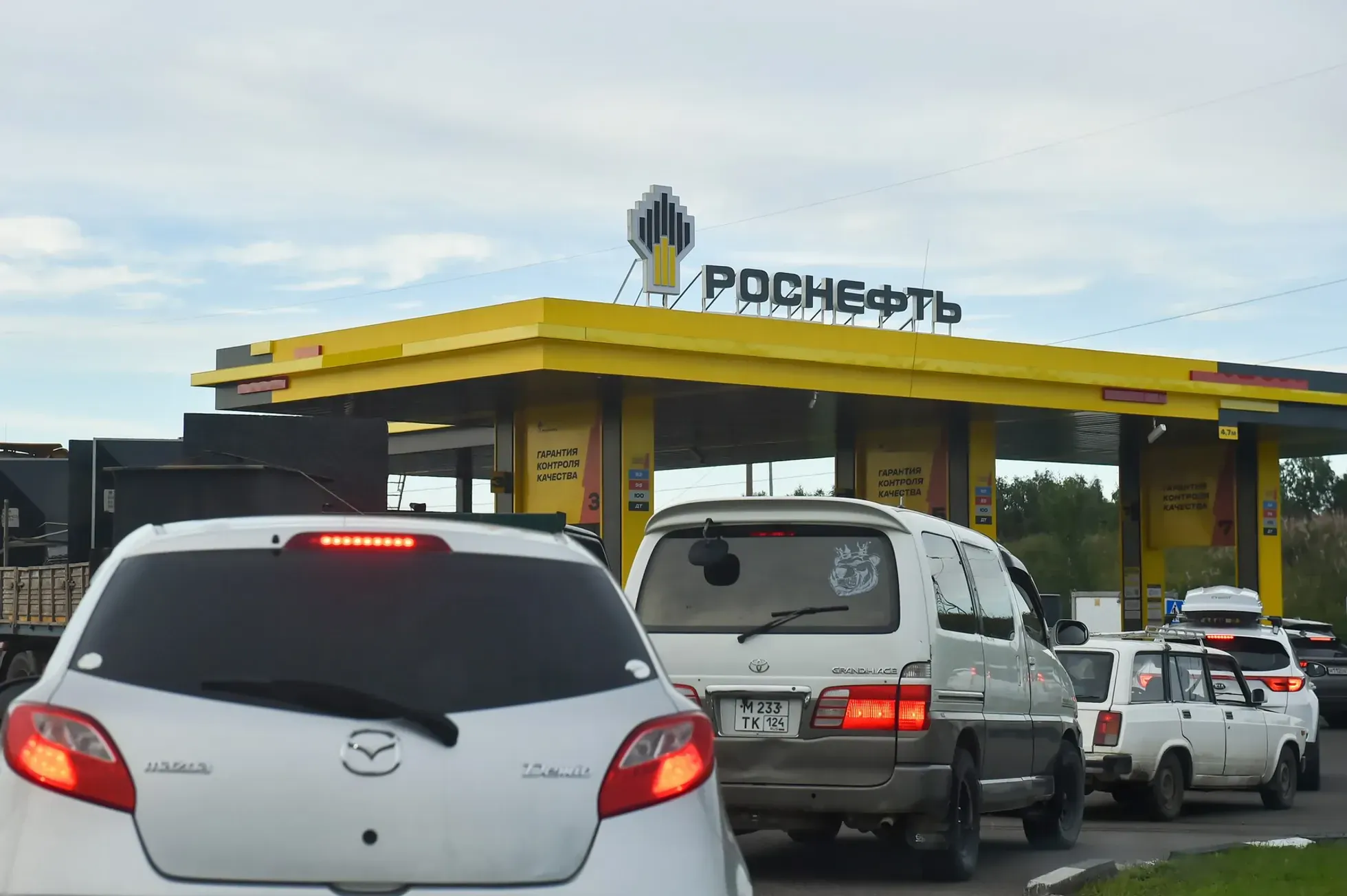
Russia is weighing fuel imports and price subsidies to contain a worsening gasoline and diesel shortage caused by Ukrainian strikes on its oil refineries, the Vedomosti Daily reported on June 23, citing two unnamed sources.
For the world's third-largest crude oil producer, even contemplating imports marks a sharp reversal. Numerous Russian regions have reported restrictions on fuel sales, climbing prices for oil products and long lines at filling stations as supplies tighten.
We bring you stories from the ground. Your support keeps our team in the field.
Although Russia routinely exports crude and a range of refined products, the strikes have forced it to ban exports of gasoline and jet fuel to shield dwindling domestic stocks.
Imports surfaced as an option at a Monday meeting on fuel supplies chaired by Deputy Prime Minister Alexander Novak, the outlet noted.
Two industry sources told Reuters that subsidies on imported fuel were also weighed, aimed at capping prices—a politically sensitive issue and an unwanted trigger for broader inflation.
-3d576f5629e9b4f3f6753e9cb20c25c3.jpg)
Industry sources and LSEG data outline the scale of the disruption:
gasoline output fell about 25% last week against the June 2025 daily average, dropping to roughly 90,000 metric tons, or 765,000 barrels, per day;
seaborne oil products exports declined 15% to about 3.3 million tons in the first half of June, compared with the first half of May, after unplanned refinery maintenance following repeated drone attacks.
The turn toward imports caps a steady erosion of Russia's refining base: a sustained long-range campaign had struck 15 refineries since January, knocking out close to 40% of its primary refining capacity by May.
By mid-June, Russia had already begun bringing in gasoline by sea, with cargo set to arrive through a western port and supplies reportedly sourced from Asia. For a state long counted among the world's leading suppliers of refined products, reaching for seaborne deliveries underscored how far the strikes had upended its usual role.
Discuss this article:
-9a7b3a98ed5c506e0b77a6663f5727c5.png)




-f8b795e6bf1d73fc2fdbfd74f5e7ea96.jpeg "Massive flames and thick black smoke rise from the Omsky Kauchuk chemical plant in Russia following a Ukrainian drone strike on October 24, 2026. (Source: Exilenova+)")