- Category
- Latest news
Fuel Shortages Spread Across Russia as Ukrainian Drones Continue Targeting Refineries
 Prefer U24 Media on Google
- Authors

-72b63a4e0c8c475ad81fe3eed3f63729.jpeg "Photo of Cyril Barabaltchouk")
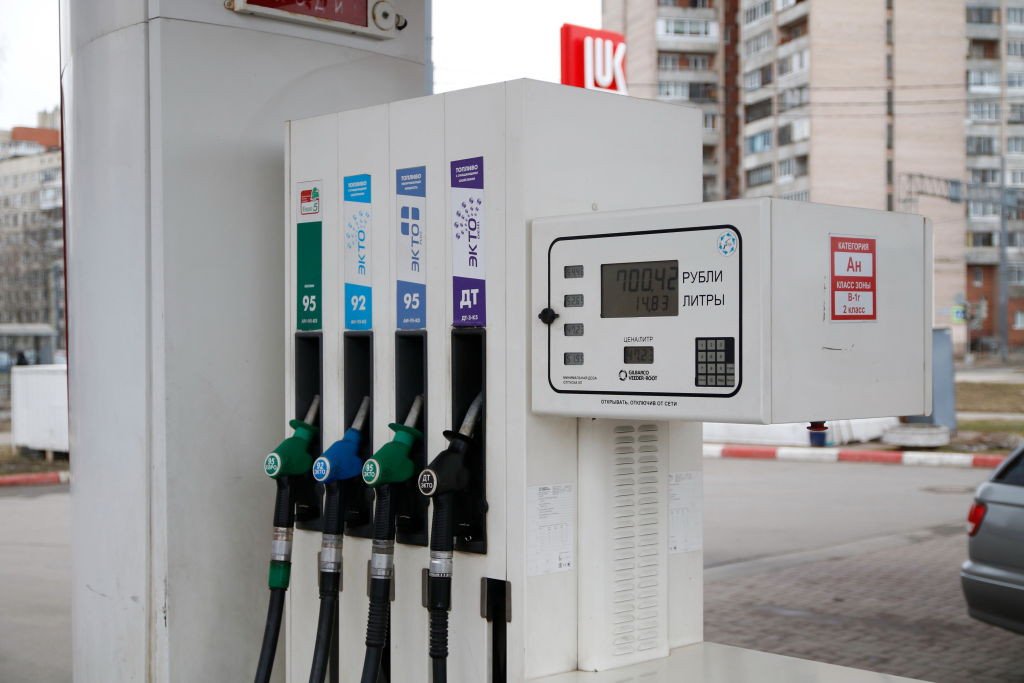
Russia’s fuel crisis is intensifying as Ukrainian drone attacks on oil refineries disrupt supply across the country, The Moscow Times reported on September 10.
What began as localized shortages in remote regions like Transbaikalia, Primorye, the Kuril Islands, and occupied Crimea in late August has now spread to Ryazan, Nizhny Novgorod, Saratov, Samara, Ulyanovsk, Penza, Rostov, Astrakhan, Kalmykia, and Tatarstan regions.
The Russian Far East, including Amur, Magadan, Sakhalin, Khabarovsk Krai, Yakutia, the Jewish Autonomous Region, and Chukotka, is also facing supply interruptions, The Moscow Times writes, citing Izvestia.
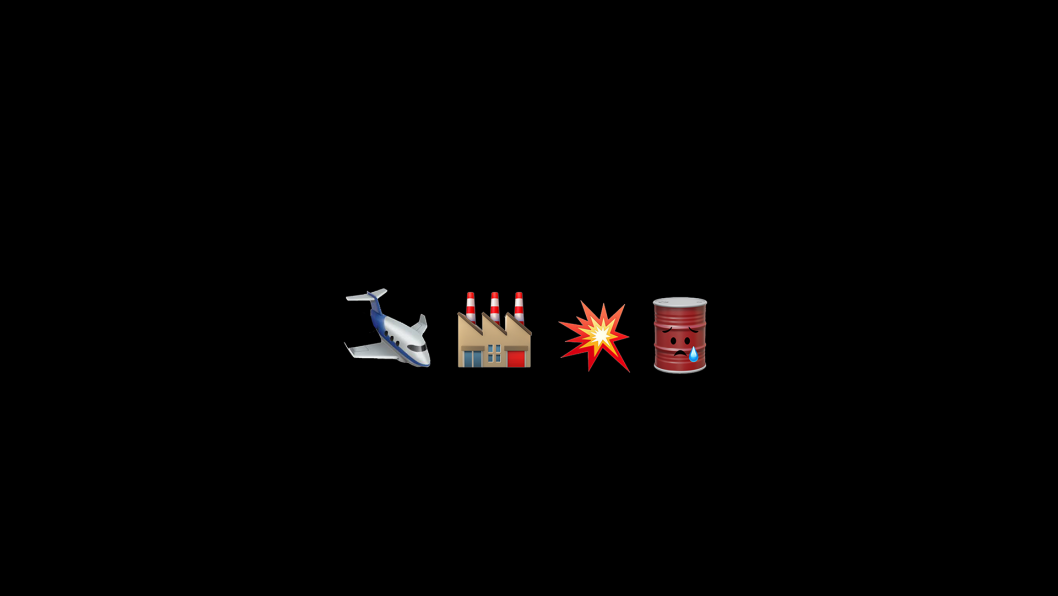
Industry experts say the crisis is moving from peripheral regions to the European part of Russia, putting unprecedented pressure on independent gas stations, many of which have been forced to close due to lack of deliveries.
Shortages of 92- and 95-octane gasoline have already disrupted daily operations, with some stations unable to refuel for weeks.
In August, Ukrainian drone strikes knocked out 17% of Russia’s refining capacity—about 1.1 million barrels per day. Several major plants, including Novokuybyshevsk, Saratov, Volgograd, and Syzran refineries, halted production completely.
In September, Ryazan refinery, which contributes roughly 5% of national gasoline output, partially suspended operations, worsening the supply squeeze.
The disruptions have fueled a surge in prices. Gasoline costs have jumped 40–50% since the start of 2025, hitting historic highs in August—856$ per ton for Ai‑92 and 969$ for Ai‑95.
On September 9, trading on the St. Petersburg International Mercantile Exchange recorded 846$ per ton for Ai‑92 and 931$ for Ai‑95, with demand far outstripping available supply, The Moscow Times writes.
To contain the crisis, the Russian government has ordered oil companies to activate reserve capacities, reschedule planned refinery maintenance, and manually control fuel transport via rail. In addition, a two-month extension of the fuel export ban aims to keep domestic supply from worsening further.
Previously, it was reported that fuel shortages triggered by Ukrainian drone attacks on Russian oil refineries are now spreading into Russian-occupied regions of Ukraine.
Discuss this article: