- Category
- World
Fuel Crisis Forces Russia to Import Gasoline by Sea After Drone Strikes
 Prefer U24 Media on Google
- Authors

-c439b7bd9030ecf9d5a4287dc361ba31.jpg "Photo of Katherina Popilnichenko")
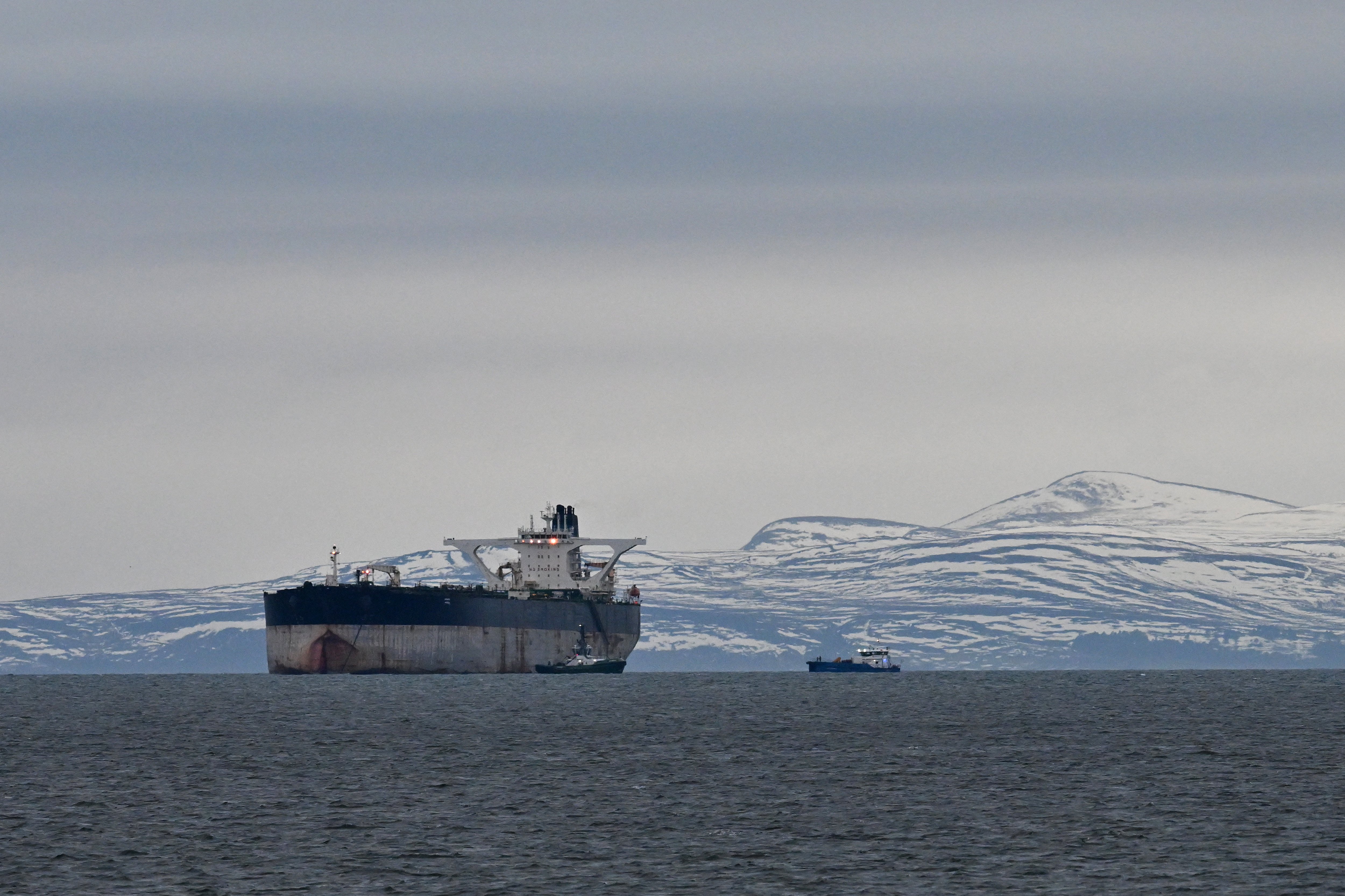
Russia has begun importing gasoline by sea on June to address a growing fuel shortage triggered by months of sustained drone strikes on its domestic oil refineries.
This cargo is expected to arrive through a western port, marking a significant shift for a country that is typically one of the world's leading exporters of oil and refined products. While specific volumes and suppliers remain undisclosed, reports suggest the fuel will be sourced from Asia, according to Reuters in June 17.
We bring you stories from the ground. Your support keeps our team in the field.
The persistent ukrainian drone campaign has targeted critical infrastructure, including oil refineries, pipelines, and storage facilities, as part of the broader impact of Russia’s full-scale invasion of Ukraine.
Recent strikes against the TANECO refinery and the Moscow oil refinery have forced temporary shutdowns, exacerbating supply chain pressures. These disruptions have left Russia struggling to meet domestic demand during the peak driving season.
In response to the tightening market, the government has imposed a ban on gasoline exports that will remain in effect until the end of July. This measure is intended to preserve internal stocks when demand is at its highest.
While Russia has previously relied on imports from neighboring Belarus and occasionally Kazakhstan, sources noted that those countries lack the spare capacity to assist in a more severe supply crisis.
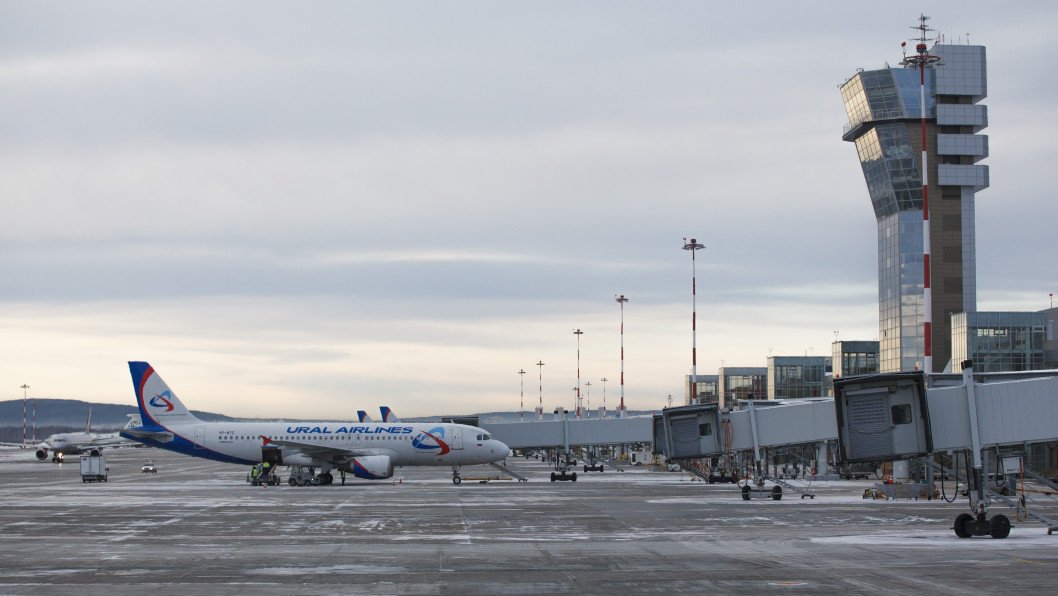
Industry experts caution that relying on sea imports may offer only a temporary solution. Significant logistical hurdles and high prices make it unlikely that this strategy will result in a substantial volume of fuel reaching the domestic market.
According to industry data, Russia exported nearly 5 million metric tons of gasoline last year, or approximately 117,000 barrels per day.
Following a widespread campaign by Ukrainian forces against Russian oil infrastructure, fuel restrictions expanded to a federal scale across Russia, with chains controlling approximately one-quarter of the country's gas stations limiting sales of gasoline and diesel.
The fuel shortages affected more than 70 Russian regions, including Moscow and St. Petersburg, where major market players like Tatneft, Rosneft, and Lukoil implemented strict rationing measures to contain panic buying among drivers.
In the temporarily Russian-occupied territories of Ukraine, the situation became particularly severe, as free sales of gasoline completely disappeared in annexed Crimea and Sevastopol, while other occupied regions introduced strict volume limits per person.
Discuss this article:

-72b63a4e0c8c475ad81fe3eed3f63729.jpeg "Photo of Cyril Barabaltchouk")