- Category
- War in Ukraine
Russia’s Fuel Crisis Goes Nationwide as One in Four Gas Stations Restricts Sales
 Prefer U24 Media on Google
- Authors



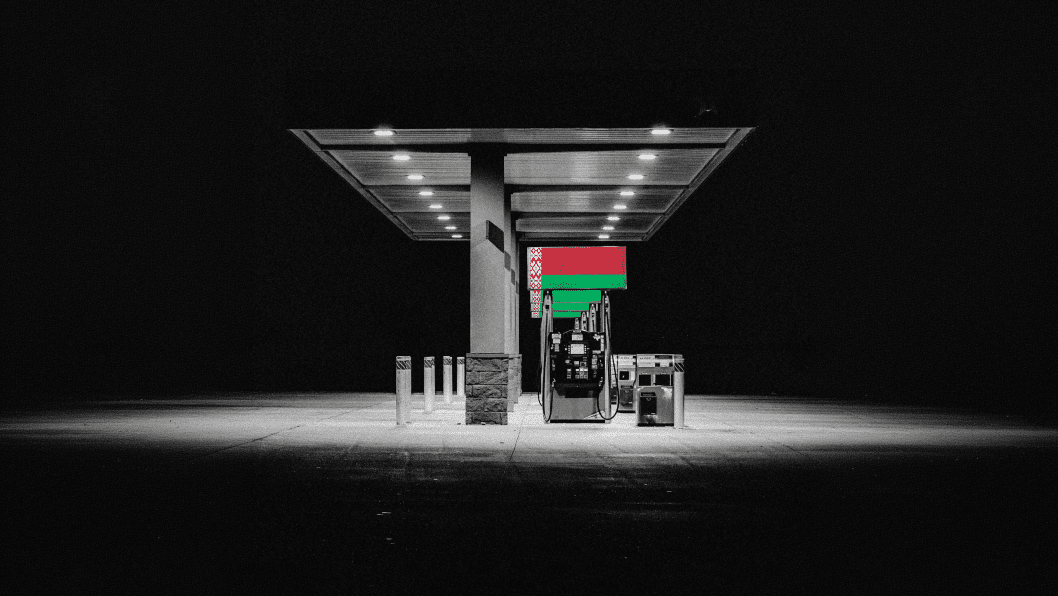
Fuel restrictions in Russia have expanded to a federal scale, with major gas station chains controlling roughly a quarter of the country’s filling stations now limiting sales of gasoline and diesel, following a widespread Ukrainian campaign on Russian oil refineries, a wide Russian media outlet, Agentstvo, reported on June 17.
According to the outlet’s research, restrictions of varying severity have been recorded in more than 70 Russian regions, including Moscow, the Moscow region, St. Petersburg, Kursk, Belgorod, Rostov, and Samara regions.
We bring you stories from the ground. Your support keeps our team in the field.
At least 7,000 gas stations across Russia are now affected by limits out of nearly 29,000 operating nationwide.
The fuel shortage has prompted Russia’s largest market players to urgently reduce sales volumes to contain panic buying among drivers.
The fuel crisis in Russia is growing.
— Anton Gerashchenko (@Gerashchenko_en) June 16, 2026
One of Russia’s largest oil companies, Tatneft, has limited the sale of gasoline and diesel at its gas stations across Russia.
Now, a single vehicle can be filled with up to 20 liters of gasoline and 40 liters of diesel fuel.
The… https://t.co/ghP8fx6Lf9 pic.twitter.com/nHSp9CyCBq
Tatneft, which operates more than 850 gas stations, has introduced nationwide restrictions. Passenger cars are limited to 30 liters of gasoline or 60 liters of diesel per tank. Cash desks are reportedly accepting only cash.
Rosneft, which operates around 2,200 stations, along with Bashneft, which has around 500 stations, and TNK, have banned fuel sales into canisters. Gasoline and diesel can be pumped only directly into a vehicle tank, with a limit of up to 90 liters per car.
Lukoil and Teboil have limited fueling to 100 liters per receipt, while Neftmagistral has banned sales of more than 20 liters into canisters.
The most severe shortages are being reported in Russian-occupied territories of Ukraine, where fuel logistics have been heavily disrupted.
“In annexed Crimea and Sevastopol, the free sale of gasoline has completely disappeared. At most gas stations, AI-95 fuel is issued only with special coupons and QR codes,” Agentstvo reported.
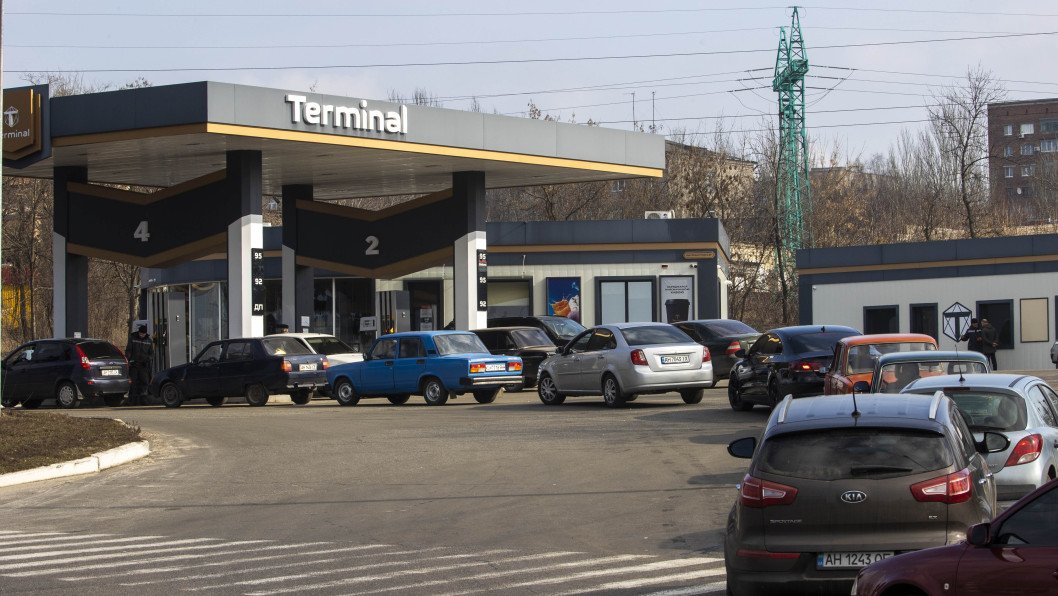
In the Russian-occupied Donetsk region, gas stations reportedly operate only for a few hours per day because of a lack of reserves. In occupied parts of Luhansk, Zaporizhzhia, and Kherson regions, a strict limit of no more than 20 liters per person has been introduced.
One of the latest Ukrainian strikes on the Russian oil infrastructure hit Moscow Oil Refinery in the Kapotnya district of the Russian capital, sparking a fire at the facility. It is one of Russia’s 10 largest refineries and supplies around 40% of the Moscow region’s demand for petroleum products, including the city of Moscow and the surrounding region.
Overall, Ukraine’s defense forces have successfully targeted more than 15 Russian oil refineries since the beginning of this year, significantly degrading the country’s fuel production capabilities.
According to Ukrainian President Volodymyr Zelenskyy, these long-range operations have effectively neutralized nearly 40% of Russia’s primary oil refining capacity as of May.
The Ukrainian campaign against the Russian oil industry forced jet fuel prices to record highs and forced airports across several Russian regions to ration aircraft refueling.
The national over-the-counter price index for jet fuel has surged 41% since the start of the year, with most of that gain—roughly 39%—concentrated in a single month from mid-May.
Previously, Russia had eased environmental standards for domestically sold fuel in an effort to prevent shortages as repeated Ukrainian drone attacks continue to disrupt the country’s refining sector.
Discuss this article:


-29a1a43aba23f9bb779a1ac8b98d2121.jpeg "Photo of Illia Kabachynskyi")