- Category
- World
Russia Imposes Fuel Rationing in Moscow After Repeated Ukrainian Drone Attacks on Oil Infrastructure
 Prefer U24 Media on Google
- Authors

-72b63a4e0c8c475ad81fe3eed3f63729.jpeg "Photo of Cyril Barabaltchouk")
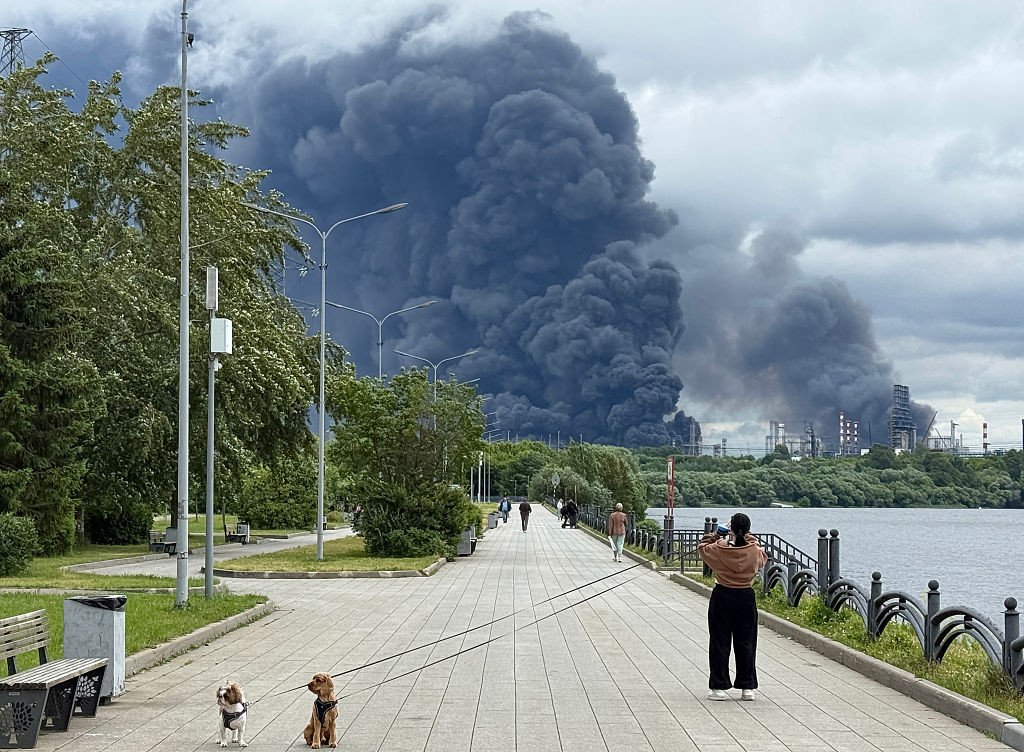
Ukraine’s drone strike campaign targeting Russian oil infrastructure has reduced domestic refining capacity, leading to gasoline shortages even in Moscow, The Moscow Times reported on June 19.
The compounding damage follows at least 40 successful strikes since the beginning of the year. The disruptions are affecting facilities that supply Moscow through product pipelines, leading to shortages in the capital region.
We bring you stories from the ground. Your support keeps our team in the field.
The supply constraints deepened on June 16, when the Gazprom Neft Moscow Refinery—which typically supplies up to 40 percent of the capital’s fuel—halted operations, according to Sergey Vakulenko, a senior fellow at the Carnegie Russia Eurasia Center.
Drone strikes disabled the plant’s primary distillation unit on June 16, while a subsequent strike on June 18 damaged the secondary unit intended for use during repairs, The Moscow Times noted.
The suspension of the Moscow Refinery, along with a separate strike on Tatneft’s Taneco plant in Nizhnekamsk, has removed an estimated 600,000 barrels per day from Russia’s domestic oil refining capacity. According to the Moscow Times, industry analysts indicate that if damaged facilities fail to recover quickly, cumulative capacity losses could reach 28 percent compared to standard seasonal levels.
While the structural damage recorded in recent years was manageable for the Russian energy sector, the increasing frequency of the drone campaign has strained operational limits. Earlier this month, Russia’s total refining volume dropped below 4 million barrels per day, marking a 21-year low for the country’s energy industry, according to the publication.
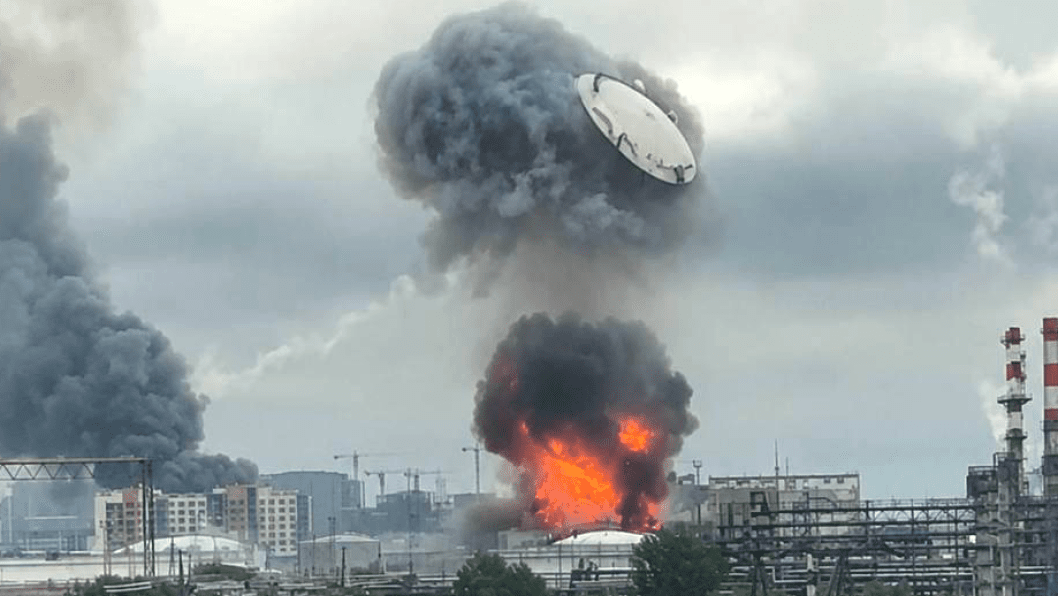
Indicators of a fuel deficit have emerged across the Moscow metropolitan area, which accounts for 14 percent of all passenger cars and 19 percent of national road freight in Russia. Queues have formed at provincial gas stations, and major retailers in the capital—including Tatneft, ORTK, Rosneft, and Lukoil—have introduced limits on gasoline sales, The Moscow Times reported.
Concurrently, independent fuel networks such as Neftemagistral have increased premium gasoline prices. The Moscow Times cited data from the Russian state statistics agency Rosstat showing that retail fuel prices have risen for five consecutive weeks, growing at twice the rate of domestic inflation.
To address the supply constraints, the Russian government has lowered minimum environmental quality standards for commercial gasoline. Additionally, the Kremlin is considering regulatory changes that would allow oil corporations to reduce their mandatory exchange-traded sales volumes, redirecting inventories to state entities, the agricultural sector, and military installations, according to the report.
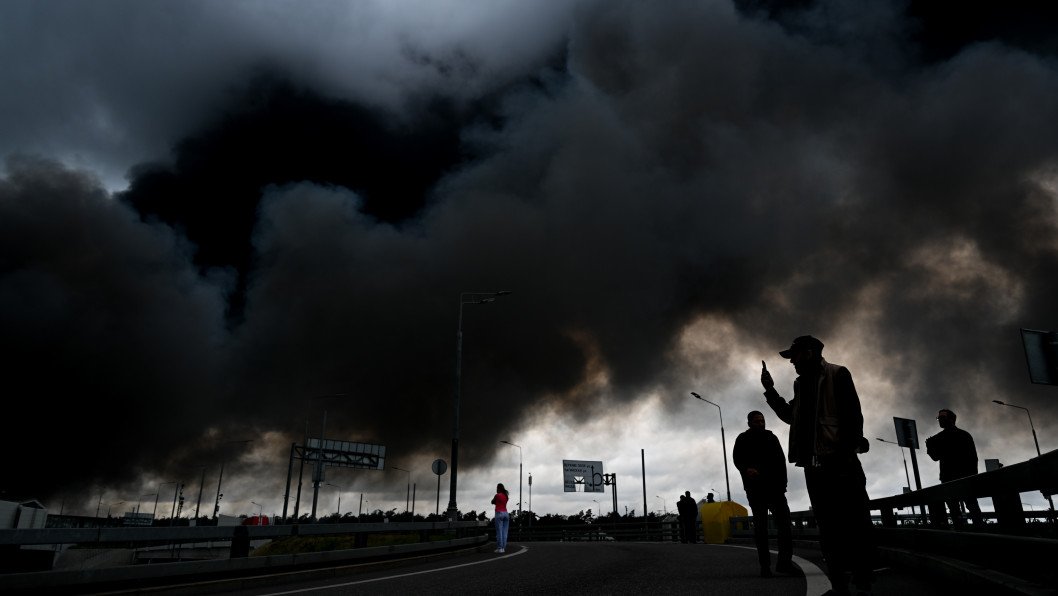
However, long-term stabilization remains uncertain, as facilities like the Ryazan Refinery have already been struck 15 times, prompting industry experts to question the sustainability of Russia’s remaining repair reserves under continued strikes.
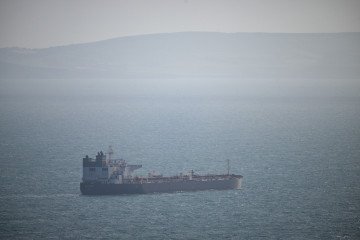
To mitigate the deficit, Moscow has begun importing gasoline by sea from Asia through its western ports, which is a significant structural shift for the country that has always been a major worldwide energy exporter.
While the Kremlin has historically relied on neighboring Belarus and Kazakhstan during minor disruptions, those nations currently lack the spare capacity to assist with Russia’s deepening supply crisis, which has already forced the government to implement an internal gasoline export ban through the end of July.
Discuss this article:



-c439b7bd9030ecf9d5a4287dc361ba31.jpg "Photo of Katherina Popilnichenko")