- Category
- War in Ukraine
After Moscow Refinery Strike, Russia Faces Two Scenarios—Both Lead to Crisis
 Prefer U24 Media on Google
- Authors

-c439b7bd9030ecf9d5a4287dc361ba31.jpg "Photo of Katherina Popilnichenko")
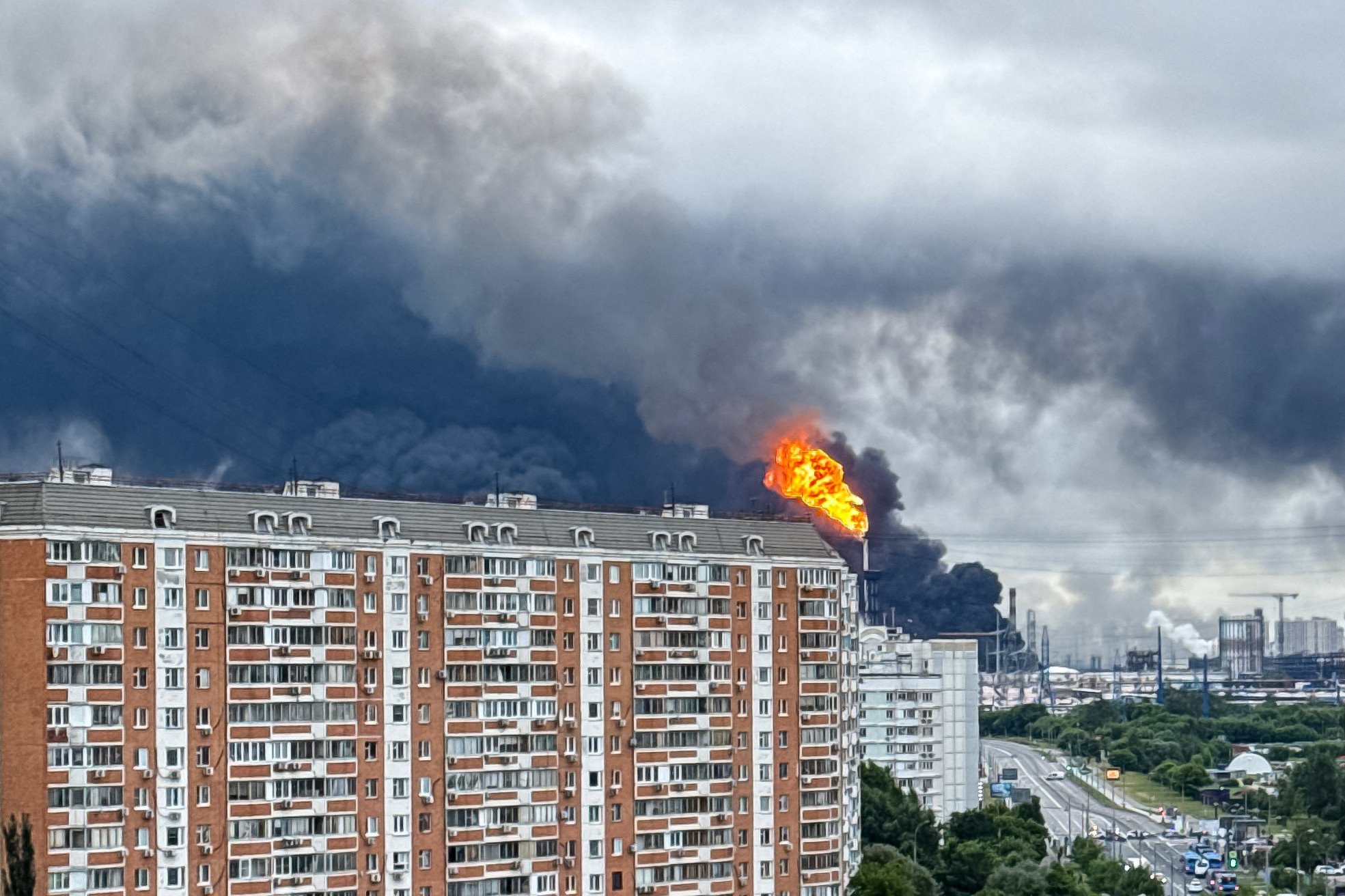
The successful hit against the refinery fundamentally alters the structural stability of the Russian rear, according to Roman Parkhanov, the deputy commander of the 1st Separate Center of Unmanned Systems of the Systems of Drone Forces in an exclusive comment to Interfax.
Despite public assurances from Moscow Mayor Sergey Sobyanin regarding the successful performance of local air defenses, the physical destruction at the refinery demonstrates that the domestic progression of the war can no longer be hidden from the public, according to Interfax on June 18.
We bring you stories from the ground. Your support keeps our team in the field.
The deployment of drones just 15 kilometers from the Kremlin carries immediate strategic implications for how the domestic population perceives the security of the capital.
Parkhanov explained that an attack of this proximity instantly dismantles the state-sponsored narrative concerning the impenetrable nature of the metropolitan air defense network. Furthermore, the visible fires transition the reality of the war from an abstract television broadcast into an immediate and tangible domestic hazard for the residents of the capital.
He stated that the concept of a “secure Moscow” has ended, replaced by a new domestic reality where the capital must adapt to the long-term conditions and rules imposed by active warfare.
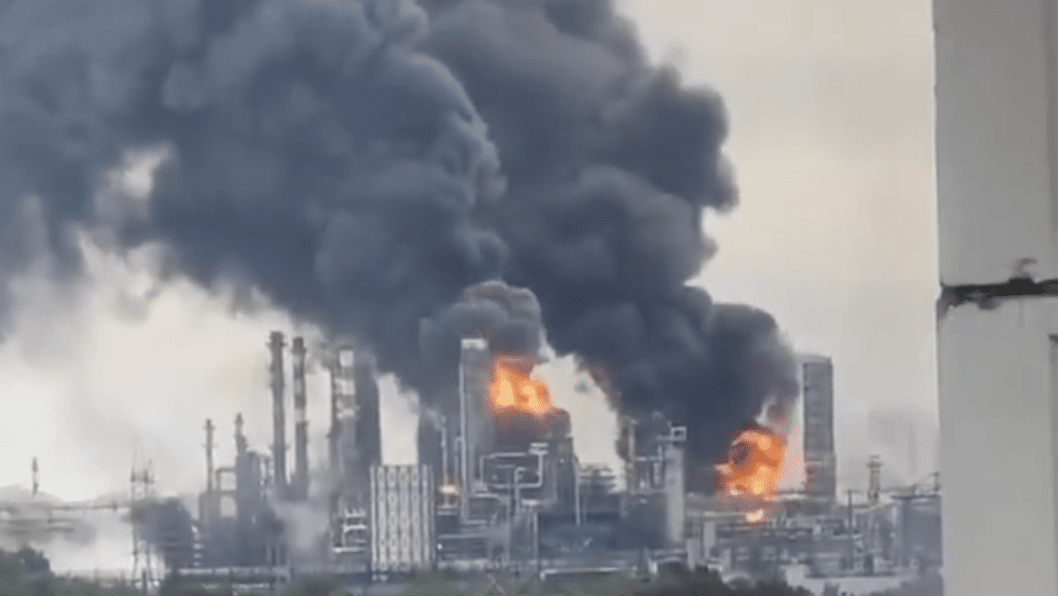
The loss of production capacity at the facility introduces an immediate fuel crisis that directly threatens the internal stability of the Russian Federation.
"The plant provided about 35% of Moscow's fuel needs, and for certain categories covered up to half of the total volume of gasoline and diesel consumed by this giant city. When an attack occurs just 15 kilometers from the Kremlin, it instantly destroys two key myths: about the capital's air defense system and transforms Russia’s full-scale invasion of Ukraine from a TV screen into a real threat," the deputy commander stated.
While regional provinces and temporarily occupied territories of Ukraine have regularly faced fuel shortages, the deficit has now reached the primary administrative center of the Russian state. Representatives of the drone forces state that the Kremlin now faces a choice between two distinct administrative paths, both of which are expected to generate internal complications.
The first response scenario available to the Russian government requires redirecting gasoline and diesel supplies from other domestic regions to artificially satisfy the consumption demands of Moscow residents. While this approach would preserve the public illusion of a peaceful and prosperous capital, it would rapidly accelerate fuel shortages across the rest of the Russian Federation.
The second option involves the introduction of a structured fuel rationing system with coupons inside Moscow itself to balance the local deficit.
Parkhanov stated that the Russian leadership is most likely to implement the second option by formally recognizing the shortage and imposing strict consumption limits within the capital. However, the primary consequence of the operation extends beyond economic disruption into a profound psychological shift.
The strike effectively invalidates the unwritten social agreement between the state and the populace, which allowed the authorities to wage war while the capital remained entirely insulated from its effects.
The realization that metropolitan status no longer provides immunity from aerial hits creates a widespread neutralizing effect on public confidence.
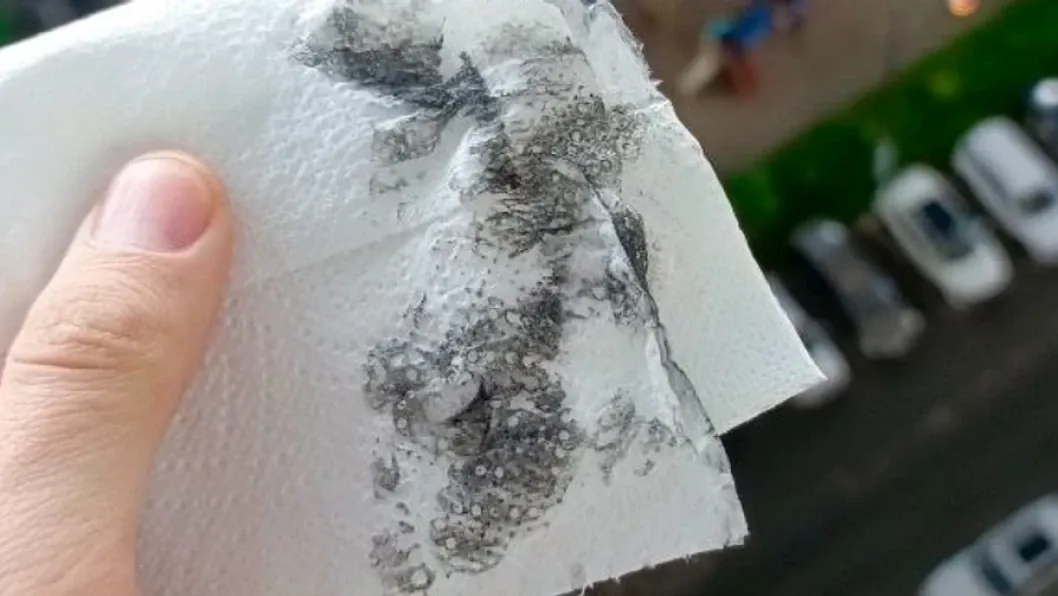
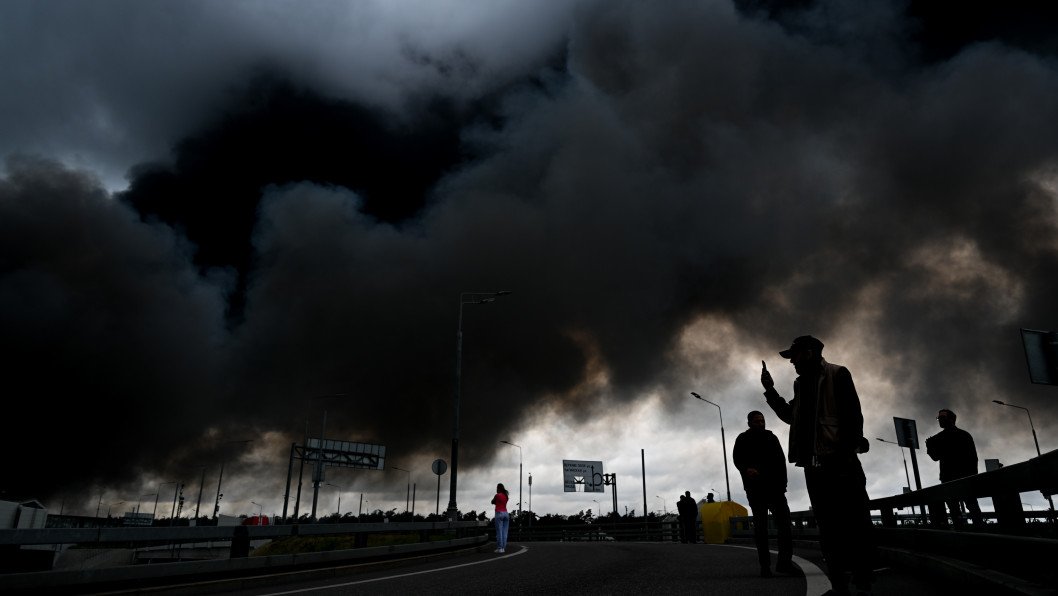
Following the drone strikes on the Kapotnya oil refinery, residents in several Moscow districts and nearby suburbs, including Lyubertsy and Zheleznodorozhny, reported a black, oily substance coating their cars and streets.
The falling precipitation sparked widespread frustration on local social media channels, as community members shared photos of the dark stains and noted that authorities had issued no advance public warnings regarding the aerial attack.
Discuss this article:





-29a1a43aba23f9bb779a1ac8b98d2121.jpeg "Photo of Illia Kabachynskyi")