- Category
- War in Ukraine
Drone Warefare, Military Reform, and Corruption: Ukraine’s Defense Minister on the Future of War
 Prefer U24 Media on Google
- Authors


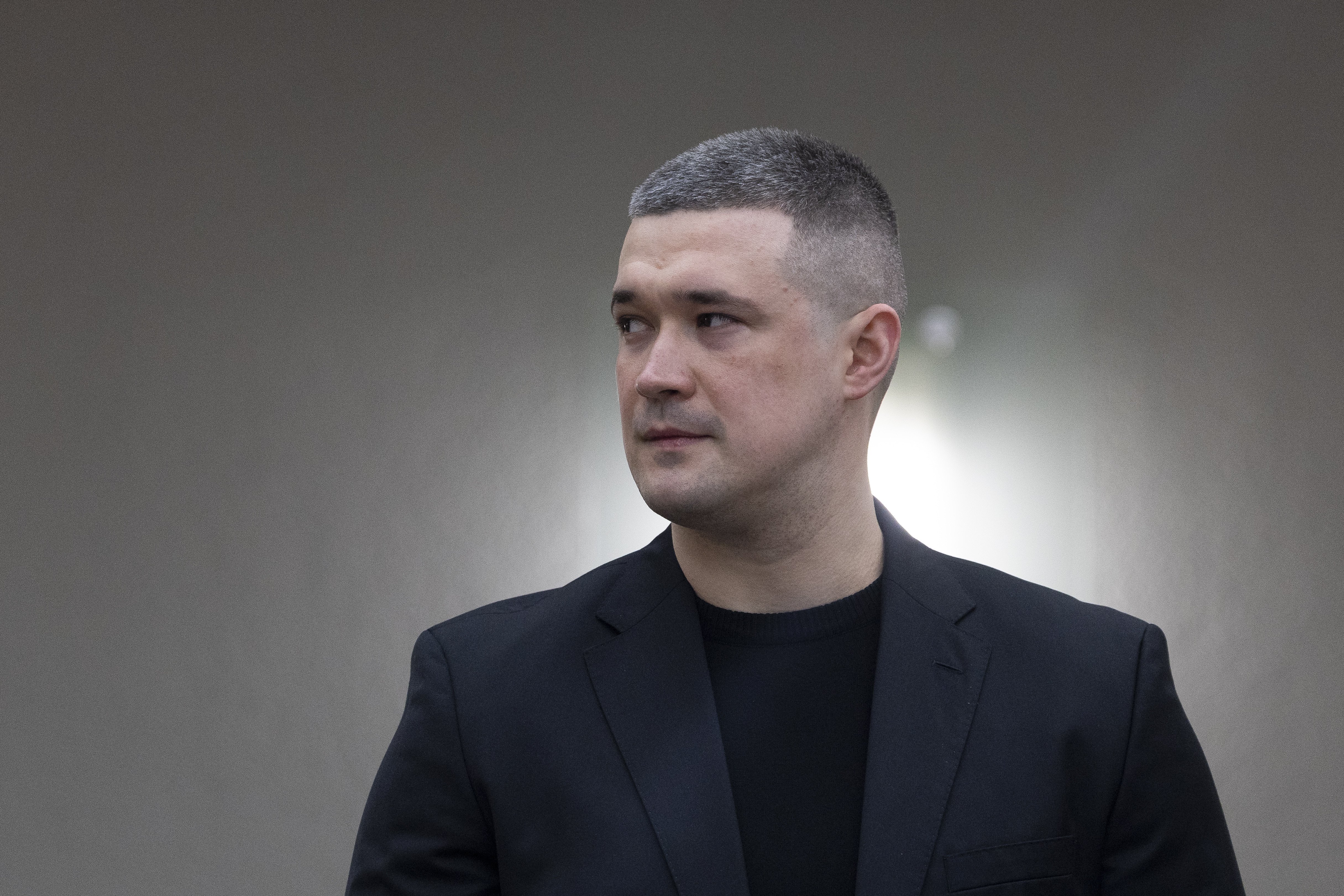
Ukraine is preparing for a potential shift in battlefield dynamics over the coming months, with officials expressing optimism about seizing the strategic initiative against Russian forces.
At the same time, Kyiv is pursuing a sweeping overhaul of its military structure, including drone-centric warfare, expanded strike capabilities, and reforms to pay, contracts, and personnel management.
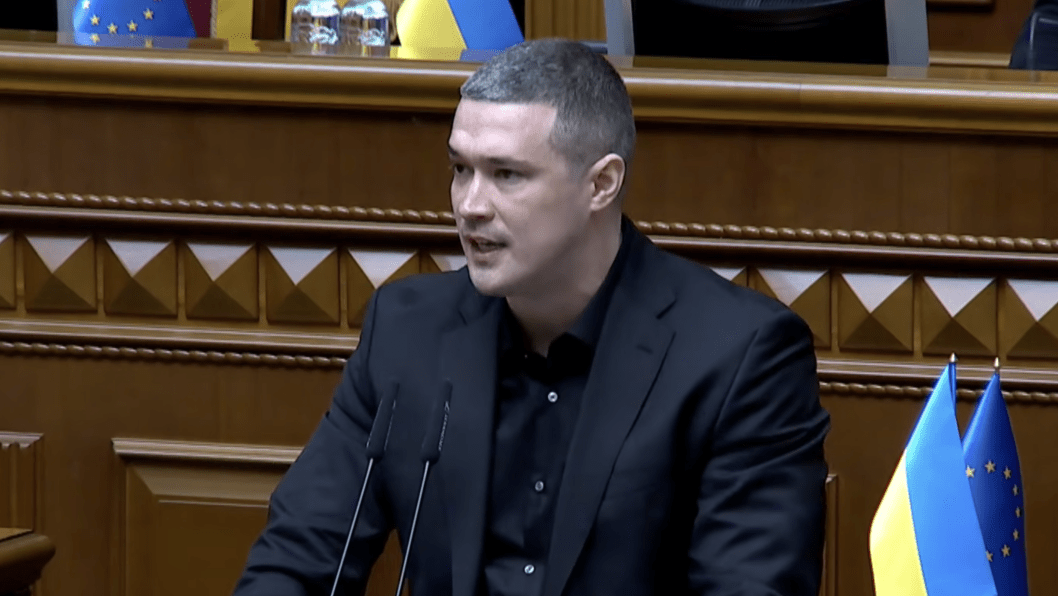
In an interview with Televised News Service on June 16, Defense Minister Mykhailo Fedorov outlined these expectations and detailed the ongoing transformation of Ukraine’s armed forces.
We bring you stories from the ground. Your support keeps our team in the field.
Ukraine’s battlefield opportunities
Ukraine has a “chance to seize the strategic initiative on the battlefield” and could maintain an advantage over Russian forces in the coming months, according to Defense Minister.
Fedorov said the next six months could be particularly favorable for Ukraine, pointing in part to Russia’s lack of access to Starlink satellite communications. He also highlighted what he described as strong Ukrainian performance in so-called “Middle Strike” operations, noting that Russian forces are currently unable to effectively suppress these systems through electronic warfare due to their use of secure satellite and other communication channels.
However, he cautioned that Russia would eventually adapt to counter such technologies, stressing that the next stage of warfare would be greater autonomy for low-cost drones capable of independently identifying and striking targets on the battlefield.

Expanded “kill zone” and shifting artillery tactics
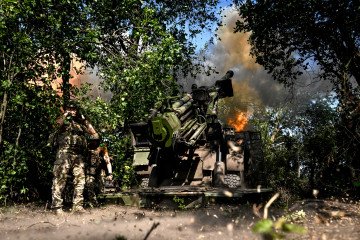
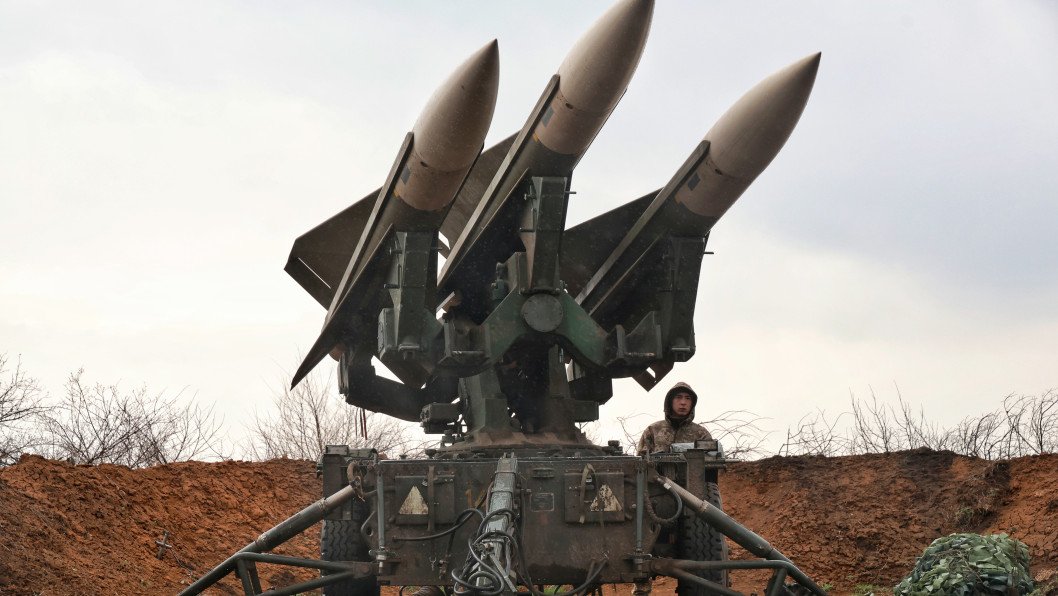
The minister also said traditional short-range artillery is becoming less effective on the front line, arguing that the “kill zone” has significantly expanded. He noted that artillery with ranges of 12–18 kilometers is increasingly vulnerable to enemy drone strikes, forcing units to reposition further from the frontline.
According to Fedorov, this shift makes longer-range munitions essential, particularly those capable of striking targets at distances of 30 kilometers or more.
Russian missile strikes and air defense challenges
Commenting on Russian strikes on Kyiv, Fedorov described the use of ballistic missiles as an expression of frustration by the Kremlin. He claimed that Russia had recently launched 30 missiles at the capital, calling it the maximum volume Moscow can accumulate over several weeks. A large-scale Russian missile and drone strike on Kyiv on June 15 left around 140,000 residents without electricity and damaged several residential buildings. The attack also sparked multiple fires across the capital, including at the historic Kyiv Pechersk Lavra monastery.
He argued that Russia is deliberately targeting civilians due to Ukraine’s ongoing reliance on external air defense assistance, noting that this remains one of the few areas where Kyiv still depends on foreign support. At the same time, he said such strikes do not affect the situation on the front line.
New air defense approaches
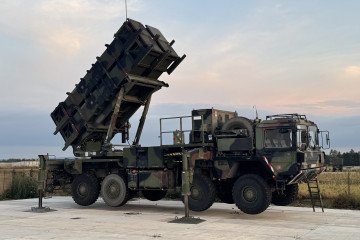
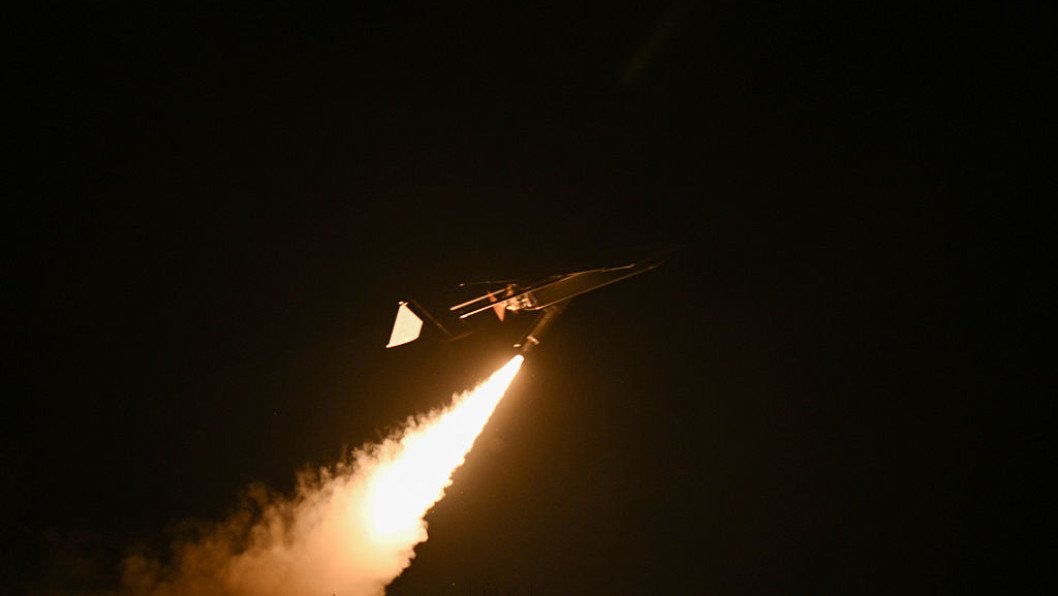
Fedorov also said Ukraine has adapted helicopters for the interception of Shahed drones, integrating internet connectivity, radar systems, and specialized optics to improve targeting and engagement capabilities.
He noted that implementing the system required regulatory changes and sourcing specialized equipment, adding that the government has effectively opened up aviation use to civilian pilots in order to support drone interception efforts.
Military reform
The Defense Minister outlined a wide-ranging overhaul of military service conditions aimed at improving recruitment, retention, and rotation of frontline personnel.
He said Ukraine is introducing what he described as some of the highest combat pay levels globally, with infantry receiving on average around $7,000 and assault troops up to $10,000 per month. The goal, he said, is to attract new recruits and enable long-overdue rotations.
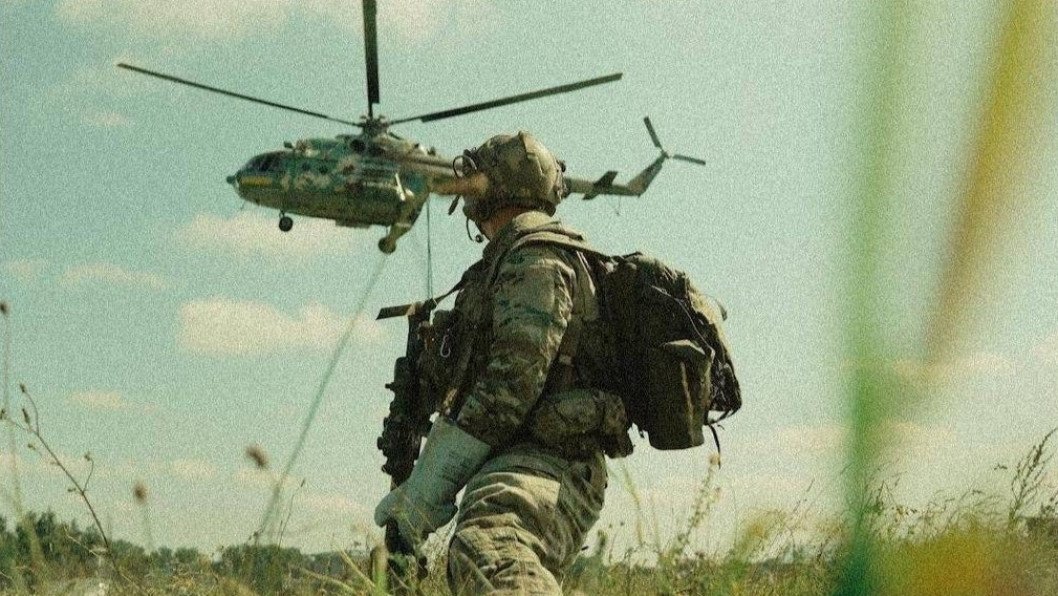
Fedorov also argued that commanders’ salaries do not reflect their responsibilities, noting that brigade-level officers managing thousands of troops receive significantly less compensation than frontline soldiers. He said pay increases for command structures are necessary, as leadership directly impacts survival rates and operational effectiveness.
Support personnel in rear units, including logistics, communications, IT specialists, and support staff, will also receive salary increases of around $221, raising minimum pay levels for these roles to approximately $665.
Incentives, contracts, and service terms
Defense Minister said frontline troops will receive financial bonuses for taking prisoners and confirmed enemy kills, including $221 per captured soldier and $332 for video-confirmed eliminations. He added that such incentives, previously limited to drone operators, will now extend to infantry.
He also outlined a revised service structure under which active frontline personnel will serve 10-month contracts followed by guaranteed leave or deferment periods, calculated using a formula based on time served in combat positions.
New recruits will serve 14-month contracts, including two months of training followed by 12 months of service, with similar post-service benefits.
For other military roles, including artillery, drone operators, electronic warfare specialists, and headquarters staff, Ukraine is introducing 24-month contracts with guaranteed discharge rights and structured rest periods.
Mobilized personnel and existing contract soldiers will be allowed to switch to the new system, including those who signed longer-term agreements in previous years.
Reforms for rear service and personnel management
For rear-area positions, the ministry is introducing a separate contract model with a baseline salary of at least $665, supplemented by bonuses, while maintaining similar service duration and leave provisions.
Fedorov said the Ministry of Defense has allocated an additional $1.3 billion for implementation this year, with updated salaries expected to begin in July, covering June payments.
The reforms also include a mechanism for more than 200,000 soldiers who left their units without authorization to return under a regulated framework, allowing reassignment to new units under specific conditions.
He added that individuals who return before September 20 will be able to choose new units and avoid automatic reassignment to frontline infantry. However, stricter legal consequences will apply to those who desert after June 12, with new legislation expected to strengthen accountability.
Digital reforms to combat corruption
Fedorov also announced the introduction of a new digital system aimed at reducing corruption in Territorial Recruitment Centers. The system will eliminate manual manipulation of wanted lists by ensuring all changes are automatically logged and traceable.
He said this would prevent cases where individuals are arbitrarily added to or removed from databases in exchange for bribes, making such practices technically impossible under the new framework.
At the same time, Mykhailo Fedorov said the Ministry of Defense is overhauling its procurement and oversight systems in an effort to eliminate corruption schemes and curb the influence of long-established internal networks within the institution.
The minister noted that the Defense Ministry manages the largest budget of any state body in Ukraine, which has historically made it a focal point for competing interests.
“We need to strike at corrupt officials and push them out. Entire clans were embedded in the Ministry of Defense, and in some areas they still remain,” Fedorov said.
Discuss this article: