- Category
- War in Ukraine
“I’ll Make Sure You End Up Behind Bars”: Defense Minister Fedorov on Tackling Corruption
 Prefer U24 Media on Google
- Authors


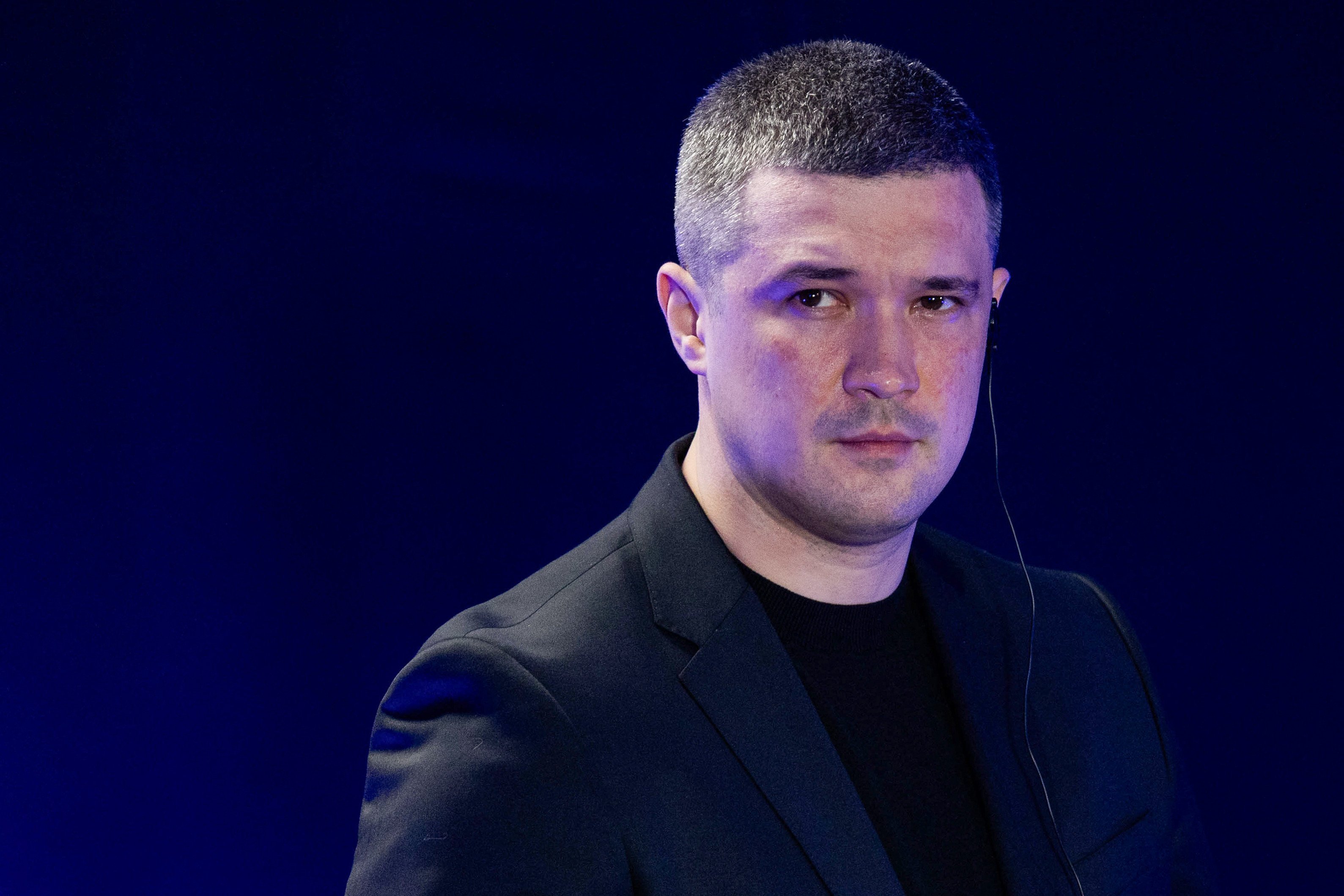
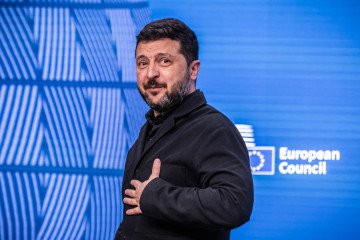
Ukraine’s Defense Minister Mykhailo Fedorov said the Ministry of Defense is rebuilding its procurement and control systems to eliminate corruption schemes and reduce the influence of entrenched networks inside the institution.
Fedorov made the remarks in an interview with the PRESSING YouTube channel, produced jointly with Army Media, on June 17.
We bring you stories from the ground. Your support keeps our team in the field.
According to the minister, the Defense Ministry has the largest budget of any state institution in Ukraine, which is why many competing interests have traditionally surrounded it.
“We have to hit corrupt officials and drive them out. Entire clans were sitting in the Ministry of Defense, and in some places they still are,” Fedorov said.
Mykhailo Fedorov gave his first full-length interview as Minister of Defence.
— 𝔗𝔥𝔢 𝕯𝔢𝔞𝔡 𝕯𝔦𝔰𝔱𝔯𝔦𝔠𝔱△ 🇬🇪🇺🇦🇺🇲🇬🇷 (@TheDeadDistrict) June 17, 2026
A lot of interesting things about the transformation of the Ukrainian Armed Forces.
▪️ The Ministry of Defence came to me with a 300 billion hryvnia deficit, two million Ukrainians wanted in… pic.twitter.com/4LMa0nuJuN
He said fighting corruption is not only about law enforcement operations or high-profile arrests. It also requires internal control, including checks of informal connections, possible conflicts of interest, and the influence of private companies on decision-making.
According to the minister, during the new team’s first month at the Defense Ministry, officials held a meeting with the heads of different departments and clearly stated their position on any attempts to influence procurement.
“Everyone who gets involved in corruption stories, builds schemes, or promotes private interests—I will personally do everything to make sure you end up behind bars and do not get out. I will personally deal with every person who does this,” Fedorov said.
The ministry has already uncovered cases in which some employees passed information about internal meetings and procurement-related processes to business representatives.
Fedorov: I have no quality concerns about FirePoint — soldiers keep using these drones with results.
— Tymofiy Mylovanov (@Mylovanov) June 17, 2026
But we move everything to tenders. Our first artillery tender saved 16-20%, over $100 million on one contract. Across all drone purchases, we expect roughly 20% savings.
5X pic.twitter.com/LOPTOtqH4L
After that, internal investigations were launched, polygraph checks were conducted, and personnel decisions were made.
Fedorov said that after his appointment, he met with the heads of law enforcement agencies to get a full picture of the problems inside the defense procurement system.
Employees whose names were connected to procurement processes were also offered polygraph checks. Some refused and left their positions.
“We need to build an institutional system that will work without manual control and without my subjective assessment of who is corrupt and who is not,” Fedorov said.
-df8094c13e8301219f33381de627640a.jpg)
The minister also said open tender procedures should become one of the key tools for change.
According to him, properly organized tenders can significantly reduce costs. As an example, he cited a tender for 155mm artillery ammunition, which the Defense Ministry estimates saved around 16%.
In one case, a bidder reduced the price of a shell by roughly $1,000, which saved around $100 million across the full procurement package, Fedorov said.
Fedorov framed procurement reform as part of a broader effort to make the Defense Ministry less dependent on informal influence, private interests, and manual decision-making, while making spending more transparent and efficient during wartime.
Russia, on the other hand, has reports circulating among Russian military bloggers suggesting that the head of the country’s Unmanned Systems Forces, Yuri Vaganov—a former businessman previously involved in plumbing supplies, known by the nickname “Yura the Toilet"—has established a restrictive procurement system within the Ministry of Defense.
Discuss this article: