- Category
- Opinion
Ukraine’s First 3 Months Under the New Defense Leadership. What Has Changed?

In January 2026, Mykhailo Fedorov took over Ukraine’s Defense Ministry and quickly assembled a new team. Their goal: seize the initiative and force Russia onto the defensive. Disabling Russian Starlink terminals was the first move. Many more followed in the next three months.
 Prefer U24 Media on Google
- Authors


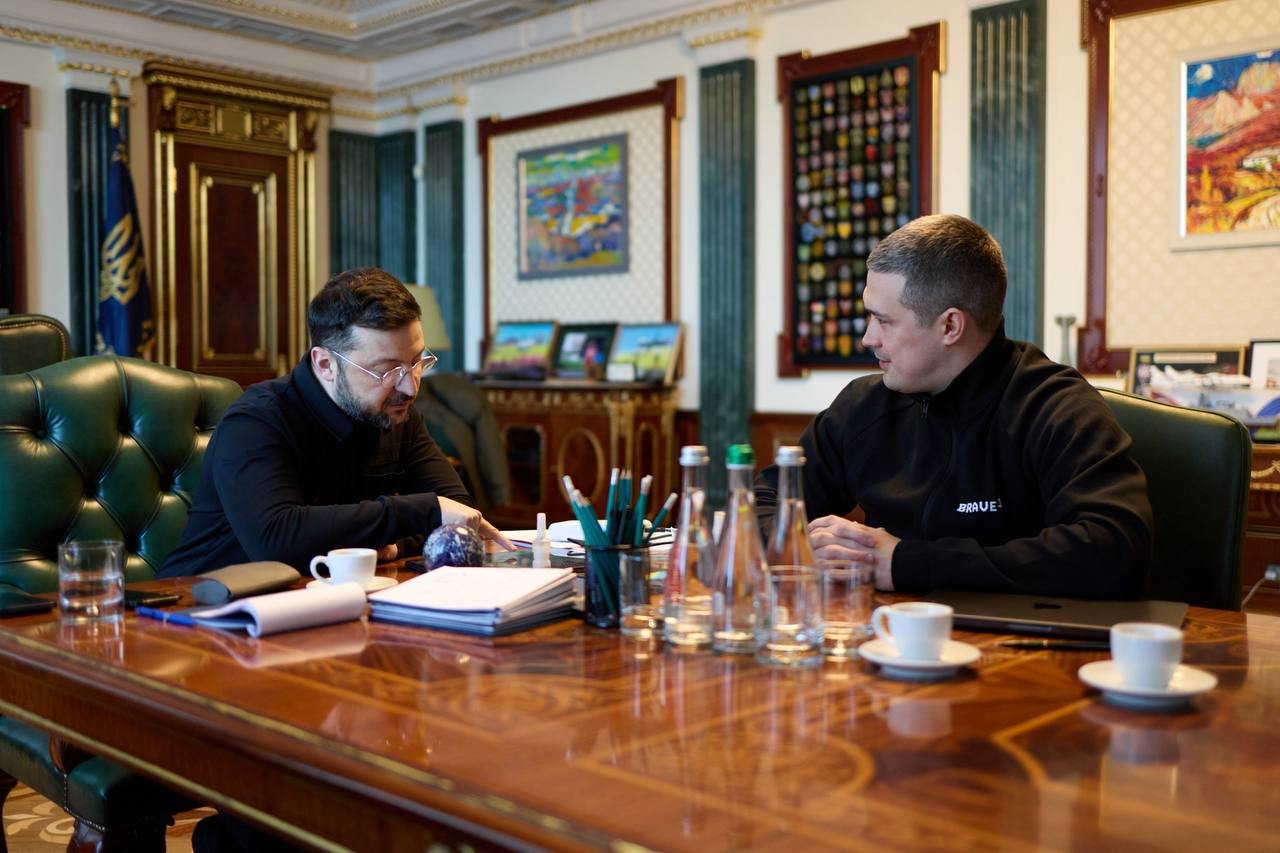
After taking office, I received a task from President Volodymyr Zelenskyy: to transform the system as quickly as possible in a way that would help stop the enemy in the sky and on the ground and exhaust its economy. We had to implement all these changes at one of the most difficult moments for Ukraine: attacks on the energy sector, and record launches of Shahed drones and ballistic missiles.
We bring you stories from the ground. Your support keeps our team in the field.
There was an understanding that Ukraine needed not merely to respond to Russia’s actions, but to seize the initiative, to make the Kremlin adapt to the actions of the Ukrainian Armed Forces.
One of the first and most effective cases—disrupted Russian use of Starlink, protecting our airspace from Starlink-guided Shahed UAVs and fundamentally shifting the operational environment. In cooperation with SpaceX, the Russian army lost access to the terminals, leaving the aggressor state's army without communications. We were the first in the world to carry out several innovative changes that deprived the enemy of capabilities while giving Ukraine an advantage.
Regarding the energy sector, it was necessary to protect all infrastructure at any cost. Reports showed that Moscow was prepared to strike water supply systems and other civilian infrastructure. This was also confirmed by the scale of the attacks: on one day, Russia launched 999 Shahed drones at Ukraine within 24 hours. No other country has faced such a threat.
That is why we created a “small” air defense command and appointed Pavlo Lazar as deputy air defense commander. We also introduced an after-action review (AAR) process and a rapid response mechanism for airstrikes on critical energy infrastructure, increasing interception rates across all aerial threats. Ukrainian air defense today is operating more effectively than ever before.
We are expanding private-sector air defense capabilities—adding the option to transfer weapons from military units, integrating Territorial Defense snipers, and simplifying write-off procedures.
This was only the beginning. To defend against Russia’s ballistic missiles, Ukraine secured a record contract for PAC missiles for Patriot systems with support from Germany. Execution will begin next year, but it already provides a basis for securing missiles today through future contracts. Our asymmetric actions include strikes on military facilities that produce components for Russian ballistic missiles: we are fighting the root causes.
The Defense Forces’ work at operational depth has also been completely rethought. This is reflected in the quality and volume of Middle Strike procurement, which will soon begin reaching the military at scale. Russia has suffered record losses from Ukraine’s Middle and Deep Strike attacks over the past two months.
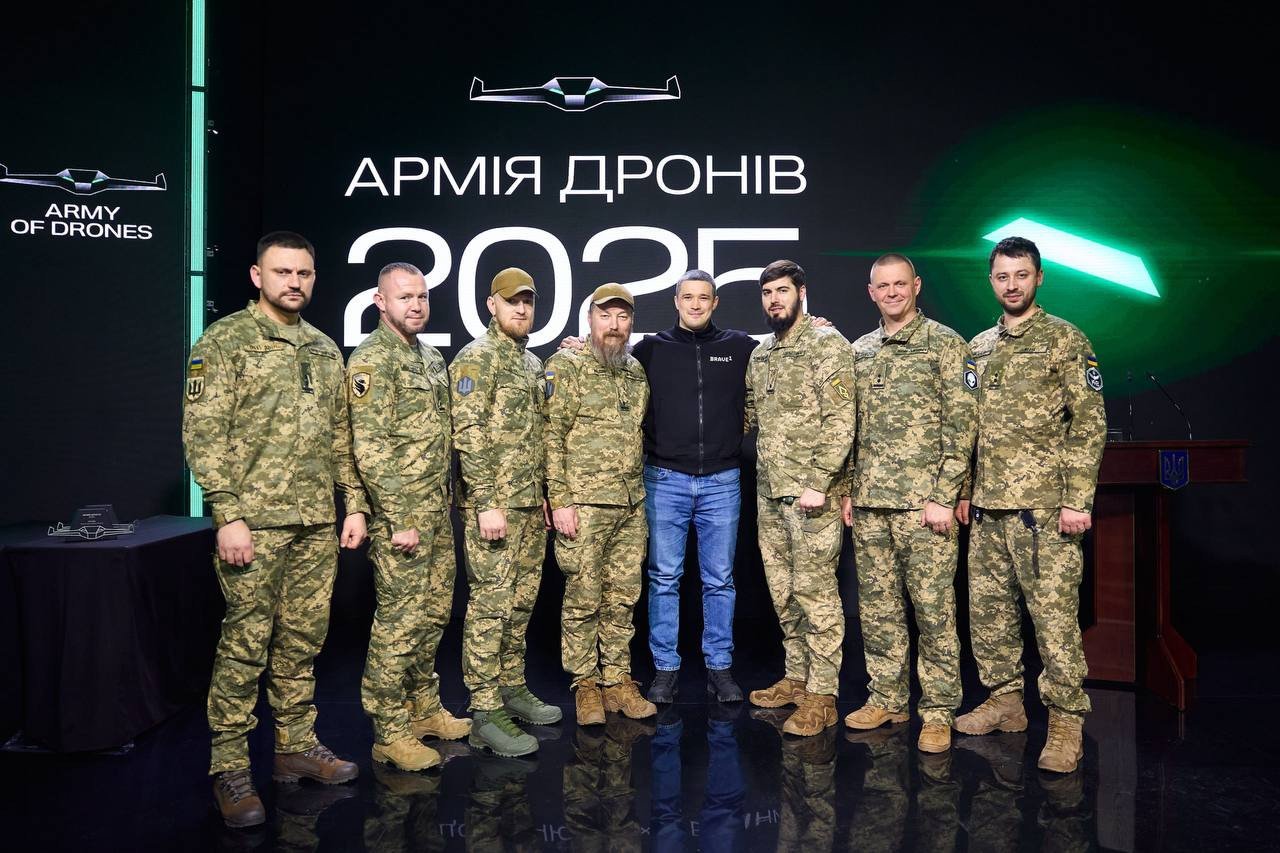
We are betting on a war of technologies. This is the only way to defeat Russia. We launched an AI center to help make technological solutions even more effective.
Procurement of high-quality drones and robotic platforms in one quarter has exceeded the total for all of last year. We are already seeing results: in March, the Russian army lost nearly 36,000 troops, with drones killing 90% of the targets. In the first quarter of 2026, Russia lost more troops than it recruited.
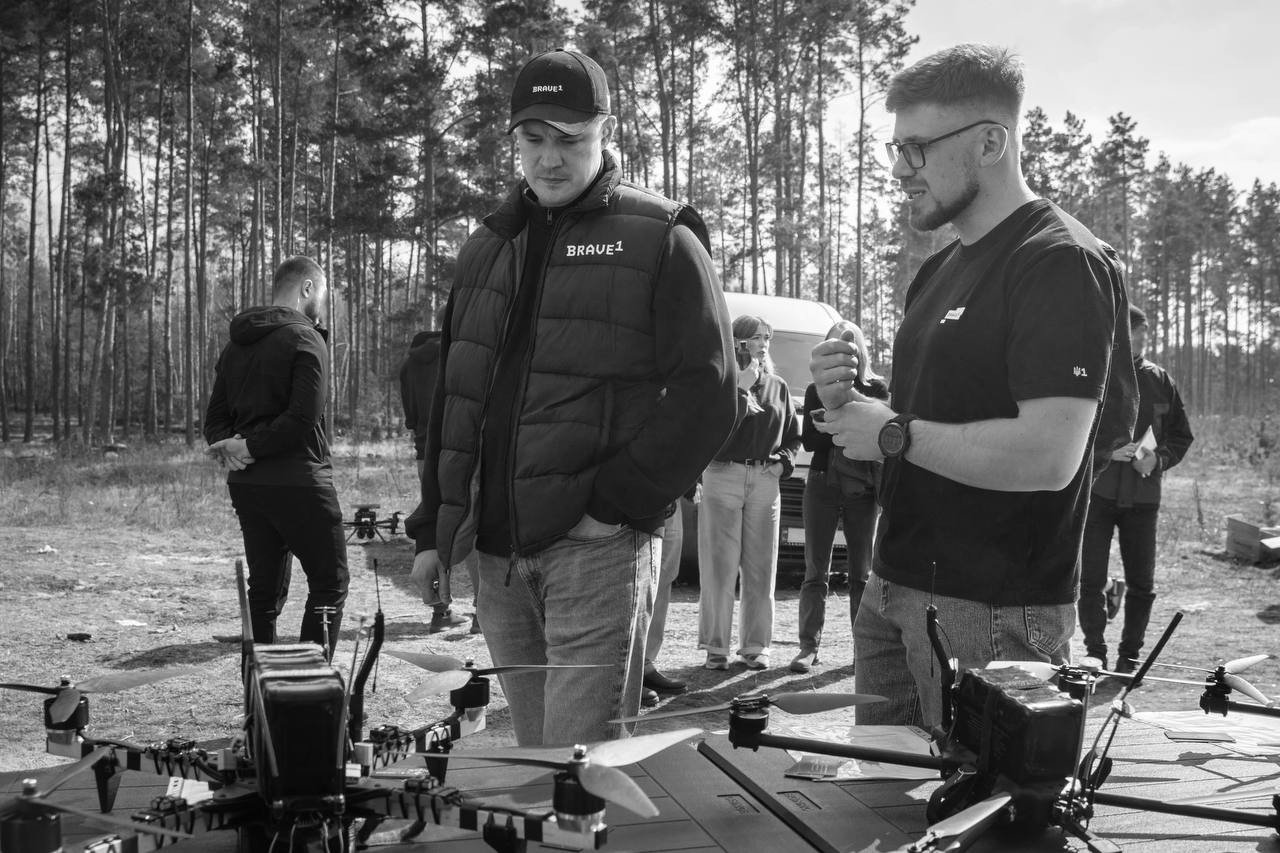
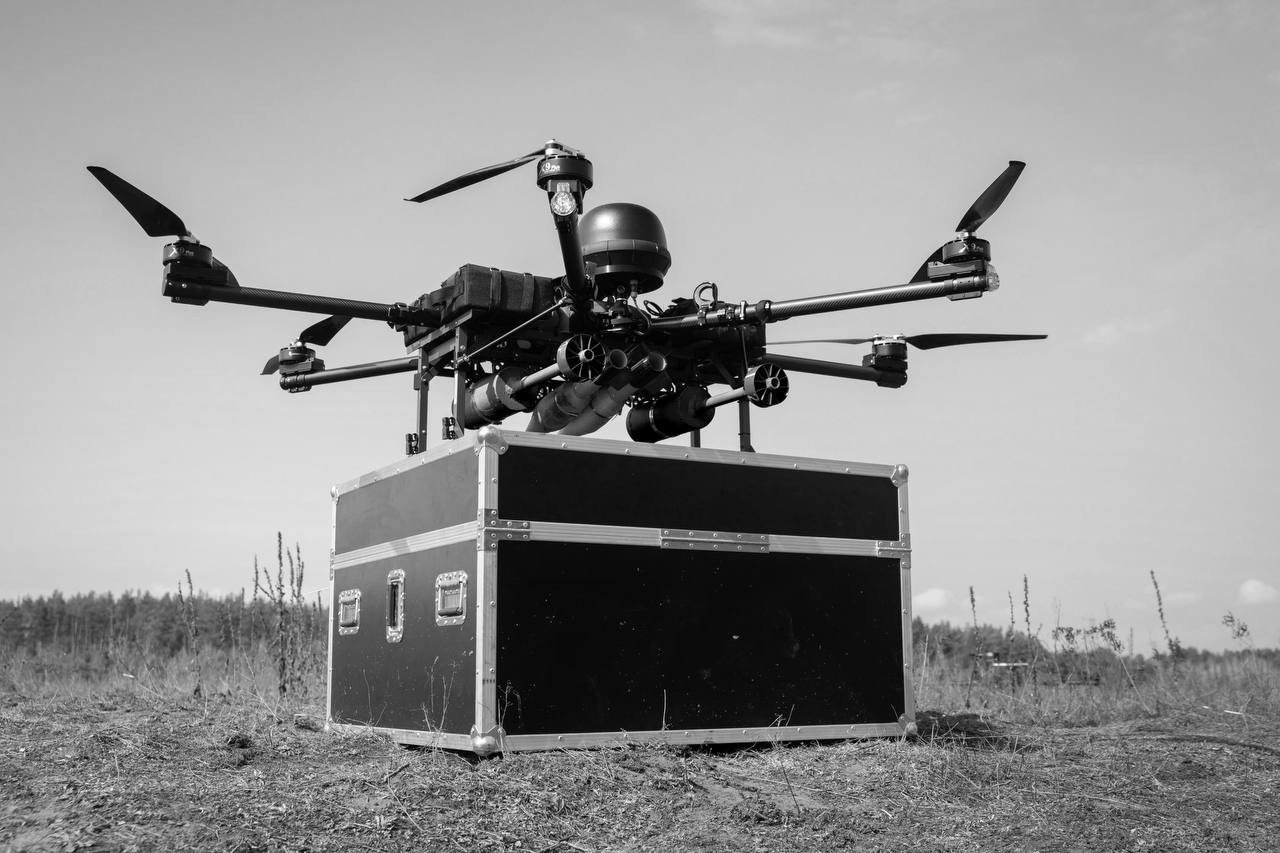
Another priority is unmanned ground vehicles: changing the approach to defining procurement needs for drones and UGVs to be data-driven, rather than manually determined. This year, we also have record procurement of fiber-optic drones, UGVs, mid-strike systems, and ISR platforms. We are developing a new concept of operations that integrates drones and ground maneuver units to achieve systematic enemy attrition and containment.
The issues of finance and procurement have moved to a completely new format. In February, the Ministry of Defense updated its approach to force-generation funding through the Ramstein mechanism, securing a record $38 billion pledge for 2026, with improved oversight and delivery accountability.
We reorganized the Ministry of Defense structure and senior leadership to eliminate corruption and dramatically increase institutional effectiveness. Formed a professional advisory team. Launched the first stage of an audit of the state defense-industrial complex, rethought the operations of key enterprises, and introduced decisions that address real problems in the defense system.
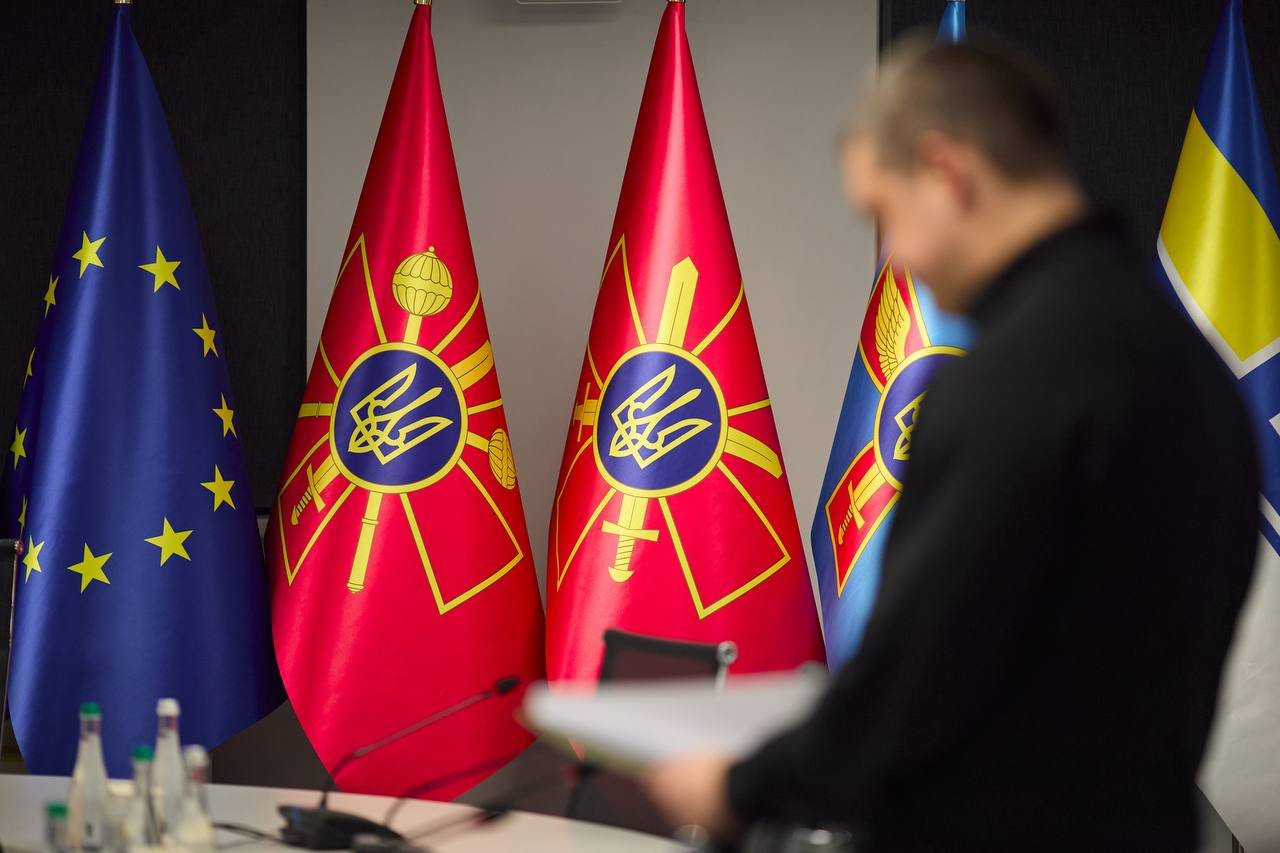
We have actively begun financing areas that were not previously priorities or lacked funding. For example, the first large-scale procurement of pickup trucks was for the front. We quadrupled the pace and increased the funding for the construction of netted tunnel routes to support logistics in frontline regions. We are restoring roads that are important for military logistics.
We are actively strengthening the drone component:
Conducted analysis and allocated additional funding to scale the Drone Line program, whose units account for approximately one in four enemy targets destroyed on the battlefield.
Expanded corps-level capabilities: funded four dedicated unmanned aerial systems (UAS) regiments within pilot corps structures and added three more corps to the program.
Allocated an additional 400 million UAH ($10 million) to develop drone-assault units and analyzed successful operations
Approved a government act authorizing 5 billion UAH ($125 million) in experimental procurement.
Major changes concern our military personnel. We introduced systems to analyze the causes of every servicemember’s death and began building a real-time system to assess the combat effectiveness of brigades and corps. The most effective units receive additional funding, and we are scaling what produces results.
Preparations are also underway for a comprehensive transformation aimed at improving recruitment and service conditions in the Armed Forces. The first 10 of 30 projects under a single reform are nearly ready to launch. Details will follow later.
We are simplifying what can be simplified. For example, the modernization of aviation and the approach to codifying weapons and military equipment. Also, for the first time, a competition was held for a large-scale procurement of long-range 155 mm artillery rounds with a range of more than 30 kilometers, prioritizing the development of Ukrainian production.
Discuss this article:

-f3430f0449615e9897dff835086ac204.jpg "Ukraine Broke With a Soviet-Era Military System and Rebuilt It Around the Soldier")
-e126c16a85d580738cf2d57e760b80a3.jpeg "Photo of Vladyslav Greziev")




-930ed56b9d4c7f0232c62eddea7edc08.jpg "Ukraine’s Mindset Has Changed Faster Than Most of Europe—What 35 Years of Data Show")
-d6c21a19c8fd931d512b5818298453c4.jpeg "Maryna Starodubska")