- Category
- War in Ukraine
Ukraine Is Becoming a Top Security Exporter, Capable of Stopping 900+ Aerial Threats a Day
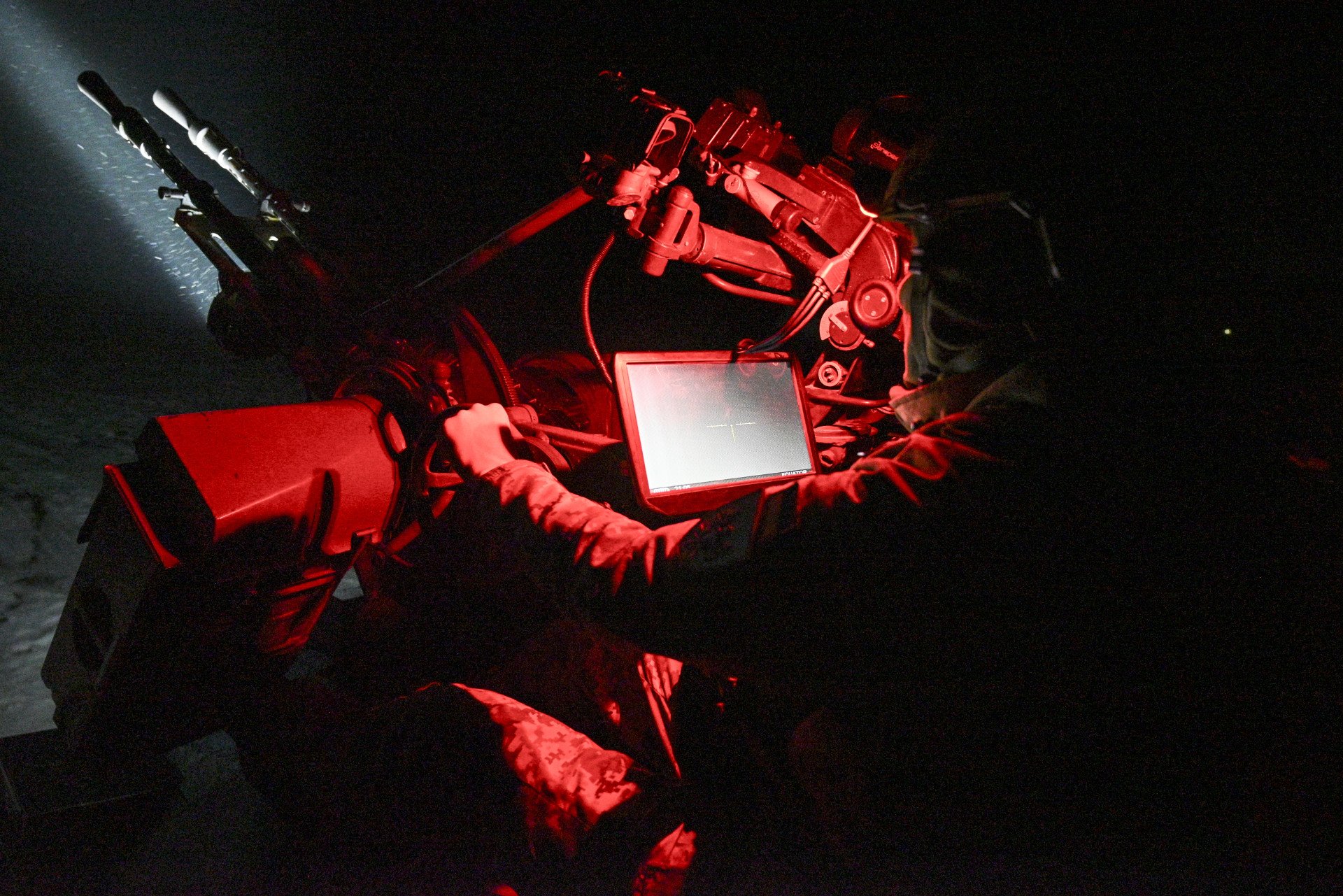
The defense ministries of Ukraine and Saudi Arabia have agreed on defense cooperation. President Volodymyr Zelenskyy says Ukraine is ready to share its expertise and systems with Saudi Arabia and to work together to strengthen the protection of human life.
 Prefer U24 Media on Google
- Authors

-29a1a43aba23f9bb779a1ac8b98d2121.jpeg "Photo of Illia Kabachynskyi")
Today, Kyiv clearly has significant experience in countering drone threats and an enemy that does not hesitate to strike civilian targets and infrastructure.
At the end of March, Russia set a record: in the span of just one day, it deployed 999 drones against Ukraine, along with several dozen cruise and ballistic missiles. Nothing on this scale had happened before.
We bring you stories from the ground. Your support keeps our team in the field.
Ukraine’s air defense forces performed almost flawlessly: 94.6% of all targets were destroyed or suppressed, an extraordinary interception rate given the scale of the attack. Overall, in recent months, the number of downed targets has increased by 8%, reaching nearly 90% in March.
In March, Ukraine’s Ministry of Defense shared another statistic: in February, interceptor drones were used to shoot down 10,000 Russian UAVs. Not long ago, this weapon did not exist at all. Ukraine is a pioneer in its development, production, and use.
Russia is the leader in Shahed production, and over the winter, 19,000 of them were launched at Ukraine. The Kremlin also shares its experience, expertise, and drones with Tehran. The Iranian regime terrorizes neighboring countries in much the same way Moscow bombs apartment buildings, civilian sites, schools, and hospitals, and Ukraine’s energy infrastructure. As a result, production and processing facilities in the Gulf countries have already been affected, while energy prices have risen worldwide.
Exporting technology and weapons
As of March 2026, 11 countries had approached Kyiv with requests for assistance. The main challenge is that Iran continues to carry out Shahed attacks, while using PAC-3 missiles for Patriot systems to shoot them down is expensive. Even when it comes to ballistic threats, Ukrainian forces operating Patriot systems now have the deepest practical experience: since the start of Russia’s full-scale invasion, hundreds of ballistic missiles have been launched at Ukrainian cities.
Still, it is the Shaheds that pose a major threat: they are cheap for Russia and Iran to produce, yet highly dangerous. So how do you shoot them down cheaply and effectively?
Ukraine, which has endured the most sustained bombing campaign in the world for five straight years, has that experience. And it is already sharing it with others. Ukraine is already providing comprehensive assistance to five countries in countering aerial threats.
In total, 228 Ukrainian military experts in counter-drone warfare have been deployed to partner countries. For security reasons, further details are not being disclosed.
Ukrainian manufacturers of interceptor drones are also ready to scale up production, which would make it possible to meet the needs of both Ukraine and its partners. As of today, the production capacity of local manufacturers already stands at $55 billion. Kyiv is purchasing less than half of that, while the rest could be exported to countries that support Ukraine.
Ukraine as part of global security
The war being fought in Ukraine is the most intense in the world right now. It is one of the largest military conflicts in Europe since World War II: more than one million people are on the front line, and enormous quantities of equipment are involved. Russia has already lost part of its fleet, thousands of tanks, and hundreds of aircraft.
Ukraine, lacking comparable resources, has fought with technology: it was the first to make broad use of drones, FPVs, naval drones, and ground robots, which are now carrying out 7,000 operations per month. Hundreds of companies that did not exist in 2022 are today helping hold back the Russian army, which, it should be noted, has captured only 1% of Ukraine’s territory in recent years. This is, in essence, a technological revolution in the field of DefenseTech that has helped change the very approach to warfare.
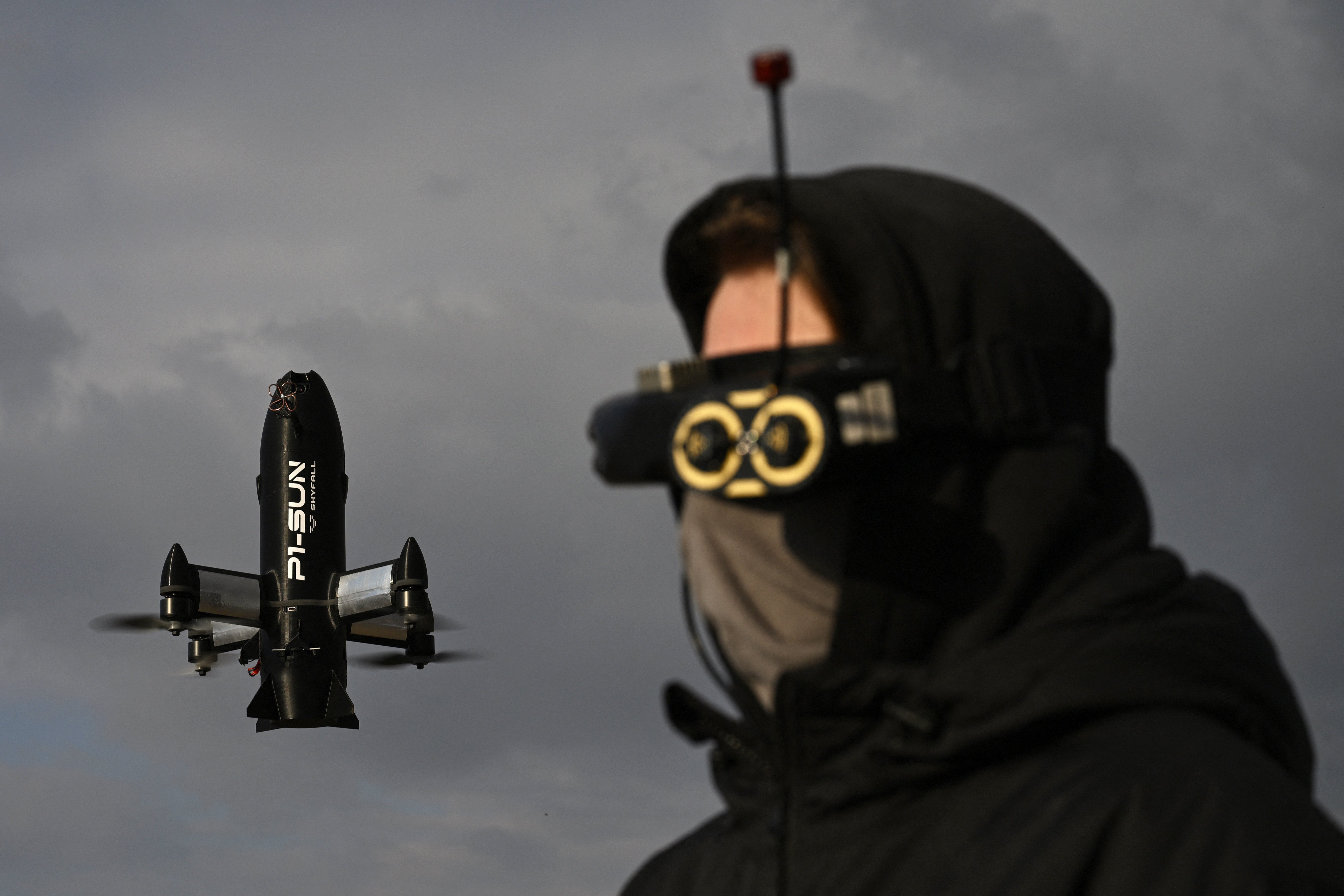
Importantly, Ukraine has also become a testing ground for companies from Europe and the United States: countries are testing their weapons here while also gaining data and insight into what future war looks like, rather than the wars of the past. The nature of major war is changing, and that is happening in Ukraine in real time. The course of military operations in Iran only reinforced this.
Cooperation with partners is not only about transferring or selling weapons. It is about transferring capabilities, and any format of cooperation also includes defining how those capabilities will work in practice—solutions must be both effective and economically viable.
“Our partners are helping us, and we want to repay them and show how we can be useful to them,” sources at Ukraine’s Ministry of Defense told UNITED24 Media.
Ukraine, for example, is already working with European countries through the Build with Ukraine format: factories producing drones and other systems are being built in Europe, with part of their output sent to the front and the rest going to partners. It is a model in which every side benefits.
Today, Ukraine is one of the leaders in the defense industry. The reason is simple and obvious: everything is being tested in real combat against one of the most formidable opponents imaginable—one with vast human and financial resources. Exporting experience is a skill forged over years of war, one that cannot be acquired anywhere else at this level. And Ukraine is ready to share it with its partners.
Discuss this article:


-c439b7bd9030ecf9d5a4287dc361ba31.jpg "Photo of Katherina Popilnichenko")