- Category
- War in Ukraine
How Ukraine’s Exclusive War Data Trains AI to Give Allies a Military Edge
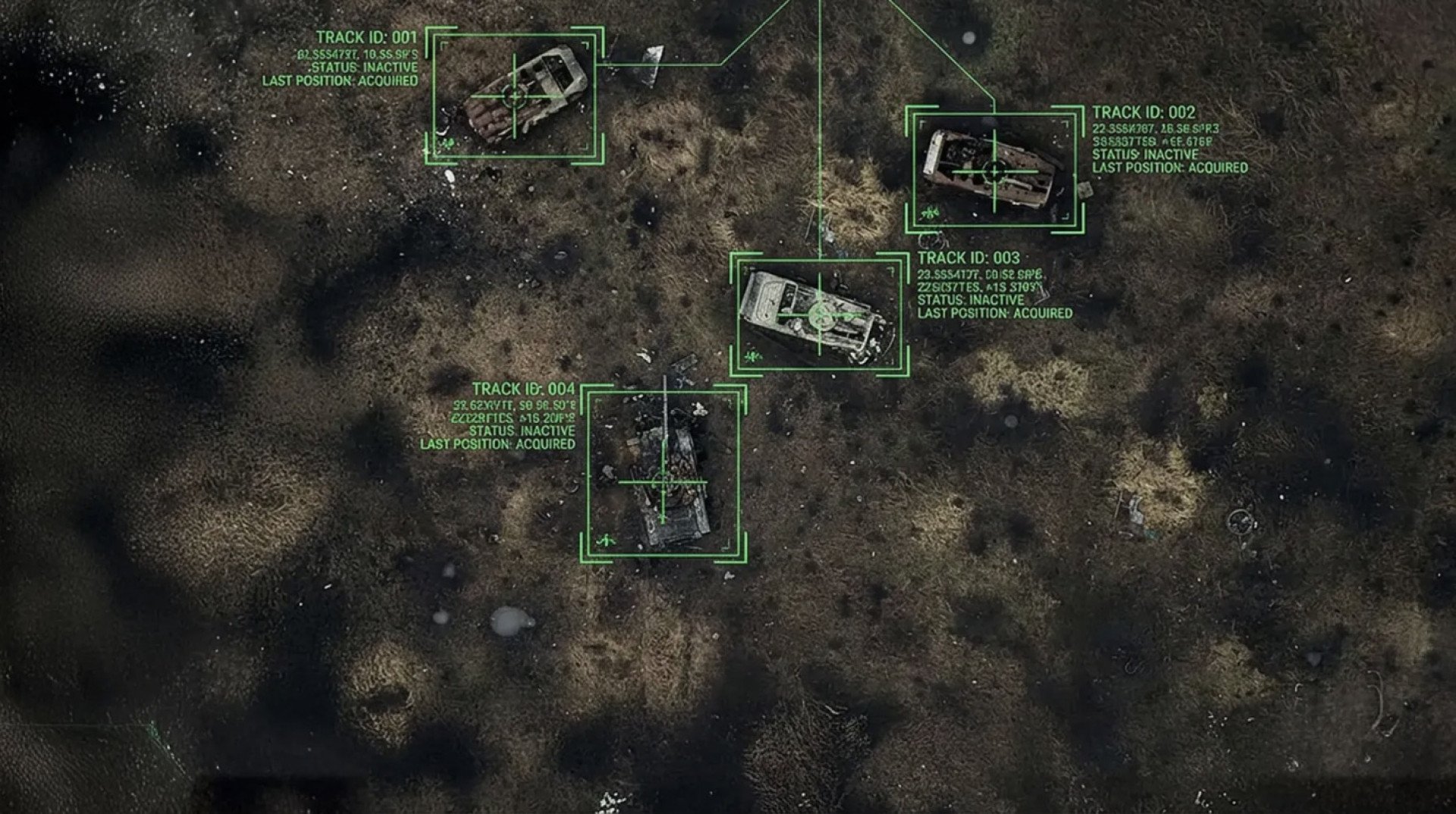
Ukraine is turning its battlefield data into a weapon, offering allies rare access to millions of drone images and combat recordings to advance military AI. In a war where technology leads the charge, is this data-driven approach the key to reshaping global defense?
 Prefer U24 Media on Google
- Authors

-554f0711f15a880af68b2550a739eee4.jpg "Photo of Lucile Brizard")
In an unprecedented move, Ukraine has announced it will share millions of drone videos and battlefield data, granting both local firms and international allies access to critical intelligence for training artificial intelligence models.
These videos, which capture attacks on soldiers, vehicles, and evasive maneuvers—such as a soldier jumping or a driver swerving to avoid a drone—offer a stark look at the realities of modern warfare. This footage has now become vital training data, poised to form the backbone of international AI systems designed for automated targeting.
Ukraine’s AI platform for military innovation
The dataset, which includes “millions” of annotated frames from “tens of thousands” of combat drone flights, is accessible through a controlled platform created at Ukraine’s Ministry of Defense (MoD). The platform allows partners to train AI models without direct access to classified information.
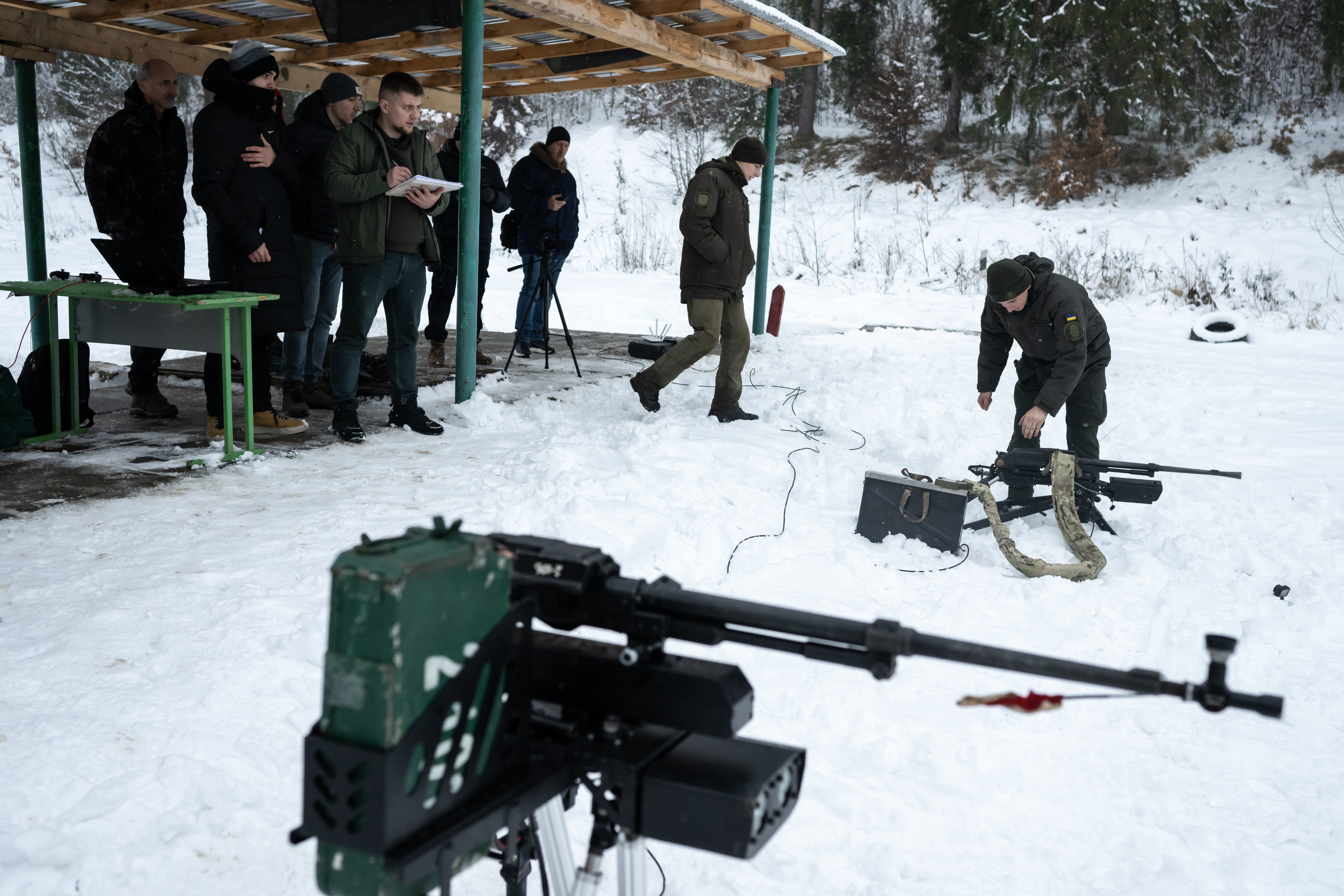
“The implementation of explainable AI is essential,” Danylo Tsvok, CEO of the MoD’s AI Center “A1,” told us. “This allows the system to justify why it proposes a particular course of action, ensuring transparency in AI operations.”
The reasoning is simple: Ukraine holds the data, while its allies have the tools to use it. Together, they can develop new capabilities faster. Ukraine calls this a “win-win.”
The platform powers Ukraine’s DELTA battlefield management system, a digital command platform that collects and shares real-time battlefield data across military units. Already, a tool called Vezha, a part of Ukraine’s DELTA system, can automatically spot enemy targets in drone video feeds. Now deployed across roughly 50,000 streams, the system helps Ukrainian forces detect thousands of potential targets each month.
AI development collaboration
Officials say access to the underlying data remains tightly restricted. Instead of handling the footage directly, developers “submit their training and validation code to a secure platform where model training takes place,” Yurii Myronenko, inspector general at Ukraine’s MoD, said, describing a system that enables collaboration without exposing sensitive material.
“Developers can train models on relevant data, but cannot copy or extract the data itself,” Myronenko said. The platform’s security adheres to National Institute of Standards and Technology guidelines and is audited annually by major firms. While this doesn’t guarantee the system is immune to breaches, Ukraine seems committed to addressing the most immediate concern: exposing the architecture of its digital battlefield carelessly is not an option.
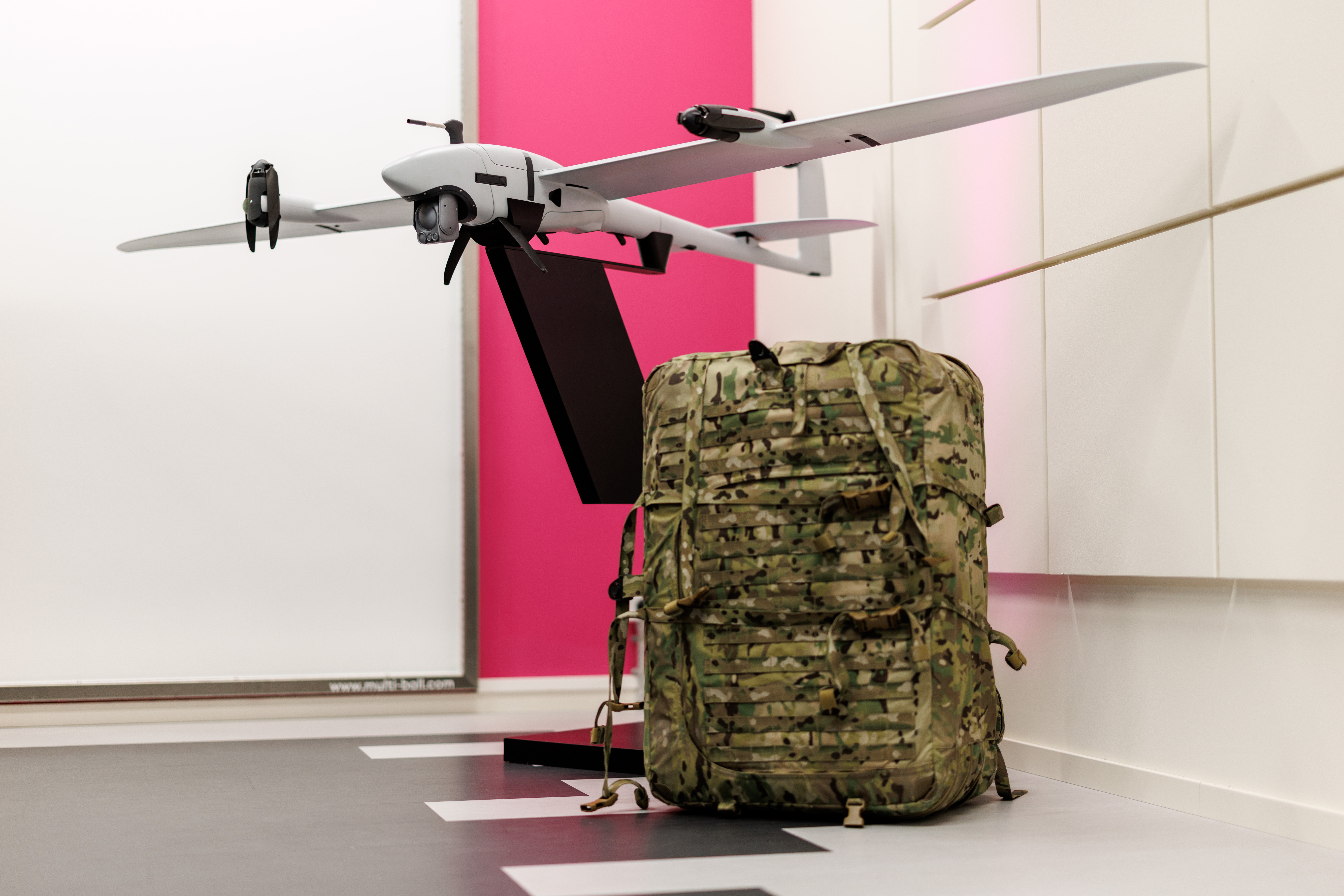
Priority is given to data with direct operational relevance in combat conditions, says Myronenko. To show how it works in practice, Tsvok gave UNITED24 Media what he described as “a simple example.”
AI automatically detects a target and recommends engagement, but the decision ultimately lies with the operator.
Yurii Myronenko
Inspector general at Ukraine’s MoD
As AI cannot understand real-world situations, such as warfare, through theory or simulations alone, it needs concrete examples: how a tank looks from different angles, how drones behave under electronic warfare, how explosions appear on thermal imaging, how vehicles try to conceal themselves, and how air defense reacts under pressure.
If Ukraine’s data-driven AI strategy succeeds, the future of warfare could be all about machine learning. With AI systems powered by real combat data setting the new standard, countries may race not for firepower, but for access to the best battlefield insights. The dynamic of warfare could shift: instead of strength winning the battle, it may soon be all about smarter, faster decisions made by machines.
“Ukraine has a unique array of battlefield data unmatched anywhere else in the world,” Defense Minister Mykhailo Fedorov said on Telegram.
Securing Ukraine’s battlefield data: Key questions remain
The use of genuine battlefield footage showing drones autonomously targeting individuals has sparked ethical debates. The International Committee of the Red Cross, responsible for enforcing the laws of war, has voiced strong opposition to automated targeting systems without human oversight.
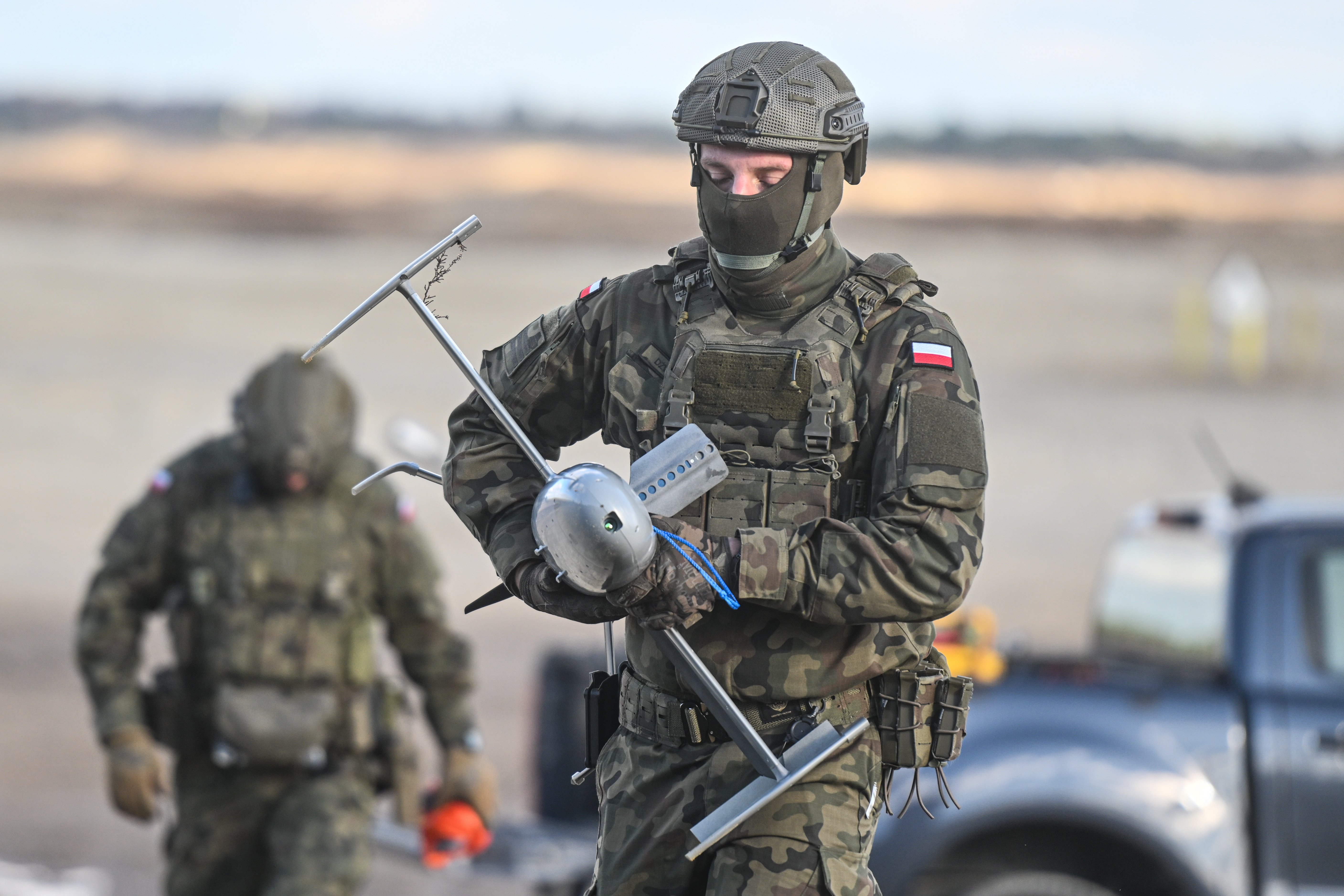
Fedorov and the MoD rely on the “human in the loop” model, ensuring that humans are still involved in the final decisions. The Minister of Defense makes no mention of scaling back AI technology; instead, he emphasizes making it the number one priority, “We must outperform Russia in every technological cycle,” adding, “artificial intelligence is one of the key arenas of this competition.” Drones have, in fact, already surpassed traditional weapons—rifles, machine guns, tanks, artillery, and aerial bombs—by inflicting the highest number of casualties on both Ukrainian and Russian forces.
With both Russia and Ukraine advancing AI technology, allowing it to independently identify and target objects no longer relying on a pilot’s radio connection, this shift towards autonomous drones marks a significant evolution in warfare: “The future of warfare belongs to autonomous systems,” said Fedorov.
Automated missions are no longer the future — they’re already part of the battlefield. Our goal is a fully automated frontline, held not by people but by robots.
— Mykhailo Fedorov (@FedorovMykhailo) October 20, 2025
How technology helps Ukraine fight and bring the future closer — shared for @resilmediaukhttps://t.co/16a1i2usOj
What is certain is that this move reflects a strategic calculation by a country unable to match Russia’s output in shells, missiles, or airframes, yet has cultivated something that both its partners and defense companies increasingly covet: authentic, large-scale battlefield data from the first sustained drone war in history. Ukraine is now leveraging this valuable resource.
Discuss this article:
-9a7b3a98ed5c506e0b77a6663f5727c5.png)


-c439b7bd9030ecf9d5a4287dc361ba31.jpg "Photo of Katherina Popilnichenko")