- Category
- World
Russian Spy Submarines Keep Being Spotted in the UK Waters. What Are They After?
 Prefer U24 Media on Google
- Authors

-605be766de04ba3d21b67fb76a76786a.jpg "Joseph Place")
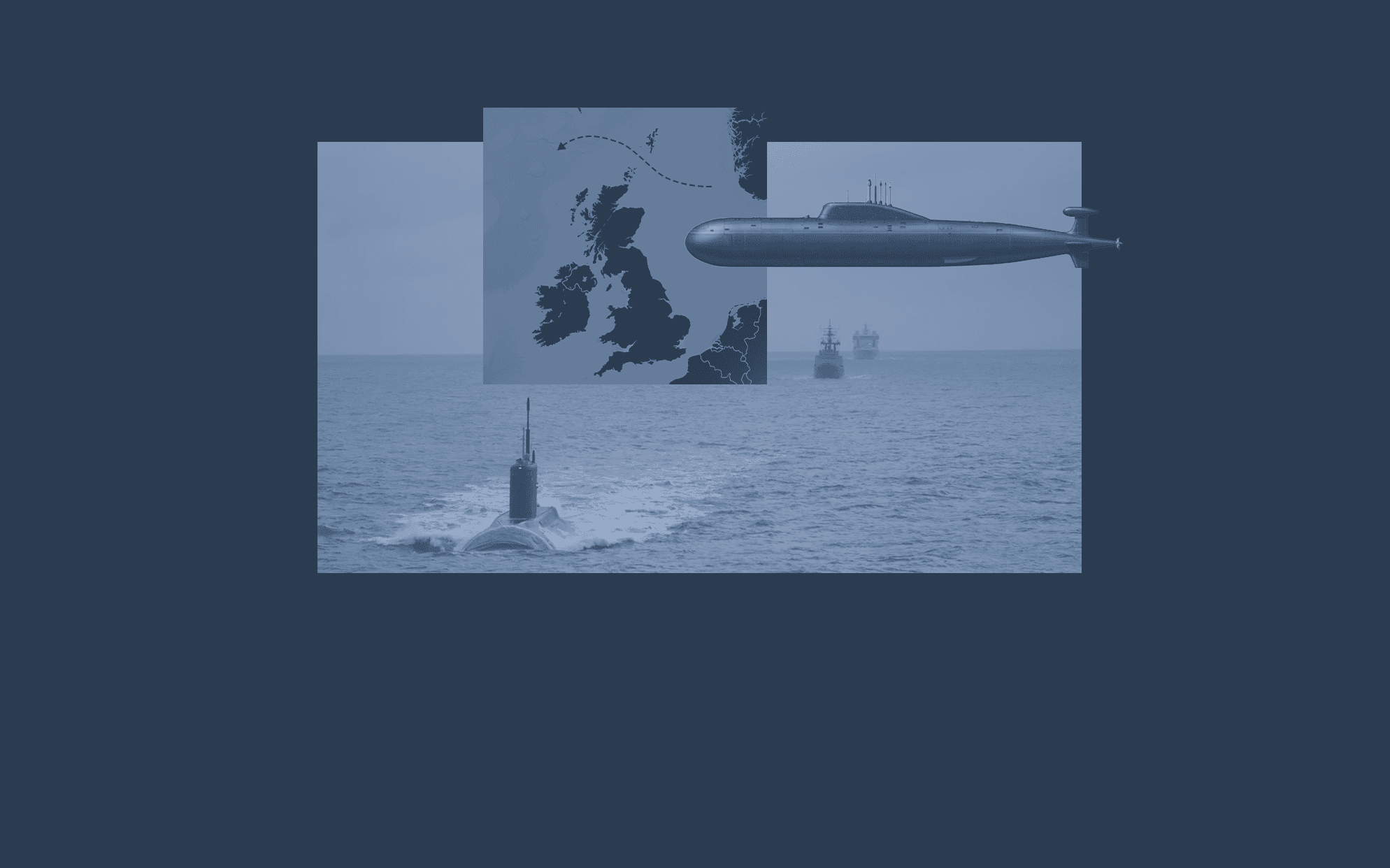
Russia conducted a covert submarine operation in and around UK waters. This is not the first time Moscow has encroached upon British sovereignty. In fact, this is part of a wider pattern of Russian hybrid activity against the UK and Europe as a whole.
The UK government exposed a spying operation involving Russian submarines in the Atlantic Ocean on April 9. In response, the UK is running a counter-operation to show the Russian government that the UK and its allies, such as Norway, are aware of Moscow’s activities in the Atlantic Ocean.
This is not a single incident involving Russian espionage and covert activities in or near the UK.
What has the UK exposed?
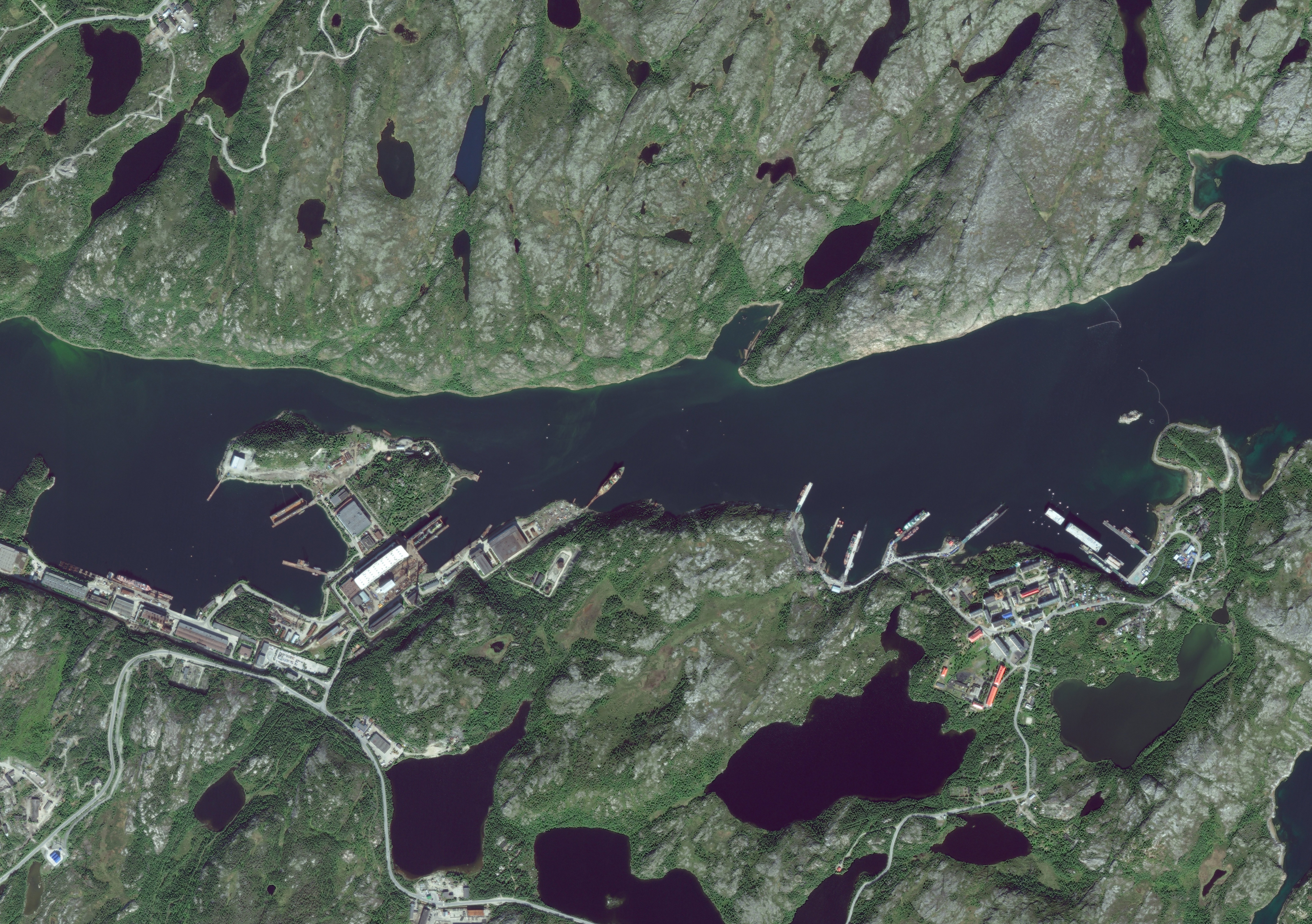
Russia has been surveilling undersea infrastructure in the North Atlantic. UK Defense Secretary John Healey said the operation involved “a Russian Akula-class Submarine and a concurrent deployment of two Specialized Submarines from GUGI,”—Russia’s Main Directorate for Deep-Sea Research. GUGI is a long-running Russian military program to develop capabilities to deploy specialist surface vessels and submarines.
“They are designed to survey underwater infrastructure during peacetime, and sabotage it in conflict,” says Healy. These vessels are based at the Olenya Guba naval base on the northern coast of the Murmansk Region.
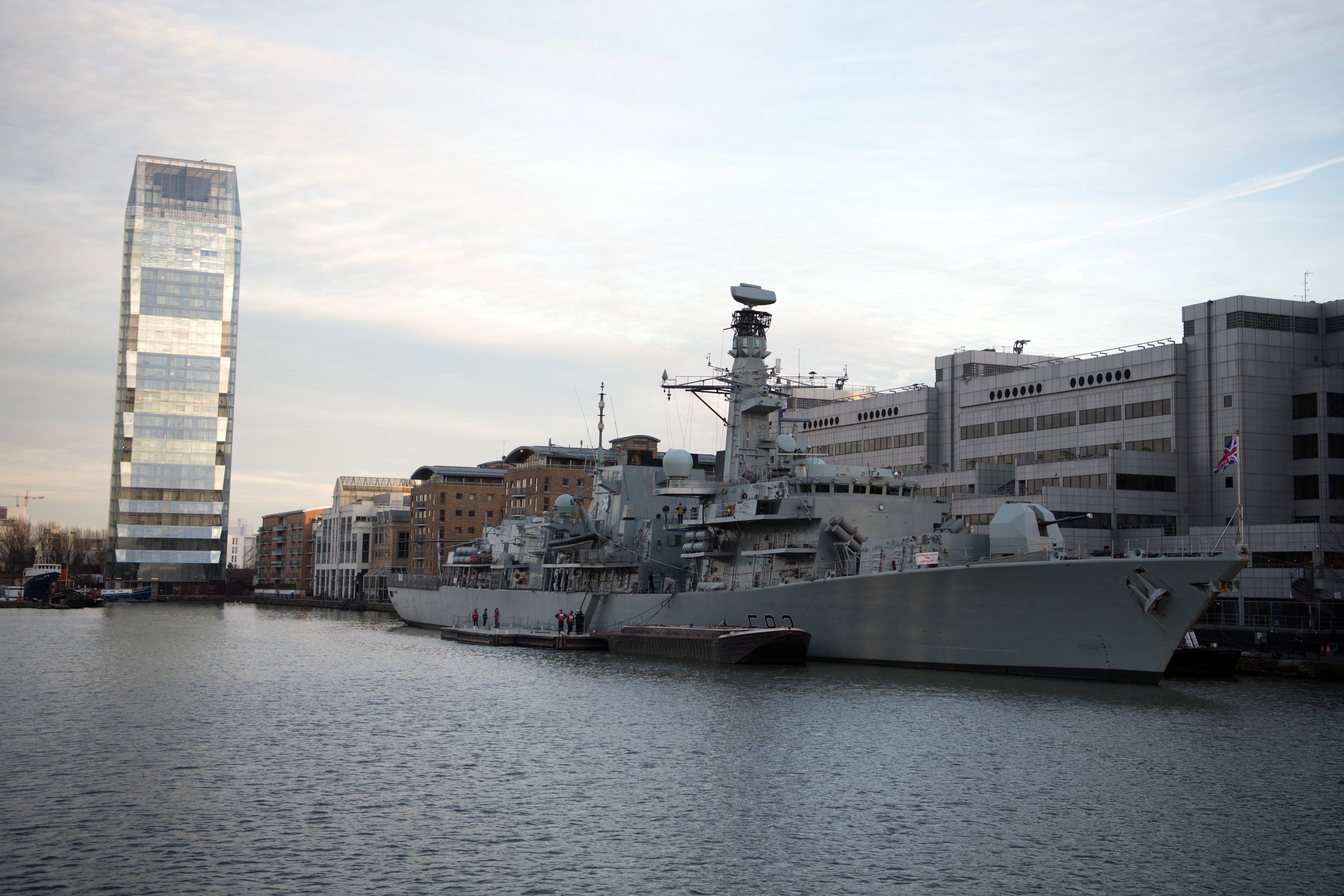
The operation was uncovered partly due to a diversion. British and NATO forces initially tracked a single submarine, deploying the Type 23 frigate HMS St Albans, RFA Tidespring, and Merlin helicopters.
However, they quickly realized this was a decoy, expanded monitoring efforts, and uncovered a wider surveillance operation involving multiple vessels.
“99% of international data traffic, including voice calls and internet data, travels through subsea cables,” the UK government said. “This underpins global banking, trade, and communications.” Meaning, the effects of any sabotage, as we have seen in the Baltic Sea, would be huge not just for the UK but for Europe and North America.
Healey said the UK is investing further into its submarine-hunting craft and deploying the British carrier group to the region to deter further activity. In 2025, the UK established the Atlantic Bastion program to help protect undersea infrastructure through new technologies and innovation. This recent exposure illustrates why it is so important.
-1d2bdffcadb40b9cfe33e2aa30cece08.jpg)
How does this fit into a wider pattern?
Russian activity in the North Atlantic is not an isolated incident. Russia has consistently been violating the UK’s airspace and waters and even conducting espionage activities on its soil.
The shadow fleet often passes through the English Channel, which is not only an issue of sanctions evasion but also one of security and the environment. Many of these ships have caught fire and been used in the Baltic Sea to cut cables and pipelines, so the threat is real.
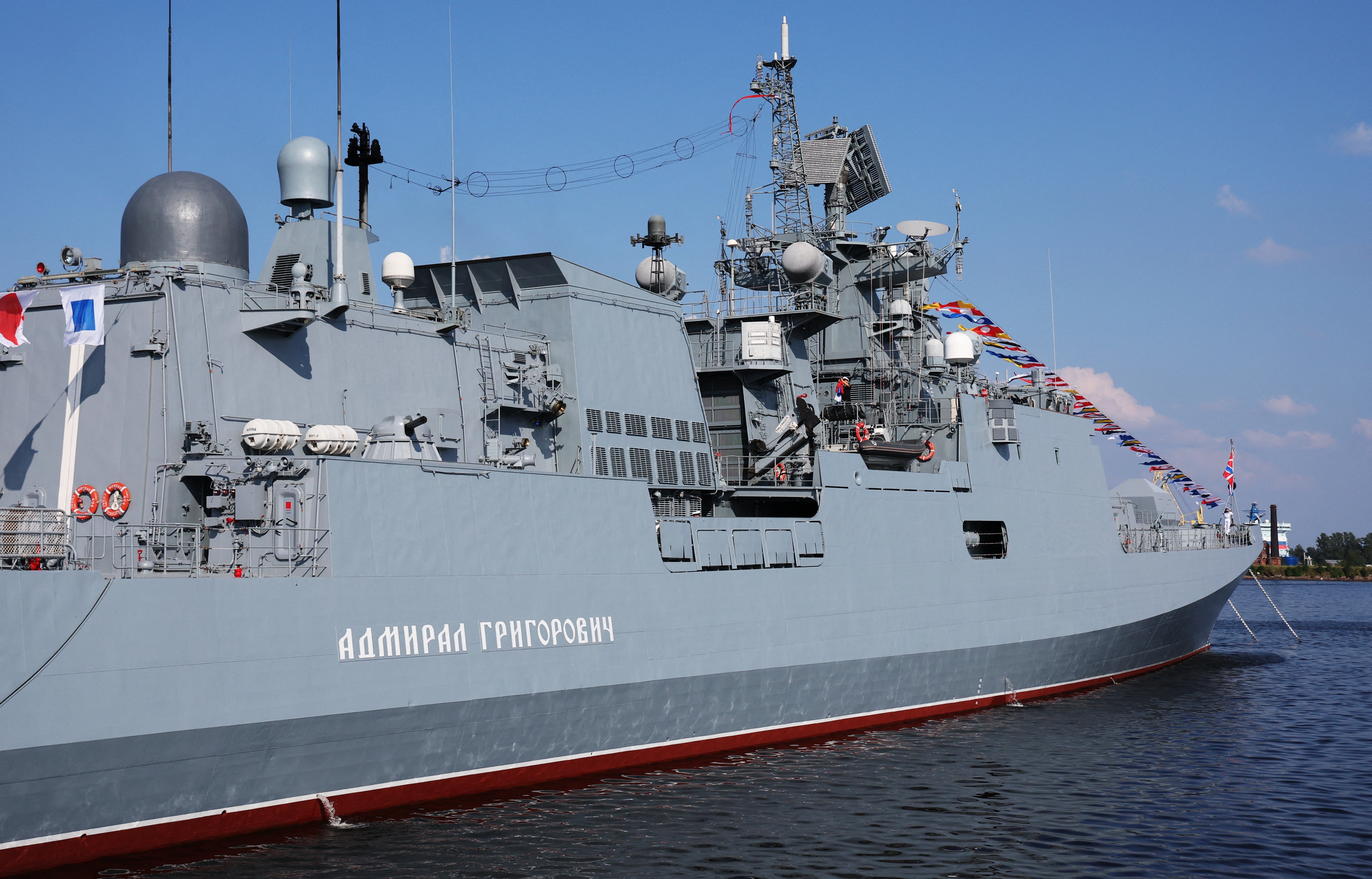
As the UK has stepped up efforts to disrupt Russia’s so-called Shadow Fleet in its waters by intercepting and boarding these vessels, Russia has sent warships to escort them. In April, Prime Minister Keir Starmer gave special forces the power to seize shadow fleet ships. In response, Russia sent another warship, the frigate Admiral Grigorovich, to escort two oil tankers on April 8.
Russia has also repeatedly violated British airspace. Russian bombers have flown close to Britain, scrambling NATO jets as a response. Another time, a Russian spy plane flew close to British airspace. Even before Russia’s full-scale invasion of Ukraine, these airspace violations repeatedly took place and have continued since.
Beyond boats, submarines, and jets, Russia has also notoriously conducted espionage activity in the UK. This has included sending spies to attempt to assassinate Sergei Skripal, a former Russian intelligence officer, nearly killing him and his daughter Yulia Skripal with Novichok, and likely inadvertently poisoning two British nationals, killing one. Other activities in the UK have included paying people to commit arson against Ukrainian businesses, also part of a pattern across Europe.
Russia also maintains an active cyber campaign. The UK government said that the Russian state-backed hacking group APT 28/Unit 26165 has conducted DNS attacks, stealing data and disrupting traffic. The UK is warning its population about attacks on routers and the theft of passwords by Russian state-affiliated hackers.
-72e32e2e8a42f8347acfef3f0316f46d.jpg)
UK lawmakers have already likened Moscow’s use of disinformation to that of a state of war, as it serves to disrupt political processes and increase Russian interests in the UK, using troll armies, bots, and spreading fake stories to disrupt debate.
Matt Pearce, who contributed to the Rycroft Review report, said,
Russian disinformation in the UK is about removing civil protections and reducing the pushback against sanctions and financial crime. It also promotes people who challenge accepted norms of behavior, such as via monetary fraud, violent protests, or anti-vaccine. Anything that weakens civil society as a whole is of benefit to Russia.
Matt Pearce
Contributor to the Rycroft Review
Russian influence on foreign politics is also extensive, and often tied to espionage.
Speaking of Russia, among others, the National Protective Security Authority stated in a brief that these countries’ “foreign intelligence officers operate undercover, posing as diplomats, journalists, academics, or lobbyists, for example.”
One research briefing, which also discussed the threat of disinformation, highlighted that Russian politicians and oligarchs have had a notable presence in Britain. They bought properties, invested, laundered money, and donated to political parties, raising concerns about how much influence they have had over politics in the UK and what activities they have conducted.
Laws have changed to tackle this problem, such as the Economic Crime and Transparency Act, which aimed to prevent money laundering in the UK by foreign nationals. Nonetheless, without observing what Russia does, many of its activities remain unseen.
Russia’s been waging a hybrid war against the UK and Europe for many years. The recently exposed submarine operation is just one aspect of this war, posing a threat to the banking systems, communications, infrastructure, businesses, civilian life, personal data, political processes, security at sea, in the air, and on land.
Discuss this article:


-c439b7bd9030ecf9d5a4287dc361ba31.jpg "Photo of Katherina Popilnichenko")