- Category
- Latest news
Russian Bomber Spotted Near UK—RAF Scrambles Typhoons in Quick Reaction Alert
 Prefer U24 Media on Google
- Authors


The United Kingdom scrambled fighter jets after detecting a radar track assessed as a possible Russian strategic bomber approaching its northern air defense zone, triggering a rapid-response mission over the North Sea, according to reporting by The Telegraph on April 14.
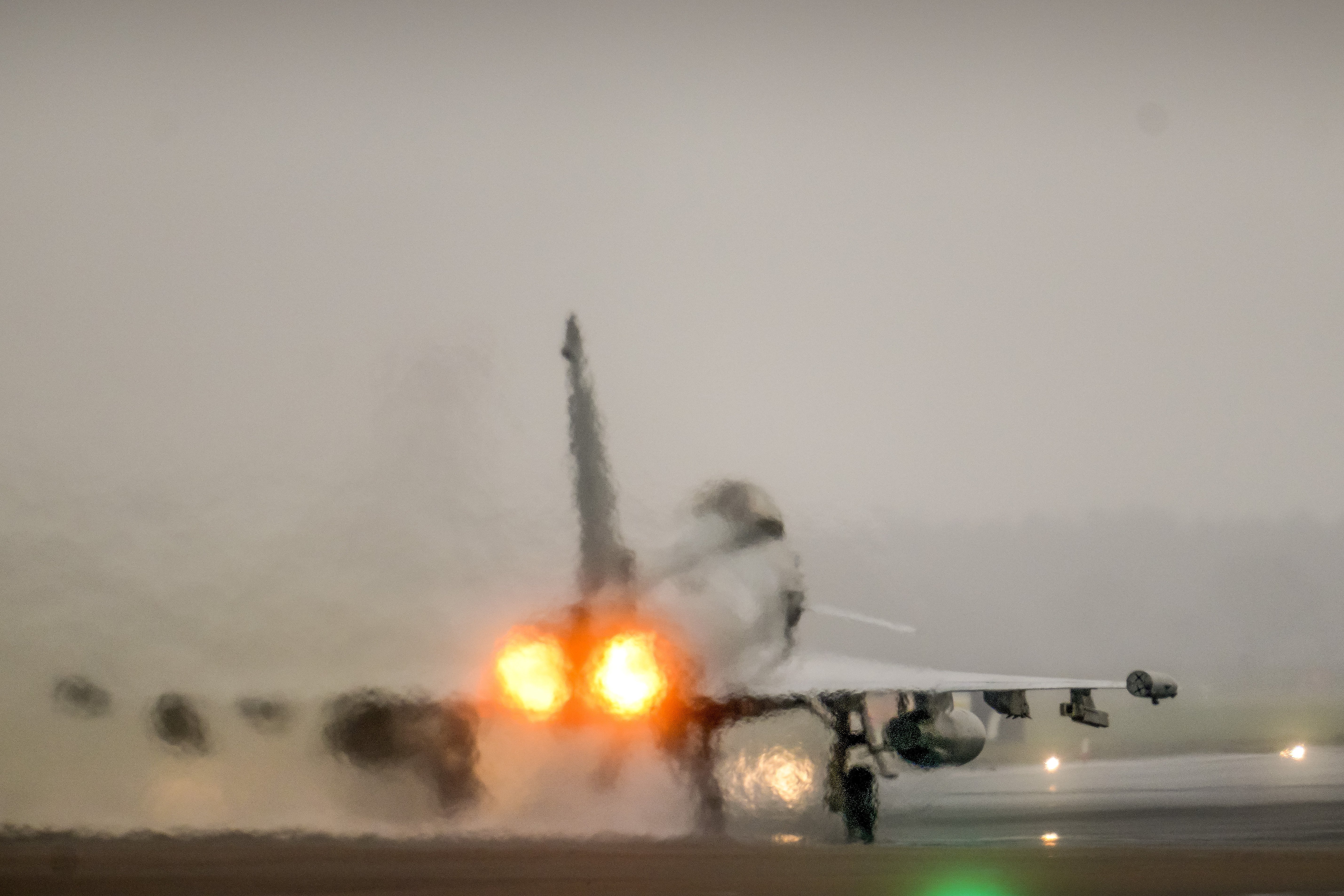
Two Royal Air Force Typhoon FGR4 jets were launched from RAF Lossiemouth under Quick Reaction Alert procedures following the detection of an unidentified aircraft heading toward the Shetland sector.
We bring you stories from the ground. Your support keeps our team in the field.
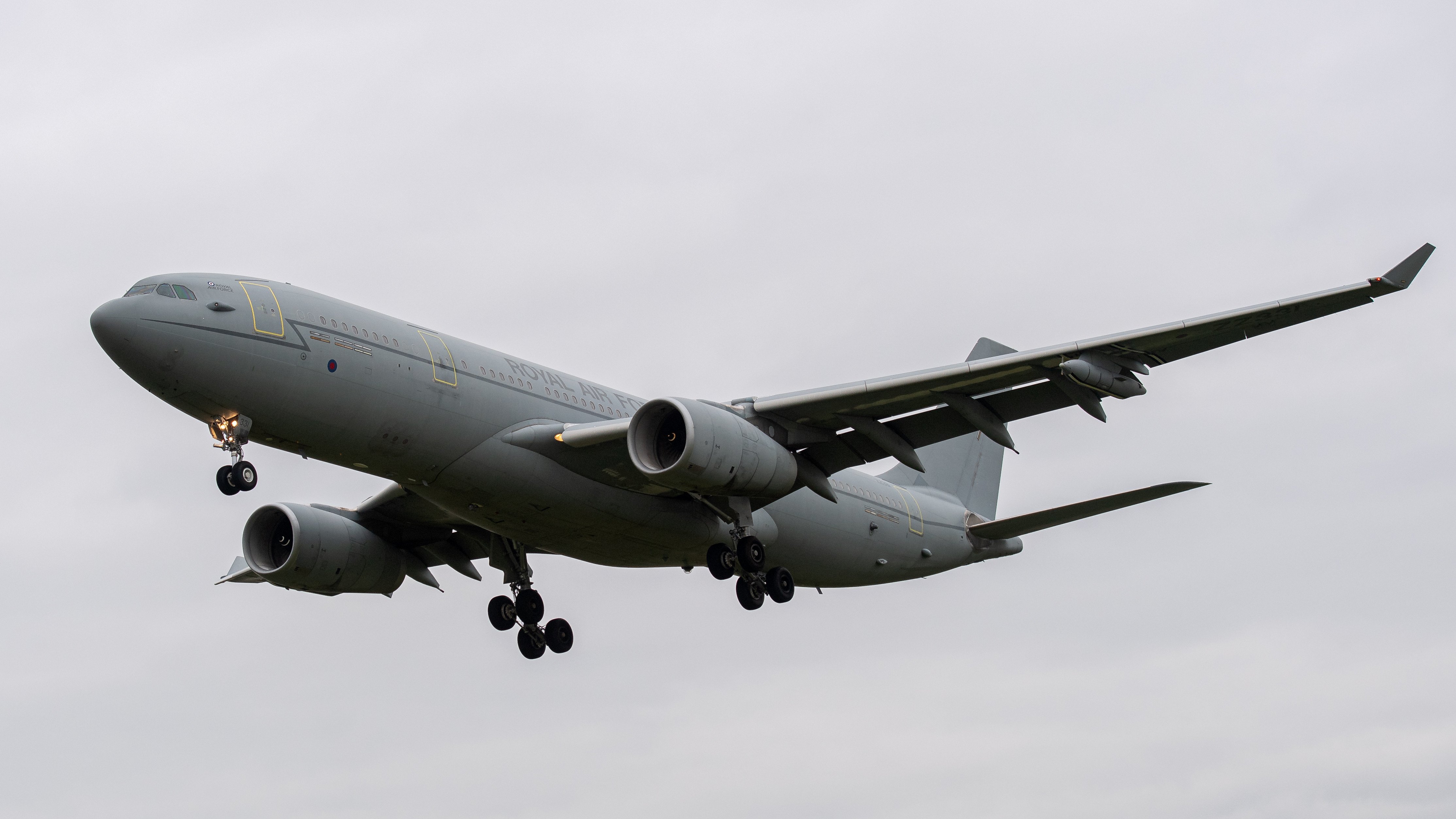
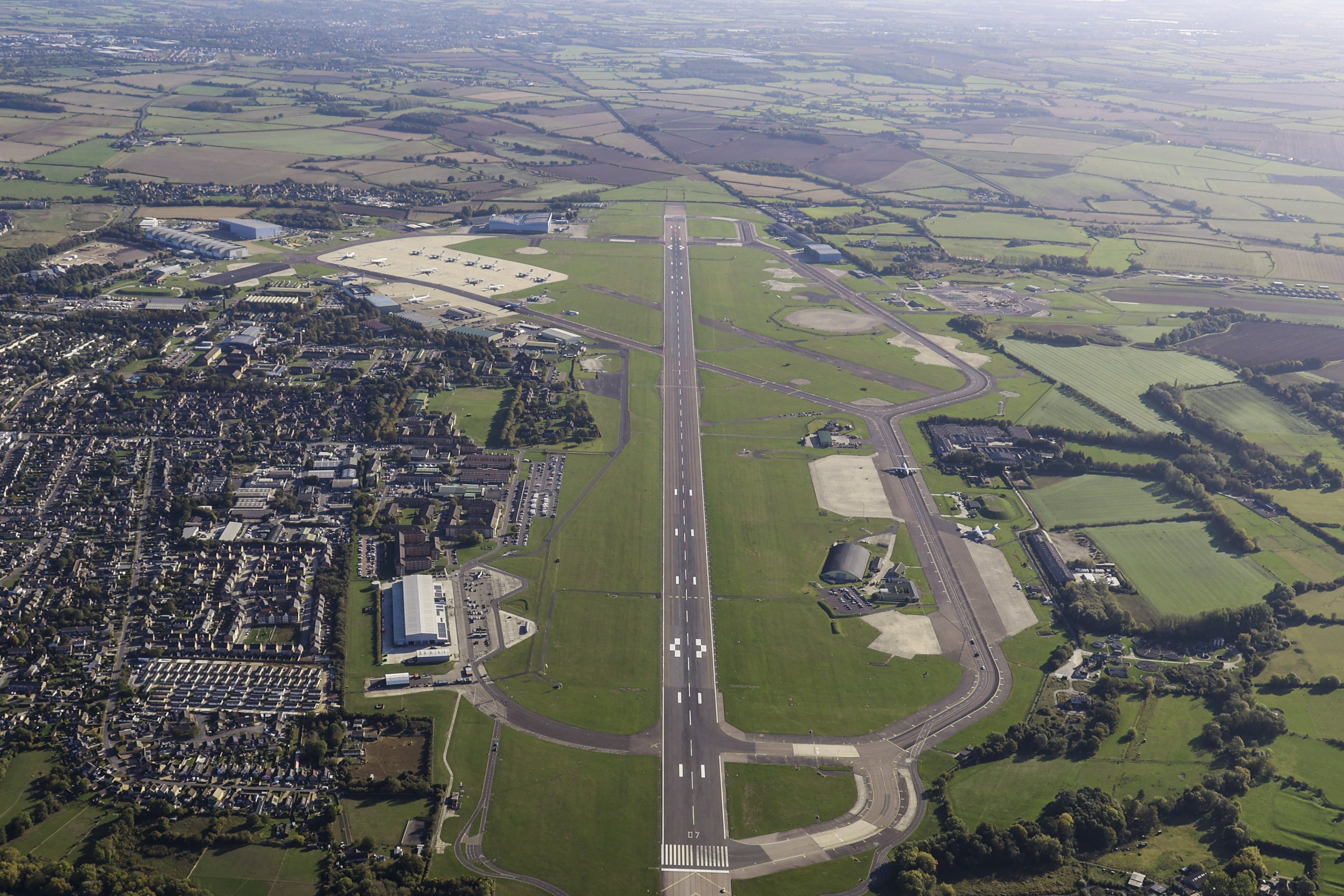
A Voyager air-to-air refueling tanker was also deployed from RAF Brize Norton to support the operation, signaling that planners were preparing for a potentially extended mission.
The aircraft remained outside UK sovereign airspace, staying beyond the 12-nautical-mile limit, and no visual interception was carried out before the mission concluded.
The contact was tracked within NATO’s integrated air defense network, allowing multiple allied command centers to monitor its movement in real time. The sortie ended after it was determined that the aircraft was not expected to enter the UK’s Air Defence Identification Zone in a manner requiring escalation.
Initial detection likely came from the UK’s air surveillance system, including long-range radar coverage from northern sites such as Saxa Vord in the Shetland Islands, supplemented by NATO and civilian air traffic data.
Because the aircraft did not match any known flight plan or identification profile, it was classified as an unknown track—a status that typically triggers continuous monitoring, trajectory analysis, and readiness measures, including potential interception.
Under standard procedure, the decision to scramble fighters is based on uncertainty and projected proximity rather than confirmed hostile intent. In this case, the aircraft’s path toward the UK’s northern approaches was enough to prompt a response.
The RAF deployed a standard Quick Reaction Alert package consisting of two Typhoon fighters, supported by a single Voyager tanker configured for aerial refueling. RAF Lossiemouth maintains continuous readiness, with aircraft able to take off within minutes of receiving a scramble order.
The inclusion of a tanker suggests that the mission could have been prolonged if needed, enabling the fighters to maintain a sustained presence over the North Sea.
However, the Typhoons did not move into intercept positions, which would typically involve closing distance to visually identify the aircraft and establish communication. No international interception procedures were initiated, indicating the operation remained in a monitoring phase rather than escalating further.
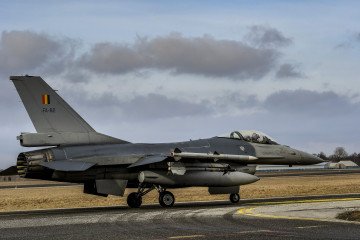
Earlier, Portuguese Air Force F-16AM Fighting Falcon jets deployed to Estonia recently intercepted a Russian Il-76 military transport aircraft, marking the first alert response by the Portuguese detachment since beginning its rotation at Ämari Air Base.
Discuss this article: