- Category
- War in Ukraine
Zelenskyy Confirms Two Russian “Oreshnik” Missiles Fired at Ukraine in Massive Overnight Strike
 Prefer U24 Media on Google
- Authors


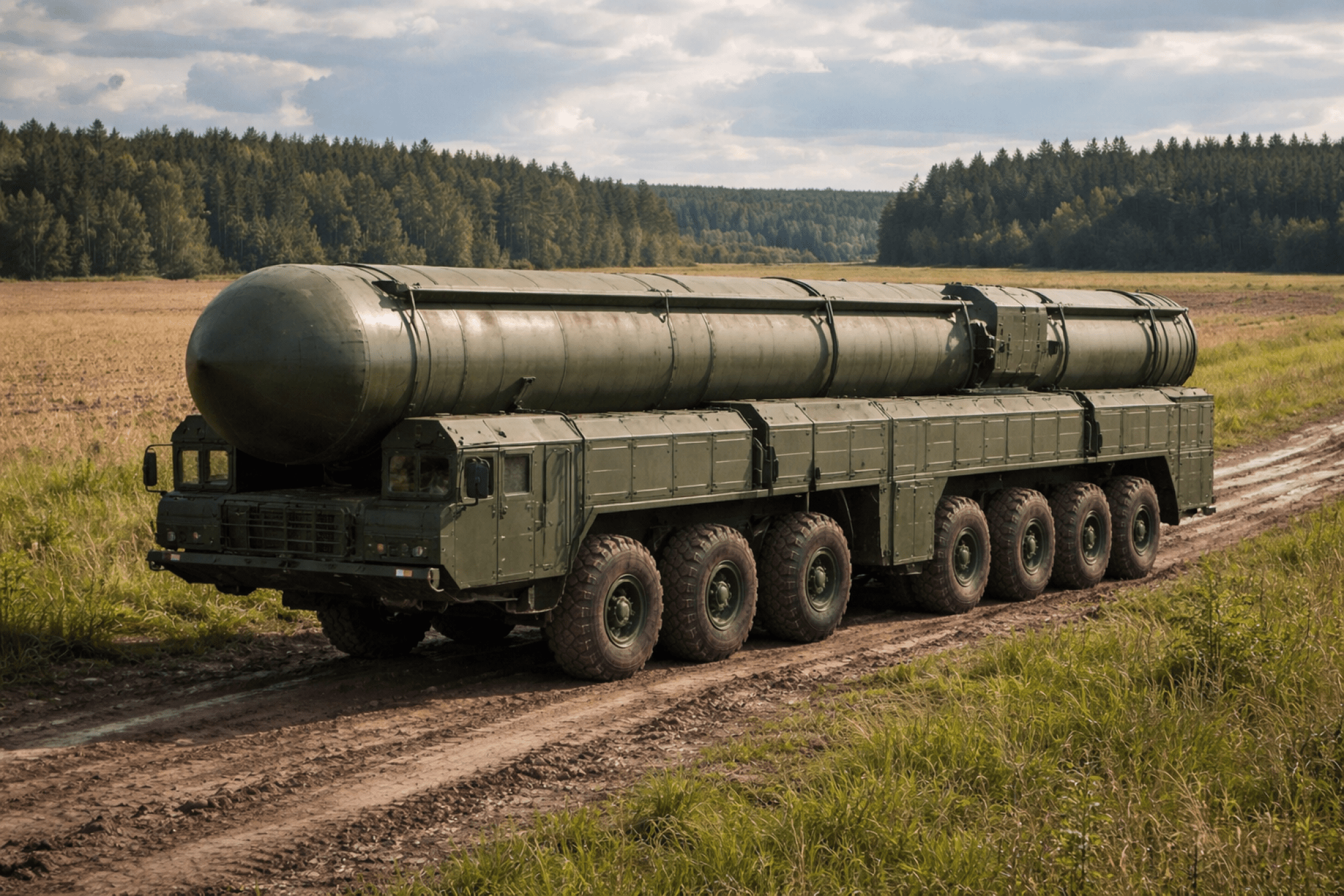
Russia fired two “Oreshnik” missiles at Ukraine overnight on May 24, according to a letter from Ukrainian President Volodymyr Zelenskyy addressed to Donald Trump and the US Congress.
We bring you stories from the ground. Your support keeps our team in the field.
One of the missiles struck the Kyiv region area, while the second impacted territory in temporarily occupied Donetsk region, the letter states.
Monitoring channels first reported indications of possible “Oreshnik” missile launches around 01:00 local time during Russia’s large-scale overnight strike on 24 May.
However, no verified impact sites were initially identified, prompting speculation among some observers that the first missile may not have reached its target.
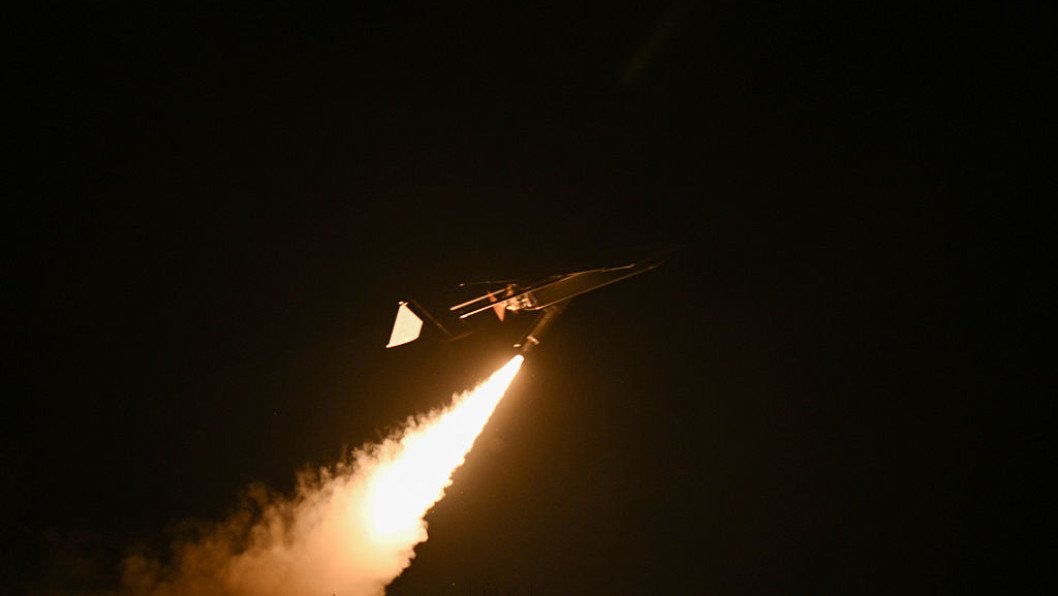
This is not the first time Russia used “Oreshnik” against Ukraine. In 2024, Moscow launched the missile toward the city of Dnipro without a warhead, a move analysts interpreted as a signal rather than an operational strike.
Moreover, in 2026, the Security Service of Ukraine (SBU) has identified the location where fragments of a Russian ballistic missile fell in the Lviv region following the overnight strike on January 8–9. According to an SBU statement released on January 9, preliminary assessments suggest the debris belongs to the medium-range “Oreshnik” missile system.
Among the recovered components are the stabilization and guidance unit—effectively the missile’s control “brain”—as well as parts of the engine section, fragments of the orientation system, and nozzles from the separation block platform, among other elements.
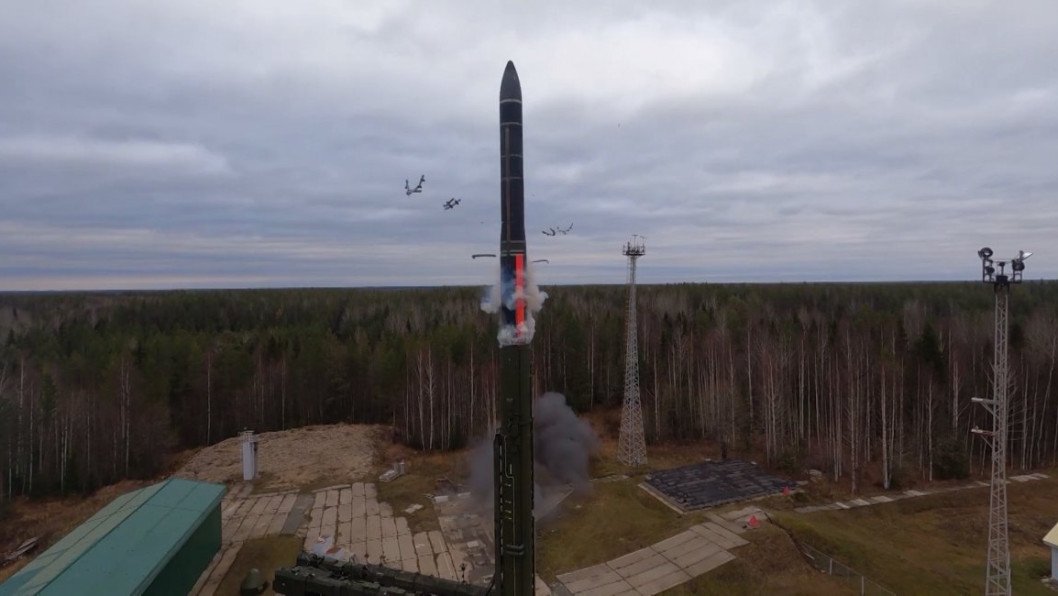
What is “Oreshnik“
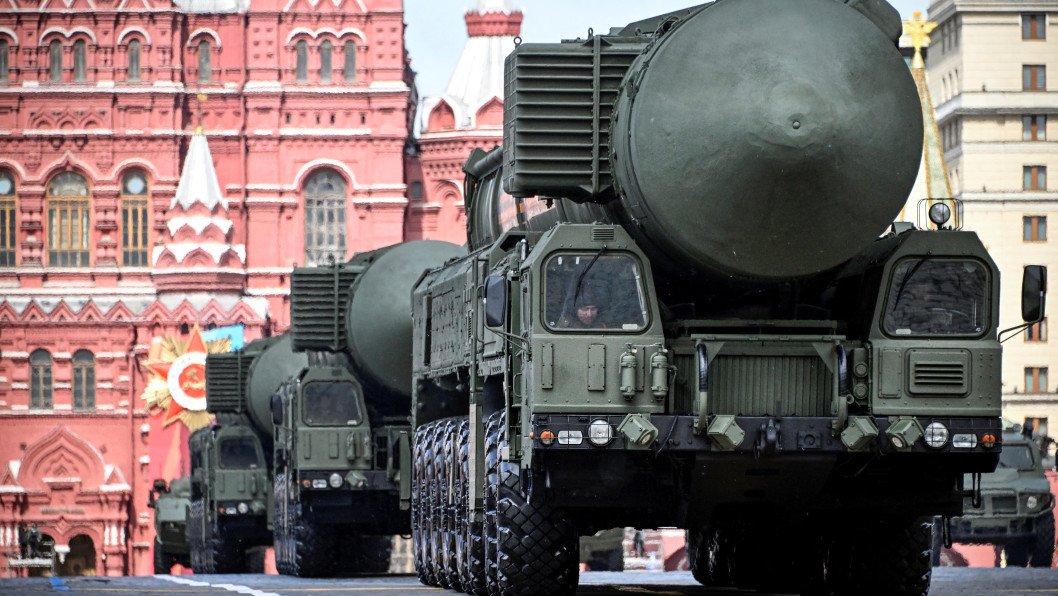
In general terms, the “Oreshnik” is an intermediate-range ballistic missile with nuclear capability that passes through the stratosphere, making interception extremely difficult. It is equipped with a multiple independently targetable reentry vehicle (MIRV) system, meaning a single payload can carry several warheads that are released to strike different targets, although they are not individually guided.
After launch, the missile sheds its propulsion stage, the MIRV section then detaches, and the warheads subsequently descend toward their targets.
The system is considered a derivative of the RS-26 “Rubezh” missile, drawing on Soviet-era technologies developed in Dnipro — a link that has contributed to some confusion over terminology. Unlike the original RS-26 configuration, this version uses a two-stage rather than a three-stage design.
Additionally, in the letter Ukrainian President stressed that the country remains heavily reliant on support from international allies for missile defense, particularly on the United States for protection against ballistic missile attacks.
“When it comes to air defense against missiles, we rely on our friends,” the letter reads. “When it comes to defending against ballistic missiles, we rely almost exclusively on the United States.”
Ukraine also cautioned that the current pace of deliveries under the PURL program is failing to match the rapidly growing scale of the threat posed by Russia’s ongoing missile campaign.
-27d27d238170e1727de5c907b1967255.jpg)
The letter further noted that ballistic missiles continue to pose one of the gravest dangers to Ukrainian civilians and critical infrastructure, highlighting the urgent need for additional interceptor missiles and air defense capabilities.
“That is why I on behalf of Ukrainian people respectfully ask the President and the US Congress to remain engaged, to continue standing with Ukraine and with all those who defend life, and to help us secure this vital tool of protection against Russian terror—Patriot missiles PAC-3 and additional systems—to stop Russian ballistic missiles and other Russian missile attacks,” Zelenskyy stated in the letter.
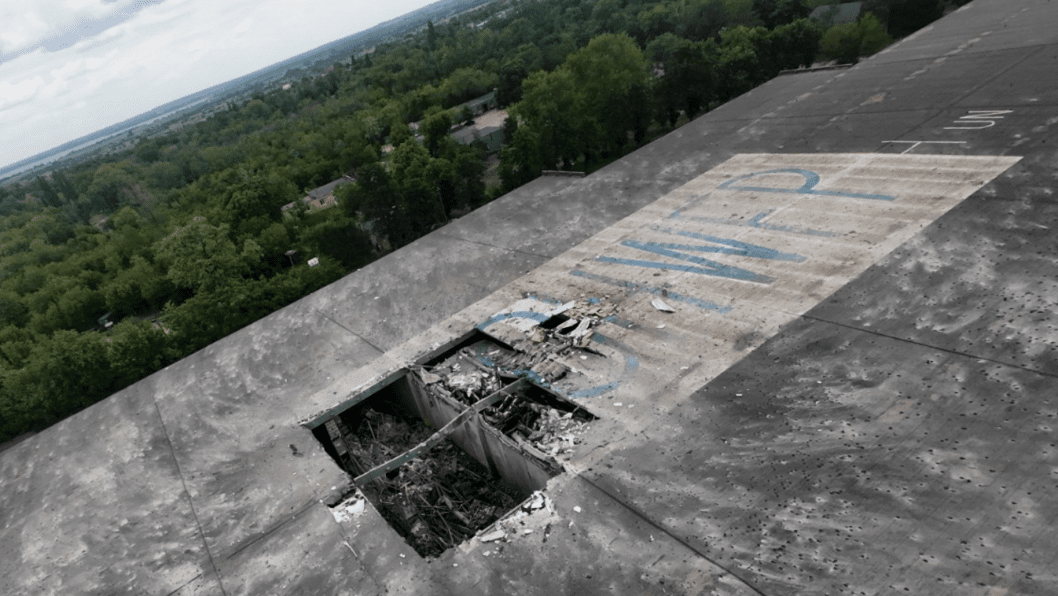
On May 24, Russian forces carried out one of the most extensive combined attacks of the war, launching 690 aerial weapons at Ukraine, including 90 missiles and 600 drones.
Kyiv was the main target of the strike, which left two people dead and at least 77 injured, among them two children. Thirty-one victims remained in hospital care, with three in serious condition, while 46 others were treated either on the scene or as outpatients.
Discuss this article:
-9bd5e1532102621f8fb1c4ba871a3171.png)